150 Minutes Weekly Activity: Solutions for U.S. Professionals 2026
Advertisements

Busy U.S. professionals in 2026 can effectively achieve 150 minutes of weekly activity by implementing strategic time management, incorporating micro-workouts, and leveraging technology, leading to improved health and sustained productivity amidst demanding schedules.
Achieving 150 minutes of weekly activity is a widely recognized health recommendation, yet for many busy U.S. professionals in 2026, it often feels like an unattainable goal. The demands of a high-pressure career, coupled with personal responsibilities, can leave little room for dedicated exercise. This article explores practical, actionable strategies to seamlessly integrate physical activity into even the most packed schedules, ensuring that health remains a priority without compromising professional success.
Understanding the 150-Minute Mandate and its Importance
The recommendation for 150 minutes of moderate-intensity aerobic activity, or 75 minutes of vigorous-intensity activity, per week is not arbitrary. It's a cornerstone of public health guidelines, designed to mitigate chronic diseases, improve mental well-being, and enhance overall quality of life. For professionals, adhering to this guideline can translate into increased energy, better stress management, and improved cognitive function – all critical for peak performance.
Many professionals often view exercise as an all-or-nothing endeavor, believing that if they can't dedicate an hour to the gym, it's not worth it. This mindset can be a significant barrier. The truth is, even short bursts of activity accumulate and contribute meaningfully to the weekly total. Understanding the science behind these recommendations empowers individuals to break down the goal into manageable, achievable segments.
The Science Behind the Recommendation
Research consistently demonstrates that regular physical activity reduces the risk of heart disease, type 2 diabetes, certain cancers, and improves mood and sleep quality. These benefits are not exclusive to marathon runners or gym enthusiasts; they are accessible to anyone who meets the recommended activity levels. For busy professionals, these health dividends can mean fewer sick days and sustained career longevity.
- Cardiovascular Health: Regular activity strengthens the heart and improves circulation.
- Mental Well-being: Exercise is a powerful antidote to stress, anxiety, and depression.
- Disease Prevention: Significantly lowers the risk of chronic health conditions.
- Cognitive Function: Boosts memory, focus, and problem-solving abilities.
Ultimately, making time for physical activity is an investment in both personal health and professional capacity. It's about recognizing that a healthier body and mind are more resilient, more productive, and better equipped to handle the rigors of a demanding professional life in 2026.
Strategic Time Management: Carving Out Activity Blocks
One of the most common hurdles for busy U.S. professionals is the perceived lack of time. However, effective time management isn't about finding more hours in the day, but rather optimizing the existing ones. This section delves into strategies for intelligently scheduling physical activity, ensuring it becomes a non-negotiable part of the weekly routine, just like any important business meeting.
The key lies in proactive planning and prioritizing. Instead of trying to squeeze in exercise whenever a free moment appears, which rarely happens, professionals should intentionally block out time in their calendars. Treating these activity blocks with the same respect as client appointments or project deadlines can dramatically increase adherence.
Leveraging Micro-Workouts and Activity Stacking
Micro-workouts are short, intense bursts of activity that can be done throughout the day. These can range from a 10-minute walk during a lunch break to a quick set of squats and push-ups between meetings. Activity stacking involves combining different types of movement or integrating activity into existing routines. For example, taking the stairs instead of the elevator, or walking while on a phone call.
- Calendar Blocking: Schedule 15-30 minute slots for activity like essential meetings.
- Lunch Break Power Walks: Utilize part of your lunch break for a brisk walk.
- Desk Exercises: Incorporate stretches, squats, or lunges during short work breaks.
- Commute Optimization: Bike or walk part of your commute if feasible.
By breaking down the 150-minute goal into smaller, more frequent segments, it becomes far less daunting. These small, consistent efforts build momentum and make the overall target feel more achievable, fostering a sustainable approach to fitness.
Integrating Movement into the Workday: Office and Remote Strategies
The traditional workday, whether in an office or remotely, often involves prolonged periods of sitting, which is detrimental to health. Modern professionals in 2026 need innovative ways to weave movement into their daily routines. This involves conscious decisions about workspace setup, breaks, and even how meetings are conducted.
For those working in an office, this might mean advocating for standing desks or incorporating walking meetings. Remote professionals have the flexibility to design their environment to be more conducive to movement, but also face the challenge of self-discipline without the structure of a traditional office setting.
Active Workstation Setup and Movement Breaks
An active workstation can make a significant difference. Standing desks, treadmill desks, or even just regularly alternating between sitting and standing can break up sedentary periods. Beyond dedicated equipment, strategic movement breaks are crucial. Setting a timer to stand up, stretch, or walk for a few minutes every hour can prevent stiffness and boost circulation.
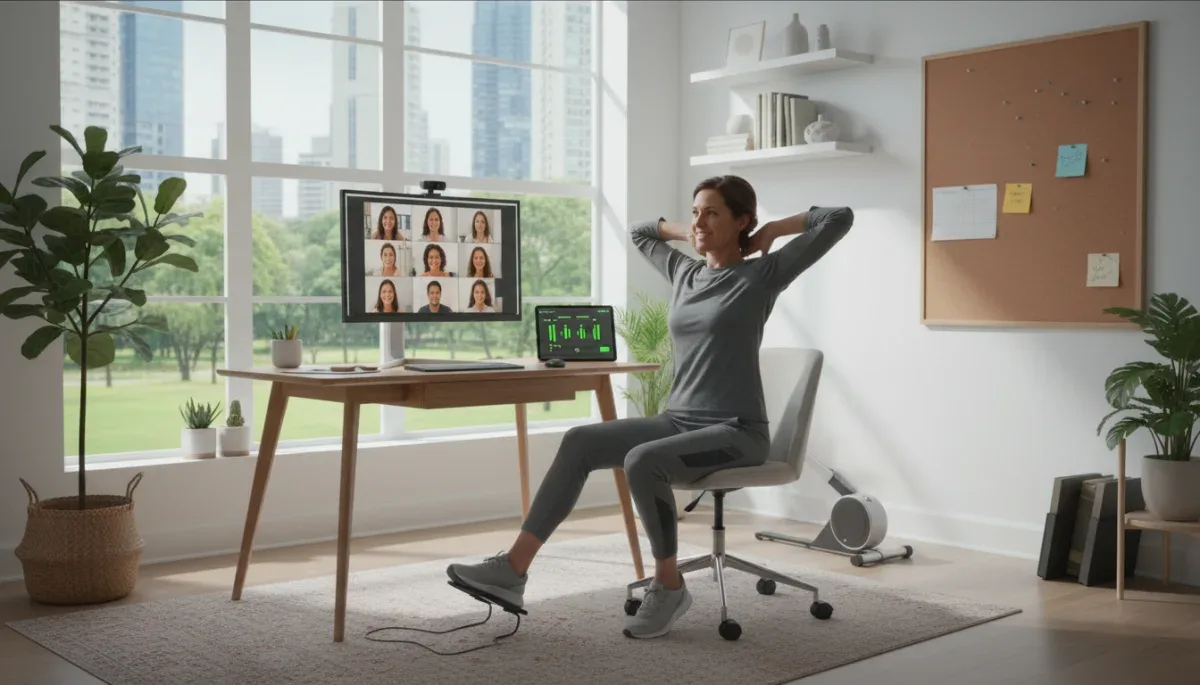
For remote workers, the flexibility allows for more creative integration. A short exercise session before starting work, a walk around the block during a break, or even doing some household chores with intensity can contribute to the weekly activity goal. The key is to be intentional about moving throughout the day.
- Standing Desks: Alternate between sitting and standing to reduce sedentary time.
- Walking Meetings: Transform one-on-one or small team meetings into walking discussions.
- Hourly Movement Reminders: Use apps or alarms to prompt short activity breaks.
- Active Commutes: If possible, walk, bike, or use public transport with walking components.
By proactively designing a workday that encourages movement, professionals can chip away at their 150 minutes weekly activity without feeling like they are sacrificing precious work time. These small changes accumulate to significant health benefits over time.
Leveraging Technology for Fitness and Accountability
In 2026, technology offers an unparalleled array of tools to support health and fitness goals. For busy professionals, these tools can be invaluable for tracking progress, finding efficient workouts, and maintaining motivation and accountability. From smartwatches to fitness apps, the digital landscape provides numerous pathways to achieving the recommended 150 minutes of weekly activity.
The sheer volume of options can be overwhelming, so the focus should be on selecting tools that genuinely integrate into one's lifestyle and provide meaningful insights or motivation. The best technology is the one that gets used consistently and helps to build sustainable habits.
Smart Devices and Fitness Applications
Wearable technology, such as smartwatches and fitness trackers, can monitor activity levels, heart rate, and even sleep patterns. This data provides objective feedback, helping individuals understand their current activity levels and identify opportunities for improvement. Many devices also offer reminders to move, which can be particularly useful during sedentary workdays.
Fitness applications, ranging from guided workout programs to meditation apps, can provide structured routines that fit into tight schedules. Many offer short, effective workouts that require minimal equipment, perfect for home or office. Social features within these apps can also foster a sense of community and friendly competition, boosting motivation.
- Fitness Trackers: Monitor steps, active minutes, and calories burned to stay on track.
- Workout Apps: Discover efficient 10-20 minute routines for various fitness levels.
- Virtual Coaching: Leverage online platforms for personalized guidance and support.
- Accountability Partners: Use apps to connect with colleagues or friends for shared goals.
Embracing technology isn't just about tracking; it's about creating an ecosystem of support that makes achieving 150 minutes of weekly activity more accessible, enjoyable, and sustainable in the long run.
Mindset Shifts: Prioritizing Health as a Professional Asset
Beyond practical strategies and technological aids, a fundamental shift in mindset is often required for busy U.S. professionals to consistently prioritize physical activity. Viewing health not as a luxury or an afterthought, but as an indispensable asset for professional success, can transform how one approaches their fitness goals. In 2026, a holistic approach to well-being is increasingly recognized as a cornerstone of high performance.
This shift involves moving away from the idea that exercise is merely a chore or an optional add-on. Instead, it becomes an integral part of one's professional toolkit, directly contributing to resilience, focus, and strategic thinking. When health is framed as a performance enhancer, its priority naturally elevates.
Redefining Success and Self-Care
For many professionals, success is often equated with long hours and constant availability. However, a growing body of evidence suggests that sustainable success requires balance and robust self-care. Prioritizing physical activity is a powerful form of self-care that recharges both body and mind, preventing burnout and fostering long-term productivity.
It's about recognizing that taking time for oneself, particularly for physical activity, isn't a sign of weakness or a distraction from work, but rather a strategic move that enhances one's capacity to perform. This redefinition of success encompasses well-being as a critical component, not just professional achievements.
- Health as Productivity: Recognize that a healthy body and mind lead to better work output.
- Preventative Maintenance: View exercise as an investment in long-term career resilience.
- Stress Reduction: Utilize physical activity as a primary coping mechanism for professional pressures.
- Role Modeling: Inspire colleagues and teams by demonstrating a commitment to well-being.
By adopting a mindset that champions health as a core professional asset, busy professionals can overcome internal resistance and make consistent progress towards achieving 150 minutes of weekly activity, ultimately benefiting both their personal lives and their careers.
Overcoming Common Barriers and Sustaining Motivation
Even with the best intentions and strategies, professionals will inevitably encounter barriers to consistent physical activity. These can range from unexpected work demands to fluctuating motivation. The ability to anticipate these challenges and develop coping mechanisms is crucial for long-term success in achieving 150 minutes of weekly activity.
Sustaining motivation is a dynamic process that requires self-awareness and adaptability. It's not about being motivated all the time, but about having systems in place that keep you moving forward even when motivation wanes. This includes setting realistic expectations and celebrating small victories.
Dealing with Setbacks and Building Resilience
Setbacks are an inevitable part of any health journey. A missed workout due to a late-night meeting or a demanding project is not a failure, but an opportunity to re-evaluate and adjust. The key is to avoid the all-or-nothing trap and get back on track as quickly as possible, without dwelling on the missed session.
Building resilience involves understanding that consistency is more important than perfection. It's about developing the mental fortitude to push through periods of low motivation and to find alternative ways to be active when primary plans fall through. This might mean having a backup indoor workout for rainy days or a quick bodyweight routine for busy travel days.
- Flexibility is Key: Have backup plans for workouts when original plans are disrupted.
- Celebrate Small Wins: Acknowledge and reward consistency, not just reaching the final goal.
- Seek Support: Engage with friends, family, or fitness communities for encouragement.
- Re-evaluate Goals: Adjust targets if necessary to ensure they remain realistic and motivating.
By proactively addressing potential obstacles and cultivating a resilient mindset, busy U.S. professionals can successfully navigate the challenges and maintain a consistent commitment to achieving their 150 minutes of weekly activity, ensuring lasting health benefits.
| Key Strategy | Brief Description |
|---|---|
| Micro-Workouts | Short, intense bursts of activity (5-15 mins) spread throughout the day. |
| Time Blocking | Schedule activity sessions in your calendar like important meetings. |
| Active Workstations | Utilize standing or treadmill desks to integrate movement into sedentary work. |
| Tech Integration | Use wearables and apps for tracking, motivation, and guided workouts. |
Frequently Asked Questions About Weekly Activity
How can I fit 150 minutes of activity into a 60-hour work week?▼Break it down into smaller segments. Aim for three 10-minute walks per day, five days a week, plus two 30-minute sessions on weekends. Incorporate desk stretches, active commutes, and standing during calls to accumulate minutes efficiently. Small, consistent efforts are more effective than aiming for large, infrequent sessions.
What counts as moderate-intensity activity?▼Moderate-intensity activity means you can talk, but not sing, during the activity. Examples include brisk walking, light jogging, swimming, cycling at a moderate pace, dancing, or even active yard work. The key is to feel your heart rate elevate and breathe a bit harder than usual.
Are short bursts of exercise truly effective?▼Absolutely. Research shows that even short bursts of activity, as brief as 10 minutes, contribute significantly to overall health benefits. The cumulative effect of multiple short sessions can be just as beneficial as one longer session, making micro-workouts ideal for busy schedules.
How can I stay motivated when my schedule gets overwhelming?▼Set realistic, flexible goals and don't be too hard on yourself if you miss a session. Find activities you genuinely enjoy. Use technology for tracking and reminders. Consider an accountability partner or joining a challenge. Remind yourself of the health and productivity benefits.
What role do standing desks play in achieving activity goals?▼Standing desks help break up prolonged sitting, which is a major health risk. While standing itself isn't moderate-intensity activity, it burns more calories than sitting and encourages more movement throughout the day. Alternating between sitting and standing can significantly reduce sedentary time and contribute to overall daily movement.
Conclusion
For busy U.S. professionals in 2026, achieving the recommended 150 minutes of weekly activity is not just a health goal, but a strategic imperative for sustained success and well-being. By embracing innovative time management techniques, integrating movement into the workday, leveraging technology, and adopting a proactive mindset, it is entirely possible to weave physical activity seamlessly into even the most demanding schedules. Prioritizing health is an investment that yields significant returns in energy, focus, and overall quality of life, proving that a healthy professional is a more productive and resilient professional.