Athlete Hydration 2026: Maximize Performance, Prevent Fatigue
Advertisements
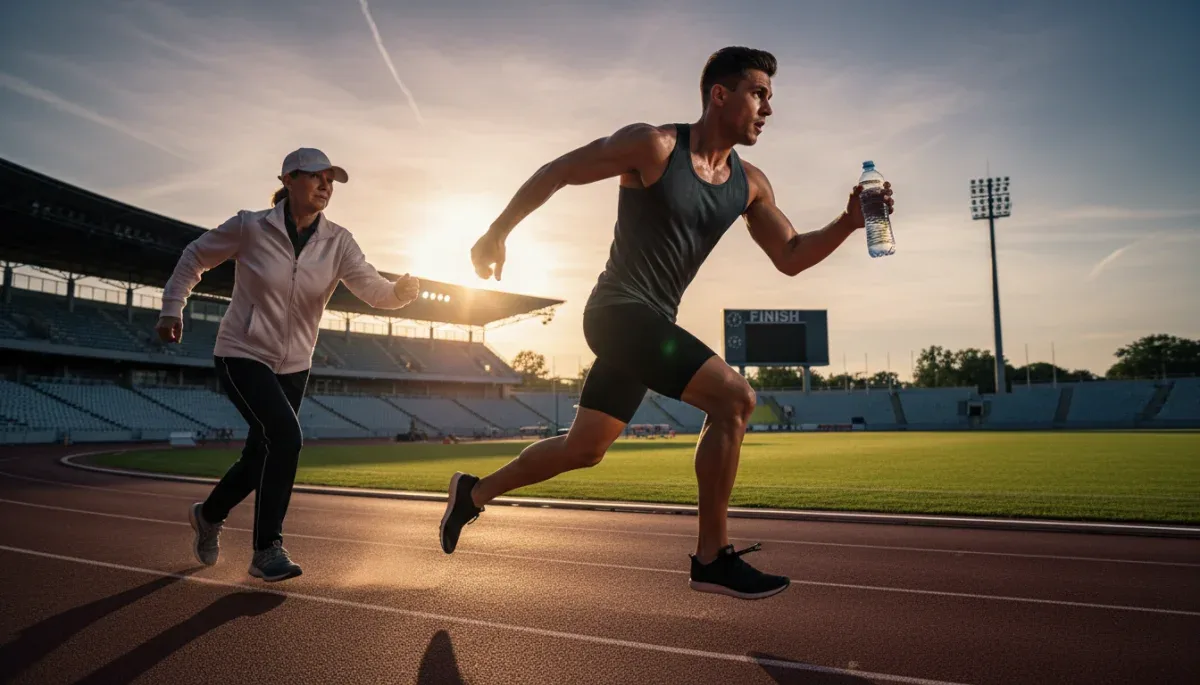
Optimal hydration is paramount for athletes, with 2026 guidelines focusing on personalized fluid and electrolyte strategies to maximize performance and effectively prevent fatigue.
Are you an athlete striving for peak performance and aiming to conquer fatigue? Understanding the science behind athlete hydration guidelines is no longer just about drinking water; it's a sophisticated strategy that can make or break your training and competition. In 2026, the focus has shifted, offering refined approaches to ensure every drop contributes to your success.
Understanding the Core Principles of Hydration Science
Hydration is the cornerstone of athletic performance, yet its complexities are often underestimated. It's not merely about quenching thirst; it involves maintaining a delicate balance of fluids and electrolytes crucial for numerous physiological processes that directly impact an athlete's ability to perform. Proper hydration supports nutrient transport, regulates body temperature, lubricates joints, and even influences cognitive function, all vital for sustained effort.
The Role of Water in Performance
Water constitutes a significant portion of our body weight and is the primary medium for metabolic reactions. During exercise, water loss through sweat can be substantial, leading to dehydration if not adequately replaced. Even a slight reduction in body water content can impair physical and mental capabilities, making water an indispensable component of an athlete's regimen.
- Temperature Regulation: Water helps dissipate heat through sweat evaporation, preventing overheating.
- Nutrient Transport: Essential for carrying glucose, oxygen, and other nutrients to working muscles.
- Waste Removal: Facilitates the excretion of metabolic byproducts, reducing muscle soreness.
- Joint Lubrication: Maintains the viscosity of synovial fluid, protecting joints during high-impact activities.
Electrolytes: More Than Just Salt
While water is critical, electrolytes such as sodium, potassium, calcium, and magnesium play equally important roles. These minerals are lost through sweat and are essential for nerve impulses, muscle contractions, and maintaining fluid balance. Imbalances can lead to muscle cramps, weakness, and severe performance decline. The latest guidelines emphasize a more nuanced approach to electrolyte replacement, tailored to individual sweat rates and environmental conditions.
In conclusion, a foundational understanding of hydration science, encompassing both water and electrolytes, is the first step towards optimizing athletic performance. Recognizing their interconnected roles allows athletes to build effective hydration strategies that go beyond simple fluid intake, laying the groundwork for superior physical and cognitive function during intense activity.
Personalized Hydration Strategies: Tailoring to Individual Needs
Gone are the days of one-size-fits-all hydration advice. The 2026 guidelines champion a personalized approach, recognizing that each athlete's fluid and electrolyte needs are unique, influenced by factors such as body size, sweat rate, exercise intensity, duration, and environmental conditions. This individualized strategy is key to truly maximizing performance and preventing the onset of fatigue.
Assessing Individual Sweat Rates
Understanding your personal sweat rate is perhaps the most critical component of personalized hydration. This can be determined by weighing yourself before and after exercise sessions, accounting for any fluid intake during the activity. A higher sweat rate means a greater need for fluid and electrolyte replacement.
- Pre-exercise Weight: Record your body weight before a workout.
- Post-exercise Weight: Record your body weight immediately after, towel-dried.
- Fluid Intake: Measure the volume of fluids consumed during exercise.
- Calculation: (Pre-exercise weight - Post-exercise weight + Fluid intake) provides an estimate of sweat loss.
Environmental Considerations
Temperature, humidity, and altitude significantly impact sweat loss and, consequently, hydration needs. Exercising in hot, humid conditions will necessitate higher fluid and electrolyte intake compared to cooler, drier environments. Acclimatization to different climates also plays a role, as the body adapts its sweating mechanisms over time.
Furthermore, the type of sport and its intensity dictate hydration requirements. A marathon runner will have vastly different needs than a weightlifter due to prolonged exertion and continuous sweat loss. Integrating these variables into a dynamic hydration plan allows athletes to adjust their intake in real-time, ensuring optimal balance throughout their training and competitive cycles.
Ultimately, a personalized hydration strategy empowers athletes to make informed decisions about their fluid and electrolyte intake. By meticulously assessing individual needs and adapting to varying conditions, athletes can maintain peak physical and cognitive function, effectively delaying fatigue and enhancing their overall athletic potential.
Pre-Exercise Hydration: Setting the Stage for Success
Effective hydration doesn't begin when you start sweating; it's a proactive process that starts long before exercise commences. Pre-exercise hydration is about ensuring your body is adequately prepared and in a state of optimal fluid balance to handle the demands of physical activity. This foundational step is critical for performance and can significantly influence how well you sustain effort and avoid early fatigue.
The 'Start Hydrated' Principle
The goal is to begin exercise in a euhydrated state, meaning your body has normal fluid levels. This prevents starting at a deficit, which can quickly lead to dehydration once sweating begins. Current guidelines recommend consuming fluids steadily in the hours leading up to activity, rather than a large intake just before. This allows the kidneys to process fluids efficiently and prevents excessive urination.
A simple way to monitor your hydration status before exercise is through urine color. A pale yellow color indicates good hydration, while darker urine suggests a need for more fluids. This visual cue, though not scientifically precise, offers a practical daily check for athletes.
Strategic Fluid and Electrolyte Loading
For longer or more intense events, strategic fluid and electrolyte loading might be beneficial. This involves consuming slightly more fluids, often with sodium, in the 2-4 hours prior to exercise. The added sodium helps to retain fluids, expanding plasma volume and providing a larger reservoir for sweat production. This can be particularly advantageous in hot environments or for activities exceeding an hour.
- 2-4 Hours Before: Drink 5-7 ml/kg body weight of water or a sports drink.
- If Urine is Dark: Consume an additional 3-5 ml/kg body weight 2 hours before.
- Sodium Inclusion: Consider beverages with sodium for better fluid retention, especially if heavy sweating is anticipated.
By prioritizing pre-exercise hydration, athletes create a robust internal environment, minimizing the physiological stress of dehydration and setting themselves up for sustained energy and superior performance from the very first minute of their activity. This proactive approach is a non-negotiable element of modern athletic preparation.
During Exercise: Sustaining Hydration and Preventing Fatigue
Maintaining adequate hydration during exercise is a dynamic process, crucial for sustaining performance and preventing the rapid onset of fatigue. The strategies employed during activity must be flexible and responsive to the body's changing needs, ensuring a continuous supply of fluids and electrolytes to support physiological functions.
Scheduled vs. Thirst-Driven Drinking
Historically, scheduled drinking at regular intervals was the norm. However, recent guidelines, especially for shorter or less intense activities, suggest that drinking according to thirst can be an effective strategy for many athletes. For prolonged or high-intensity exercise, a more structured approach might still be beneficial, as thirst can sometimes lag behind actual dehydration.
The key is to find a balance that works for the individual and the specific demands of the sport. Regular, smaller sips of fluid are generally preferred over large gulps, as this aids absorption and reduces the risk of gastrointestinal discomfort. Monitoring sweat loss and environmental factors continuously during exercise helps in adjusting fluid intake on the fly.
The Role of Sports Drinks
For exercise lasting longer than 60 minutes, or in hot and humid conditions, plain water may not be sufficient. Sports drinks, containing carbohydrates and electrolytes (primarily sodium and potassium), become invaluable. Carbohydrates provide an energy source to working muscles, while electrolytes replace those lost in sweat, helping to maintain fluid balance and prevent cramping.
- Carbohydrate Concentration: Aim for 6-8% carbohydrate solution for optimal absorption and energy.
- Sodium Content: Look for drinks with 110-170 mg of sodium per 8 oz serving to aid fluid retention.
- Flavor: Palatable flavors encourage consistent intake, which is crucial during prolonged efforts.
Ultimately, the goal during exercise is to minimize fluid deficits and maintain electrolyte balance without over-consuming. This strategic approach to hydration ensures that the body's machinery runs smoothly, allowing athletes to push their limits and delay fatigue, thereby maximizing their performance potential.
Post-Exercise Recovery: Replenishing for Optimal Healing
The hydration process doesn't end when the workout does; post-exercise recovery is a critical phase for replenishing lost fluids and electrolytes, facilitating muscle repair, and preparing the body for the next training session. Neglecting this phase can hinder recovery, increase fatigue, and even elevate the risk of injury.
Quantifying Fluid Deficit
The first step in post-exercise hydration is to accurately assess the fluid deficit. Weighing yourself before and after exercise (without fluid intake during the session) provides a good estimate of fluid loss. For every pound of body weight lost, approximately 16-24 ounces (470-710 ml) of fluid should be consumed.
This replenishment should ideally begin as soon as possible after exercise. While immediate rehydration is important, it's also crucial to continue drinking fluids over several hours to ensure complete restoration of fluid balance. Rapid, excessive intake can overwhelm the kidneys and lead to increased urination, reducing overall retention.
Electrolyte and Nutrient Replenishment
Beyond water, electrolytes, particularly sodium, must be replaced to correct imbalances and stimulate thirst, encouraging further drinking. Consuming sodium-rich foods or beverages during recovery can significantly enhance the rehydration process. Additionally, pairing fluid intake with carbohydrates and protein helps kickstart muscle glycogen replenishment and repair.
- Fluid Intake: Drink 1.25-1.5 liters of fluid for every 1 kg (2.2 lbs) of body weight lost.
- Sodium: Include 500-700 mg of sodium per liter of fluid consumed post-exercise.
- Carbohydrates & Protein: Combine with fluids to aid glycogen synthesis and muscle repair.
A comprehensive post-exercise hydration strategy is integral to an athlete's overall well-being and long-term success. By diligently replenishing fluids, electrolytes, and other essential nutrients, athletes can accelerate recovery, reduce muscle soreness, and ensure their bodies are primed for continued high-level performance.
Advanced Hydration Monitoring and Technology in 2026
The landscape of athletic hydration is continually evolving, with 2026 bringing forth increasingly sophisticated tools and technologies for monitoring and optimizing fluid balance. These advancements move beyond simple thirst cues, offering athletes and coaches precise data to make informed decisions about their hydration strategies.
Wearable Technology and Smart Devices
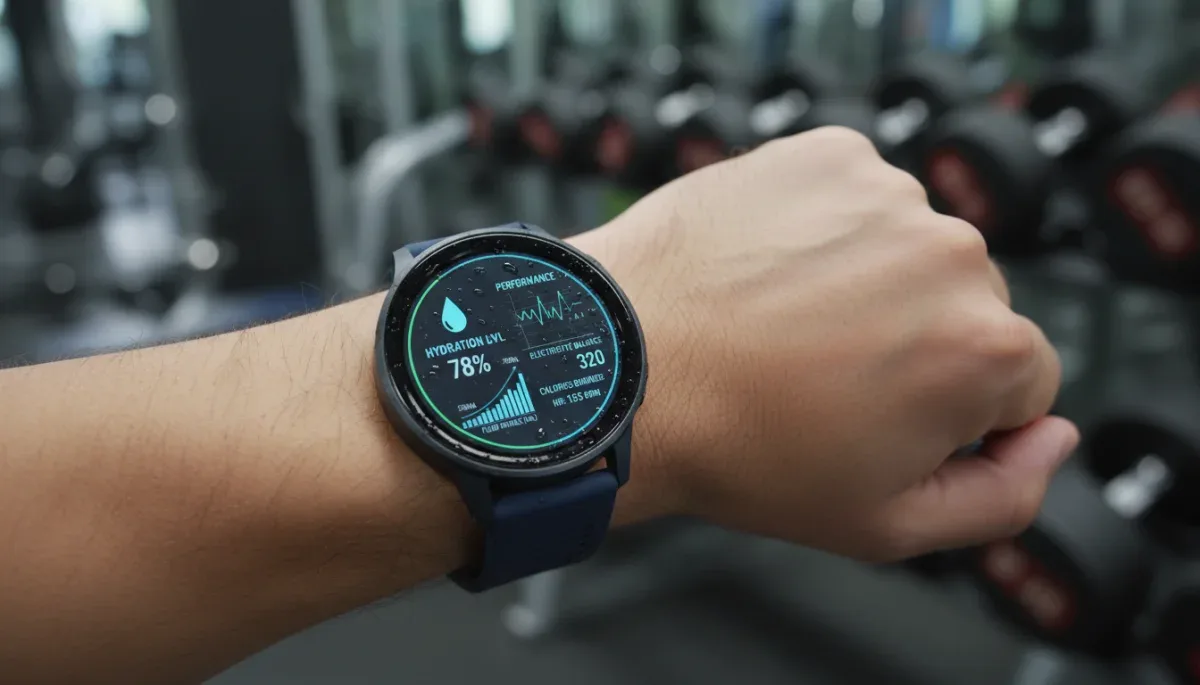
Wearable devices have become indispensable for tracking various physiological metrics, and hydration is no exception. Smartwatches and specialized patches can now estimate sweat rates, analyze sweat composition for electrolyte loss, and even provide real-time alerts for when to drink. These devices leverage advanced sensors and algorithms to offer personalized recommendations, often integrating with mobile apps for data visualization and historical tracking.
This real-time feedback allows athletes to adjust their fluid intake dynamically, preventing both under-hydration and over-hydration. The ability to see immediate impacts of fluid consumption on performance metrics offers an unprecedented level of control and insight for athletes striving for marginal gains.
Non-Invasive Hydration Assessment
Beyond wearables, non-invasive methods for assessing hydration status are gaining traction. Technologies like bioelectrical impedance analysis (BIA) and near-infrared spectroscopy (NIRS) are being refined to provide more accurate and accessible measurements of body fluid compartments. While not yet universally adopted for daily use, these tools offer promising avenues for more precise hydration management in clinical and high-performance settings.
- Smart Patches: Analyze sweat composition for sodium, potassium, and lactate.
- Hydration Sensors: Integrated into water bottles or clothing to track fluid intake.
- AI-Powered Apps: Personalize hydration schedules based on activity, environment, and individual data.
The integration of these advanced monitoring technologies into daily training routines represents a significant leap forward in athletic hydration. By providing precise, real-time data, athletes can move from generalized recommendations to truly personalized, data-driven hydration plans, ultimately leading to enhanced performance and superior fatigue prevention in 2026 and beyond.
| Key Aspect | Brief Description |
|---|---|
| Personalized Strategies | Tailoring fluid/electrolyte intake based on individual sweat rate, activity, and environment. |
| Pre-Exercise Hydration | Ensuring euhydration before activity to prevent early dehydration and performance drop. |
| During Exercise Intake | Dynamic fluid and electrolyte replacement, often with sports drinks for longer durations. |
| Advanced Monitoring | Utilizing wearables and smart tech for real-time, data-driven hydration adjustments. |
Frequently Asked Questions About Athlete Hydration
How much water should an athlete drink daily?▼While general recommendations exist, an athlete's daily water intake is highly individual. It depends on factors like body size, activity level, and climate. A good starting point is aiming for half your body weight in ounces (e.g., 150 lbs athlete drinks 75 oz), adjusting based on sweat loss and urine color.
Are sports drinks always necessary for hydration?▼No, sports drinks are not always necessary. For workouts shorter than 60 minutes or of low intensity, plain water is usually sufficient. Sports drinks become beneficial for prolonged exercise (>60 minutes) or in hot, humid conditions, as they provide essential electrolytes and carbohydrates to sustain performance.
How can I tell if I'm adequately hydrated?▼The simplest indicator is urine color: pale yellow suggests good hydration, while darker urine indicates a need for more fluids. Monitoring body weight before and after exercise to estimate fluid loss is also effective. Advanced athletes may use sweat rate calculations or wearable tech for precision.
What are the risks of over-hydration?▼Over-hydration, or hyponatremia, occurs when sodium levels in the blood become dangerously low due to excessive fluid intake, especially plain water. Symptoms include nausea, headache, confusion, and in severe cases, seizures or coma. It's crucial to balance fluid intake with electrolyte replacement, particularly during ultra-endurance events.
Should hydration strategies change with different climates?▼Absolutely. Hot and humid climates increase sweat rates, necessitating higher fluid and electrolyte intake. In cold weather, while thirst might be reduced, fluid loss through respiration and sweat can still occur, requiring consistent hydration. Altitude also impacts fluid needs due to increased respiration and urine output.
Conclusion
The journey to peak athletic performance is multifaceted, and mastering hydration is undoubtedly one of its most critical components. The 2026 guidelines for athlete hydration guidelines underscore a shift towards highly personalized, data-driven strategies that move beyond generic advice. By understanding individual sweat rates, adapting to environmental conditions, and leveraging advanced monitoring technologies, athletes can optimize their fluid and electrolyte intake across pre-exercise, during-exercise, and post-exercise phases. This comprehensive approach not only maximizes performance and delays the onset of fatigue but also accelerates recovery, ensuring athletes remain at the top of their game. Embracing these contemporary hydration principles is essential for any athlete serious about achieving their full potential and maintaining long-term health in the demanding world of sports.