Building Healthy Habits in 2026: Your 21-Day Blueprint
Advertisements
Building healthy habits in 2026 is achievable through a structured 21-day blueprint, focusing on small, consistent steps for lasting positive change.
Are you ready to transform your life in the new year? The journey of building healthy habits in 2026 doesn't have to be overwhelming. This 21-day blueprint offers a practical, step-by-step guide designed to help you cultivate sustainable changes and achieve lasting wellness.
Understanding the 21-Day Habit Formation Myth and Reality
The idea that it takes exactly 21 days to form a habit is a widely cited notion, often attributed to Dr. Maxwell Maltz's work in the 1960s. While his observations on patients adapting to plastic surgery suggested a minimum of 21 days for a new image to become ingrained, modern research paints a more nuanced picture. The truth is, habit formation isn't a one-size-fits-all timeline; it varies significantly from person to person and depends heavily on the complexity of the habit itself.
Studies have shown that the average time for a habit to stick can range anywhere from 18 days to 254 days. This means that while 21 days can be a powerful starting point—a psychological anchor for commitment—it's crucial to approach habit formation with patience and realistic expectations. The 21-day framework serves as an excellent launchpad, providing enough time to build momentum and establish a routine, but the real work of making a habit truly automatic often extends beyond this initial period.
The Science Behind Habit Formation
Habits are essentially automatic behaviors triggered by specific cues. Our brains are wired to seek efficiency, and once a behavior becomes habitual, it requires less cognitive effort. This process involves three key components:
- The Cue: A trigger that tells your brain to go into automatic mode and which habit to use. This could be a time of day, a location, an emotion, or other people.
- The Routine: The behavior itself that you perform. This is the habit you are trying to establish or break.
- The Reward: A positive outcome that helps your brain remember the "habit loop" for future use. Rewards reinforce the behavior, making it more likely to be repeated.
By understanding this loop, we can intentionally design our environment and routines to support the habits we want to build. The 21-day blueprint leverages this understanding to create a structured approach, helping you to identify cues, establish new routines, and celebrate small victories as rewards.
In conclusion, while 21 days might not be the magic number for everyone, it provides a strong foundation. The true power lies in consistent effort and a clear understanding of how habits are formed. This initial period is about building consistency and setting the stage for long-term integration into your life.
Setting SMART Goals for Sustainable Change
Before embarking on any habit-building journey, it's essential to define what success looks like. Generic goals like "eat healthier" or "exercise more" often fall flat because they lack clarity and a measurable endpoint. This is where the SMART goal framework becomes invaluable. SMART stands for Specific, Measurable, Achievable, Relevant, and Time-bound, providing a clear roadmap for your habit formation.
Applying the SMART framework to your healthy habits ensures that your objectives are well-defined and realistic. Instead of vaguely aiming for better health, you'll be able to articulate exactly what you want to achieve, how you'll track your progress, and by when you aim to reach it. This precision dramatically increases your chances of success and helps maintain motivation throughout the 21-day period and beyond.
Crafting Your SMART Habit Goals
Let's break down how to apply each component of SMART to your habit goals:
- Specific: What exactly do you want to achieve? Instead of "exercise more," try "walk for 30 minutes daily."
- Measurable: How will you track your progress? For "walk for 30 minutes daily," you can track the minutes walked or the number of days you complete it.
- Achievable: Is this goal realistic given your current circumstances? Starting with a 10-minute walk might be more achievable than 60 minutes if you're currently sedentary.
- Relevant: Does this goal align with your broader health and wellness aspirations? Does it truly matter to you?
- Time-bound: When will you achieve this goal? For our 21-day blueprint, this means committing to the habit for the next three weeks.
By transforming vague aspirations into SMART goals, you create a tangible target that you can actively work towards. For instance, a SMART goal could be: "I will drink eight glasses of water every day for the next 21 days to improve my hydration and energy levels." This goal is specific (eight glasses), measurable (count glasses), achievable (eight glasses is a common recommendation), relevant (improves hydration and energy), and time-bound (for the next 21 days).
Ultimately, setting SMART goals is not just about making your objectives clearer; it's about building a foundation for consistent action and celebrating tangible progress. This systematic approach ensures that your efforts in building healthy habits are purposeful and lead to genuine, sustainable change.
The Power of Small, Consistent Steps
When embarking on a journey to build healthy habits, it's natural to feel overwhelmed by the magnitude of change. However, the most effective strategy often lies in embracing the power of small, consistent steps rather than drastic overhauls. Trying to change too much too soon can lead to burnout and a quick return to old patterns. Micro-habits, as they are often called, are tiny, manageable actions that require minimal effort but yield significant results over time.
The philosophy behind this approach is simple: consistency trumps intensity. A small, daily action that you can reliably perform is far more impactful than an ambitious goal that you only stick to for a few days. These small wins build confidence, create positive momentum, and gradually rewire your brain to embrace the new behavior without feeling like a monumental task.
Implementing Micro-Habits in Your Daily Routine
Consider breaking down your desired healthy habits into the smallest possible components. For example, if your goal is to exercise more, instead of committing to an hour-long gym session, start with something as simple as doing 10 push-ups or a 5-minute stretch first thing in the morning. The key is to make the initial step so easy that you can't say no.
- Start Tiny: Make the habit so small it's almost impossible to fail. For example, floss one tooth after brushing, or drink one glass of water upon waking.
- Stack Habits: Link your new micro-habit to an existing habit. After I brush my teeth, I will do 10 squats. After I pour my coffee, I will drink a glass of water.
- Celebrate Small Wins: Acknowledge your effort, no matter how small. This positive reinforcement strengthens the habit loop.
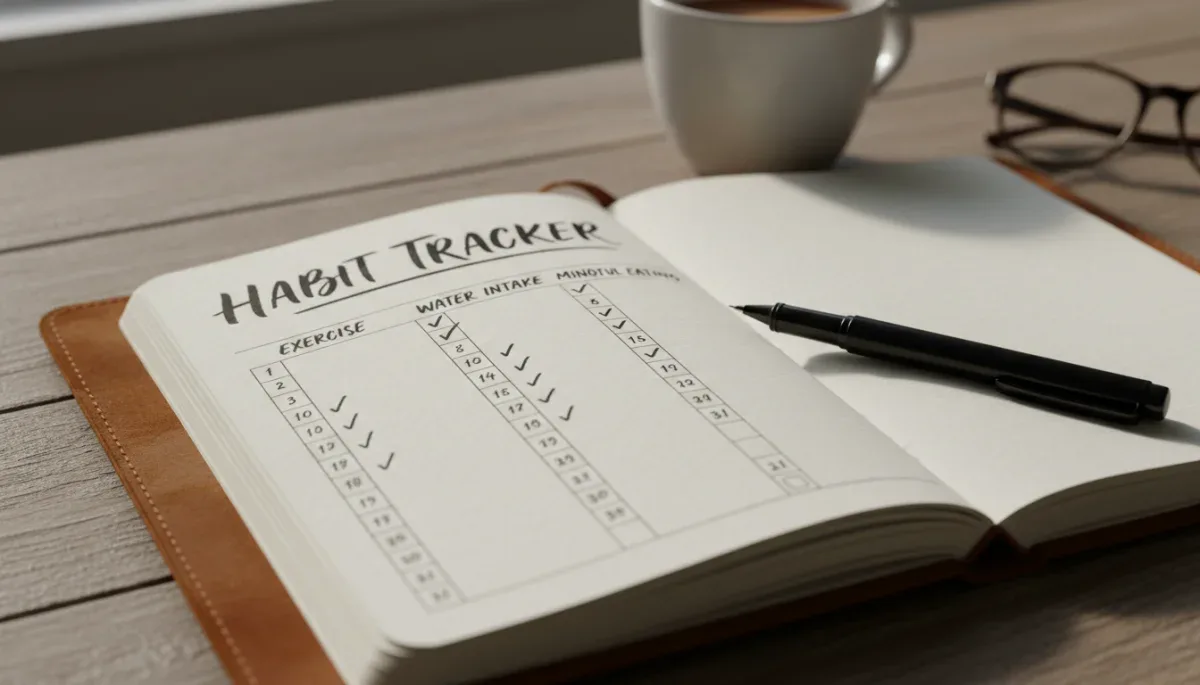
The cumulative effect of these small actions is profound. Over 21 days, those 10 daily push-ups become 210 push-ups, and the habit of moving your body daily becomes more ingrained. This incremental progress fosters a sense of accomplishment, making it easier to gradually increase the intensity or duration of the habit as you gain confidence and strength.
Ultimately, focusing on small, consistent steps is a sustainable path to building healthy habits. It minimizes resistance, maximizes adherence, and cultivates a positive relationship with your wellness journey, ensuring that your changes are not just temporary but deeply integrated into your lifestyle.
Crafting Your Ideal Environment for Success
Your environment plays a far more significant role in habit formation than you might realize. It acts as a silent architect, subtly influencing your choices and behaviors throughout the day. To successfully build healthy habits, it's crucial to intentionally design your surroundings to make desired actions easier and undesired actions harder. This proactive approach minimizes willpower depletion and sets you up for automatic success.
Think of your environment as a series of cues and obstacles. By strategically placing cues for healthy behaviors and removing obstacles to unhealthy ones, you can create a powerful support system for your 21-day blueprint. This isn't about relying on sheer discipline; it's about making the healthy choice the obvious and easiest choice.
Environmental Nudging for Healthy Choices
Consider how you can modify your home, workspace, and even digital spaces to align with your health goals:
- Visibility and Accessibility: Make healthy options visible and easily accessible. Keep a fruit bowl on the counter, pre-cut vegetables in the fridge, or your running shoes by the door. Conversely, hide unhealthy snacks in opaque containers or less accessible cupboards.
- Trigger Removal: Identify triggers for unwanted habits and remove them. If late-night TV snacking is an issue, move the TV out of the bedroom or create a rule to avoid the couch after a certain hour.
- Designated Spaces: Create specific areas for specific activities. A dedicated meditation corner, a workout space, or a quiet reading nook can signal your brain that it's time for that particular healthy habit.
For example, if you aim to drink more water, keep a full water bottle on your desk or carry one with you throughout the day. If you want to read more, place a book on your nightstand instead of your phone. These small environmental adjustments remove friction from healthy choices and add friction to unhealthy ones, making your habit-building journey smoother.
In essence, crafting your ideal environment is about becoming an architect of your own behavior. By consciously arranging your surroundings, you can create a powerful support system that makes building healthy habits in 2026 not just possible, but almost inevitable, even when your willpower wanes.
Tracking Progress and Celebrating Milestones
The journey of building healthy habits is not always a linear one. There will be days of high motivation and days when staying on track feels like an uphill battle. This is precisely why tracking your progress and celebrating milestones is so critical. It provides tangible evidence of your efforts, reinforces positive behaviors, and keeps your motivation high, especially during challenging moments.
Tracking isn't just about recording data; it's about creating a feedback loop that shows you how far you've come. Seeing your progress visually can be incredibly empowering, transforming abstract goals into concrete achievements. Moreover, celebrating milestones, no matter how small, triggers a dopamine release in your brain, linking the healthy habit with pleasure and making you more likely to repeat it.
Effective Ways to Track Your Habits
There are numerous methods for tracking your progress, from simple to sophisticated:
- Habit Trackers: Utilize a physical journal, a printable chart, or a habit-tracking app. Mark off each day you successfully complete your habit. The visual chain of checkmarks is a powerful motivator.
- Journaling: Beyond just marking completion, journal about your experiences. How did you feel after exercising? What challenges did you face? This reflective practice deepens your understanding and commitment.
- Wearable Tech: If your habit involves physical activity or sleep, smartwatches and fitness trackers can automatically collect data, providing objective insights into your progress.
When it comes to celebrating, think beyond grand gestures. Acknowledge consistency. After completing a week of your new habit, treat yourself to a new book, a relaxing bath, or a healthy meal out. The reward should be something you genuinely enjoy and that doesn't undermine your progress. For instance, if you're trying to eat healthier, don't celebrate with a sugary treat.
Regularly reviewing your progress and actively celebrating your wins transforms the often-arduous process of habit formation into a rewarding experience. It provides the necessary encouragement to push through plateaus and reinforces the belief that you are capable of lasting change, making your 21-day blueprint for building healthy habits a sustainable success.
Overcoming Obstacles and Staying Motivated
Even with the best intentions and a solid 21-day blueprint, obstacles are an inevitable part of building healthy habits. Life happens: unexpected events, dips in motivation, and old patterns can easily derail progress if not addressed proactively. The key to long-term success isn't avoiding challenges, but learning how to anticipate them, navigate them, and bounce back stronger.
Developing resilience and a problem-solving mindset are crucial components of this journey. Instead of viewing setbacks as failures, see them as opportunities to learn and refine your approach. Understanding common pitfalls and having strategies in place to overcome them will significantly increase your chances of making your new habits stick beyond the initial 21 days.
Strategies for Resilience and Sustained Motivation
Here are practical strategies to help you overcome common obstacles and maintain motivation:
- Identify Triggers for Relapse: What situations or emotions typically lead you to abandon your healthy habits? Stress? Social pressure? Boredom? Once identified, you can develop coping mechanisms or avoidance strategies.
- Plan for Imperfection: Don't aim for perfection. If you miss a day, don't let it spiral into a week of missed days. Get back on track immediately. The "all or nothing" mindset is a common saboteur of progress.
- Find Your "Why": Reconnect with the deeper reasons behind your desire to build healthy habits. Is it for more energy, better health, improved mood, or setting an example for others? Your "why" is a powerful source of intrinsic motivation.
- Seek Support: Share your goals with a trusted friend, family member, or join a community. Accountability can be a huge motivator, and having someone to cheer you on or offer advice can make a big difference.
Another powerful tool is visualization. Spend a few minutes each day imagining yourself successfully performing your new habit and experiencing the positive outcomes. This mental rehearsal can strengthen your commitment and prepare you for real-world execution.
Ultimately, staying motivated and overcoming obstacles in building healthy habits is about cultivating self-compassion, learning from setbacks, and consistently reminding yourself of your long-term vision. By embracing these strategies, you equip yourself with the mental fortitude needed to transform your 21-day blueprint into a lifetime of wellness.
Integrating Habits into Your Lifestyle for Long-Term Wellness
The 21-day blueprint is an excellent starting point for building healthy habits, but the true goal is to integrate these new behaviors seamlessly into your daily life for long-term wellness. This transition from a conscious effort to an automatic part of your routine requires a shift in perspective, moving beyond the initial challenge phase to a place of natural adoption. The aim is for these habits to become less about willpower and more about who you are.
Sustainable change isn't about rigid adherence; it's about flexibility, adaptability, and a deep understanding of your personal needs and rhythms. As days turn into weeks and weeks into months, your focus should evolve from merely performing the habit to truly embodying the healthy lifestyle you're creating.
Strategies for Habit Integration and Maintenance
To ensure your healthy habits become a permanent fixture in your life, consider these long-term strategies:
- Regular Review and Adjustment: Periodically assess your habits. Are they still serving you? Do they need to be tweaked or scaled up? Life changes, and your habits should evolve with it.
- Identity-Based Habits: Shift your focus from "I want to do X" to "I am the kind of person who does X." For example, instead of "I want to exercise," think "I am an active person." This internal shift is incredibly powerful.
- Mindful Maintenance: Don't just go through the motions. Stay present and engaged with your healthy habits. Notice how they make you feel, the benefits they bring. This mindful awareness reinforces their value.
- Embrace Variety: To prevent boredom and maintain engagement, introduce variety into your healthy routines. If you walk daily, try a different route, listen to a new podcast, or occasionally try cycling or swimming.
Another crucial aspect of long-term integration is self-compassion. There will be times when you fall off track. Instead of self-criticism, practice kindness towards yourself, understand what led to the lapse, and gently guide yourself back. This compassionate approach is far more effective than harsh self-judgment.
Ultimately, integrating healthy habits into your lifestyle for long-term wellness is about cultivating a harmonious relationship with your body and mind. It's about creating a life where healthy choices are not just tasks to complete, but natural expressions of who you are and how you want to live, ensuring that the foundation laid in the 21-day blueprint continues to flourish.
| Key Point | Brief Description |
|---|---|
| 21-Day Framework | A structured period to initiate new habits, recognizing that true mastery takes longer. |
| SMART Goals | Specific, Measurable, Achievable, Relevant, Time-bound objectives for clarity. |
| Micro-Habits | Small, consistent steps that build momentum and reduce resistance to change. |
| Environmental Design | Modifying surroundings to make healthy choices easier and unhealthy ones harder. |
Frequently Asked Questions About Healthy Habits
Is 21 days truly enough to form a lasting habit?▼While 21 days is a popular guideline, research suggests the actual time varies significantly, from 18 to over 250 days. The 21-day period is an excellent starting point to build momentum and establish a routine, but continued effort is needed for true permanence.
What if I miss a day during the 21-day blueprint?▼Missing a day is normal and not a failure. The key is to get back on track immediately the next day. Don't let one missed day derail your entire progress. Consistency over perfection is the goal for building healthy habits.
How do I choose which healthy habits to focus on first?▼Start with one or two habits that align with your core values and feel most achievable. Prioritize habits that will have the biggest positive impact on your overall well-being and set you up for success with other changes.
Can I use this blueprint for breaking bad habits too?▼Absolutely. The principles of cues, routines, and rewards apply to breaking bad habits as well. Focus on identifying the triggers for the unwanted habit and replacing the routine with a healthier alternative, reinforcing it with a positive reward.
What role does self-compassion play in habit formation?▼Self-compassion is vital. When setbacks occur, treat yourself with kindness rather than harsh criticism. This approach helps you learn from mistakes, reduces stress, and makes it easier to resume your healthy habits without feeling discouraged or overwhelmed.
Conclusion
The journey of building healthy habits in 2026 is a commitment to yourself, your well-being, and a more fulfilling life. This 21-day blueprint provides a structured yet flexible framework to initiate meaningful change. By understanding the science of habit formation, setting SMART goals, embracing small steps, optimizing your environment, tracking progress, and navigating obstacles with resilience, you are well-equipped to cultivate lasting positive behaviors. Remember, consistency and self-compassion are your most powerful allies. Embark on this journey with confidence, and watch as these healthy habits transform into an integral part of your vibrant, healthier future.