Cardio vs. Strength: Long-Term Health Impact in 2026
Advertisements
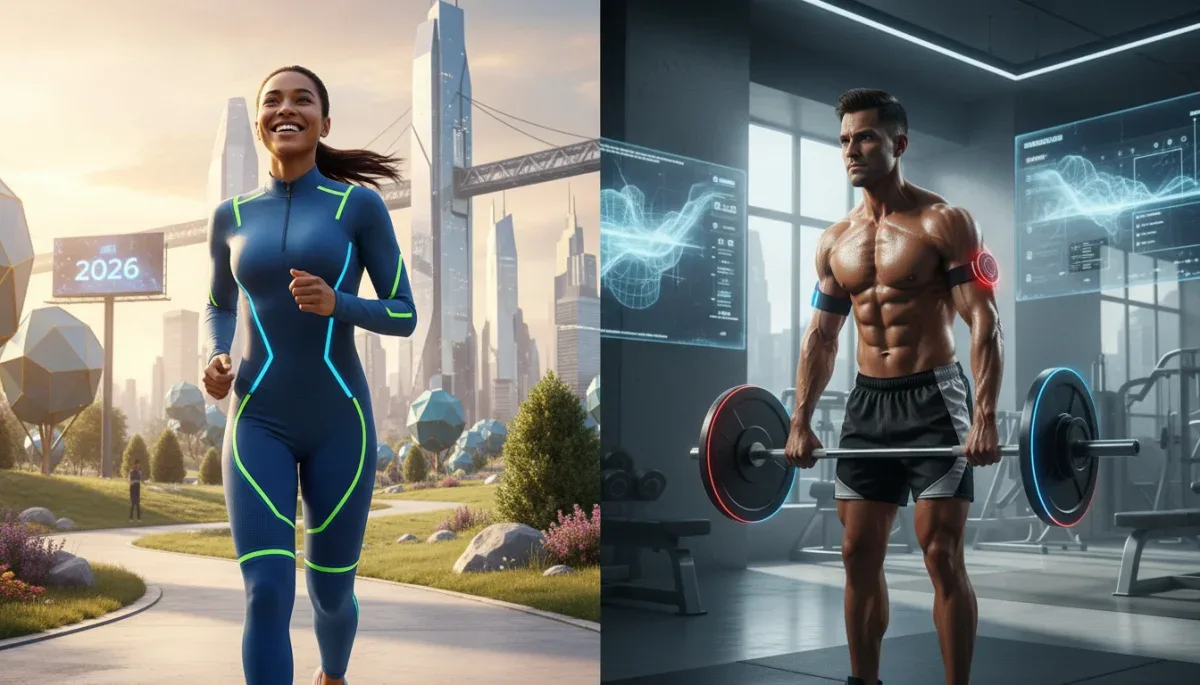
A data-driven comparison reveals that both cardio and strength training are crucial for long-term health in 2026, offering distinct yet complementary benefits for cardiovascular function, metabolic health, and musculoskeletal integrity.
When it comes to optimizing our physical well-being, the debate of cardio vs. strength: a data-driven comparison of their impact on long-term health in 2026 remains a cornerstone of fitness discussions. Is one inherently superior, or do they offer unique advantages that complement each other? Let's delve into the latest research to understand how these two fundamental exercise modalities shape our health trajectories for years to come.
Understanding Cardiovascular Exercise and Its Longevity Benefits
Cardiovascular exercise, often simply called cardio, involves any activity that elevates your heart rate and keeps it elevated for a sustained period. This type of training is fundamental for heart health, playing a critical role in preventing chronic diseases and extending lifespan. By 2026, the scientific consensus firmly establishes its importance.
Regular cardio training strengthens the heart muscle, improves its pumping efficiency, and enhances blood flow throughout the body. This leads to lower blood pressure, reduced risk of heart disease, and better management of cholesterol levels. The benefits extend far beyond the circulatory system, impacting nearly every aspect of long-term health.
Aerobic Capacity and Disease Prevention
Improving aerobic capacity is a hallmark of consistent cardiovascular training. This refers to your body's ability to take in and utilize oxygen during exercise. Higher aerobic capacity is strongly linked to reduced all-cause mortality and a lower incidence of various chronic conditions.
- Reduced Risk of Heart Disease: Cardio directly strengthens the heart, making it more efficient.
- Improved Blood Pressure: Regular exercise helps maintain healthy blood pressure levels.
- Better Blood Sugar Control: It enhances insulin sensitivity, crucial for preventing Type 2 diabetes.
- Enhanced Lung Function: Cardio improves the efficiency of your respiratory system.
These physiological adaptations collectively contribute to a more resilient and healthier body, capable of warding off age-related decline and disease. The data consistently shows that individuals with higher aerobic fitness tend to live longer and healthier lives.
In essence, cardiovascular exercise is a powerful tool for bolstering your internal systems, particularly your heart and lungs. Its consistent practice is a cornerstone of a long and healthy life, offering protection against many of the most common chronic illnesses that impact aging populations.
The Role of Strength Training in Ageing and Metabolic Health
Strength training, also known as resistance training, involves working your muscles against resistance to build strength, anaerobic endurance, and size. While often associated with aesthetics, its impact on long-term health, particularly as we age, is profound and increasingly recognized by 2026. It's not just about bigger muscles; it's about robust metabolic function and structural integrity.
As we age, we naturally lose muscle mass, a process called sarcopenia, which can significantly impair mobility, increase fall risk, and reduce quality of life. Strength training directly counters this decline, preserving and even building muscle mass and bone density. This has far-reaching implications for independence and overall well-being in later years.
Muscle Mass and Metabolic Benefits
Beyond muscle preservation, strength training significantly boosts metabolic health. Muscle tissue is metabolically active, meaning it burns more calories at rest than fat tissue. Building and maintaining muscle mass can improve basal metabolic rate, aiding in weight management and body composition.
- Combats Sarcopenia: Directly prevents age-related muscle loss, maintaining functional independence.
- Increases Bone Density: Reduces the risk of osteoporosis and fractures, common in older adults.
- Improves Insulin Sensitivity: Muscles are primary sites for glucose uptake, thus better muscle mass helps regulate blood sugar.
- Enhances Joint Health: Strengthens the muscles and connective tissues surrounding joints, improving stability and reducing pain.
The metabolic advantages of strength training extend to improved glucose metabolism and insulin sensitivity, making it a critical intervention for preventing and managing Type 2 diabetes. Furthermore, stronger muscles provide better support for joints, reducing the risk of injuries and chronic pain.
Ultimately, strength training is crucial for maintaining a strong, functional body capable of handling daily activities and resisting age-related decline. Its benefits for both metabolic health and physical resilience make it an indispensable component of any long-term health strategy.
Synergistic Effects: Combining Cardio and Strength for Optimal Outcomes
While both cardio and strength training offer distinct and powerful benefits, the most compelling data by 2026 points to a synergistic approach. Combining both modalities yields superior long-term health outcomes compared to focusing solely on one. This integrated strategy addresses a broader spectrum of physiological needs, creating a more robust and resilient body.
The combination allows for the simultaneous improvement of cardiovascular efficiency, muscle mass, bone density, and metabolic health. It's not about choosing one over the other, but rather strategically integrating both to maximize overall well-being and longevity. This balanced approach prepares the body for diverse physical demands and offers comprehensive disease prevention.
Integrated Training Protocols and Research Findings
Recent studies consistently demonstrate that individuals engaging in both types of exercise experience better health markers across the board. For instance, combining cardio with strength training has been shown to be more effective for weight loss, body composition improvements, and reducing the risk of metabolic syndrome than either modality alone.
- Enhanced Cardiovascular Health: Strength training can indirectly improve heart health by reducing arterial stiffness, complementing cardio's direct benefits.
- Improved Functional Fitness: The combination leads to better balance, coordination, and overall physical capacity for daily tasks.
- Greater Fat Loss and Muscle Retention: Cardio burns calories, while strength training builds muscle, creating an optimal environment for body recomposition.
- Mental Health Benefits: Both types of exercise are known to reduce stress, anxiety, and depression, contributing to overall mental well-being.
The optimal integration often involves alternating days of cardio and strength, or incorporating both into the same workout session with proper periodization. The key is to ensure adequate stimulus for both systems without overtraining, allowing for recovery and adaptation.
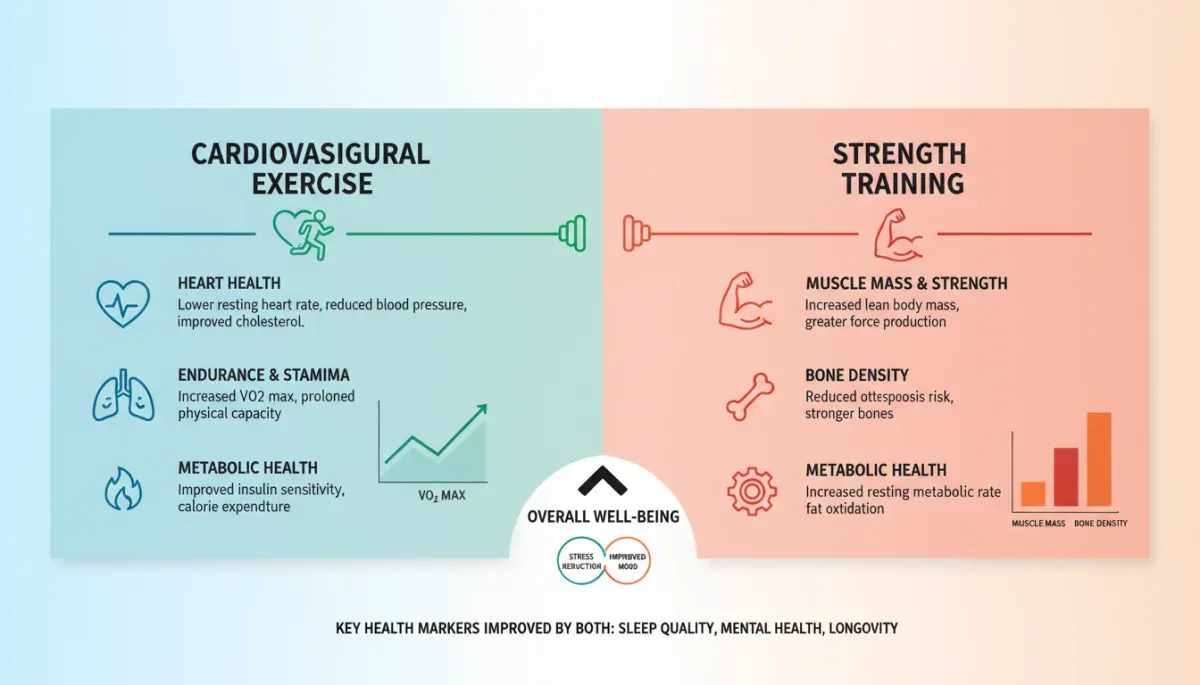
In summary, the combined power of cardio and strength training offers a holistic approach to health. It's about building a body that is not only strong and resilient but also efficient and protected against chronic diseases, ensuring a higher quality of life for years to come.
Data-Driven Insights: Quantifying Health Impacts by 2026
By 2026, advancements in health tracking and epidemiological studies provide increasingly precise data on the long-term health impacts of exercise. Wearable technology, large-scale cohort studies, and sophisticated statistical analyses offer clearer insights into how cardio and strength training influence various health markers and longevity. This data empowers individuals and healthcare professionals to make more informed decisions about exercise prescriptions.
Researchers are now able to track not just general activity levels but also the specific types, intensities, and durations of exercise, correlating them with long-term health outcomes. This granular data allows for a more nuanced understanding of the dose-response relationship between exercise and health, moving beyond broad recommendations to personalized approaches.
Key Metrics and Predictive Models
Data from various sources, including national health surveys and clinical trials, consistently highlight several key metrics influenced by exercise. These metrics serve as powerful predictors of long-term health and disease risk.
- VO2 Max: A direct measure of aerobic capacity, strongly correlated with cardiovascular health and longevity.
- Grip Strength: A simple yet powerful indicator of overall muscular strength and a predictor of all-cause mortality.
- Bone Mineral Density (BMD): Essential for preventing osteoporosis, significantly improved by weight-bearing exercises.
- HbA1c Levels: Reflects average blood sugar levels, crucial for diabetes prevention and management, positively impacted by both exercise types.
Predictive models, leveraging artificial intelligence and machine learning, are also becoming more sophisticated. These models can analyze vast datasets to forecast individual health trajectories based on exercise habits, genetic predispositions, and lifestyle factors. This allows for proactive interventions and personalized exercise recommendations, further optimizing long-term health.
The data unequivocally supports the notion that consistent engagement in both cardio and strength training significantly improves these key health metrics. This leads to a substantially lower risk of chronic diseases and an increased likelihood of a longer, healthier life, emphasizing the importance of evidence-based fitness strategies.
Personalized Approaches: Tailoring Exercise for Individual Needs
While the benefits of both cardio and strength training are universal, the optimal approach to integrating them into a fitness regimen is highly individual. By 2026, personalized medicine and fitness are not just buzzwords but actionable strategies. Factors such as age, current fitness level, health conditions, personal preferences, and specific long-term goals all play a crucial role in tailoring an effective exercise plan. A 'one-size-fits-all' approach is increasingly being replaced by dynamic, adaptable programs.
For instance, an older adult with osteoporosis might prioritize strength training to improve bone density and reduce fall risk, while someone training for a marathon would naturally emphasize cardiovascular endurance. However, even within these specific goals, incorporating the complementary modality remains highly beneficial. The key is to identify individual needs and design a program that addresses them comprehensively.
Factors Influencing Exercise Prescription
Several critical factors must be considered when developing a personalized exercise plan to ensure both effectiveness and safety. Consulting with healthcare professionals or certified fitness experts can provide invaluable guidance in this process.
- Age and Life Stage: Exercise needs change significantly from youth to older adulthood, requiring adjustments in intensity, volume, and type.
- Existing Health Conditions: Chronic diseases like diabetes, hypertension, or arthritis necessitate specific modifications and precautions.
- Fitness Goals: Whether it's weight loss, muscle gain, endurance, or overall health, goals dictate the emphasis on cardio or strength.
- Time Availability and Preferences: Practical considerations and personal enjoyment are crucial for long-term adherence to an exercise program.
Moreover, genetic predispositions are also gaining recognition in personalized fitness. Genetic testing can provide insights into an individual's response to different types of exercise, injury risk, and recovery rates, allowing for even more finely tuned exercise prescriptions. This level of personalization ensures that individuals are engaging in the most effective and sustainable forms of physical activity for their unique physiology.
Ultimately, a personalized approach to exercise is about finding the right balance and methods that fit an individual's life and goals. It ensures that the benefits of both cardio and strength training are maximized, leading to sustainable improvements in long-term health and well-being.
Future Trends: Evolution of Exercise and Health in 2026 and Beyond
The landscape of fitness and health is continuously evolving, and by 2026, several key trends are shaping how we approach exercise for long-term well-being. Technology, a deeper understanding of human physiology, and a growing emphasis on holistic health are driving innovations in both cardio and strength training. These trends promise even more effective and accessible ways to maintain health and extend longevity.
One significant trend is the integration of artificial intelligence (AI) and personalized coaching. AI-powered platforms can analyze vast amounts of personal health data, including genetics, activity levels, and dietary habits, to create highly customized exercise plans that adapt in real-time. This level of personalization goes beyond traditional fitness apps, offering dynamic adjustments based on progress and recovery.
Technological Advancements and Holistic Approaches
Technological innovations are making exercise more engaging, efficient, and measurable. From advanced wearables that track every physiological metric to virtual reality (VR) fitness experiences, the tools available to support an active lifestyle are becoming increasingly sophisticated.
- AI-Powered Coaching: Personalized workout plans that adapt to individual progress and recovery, maximizing efficiency.
- Biofeedback and Wearables: Real-time data on heart rate variability, sleep patterns, and stress levels to optimize training and recovery.
- Gamified Fitness: Integrating game elements into workouts to increase engagement and adherence, making exercise more enjoyable.
- Mind-Body Integration: A growing recognition of the importance of mental well-being alongside physical health, leading to programs that combine exercise with mindfulness and stress reduction techniques.
Furthermore, there's a growing emphasis on understanding the gut microbiome's role in exercise performance and recovery, and how nutrition can be optimized to support both cardio and strength adaptations. This holistic view acknowledges that exercise is just one component of a larger ecosystem of health factors.
Looking ahead, the future of exercise for long-term health is one of increasing integration and personalization. By leveraging technology and a deeper scientific understanding, individuals will have unprecedented tools to optimize their physical activity for maximum longevity and quality of life, moving beyond the simple cardio vs. strength debate to a more comprehensive approach.
| Key Aspect | Description |
|---|---|
| Cardio Benefits | Strengthens heart, improves circulation, boosts aerobic capacity, reduces chronic disease risk. |
| Strength Benefits | Builds muscle mass, increases bone density, enhances metabolic health, prevents sarcopenia. |
| Combined Approach | Offers superior, holistic health outcomes by addressing both cardiovascular and musculoskeletal systems. |
| Future Trends | AI-powered personalization, advanced wearables, and holistic integration for optimized health. |
Frequently Asked Questions About Exercise and Long-Term Health
Is cardio or strength training better for weight loss?▼For optimal weight loss, a combination of both cardio and strength training is most effective. Cardio burns more calories during a session, while strength training builds muscle, which boosts your metabolism at rest. Together, they create a powerful synergy for fat reduction and body recomposition.
How much cardio and strength training should I do weekly?▼General guidelines suggest at least 150 minutes of moderate-intensity cardio or 75 minutes of vigorous cardio, along with two or more days of moderate-to-high intensity strength training targeting all major muscle groups. Individual needs may vary based on goals and fitness levels.
Can strength training improve heart health?▼Yes, strength training significantly contributes to heart health. It can lower blood pressure, improve cholesterol levels, and enhance the elasticity of blood vessels. While cardio directly works the heart, strength training provides complementary benefits that reduce overall cardiovascular risk.
What are the benefits of combining both types of exercise?▼Combining cardio and strength training leads to superior outcomes, including enhanced cardiovascular fitness, increased muscle mass and bone density, improved metabolic health, better weight management, and reduced risk of chronic diseases. It creates a more resilient and functionally capable body.
How does exercise impact long-term cognitive function?▼Both cardio and strength training positively impact long-term cognitive function by increasing blood flow to the brain, promoting neurogenesis, and reducing inflammation. Regular physical activity is associated with a lower risk of cognitive decline and neurodegenerative diseases, supporting mental sharpness as we age.
Conclusion
In conclusion, the data-driven comparison of cardio vs. strength: a data-driven comparison of their impact on long-term health in 2026 unequivocally demonstrates that both exercise modalities are indispensable for a healthy, long life. While cardio excels in bolstering cardiovascular and metabolic efficiency, strength training is paramount for preserving muscle mass, bone density, and functional independence, especially as we age. The most effective strategy for optimizing long-term health is to embrace a balanced, integrated approach that incorporates both types of training. This synergy not only mitigates the risks of chronic diseases but also enhances overall quality of life, ensuring a robust and resilient body for years to come. As fitness continues to evolve with technological advancements and personalized approaches, the core principle remains: consistent, varied physical activity is the cornerstone of lasting well-being.