Unlocking Peak Performance: Nutrition Strategies for Endurance Athletes 2026
Advertisements

Optimizing nutrition is paramount for endurance athletes aiming for peak performance in 2026, focusing on personalized fueling, advanced recovery, and strategic supplementation to enhance competitive advantage.
For endurance athletes, achieving peak performance isn't just about training harder; it's fundamentally about fueling smarter. In 2026, the science of sports nutrition offers unparalleled opportunities to optimize every aspect of an athlete's physical and mental capabilities. Here, we delve into five pivotal nutrition strategies designed to give you that crucial competitive edge.
Personalized Fueling: Beyond One-Size-Fits-All
The days of generic diet plans for athletes are rapidly fading. In 2026, personalized fueling stands at the forefront of sports nutrition, acknowledging that each athlete's metabolic response, genetic makeup, and training demands are unique. This bespoke approach ensures that every calorie and nutrient consumed serves a specific purpose, maximizing efficiency and minimizing wasted effort.
Understanding your individual metabolic profile is the cornerstone of personalized fueling. This involves advanced testing to determine how your body processes different macronutrients, your fat oxidation rates, and your carbohydrate utilization during various intensities of exercise. Such data allows for precise adjustments to your dietary intake, ensuring optimal energy availability when it matters most.
Genetic Predisposition and Nutrient Response
Nutrigenomics, the study of how genes affect a person's response to nutrients, is becoming increasingly accessible. Athletes can now undergo genetic testing to identify predispositions to certain nutrient deficiencies, sensitivities, or optimal macronutrient ratios. This information allows nutritionists to fine-tune dietary recommendations with unprecedented accuracy.
- Tailored Macronutrient Ratios: Adjusting carbohydrate, protein, and fat intake based on genetic markers and metabolic testing.
- Micronutrient Optimization: Identifying specific vitamin and mineral needs to prevent deficiencies that could hinder performance.
- Hydration Strategies: Customizing fluid and electrolyte intake based on individual sweat rates and sodium loss.
Moreover, real-time biometric monitoring, through wearable technology and continuous glucose monitors, provides immediate feedback on an athlete's physiological state. This data empowers athletes to make on-the-fly adjustments to their fueling strategy, responding dynamically to training load, environmental conditions, and recovery status. The goal is to move beyond rigid meal plans to a fluid, responsive nutritional system.
In essence, personalized fueling in 2026 is about creating a dynamic nutritional blueprint that evolves with the athlete. It leverages cutting-edge science to transform abstract guidelines into actionable, highly effective dietary practices, ensuring that every athlete is fueled for their specific journey towards peak performance.
Optimizing Carbohydrate Timing and Type
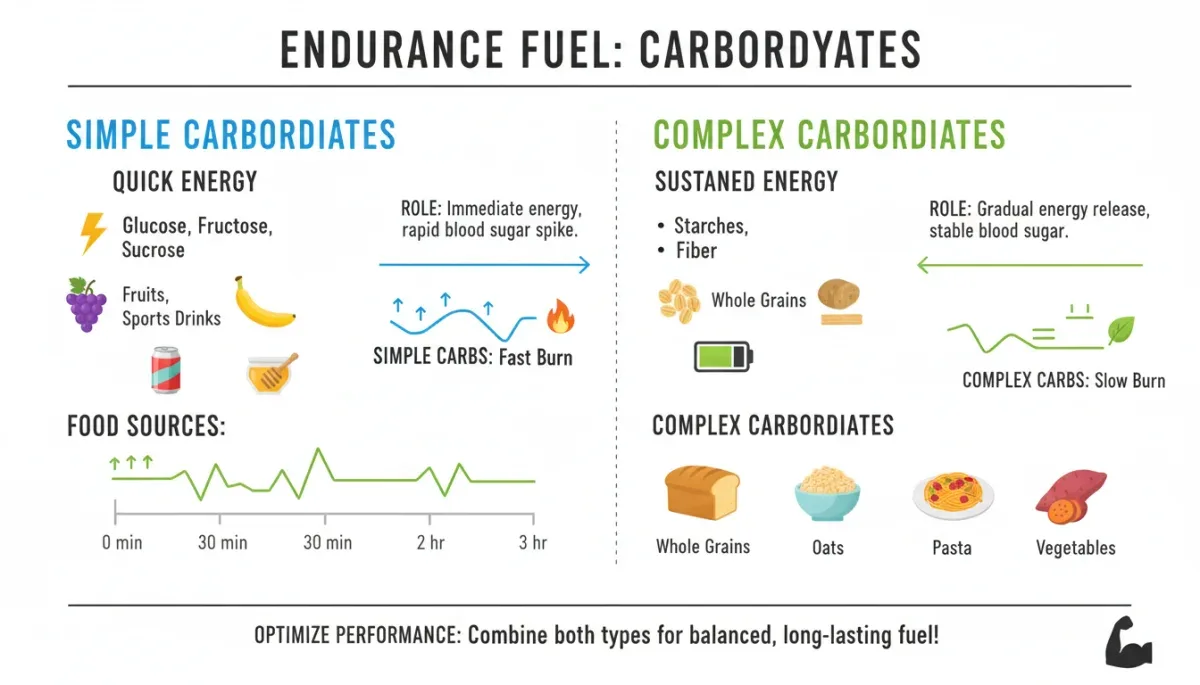
Carbohydrates remain the primary fuel source for endurance athletes, but their strategic timing and selection of type have undergone significant refinement. It's no longer enough to simply consume carbohydrates; the focus in 2026 is on maximizing their impact on energy levels, sustained performance, and efficient recovery.
Pre-exercise carbohydrate loading continues to be a vital strategy, but with a more nuanced approach. Instead of just large quantities, athletes are now focusing on easily digestible, lower-fiber carbohydrates to prevent gastrointestinal distress. The timing is also critical, ensuring that glycogen stores are topped off without leading to reactive hypoglycemia during the initial stages of activity.
During-Exercise Fueling Innovations
During prolonged events, the type and delivery method of carbohydrates are paramount. Multi-transportable carbohydrates, such as glucose and fructose combinations, are favored for their ability to be absorbed more rapidly and utilize different transporters, increasing the total carbohydrate oxidation rate. This allows athletes to consume more fuel per hour without digestive issues.
- Hydrogels: Revolutionary delivery systems that encapsulate carbohydrates, minimizing stomach discomfort and facilitating quicker absorption.
- Glucose-Fructose Ratios: Optimized ratios (e.g., 1:0.8) to maximize carbohydrate uptake and utilization during high-intensity, long-duration efforts.
- Electrolyte Integration: Carbohydrate gels and drinks are increasingly formulated with precise electrolyte balances to support hydration and prevent cramping.
Post-exercise, the window for carbohydrate replenishment is still crucial, but the emphasis is on rapid-acting carbohydrates combined with protein to kickstart glycogen synthesis and muscle repair simultaneously. This dual approach accelerates recovery, preparing the athlete for subsequent training sessions or competitions more effectively. The careful selection and precise timing of carbohydrates are key to sustained energy and optimal recovery.
Strategic Protein Intake for Recovery and Adaptation
Protein's role in endurance sports extends far beyond muscle repair; it's critical for adaptation, immune function, and maintaining lean body mass. In 2026, the focus is on optimizing the timing, type, and distribution of protein intake throughout the day to support these multifaceted demands.
While often associated with strength athletes, endurance athletes also experience significant muscle breakdown during prolonged exercise. Adequate protein intake is essential to repair this damage, facilitate muscle protein synthesis, and promote adaptive responses to training stress. This helps build resilience and prevents overtraining.
Protein Timing and Quality
Distributing protein intake evenly across meals and snacks, aiming for 20-40 grams per serving, is an effective strategy to maximize muscle protein synthesis throughout the day. This consistent supply of amino acids supports continuous repair and growth, rather than relying on large, infrequent doses.
- Post-Exercise Anabolic Window: Consuming protein (ideally whey or a blend) within 30-60 minutes after exercise to capitalize on heightened muscle sensitivity.
- Casein Before Bed: A slow-digesting protein like casein can provide a sustained release of amino acids overnight, supporting recovery during sleep.
- Plant-Based Blends: Combining different plant protein sources (e.g., pea and rice protein) to achieve a complete amino acid profile for vegan athletes.
Furthermore, the quality of protein matters. High-biological value proteins, rich in essential amino acids, especially leucine, are superior for stimulating muscle protein synthesis. Athletes are encouraged to prioritize lean meats, dairy, eggs, and well-formulated plant-based protein powders. By integrating strategic protein intake, endurance athletes can significantly enhance their recovery processes, leading to greater resilience and improved long-term performance.
The Role of Gut Health in Performance
Emerging research in 2026 highlights the profound connection between gut health and athletic performance. A healthy microbiome can influence everything from nutrient absorption and energy metabolism to immune function and even mood. Optimizing gut health is now recognized as a critical, often overlooked, strategy for endurance athletes.
The intense physical stress of endurance training can negatively impact gut integrity, leading to issues like 'runner's gut,' inflammation, and reduced nutrient absorption. Addressing these issues through targeted nutritional interventions can significantly improve overall well-being and athletic output.
Probiotics, Prebiotics, and Fermented Foods
Incorporating a variety of probiotic-rich foods and prebiotic fibers can foster a diverse and robust gut microbiome. Probiotics introduce beneficial bacteria, while prebiotics feed these bacteria, promoting their growth and activity. This synergy supports digestive health and systemic benefits.
- Fermented Foods: Including kefir, yogurt, sauerkraut, and kimchi in the daily diet to introduce a wide array of beneficial bacteria.
- Prebiotic Fibers: Consuming foods like oats, bananas, onions, garlic, and asparagus to nourish existing gut flora.
- Targeted Probiotic Supplementation: Using specific strains of probiotics known to benefit athletes, such as those that reduce inflammation or improve immune response.
Beyond supplements, a diet rich in diverse whole foods, particularly fruits, vegetables, and whole grains, naturally supports a healthy gut. Minimizing processed foods, artificial sweeteners, and excessive alcohol intake also contributes to a thriving internal ecosystem. By consciously nurturing their gut health, endurance athletes can enhance nutrient utilization, strengthen their immune system, and reduce the risk of gastrointestinal issues during training and competition, ultimately contributing to more consistent and higher performance levels.
Advanced Hydration and Electrolyte Management
Hydration is foundational to endurance performance, yet it remains a common pitfall for many athletes. In 2026, advanced strategies move beyond simply drinking water, focusing on precise electrolyte balance and personalized hydration protocols to prevent performance decrements and accelerate recovery.
Even mild dehydration can significantly impair endurance capacity, reducing blood volume, increasing heart rate, and hindering thermoregulation. Electrolytes, particularly sodium, potassium, and magnesium, are crucial for nerve function, muscle contractions, and maintaining fluid balance. Their loss through sweat necessitates careful replenishment.
Personalized Hydration Planning
Understanding an individual's sweat rate and electrolyte loss profile is paramount. Sweat patch analysis and pre/post-exercise weigh-ins can provide valuable data to create a truly personalized hydration plan, rather than relying on generic recommendations.
- Pre-Hydration Protocols: Starting events well-hydrated, often with electrolyte-enhanced fluids, especially in hot conditions.
- During-Exercise Fluid and Electrolyte Intake: Consuming fluids with appropriate sodium and carbohydrate concentrations at regular intervals to match losses.
- Post-Exercise Rehydration: Replenishing fluid and electrolyte deficits with slightly hypertonic solutions to encourage fluid retention and faster recovery.
New technologies, such as smart water bottles and wearables that monitor hydration status in real-time, are becoming more sophisticated and accessible. These tools provide athletes with immediate feedback, enabling them to adjust their intake dynamically based on current physiological needs and environmental factors. Effective hydration and electrolyte management are not merely about preventing thirst; they are about maintaining optimal physiological function, ensuring that every system operates at its peak during prolonged exertion. This meticulous approach to fluid balance is a non-negotiable aspect of maximizing performance for the modern endurance athlete.
Strategic Supplementation and Ergogenic Aids
While a whole-food diet forms the bedrock of an endurance athlete's nutrition, strategic supplementation can offer a significant edge in 2026. The landscape of ergogenic aids is constantly evolving, with a greater emphasis on evidence-based efficacy and personalized application. However, it's crucial to approach supplementation with caution, prioritizing safety and legality.
Supplements are intended to complement, not replace, a well-balanced diet. Their primary role is to fill nutritional gaps, enhance specific physiological processes, or directly improve performance. Athletes must be vigilant about third-party testing to ensure product purity and absence of banned substances.
Key Evidence-Based Supplements for Endurance
Several supplements have strong scientific backing for their benefits in endurance sports, improving everything from energy production to recovery and cognitive function. The selection should always be individualized and guided by a qualified sports nutritionist.
- Creatine Monohydrate: While often associated with power sports, creatine can enhance high-intensity bursts within endurance events and aid in recovery.
- Beta-Alanine: Boosts carnosine levels in muscles, buffering lactic acid and delaying fatigue during intense efforts.
- Caffeine: A well-established ergogenic aid that reduces perceived exertion and improves focus and endurance performance.
- Nitrate (Beetroot Juice): Enhances nitric oxide production, improving blood flow, oxygen delivery, and mitochondrial efficiency.
Beyond these, other supplements like omega-3 fatty acids for anti-inflammatory benefits, vitamin D for bone health and immune function, and iron for oxygen transport may be considered based on individual needs and deficiencies. The key is a targeted approach, using supplements to address specific physiological demands or shortcomings identified through testing and professional guidance. Strategic supplementation, when done thoughtfully and safely, represents a powerful tool in the endurance athlete's arsenal for achieving peak performance in 2026.
| Key Strategy | Brief Description |
|---|---|
| Personalized Fueling | Tailoring nutrition based on individual metabolic and genetic profiles for optimal energy. |
| Carbohydrate Optimization | Strategic timing and selection of carbohydrate types for sustained energy and recovery. |
| Gut Health Focus | Enhancing gut microbiome for improved nutrient absorption, immunity, and overall performance. |
| Advanced Hydration | Precise fluid and electrolyte management based on individual sweat rates and conditions. |
Frequently Asked Questions About Endurance Nutrition
What is personalized fueling for endurance athletes?▼Personalized fueling involves tailoring an athlete's nutrition plan based on their unique metabolic profile, genetic predispositions, and specific training demands. It moves beyond generic diets to optimize macronutrient ratios and micronutrient intake for peak performance and efficient recovery.
How important is carbohydrate timing for endurance performance?▼Carbohydrate timing is crucial for endurance athletes. Strategic intake before, during, and after exercise ensures adequate glycogen stores, sustained energy during activity, and rapid replenishment for recovery. Utilizing multi-transportable carbs and hydrogels enhances absorption and reduces digestive issues.
Why is gut health a key nutrition strategy for athletes?▼Gut health significantly impacts athletic performance by influencing nutrient absorption, energy metabolism, and immune function. A balanced gut microbiome reduces inflammation, prevents gastrointestinal distress during exercise, and supports overall well-being, which is vital for consistent training and competition.
What role do electrolytes play in endurance hydration?▼Electrolytes like sodium, potassium, and magnesium are critical for maintaining fluid balance, nerve function, and muscle contractions. During endurance activities, significant electrolyte loss through sweat necessitates precise replenishment strategies to prevent dehydration, cramping, and performance decline.
Are supplements necessary for endurance athletes in 2026?▼While a whole-food diet is primary, strategic, evidence-based supplementation can offer an edge. Supplements like creatine, beta-alanine, caffeine, and nitrates can enhance performance, aid recovery, or fill specific nutritional gaps, provided they are third-party tested and used under professional guidance.
Conclusion
The journey to unlocking peak performance: 5 nutrition strategies for endurance athletes in 2026 is multifaceted, requiring a sophisticated and individualized approach. By embracing personalized fueling, optimizing carbohydrate and protein intake, prioritizing gut health, mastering advanced hydration, and strategically utilizing evidence-based supplements, athletes can transcend previous limitations. The future of endurance sports nutrition is precise, responsive, and deeply integrated with individual physiological needs, promising a new era of athletic achievement and resilience. Adopting these cutting-edge strategies will not only enhance performance but also safeguard long-term health and career longevity.