Comparing Popular Fitness Trackers: Best Health Insights 2026
Advertisements

Choosing the right fitness tracker in 2026 involves critically evaluating devices based on their ability to deliver accurate, actionable health insights, encompassing everything from activity and sleep to advanced physiological metrics, tailored to individual wellness goals.
In an increasingly health-conscious world, the market for wearable technology continues to evolve rapidly, making fitness tracker comparison 2026 an essential task for anyone seeking to optimize their well-being. These devices are no longer just pedometers; they are sophisticated health companions, offering a plethora of data points to inform and empower users.
Understanding the Evolution of Fitness Tracking Technology
The landscape of fitness trackers has transformed dramatically over the past decade. What began as simple step counters has blossomed into an ecosystem of advanced sensors and intelligent algorithms capable of providing deep insights into our health. In 2026, the focus has shifted from mere activity logging to comprehensive physiological monitoring, predictive analytics, and personalized guidance.
Early fitness trackers primarily focused on basic metrics like steps taken and calories burned. While these remain fundamental, today's devices integrate a much wider array of sensors. This evolution has been driven by advancements in miniaturization, battery life, and data processing capabilities, allowing for more continuous and accurate monitoring without compromising user comfort or device aesthetics.
Key Technological Advancements in 2026
- Enhanced Biometric Sensors: Beyond heart rate, devices now accurately track blood oxygen saturation (SpO2), skin temperature, and even electrodermal activity for stress detection.
- AI-Powered Analytics: Sophisticated algorithms interpret raw data, identifying patterns and providing actionable advice on sleep, recovery, and training optimization.
- Seamless Integration: Trackers integrate effortlessly with smart home ecosystems, medical platforms, and other fitness apps, creating a holistic view of user health.
This technological leap means that choosing a fitness tracker in 2026 is about more than just brand loyalty; it's about identifying which device best aligns with your specific health goals and provides the most reliable and insightful data to help you achieve them. The sheer volume of data can be overwhelming, but the best trackers distill it into understandable and actionable recommendations.
Core Health Metrics: Beyond Steps and Calories
While steps and calories remain foundational, the true value of modern fitness trackers lies in their ability to monitor and interpret a broader range of health metrics. In 2026, a top-tier device offers a comprehensive picture of your physiological state, moving beyond simple activity tracking to provide genuinely insightful health data.
Heart rate monitoring, for instance, has evolved significantly. Instead of just showing your current beats per minute, advanced trackers now analyze heart rate variability (HRV), a crucial indicator of stress and recovery. Continuous HRV monitoring can help users understand their body's readiness for exercise or signal potential overtraining.
Advanced Physiological Tracking
- Sleep Stage Analysis: Detailed breakdown of REM, deep, and light sleep, offering insights into sleep quality and patterns that impact overall health.
- Stress Monitoring: Utilizing HRV and skin temperature, some devices can detect stress levels and offer guided breathing exercises or mindfulness prompts.
- Blood Oxygen (SpO2) Tracking: Important for detecting potential respiratory issues, monitoring altitude acclimatization, and understanding sleep health.
The integration of these metrics allows fitness trackers to offer a more nuanced understanding of an individual's health. For example, a device might correlate low HRV with poor sleep quality and elevated stress, then suggest specific interventions. This holistic approach makes the data not just interesting, but truly beneficial for proactive health management.
Sleep Tracking and Recovery: A New Frontier
One of the most significant advancements in fitness tracking has been in the realm of sleep and recovery. Recognizing that rest is as vital as activity, leading fitness trackers in 2026 provide incredibly detailed insights into sleep architecture, helping users optimize their rest for better performance and overall well-being.
Modern devices go beyond simply logging sleep duration. They use a combination of heart rate, movement, and sometimes even blood oxygen data to accurately differentiate between sleep stages: wake, REM, light, and deep sleep. Understanding these stages is critical, as each plays a distinct role in physical and mental restoration.
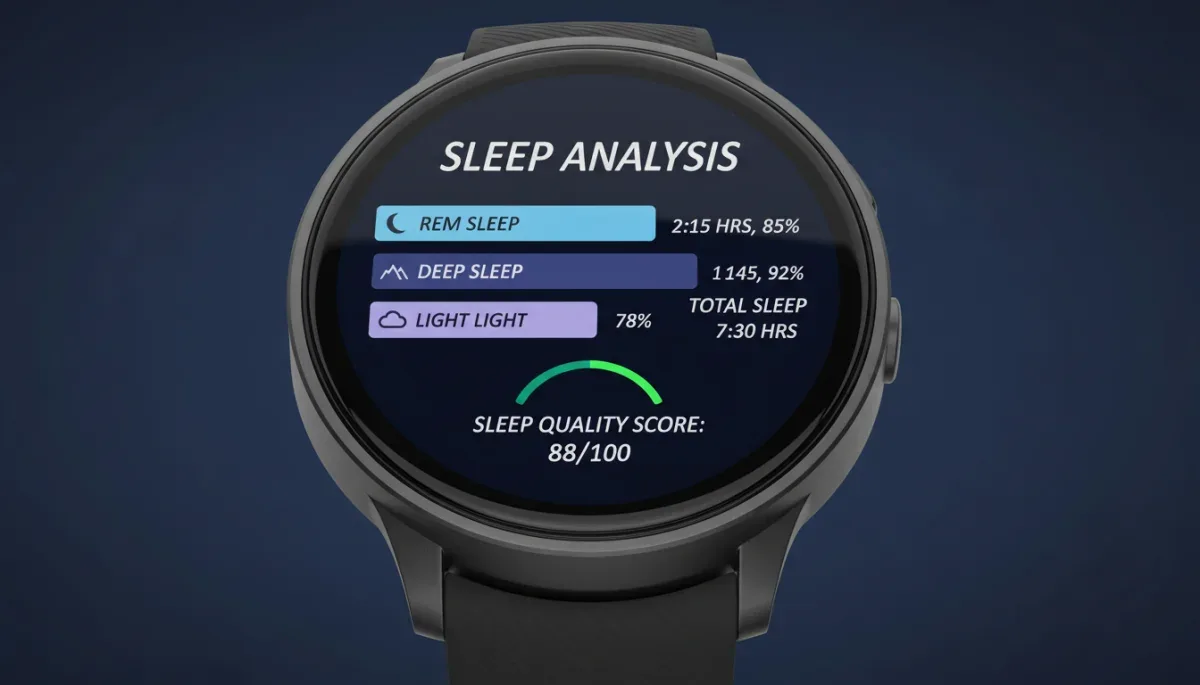
The best trackers provide not just raw data but also actionable recommendations. For instance, if a device detects a consistent lack of deep sleep, it might suggest adjusting bedtime routines, optimizing bedroom environment, or reducing evening screen time. This personalized feedback is invaluable for improving sleep hygiene and, consequently, daily energy levels and cognitive function.
Optimizing Recovery Through Data
- Recovery Scores: Many trackers now offer a daily 'readiness' or 'recovery' score, indicating how prepared your body is for strenuous activity based on sleep, HRV, and recent exertion.
- Guided Breathing and Mindfulness: Some devices integrate guided sessions to aid relaxation and improve sleep onset, leveraging biofeedback from heart rate sensors.
- Long-Term Sleep Trend Analysis: Identifying patterns over weeks and months can reveal underlying issues or highlight successful interventions in sleep habits.
Ultimately, a fitness tracker that excels in sleep and recovery monitoring becomes a powerful tool for preventing burnout, optimizing training schedules, and fostering a balanced lifestyle. It transforms sleep from a passive activity into an active component of your health strategy.
Accuracy and Reliability: The Cornerstone of Insight
The utility of any health insight derived from a fitness tracker is directly proportional to the accuracy and reliability of its underlying data. In 2026, consumers are increasingly discerning, demanding that their wearable devices provide medically validated or highly accurate measurements across all monitored metrics.
While no consumer-grade fitness tracker is a medical device, the gap in accuracy has significantly narrowed. Manufacturers are investing heavily in research and development to improve sensor technology and algorithmic precision. This includes better optical heart rate sensors that minimize motion artifacts, more sophisticated accelerometers for activity tracking, and refined algorithms for sleep stage detection.
Factors Influencing Accuracy
- Sensor Quality: High-grade optical sensors, often with multiple LEDs and photodiodes, offer more consistent heart rate and SpO2 readings.
- Algorithm Sophistication: The software that interprets raw sensor data is crucial. AI and machine learning play a vital role in filtering noise and identifying true physiological signals.
- Fit and Design: A snug, comfortable fit is essential for accurate readings, especially for wrist-based devices. Poor fit can lead to unreliable data.
When evaluating a fitness tracker, it's important to look for devices that have undergone independent validation or are transparent about their accuracy claims. User reviews, particularly those from individuals with similar physiological profiles or activity levels, can also provide valuable insights into real-world performance. A tracker that consistently provides unreliable data, no matter how many features it boasts, is ultimately of little value for genuine health insights.
User Experience and Ecosystem Integration
Beyond raw data and accuracy, the overall user experience and how seamlessly a fitness tracker integrates into a user's digital life are critical factors in its long-term utility. A device that is difficult to use or doesn't play well with other apps and platforms often ends up in a drawer, regardless of its advanced features.
In 2026, a premium fitness tracker offers an intuitive interface, both on the device itself and within its companion smartphone application. Data should be presented clearly, with easy-to-understand visualizations and actionable summaries. Customization options, allowing users to prioritize certain metrics or tailor notifications, also contribute significantly to a positive experience.
Seamless Integration for Holistic Health
- Smartphone App Interface: A well-designed app is paramount, offering clear dashboards, historical data, trend analysis, and personalized coaching.
- Third-Party App Compatibility: Integration with popular fitness, nutrition, and wellness apps (e.g., Apple Health, Google Fit, MyFitnessPal) enhances data utility.
- Smart Home Connectivity: Some advanced trackers can interact with smart home devices, such as adjusting thermostat settings based on sleep patterns or playing calming sounds for bedtime.
The ecosystem surrounding a fitness tracker is as important as the device itself. A strong ecosystem ensures that the data collected serves a broader purpose, contributing to a more holistic understanding of health and enabling users to connect their fitness journey with other aspects of their lives. This integration is what transforms a gadget into a truly indispensable health companion.
Privacy and Data Security in the Age of Wearables
As fitness trackers collect increasingly personal and sensitive health data, concerns about privacy and data security have rightly moved to the forefront. In 2026, choosing a device means trusting a company with your most intimate physiological information, making privacy policies and security measures paramount considerations.
Users need assurance that their data is not only protected from breaches but also used responsibly and transparently. This includes understanding who has access to their data, how it is stored, and whether it is shared with third parties for research, advertising, or other purposes. Reputable companies clearly outline these policies and provide users with control over their data.
Ensuring Data Protection
- Encryption Protocols: Data should be encrypted both in transit (from device to app) and at rest (on company servers).
- Transparent Privacy Policies: Companies should have clear, easy-to-understand policies regarding data collection, usage, and sharing.
- User Control: Users should have the ability to access, download, and delete their personal data, as well as manage permissions for data sharing.
The consequences of a data breach involving health information can be severe, ranging from identity theft to discrimination. Therefore, when making a fitness tracker comparison 2026, it is crucial to research the manufacturer's reputation for privacy and security. Opting for devices from companies with a strong track record and robust data protection measures is an investment not just in your health, but in your digital safety.
| Key Feature | Health Insight Provided |
|---|---|
| Advanced Heart Rate Variability | Assesses stress, recovery, and readiness for physical activity. |
| Detailed Sleep Stage Tracking | Identifies sleep quality issues and helps optimize rest cycles. |
| Blood Oxygen Saturation (SpO2) | Monitors respiratory health and potential sleep-related breathing issues. |
| Stress Detection & Management | Provides real-time stress indicators and offers coping mechanisms. |
Frequently Asked Questions About Fitness Trackers
What is the most important feature to consider when buying a fitness tracker in 2026?▼The most crucial feature is accuracy in health data collection. Without reliable data, even the most advanced insights are misleading. Prioritize devices with validated sensors for heart rate, sleep, and activity to ensure actionable and trustworthy information.
Can fitness trackers genuinely improve my overall health?▼Yes, by providing consistent data and insights, fitness trackers can empower users to make informed decisions about their activity, sleep, and stress. They foster self-awareness and accountability, which are key drivers for long-term health improvements when combined with appropriate lifestyle changes.
How do fitness trackers measure stress levels?▼Most fitness trackers estimate stress by analyzing heart rate variability (HRV), which reflects the balance of your autonomic nervous system. Lower HRV often correlates with higher stress. Some advanced devices also use electrodermal activity or skin temperature for a more comprehensive assessment.
Is subscription necessary for full functionality of a fitness tracker?▼While many core features are available without a subscription, some manufacturers offer premium subscriptions for advanced analytics, personalized coaching, or extensive historical data. It's important to check what features are locked behind a paywall before purchasing a device.
How important is battery life in a fitness tracker?▼Battery life is very important, especially for continuous health monitoring like sleep tracking. A device that requires daily charging can disrupt data collection and user convenience. Look for trackers that offer several days to a week or more of battery life on a single charge.
Conclusion
The journey of fitness tracker comparison 2026 reveals a sophisticated landscape where devices offer far more than basic activity logging. The best trackers are now powerful tools for personalized health management, providing deep insights into sleep, stress, recovery, and overall physiological well-being. By prioritizing accuracy, comprehensive metric tracking, seamless user experience, and robust data privacy, consumers can select a device that genuinely empowers them to achieve their health goals. The future of healthy living is increasingly intertwined with these intelligent wearables, making an informed choice more critical than ever.