Preventing Burnout in Healthcare: Self-Care for US Pros 2026
Advertisements

Preventing Burnout in Healthcare: 6 Essential Self-Care Practices for US Professionals in 2026 focuses on actionable strategies to combat the pervasive issue of professional exhaustion within the demanding healthcare sector.
The demanding nature of the healthcare profession in the United States often leads to chronic stress and, ultimately, burnout. Recognizing the critical need for sustainable well-being, preventing burnout in healthcare is paramount for US professionals in 2026. This article delves into six essential self-care practices designed to foster resilience, maintain mental health, and ensure a fulfilling career in this vital field.
Understanding the Landscape of Healthcare Burnout in 2026
The modern healthcare landscape in the US presents unique challenges, exacerbating the risk of burnout among its dedicated professionals. Factors such as staffing shortages, increased patient demands, administrative burdens, and the emotional toll of critical care contribute to an environment ripe for exhaustion. Understanding these systemic pressures is the first step toward implementing effective preventative measures.Burnout is not merely stress; it is a syndrome conceptualized as resulting from chronic workplace stress that has not been successfully managed. It is characterized by three dimensions: feelings of energy depletion or exhaustion; increased mental distance from one’s job, or feelings of negativism or cynicism related to one’s job; and reduced professional efficacy.
The Evolving Demands on US Healthcare Workers
The past few years have reshaped healthcare delivery, with technological advancements and evolving patient expectations adding layers of complexity. Healthcare professionals are now expected to be adept at navigating digital health records, telehealth platforms, and an ever-increasing volume of medical knowledge, all while maintaining a high standard of compassionate care.
- Technological Overload: Constant adaptation to new systems and digital tools.
- Increased Patient Acuity: Handling more complex cases with fewer resources.
- Moral Injury: Experiencing distress from being unable to provide optimal care due to systemic constraints.
- Work-Life Imbalance: Difficulty in separating professional responsibilities from personal life.
The cumulative effect of these demands can erode a professional’s sense of purpose and lead to severe physical and psychological consequences. Addressing burnout requires a multi-faceted approach that combines individual self-care with systemic organizational support.
Ultimately, recognizing the specific stressors faced by US healthcare professionals in 2026 allows for targeted interventions. Without a clear understanding of the root causes, efforts to prevent burnout will be less effective. This foundational knowledge empowers individuals and institutions to build more resilient healthcare ecosystems.
Prioritizing Sleep Hygiene for Optimal Function
Adequate sleep is not a luxury but a fundamental biological necessity, especially for healthcare professionals whose decisions directly impact lives. In 2026, with the relentless pace of medical advancements and patient care, prioritizing sleep hygiene is an indispensable practice for preventing burnout.
Chronic sleep deprivation impairs cognitive function, reduces empathy, and increases the risk of medical errors. For healthcare workers, irregular shifts and high-stress environments often disrupt natural sleep patterns, making intentional efforts toward better sleep even more crucial.
Establishing a Consistent Sleep Schedule
Even with varying shift work, establishing a consistent sleep-wake schedule on days off and attempting to maintain a similar pattern during workdays can significantly regulate the body’s circadian rhythm. This consistency helps the body anticipate sleep and wakefulness, improving sleep quality.
- Set a regular bedtime: Aim for the same time each night, even on weekends.
- Create a pre-sleep routine: Engage in calming activities like reading or a warm bath.
- Optimize your sleep environment: Ensure your bedroom is dark, quiet, and cool.
Avoiding caffeine and heavy meals close to bedtime, along with limiting screen time before sleep, are also vital components. The blue light emitted from electronic devices can suppress melatonin production, interfering with the natural sleep cycle.
Investing in blackout curtains, earplugs, or white noise machines can help create a conducive sleep environment, particularly for those working night shifts. High-quality sleep directly impacts mood, energy levels, and the ability to handle stress effectively throughout the workday. This practice forms a cornerstone of preventing burnout in healthcare.
Implementing Mindful Breaks and Stress Reduction Techniques
In the high-pressure environment of US healthcare, taking intentional mindful breaks and incorporating stress reduction techniques are critical for maintaining mental equilibrium and preventing burnout. These practices allow professionals to momentarily disengage from stressors, recharge, and return to their duties with renewed focus.
Mindfulness, the practice of being present and fully engaged in the current moment without judgment, can be cultivated through various simple exercises that require minimal time. Even a few minutes can make a significant difference in reducing acute stress.
Quick Mindfulness Exercises for Busy Schedules
Healthcare professionals often have limited time for breaks, making quick, effective mindfulness exercises invaluable. These can be performed discreetly and offer immediate benefits.
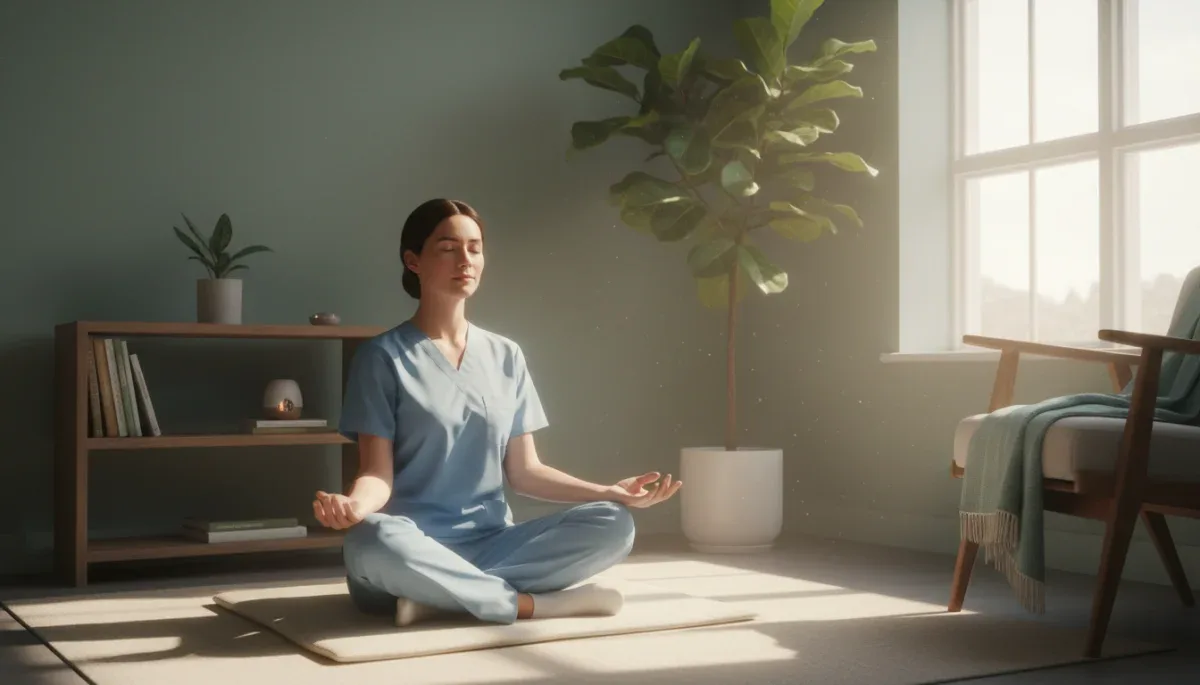
A simple breathing exercise, focusing on the sensation of each inhale and exhale for one to two minutes, can calm the nervous system. Progressive muscle relaxation, tensing and then relaxing different muscle groups, also helps release physical tension.
- Deep Breathing: Inhale slowly for four counts, hold for four, exhale for six. Repeat several times.
- Body Scan: Briefly check in with different parts of your body, noticing sensations without judgment.
- Sensory Awareness: Focus on one sense – the sound of rain, the feel of a warm cup – for a minute.
Beyond these immediate techniques, integrating longer stress-reduction practices like meditation or yoga into one's routine, even if only a few times a week, can build long-term resilience. Many apps and online resources offer guided meditations tailored for busy individuals.
Regularly stepping away from the clinical setting, even for a five-minute walk, can provide a necessary mental reset. These small, consistent efforts in mindful breaks and stress reduction are powerful tools in the arsenal against burnout, fostering a more sustainable and balanced professional life.
Cultivating Strong Peer Support Networks
The inherent emotional and intellectual demands of healthcare necessitate a robust support system. Cultivating strong peer support networks is a vital self-care practice for US professionals in 2026, offering a unique space for shared understanding, empathy, and collective resilience against burnout.
Working alongside colleagues who understand the specific challenges and triumphs of the profession can be incredibly validating. These networks provide a safe outlet for discussing difficult cases, processing emotional experiences, and offering practical advice.
Benefits of Peer Connection
Beyond emotional support, peer networks can facilitate professional development and knowledge sharing. They can be formal, through organized mentorship programs or support groups, or informal, through casual interactions with trusted colleagues.
- Emotional Venting: A safe space to express frustrations and anxieties without judgment.
- Shared Experiences: Realizing you are not alone in your struggles.
- Problem-Solving: Gaining new perspectives and solutions from colleagues.
- Professional Growth: Learning from peers and sharing best practices.
Leadership within healthcare institutions should actively encourage and facilitate the creation of such networks, perhaps by allocating time for team debriefs or establishing dedicated peer support programs. Recognizing the value of these connections is crucial for fostering a supportive work culture.
Engaging in regular, informal check-ins with colleagues can also strengthen these bonds. A quick coffee break, a shared meal, or even a brief conversation can help build camaraderie and provide essential moments of connection that combat feelings of isolation.
Ultimately, strong peer support networks act as a protective buffer against the isolating effects of burnout. They reinforce a sense of community and shared purpose, making the demanding journey of healthcare more manageable and sustainable for everyone involved.
Maintaining Physical Health Through Exercise and Nutrition
Physical well-being is intrinsically linked to mental resilience, making consistent exercise and balanced nutrition non-negotiable self-care practices for US healthcare professionals aiming to prevent burnout in 2026. The physical demands of the job, combined with irregular hours, often make these areas challenging but even more critical.
A healthy body provides a stronger foundation for a healthy mind. Regular physical activity reduces stress hormones, boosts mood-enhancing endorphins, and improves sleep quality. Similarly, proper nutrition fuels the body and brain, sustaining energy levels and cognitive function throughout long shifts.
Integrating Movement into a Busy Schedule
Finding time for exercise can be difficult, but even short bursts of activity can be beneficial. The key is consistency and finding activities that are enjoyable and sustainable.
- Short, frequent walks: Take advantage of breaks for a quick stroll.
- Home workouts: Utilize online resources for quick, effective routines.
- Stair climbing: Opt for stairs instead of elevators whenever possible.
- Stretching: Opt for stairs instead of elevators whenever possible.
- Active commuting: If feasible, bike or walk to work.
Beyond structured exercise, simply increasing daily movement can make a difference. Stretching during long shifts, standing instead of sitting when possible, and taking active breaks can contribute to overall physical health.
Regarding nutrition, planning meals and snacks in advance can prevent reliance on unhealthy, convenient options during busy periods. Prioritizing whole foods, lean proteins, fruits, and vegetables helps maintain stable blood sugar levels and consistent energy.
Hydration is equally important. Carrying a water bottle and consistently refilling it ensures optimal physical and cognitive performance. By consciously integrating exercise and nutrition into their routines, healthcare professionals can significantly bolster their defenses against burnout.
Setting Healthy Boundaries and Learning to Say No
One of the most powerful yet often overlooked self-care practices for preventing burnout in healthcare is the establishment of healthy boundaries and the crucial skill of saying no. For US professionals in 2026, the culture of self-sacrifice often makes this challenging, but it is essential for protecting personal well-being and professional longevity.
Boundaries define where one person ends and another begins, both physically and emotionally. In a demanding field like healthcare, where there's an inherent drive to help others, professionals can easily overextend themselves, leading to exhaustion and resentment.
Defining and Enforcing Personal Limits
Setting boundaries involves understanding your own limits and communicating them clearly and respectfully. This applies to workload, availability, and even emotional engagement.
- Workload Management: Learn to assess your capacity and decline additional tasks when overloaded.
- Time Off: Protect your days off and vacation time as sacred for rest and rejuvenation.
- Emotional Detachment: Practice leaving work at work, not carrying patient burdens home.
- Personal Life Protection: Ensure personal time is dedicated to family, friends, and hobbies.
Learning to say no is not a sign of weakness or lack of commitment; rather, it is an act of self-preservation. It allows professionals to allocate their energy more effectively, ensuring they can provide high-quality care when they are on duty.
This practice also involves advocating for reasonable expectations from management and fostering a work culture that respects personal time and capacity. When individuals within a team set healthy boundaries, it often encourages others to do the same, leading to a more balanced and sustainable work environment for everyone.
Ultimately, by mastering the art of setting healthy boundaries and confidently saying no, healthcare professionals can regain a sense of control over their lives and prevent the insidious creep of burnout, ensuring they remain passionate and effective in their roles.
Engaging in Hobbies and Activities Outside of Work
Beyond the clinical setting, engaging in hobbies and activities completely unrelated to work is a vital, often underestimated, self-care practice for US healthcare professionals in 2026. This deliberate detachment from professional responsibilities allows for mental restoration, fosters creativity, and reinforces a sense of personal identity outside the workplace, directly contributing to preventing burnout in healthcare.
Hobbies provide an essential outlet for stress, allowing the brain to switch gears and engage in activities purely for pleasure and personal fulfillment. This mental break is crucial for processing the emotional intensity often experienced in healthcare and preventing it from accumulating.
Finding Joy and Purpose Beyond the Profession
The type of hobby is less important than the act of engaging in something that brings joy and requires a different kind of focus than clinical work. This could range from creative pursuits to physical activities or learning new skills.
- Creative Arts: Painting, writing, playing a musical instrument, pottery.
- Outdoor Activities: Hiking, gardening, cycling, photography in nature.
- Learning New Skills: A new language, coding, cooking classes.
- Community Involvement: Volunteering for a non-healthcare cause.
These activities serve as a powerful reminder that identity extends beyond professional roles. They offer a sense of accomplishment and personal growth that is distinct from career achievements, providing a crucial balance to life.
Making time for these activities requires intentional scheduling and protection of personal time. It’s about recognizing that these pursuits are not frivolous but integral to sustained well-being and professional effectiveness.
By regularly stepping into these non-work-related roles, healthcare professionals can return to their demanding jobs with a refreshed perspective, reduced stress levels, and a stronger sense of self. This practice is a powerful antidote to the all-consuming nature of healthcare, ensuring a more balanced and resilient professional journey.
| Key Practice | Brief Description |
|---|---|
| Prioritize Sleep | Establish consistent sleep hygiene to enhance cognitive function and reduce stress. |
| Mindful Breaks | Integrate short stress-reduction techniques for immediate mental resets. |
| Peer Support | Cultivate strong networks for emotional processing and shared understanding. |
| Boundary Setting | Learn to say no and protect personal time to prevent overextension. |
Frequently Asked Questions About Preventing Burnout
What is the primary cause of burnout in healthcare professionals?▼The primary cause is chronic workplace stress that hasn't been effectively managed. This includes factors like heavy workloads, long hours, emotional demands, lack of control, and insufficient support, all contributing to physical and emotional exhaustion.
How can healthcare organizations support burnout prevention?▼Organizations can implement better staffing ratios, reduce administrative burdens, provide access to mental health services, foster a supportive culture, and offer flexible scheduling options to help alleviate stress and promote well-being among staff.
Is burnout different from stress?▼Yes, while stress can lead to burnout, they are distinct. Stress is characterized by over-engagement and hyperactivity, while burnout is marked by disengagement, exhaustion, cynicism, and reduced efficacy. Burnout is a chronic state resulting from unmanaged stress.
How long does it take to recover from burnout?▼Recovery time varies greatly depending on the severity and individual. It can range from several months to a year or more. It typically involves a combination of rest, self-care, professional support, and addressing the root causes of the burnout.
Can self-care truly prevent burnout in a demanding field?▼Absolutely. While systemic changes are crucial, consistent self-care practices build individual resilience, manage stress, and create a buffer against the demanding nature of healthcare. It empowers professionals to maintain their well-being and sustain their careers long-term.
Conclusion
Preventing burnout in healthcare is not merely a personal responsibility but a collective imperative for the sustainability and effectiveness of the US healthcare system in 2026. By diligently integrating essential self-care practices such as prioritizing sleep, implementing mindful breaks, cultivating strong peer support, maintaining physical health, setting healthy boundaries, and engaging in enriching hobbies, professionals can build formidable resilience. These strategies empower individuals to navigate the inherent challenges of their demanding roles, ensuring their continued well-being and ability to deliver compassionate, high-quality care. A proactive approach to self-care is the cornerstone of a thriving healthcare workforce.