Muscle Soreness Recovery: 5 Proven Strategies Post-Workout
Advertisements

Optimizing post-workout muscle recovery is crucial for reducing soreness and enhancing performance, with five scientifically backed strategies proven to minimize muscle discomfort by 25%.
Experiencing muscle soreness after an intense workout is a common occurrence, often referred to as Delayed Onset Muscle Soreness (DOMS). However, understanding and applying the science of recovery: 5 proven strategies to reduce muscle soreness by 25% post-workout can significantly improve your fitness journey. This article delves into effective, evidence-based methods to accelerate muscle repair and alleviate discomfort, helping you bounce back faster and stronger.
Understanding Delayed Onset Muscle Soreness (DOMS)
Before diving into recovery strategies, it's essential to grasp what DOMS truly is. DOMS is the pain and stiffness felt in muscles several hours to days after unaccustomed or strenuous exercise. It's not caused by lactic acid buildup, as commonly believed, but rather by microscopic tears in the muscle fibers and the subsequent inflammatory response.
This inflammatory process is a natural part of muscle adaptation and growth. While uncomfortable, it signifies that your muscles are rebuilding stronger. The severity and duration of DOMS can vary greatly depending on the type and intensity of exercise, as well as individual factors like training status and genetics. Eccentric exercises, which involve muscle lengthening under tension (like the lowering phase of a bicep curl), are particularly known for inducing DOMS.
The cellular response to exercise stress
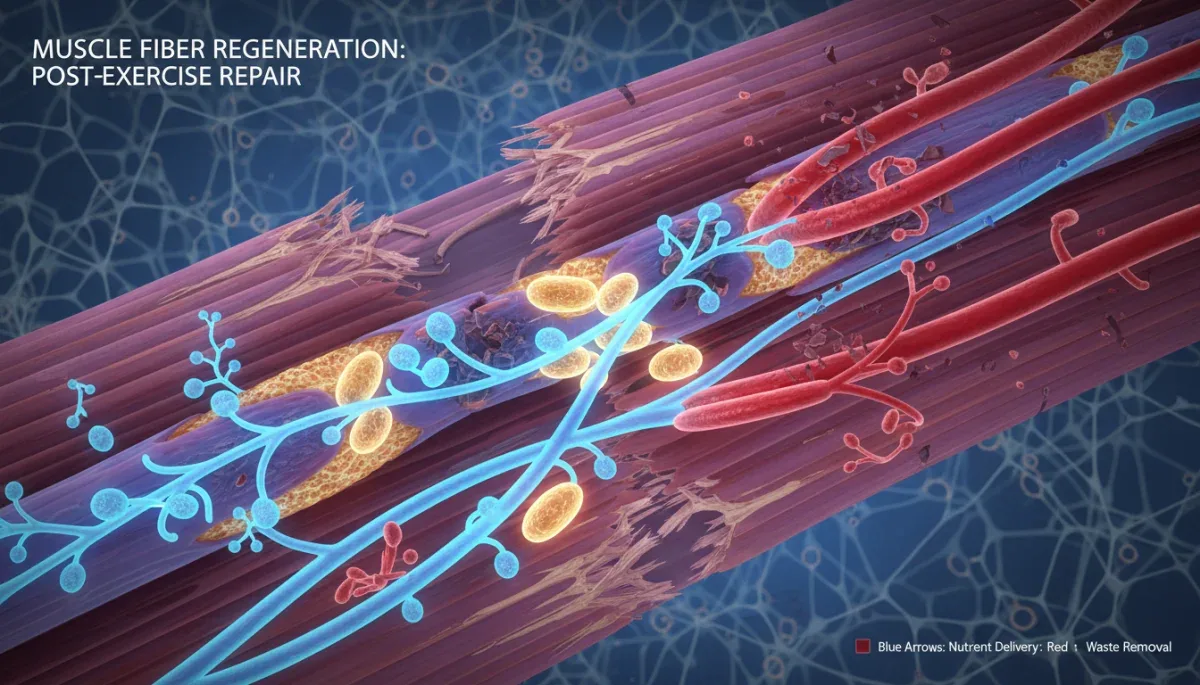
When muscles are subjected to novel or intense stress, tiny structural damages occur at the cellular level. These micro-tears trigger a cascade of events, including the release of inflammatory mediators and the infiltration of immune cells. This entire process, while uncomfortable, is crucial for muscle repair and hypertrophy (growth).
- Micro-trauma: Strenuous exercise, especially eccentric movements, causes microscopic damage to muscle fibers.
- Inflammation: The body's immune system responds by initiating an inflammatory process to clear damaged cells and begin repair.
- Repair and adaptation: Satellite cells are activated to repair and rebuild muscle fibers, leading to stronger, more resilient muscles.
Understanding this physiological response helps us appreciate why certain recovery methods are more effective than others. The goal isn't to stop the natural repair process, but to support it and alleviate its uncomfortable symptoms, allowing for consistent training and progress.
In summary, DOMS is a natural, albeit uncomfortable, byproduct of muscle adaptation to exercise. It involves microscopic muscle damage and an inflammatory repair process, which is essential for muscle growth and strengthening. Effective recovery strategies aim to support this process and minimize discomfort.
Strategy 1: Prioritizing Active Recovery and Movement
Active recovery, often overlooked, is a cornerstone of effective post-workout muscle recovery. Instead of complete rest, engaging in low-intensity activities can significantly help reduce muscle soreness. This approach promotes blood flow, which is vital for clearing metabolic waste products and delivering essential nutrients to damaged muscle tissues, accelerating the repair process.
Light cardio, such as walking, cycling at a slow pace, or swimming, can be highly beneficial. The key is to keep the intensity low enough to avoid further muscle damage or fatigue, but sufficient to stimulate circulation. Think of it as a gentle flush for your muscles, helping to remove the 'gunk' that contributes to soreness.
Benefits of gentle movement
The advantages of incorporating active recovery days into your routine extend beyond just soreness reduction. It also helps maintain flexibility, improves mood, and keeps you consistent with your fitness regimen without overtraining. It's a strategic way to stay active while allowing your body to heal.
- Increased blood flow: Delivers oxygen and nutrients, removes waste products.
- Reduced stiffness: Gentle movement helps maintain range of motion and prevents muscles from tightening up.
- Psychological benefits: Keeps you engaged in physical activity, promoting mental well-being.
Even a 15-20 minute walk on a rest day can make a noticeable difference in how your muscles feel the next day. It's about listening to your body and providing it with the support it needs to recover efficiently. This simple yet powerful strategy is a fundamental component of any comprehensive recovery plan.
Ultimately, active recovery through light movement is a highly effective method for reducing muscle soreness. By enhancing blood flow and maintaining muscle flexibility, it supports the body's natural healing processes without adding undue stress, making it an indispensable part of post-workout muscle recovery.
Strategy 2: Optimal Nutrition and Hydration for Muscle Repair
What you consume before and after your workout plays a critical role in reducing muscle soreness by 25% post-workout. Nutrition and hydration are not merely about fueling performance; they are fundamental pillars of effective recovery. The right nutrients provide the building blocks for muscle repair, while adequate hydration supports all physiological processes, including waste removal.
Protein, in particular, is paramount. After exercise, muscle protein synthesis is elevated, and consuming sufficient protein provides the amino acids needed to repair and rebuild damaged muscle fibers. Aim for high-quality protein sources like lean meats, fish, eggs, dairy, or plant-based alternatives.
The critical role of carbohydrates and electrolytes
While protein is crucial, don't overlook carbohydrates. They replenish glycogen stores, which are the primary energy source for muscles. Depleted glycogen can lead to prolonged fatigue and hinder recovery. Additionally, electrolytes lost through sweat need to be replaced to maintain fluid balance and nerve function.
- Protein intake: Essential for muscle repair and growth; consume within 30-60 minutes post-workout.
- Carbohydrate replenishment: Restores muscle glycogen, crucial for energy and preventing fatigue.
- Hydration: Water and electrolytes support nutrient transport, waste removal, and overall cellular function.
Timing your nutrient intake is also important. Consuming a combination of protein and carbohydrates shortly after your workout can kickstart the recovery process. This 'anabolic window' is when your muscles are most receptive to nutrient uptake, maximizing their repair potential.
In conclusion, optimal nutrition and hydration are non-negotiable for effective post-workout muscle recovery. By providing your body with the necessary protein, carbohydrates, and fluids, you empower your muscles to repair and adapt more efficiently, leading to reduced soreness and improved performance.
Strategy 3: The Power of Targeted Massage and Foam Rolling
Targeted massage and foam rolling have emerged as popular and effective tools for reducing muscle soreness by 25% post-workout. These techniques work by applying pressure to specific muscle groups, which can help improve blood circulation, reduce muscle stiffness, and break up adhesions in the fascia, the connective tissue surrounding muscles.
Foam rolling, a form of self-myofascial release, allows you to target trigger points and tight areas. By rolling slowly over sore spots, you can apply sustained pressure, which helps to release tension and improve tissue elasticity. While it can be uncomfortable at first, consistent use can lead to significant reductions in DOMS.
Professional massage vs. self-myofascial release
Both professional massages and self-myofascial release (SMR) techniques like foam rolling offer distinct benefits. Professional massages can provide deeper tissue work and address areas difficult to reach on your own, while SMR offers a convenient and cost-effective way to manage daily muscle tension.
- Foam rolling: Improves flexibility, reduces muscle stiffness, and targets trigger points.
- Massage therapy: Enhances circulation, reduces inflammation, and promotes relaxation.
- Consistency: Regular application of either method yields better results in soreness reduction.
Incorporating 10-15 minutes of foam rolling into your cool-down routine or on rest days can make a substantial difference. Focus on the muscle groups you worked during your workout, and remember to breathe deeply to help your muscles relax. This strategy directly addresses muscle tightness and promotes faster recovery.
To summarize, targeted massage and foam rolling are highly effective for mitigating muscle soreness by increasing blood flow, reducing stiffness, and releasing muscle tension. Integrating these techniques into your recovery regimen is a proactive step towards more comfortable and efficient post-workout muscle recovery.
Strategy 4: The Importance of Quality Sleep for Regeneration
Sleep is arguably the most underrated yet critical component of post-workout muscle recovery. During sleep, your body enters a prime state for repair and regeneration. This is when growth hormone is released, which plays a vital role in muscle repair and growth, and inflammatory processes are regulated. Depriving your body of adequate sleep can severely hinder its ability to recover from exercise.
Aim for 7-9 hours of quality sleep per night. This isn't just about the duration, but also the quality. Establishing a consistent sleep schedule, creating a dark and cool sleep environment, and avoiding screens before bed can all contribute to more restorative sleep.
Hormonal regulation and muscle repair during sleep
While you sleep, your body is hard at work. Growth hormone, crucial for muscle repair, protein synthesis, and fat metabolism, is secreted in pulsatile fashion, primarily during deep sleep stages. Insufficient sleep disrupts this delicate hormonal balance, impacting recovery.
- Growth hormone release: Essential for muscle repair, tissue growth, and fat metabolism.
- Reduced inflammation: Sleep helps regulate inflammatory cytokines, reducing overall body inflammation.
- Cognitive restoration: Improves mental clarity and focus for subsequent workouts.
Chronic sleep deprivation not only prolongs muscle soreness but can also impair athletic performance, increase injury risk, and negatively impact mood and cognitive function. Prioritizing sleep is not a luxury; it's a fundamental requirement for anyone serious about their fitness and well-being.
In essence, quality sleep is indispensable for optimal post-workout muscle recovery. It facilitates hormonal regulation, muscle repair, and inflammation reduction, allowing your body to regenerate effectively and prepare for future physical demands.
Strategy 5: Cold and Heat Therapies for Soreness Management
The strategic application of cold and heat therapies can be highly effective in reducing muscle soreness by 25% post-workout. Each therapy offers distinct benefits that contribute to faster recovery and reduced discomfort. Understanding when and how to use them is key to maximizing their impact.
Cold therapy, such as ice baths or cold showers, is often recommended immediately after intense exercise. The cold constricts blood vessels, which helps reduce inflammation and swelling in damaged muscle tissue. Upon warming, blood flow increases, flushing out metabolic byproducts.
Alternating temperatures for enhanced recovery
While cold therapy is beneficial for acute inflammation, heat therapy, like warm baths or saunas, can be useful for chronic muscle tightness and promoting relaxation. Some athletes also utilize contrast therapy, alternating between hot and cold, to create a 'pumping' action that enhances circulation.
- Cold therapy: Reduces inflammation and swelling, ideal immediately post-exercise.
- Heat therapy: Promotes muscle relaxation, improves blood flow to aid recovery later.
- Contrast therapy: May enhance circulation and reduce perceived soreness through a 'vasodilation-vasoconstriction' effect.
When using cold therapy, limit exposure to 10-15 minutes to avoid adverse effects. For heat therapy, ensure the temperature is comfortable and safe. Always listen to your body and consult with a healthcare professional if you have any underlying conditions.
To conclude, both cold and heat therapies are valuable tools in managing post-workout muscle recovery. Cold helps to mitigate immediate inflammation, while heat promotes relaxation and circulation. Used judiciously, these therapies can significantly contribute to reduced muscle soreness and faster return to training.
Integrating Strategies for Comprehensive Recovery
Achieving a 25% reduction in post-workout muscle soreness isn't about applying just one strategy, but rather integrating all five into a comprehensive recovery plan. Each method complements the others, creating a synergistic effect that accelerates healing and enhances overall physical well-being. A holistic approach considers the interconnectedness of nutrition, movement, rest, and targeted therapies.
Consistency is paramount. Sporadic application of these strategies will yield inconsistent results. Make recovery a non-negotiable part of your training regimen, just as important as the workout itself. This means planning your meals, scheduling active recovery days, prioritizing sleep, and incorporating self-care practices like foam rolling regularly.
Designing your personalized recovery plan
Your ideal recovery plan might look different from someone else's, as individual needs vary based on training intensity, body composition, and lifestyle. Experiment with different strategies to see what works best for you. Keep a log of your workouts and recovery methods, noting how your body responds.
- Consistency: Regular application of recovery strategies is key for sustained benefits.
- Personalization: Tailor your recovery plan to your individual training demands and body's response.
- Holistic view: Combine nutrition, hydration, active recovery, sleep, and targeted therapies for best results.
Remember that recovery is an ongoing process, not a one-time event. By consistently implementing these scientifically-backed strategies, you not only reduce muscle soreness but also optimize your performance, minimize injury risk, and ensure long-term sustainability in your fitness journey. Embrace recovery as an integral part of your athletic development.
In summary, a comprehensive and consistent approach to integrating active recovery, optimal nutrition, targeted therapies, and quality sleep is crucial for significant post-workout muscle recovery. This integrated strategy supports your body's healing processes, leading to reduced soreness and improved athletic performance.
| Key Recovery Strategy | Brief Description |
|---|---|
| Active Recovery | Low-intensity movement to increase blood flow and reduce stiffness. |
| Optimal Nutrition | Consume protein, carbs, and hydrate to fuel muscle repair and replenishment. |
| Targeted Massage | Foam rolling and massage to improve circulation and release muscle tension. |
| Quality Sleep | Essential for hormonal regulation, muscle repair, and overall regeneration. |
Frequently Asked Questions About Muscle Recovery
How quickly can I expect to see results from these recovery strategies?▼While individual results vary, consistent application of these strategies can lead to noticeable reductions in muscle soreness within a few weeks. Immediate benefits like reduced stiffness and improved energy may be felt after just one or two recovery sessions, especially with active recovery and proper nutrition.
Is an ice bath truly necessary for muscle soreness reduction?▼Ice baths can be beneficial for reducing acute inflammation and perceived soreness immediately post-workout. While not strictly 'necessary' for everyone, they are a powerful tool for athletes engaging in very intense training. Alternative cold therapies like cold showers can offer similar, albeit less intense, benefits.
Can supplements help with post-workout muscle recovery?▼Certain supplements, such as branched-chain amino acids (BCAAs), creatine, and omega-3 fatty acids, may support muscle recovery and reduce soreness for some individuals. However, they should complement a solid foundation of whole foods, hydration, and proper rest, not replace them. Consult a professional before starting any new supplement.
How often should I incorporate active recovery days into my routine?▼The frequency of active recovery days depends on your overall training volume and intensity. For most individuals, including 1-2 active recovery days per week, especially after intense training sessions, is a good starting point. Listen to your body and adjust as needed to prevent overtraining and promote healing.
What is the most critical factor for reducing muscle soreness?▼While all strategies are important, consistent quality sleep and optimal nutrition are often considered the most critical foundational factors. Without adequate rest and proper fuel, the body's ability to repair and rebuild is severely compromised, making other recovery methods less effective in the long run.
Conclusion
Mastering the science of recovery: 5 proven strategies to reduce muscle soreness by 25% post-workout is not just about alleviating discomfort; it's about optimizing your entire fitness journey. By embracing active recovery, prioritizing optimal nutrition and hydration, utilizing targeted massage and foam rolling, ensuring quality sleep, and intelligently applying cold and heat therapies, you empower your body to heal faster and perform better. Consistency and a personalized approach to these strategies are key to unlocking sustained reductions in soreness and achieving your fitness goals with greater efficiency and enjoyment.