Navigating Food Label Changes: Healthier American Choices 2026
Advertisements
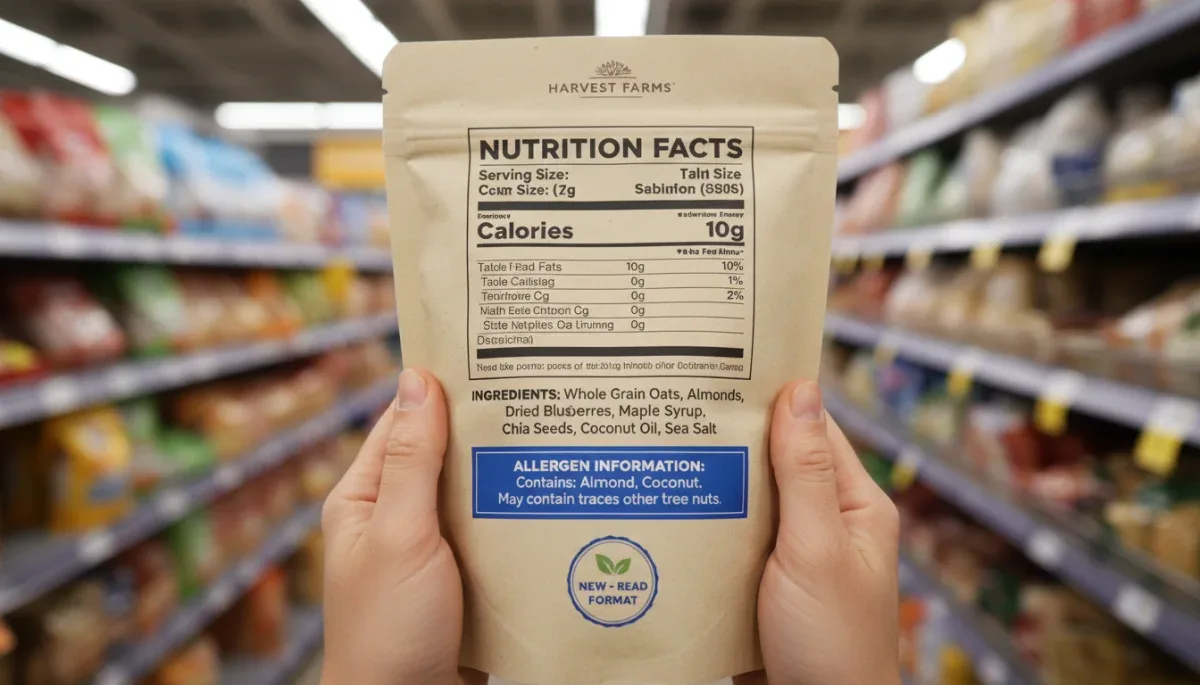
The upcoming 2026 food label changes in the United States aim to provide clearer nutritional information, enabling consumers to make more informed and healthier dietary decisions for themselves and their families.
As we approach 2026, significant transformations are set to redefine how Americans interact with the food they consume. The impending food label changes are not merely cosmetic adjustments; they represent a pivotal shift towards empowering consumers with clearer, more actionable nutritional information. This comprehensive guide will equip you with the knowledge needed to confidently navigate these updates, ensuring you can make healthier choices for yourself and your family.
Understanding the Impetus for Change
The journey towards updated food labels has been a long one, driven by evolving dietary science and a growing public health crisis related to diet-related diseases. For years, consumer advocates and health organizations have pushed for labels that are easier to understand and more reflective of current nutritional recommendations. These changes are designed to bridge the gap between scientific understanding and everyday food choices.
The primary goal is to empower individuals to make more informed decisions by providing critical information in a more prominent and digestible format. This includes addressing issues like misleading serving sizes, hidden sugars, and unclear allergen declarations. The government's initiative aims to foster a healthier population by making nutritional transparency a priority.
Ultimately, these updates reflect a commitment to public health. By standardizing and clarifying nutritional data, regulators hope to curb rising rates of obesity, diabetes, and heart disease, which are often linked to dietary habits. The changes are a proactive step towards a future where healthy eating is not just a choice, but an easily accessible and understandable one.
Key Revisions to Look For on New Labels
The 2026 food label changes introduce several crucial revisions that consumers should be aware of. These updates are designed to make vital nutritional information more prominent and easier to interpret at a glance, moving beyond the often-confusing formats of the past.
Enhanced Serving Size and Calorie Information
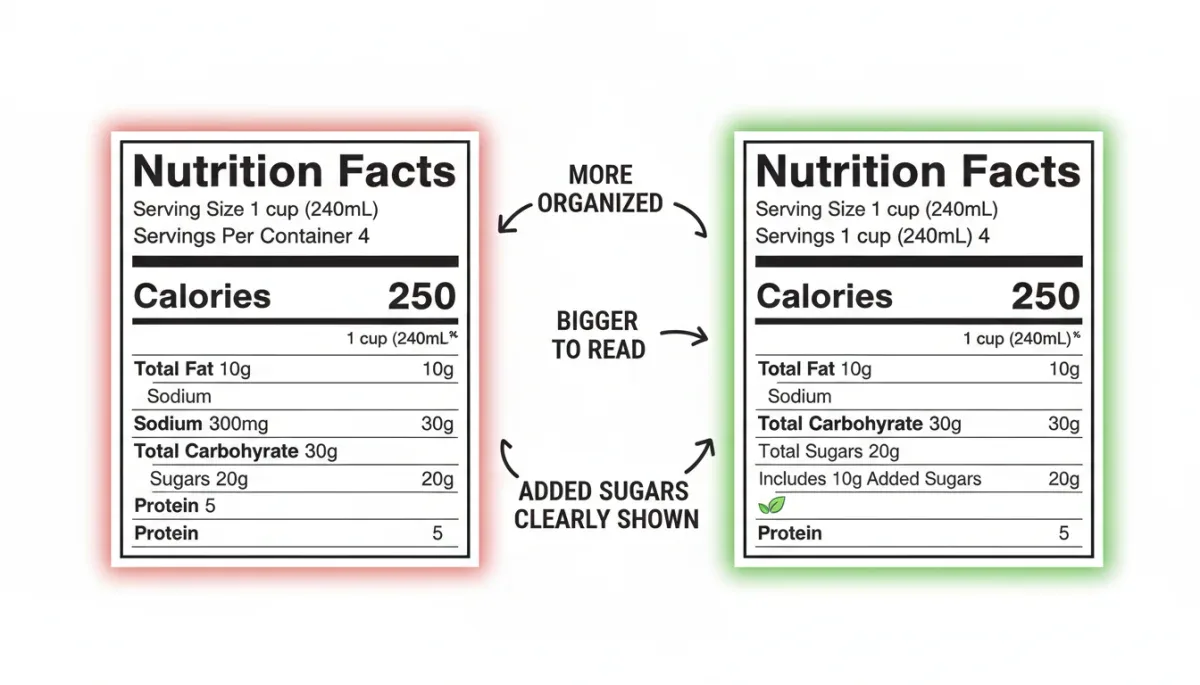
One of the most significant changes involves how serving sizes are presented. They will now more accurately reflect what people typically eat, rather than what they 'should' eat. This adjustment aims to reduce confusion and provide a more realistic picture of caloric and nutrient intake.
- Serving sizes will be updated to reflect current consumption habits.
- Calories will be displayed in a larger, bolder font.
- Packages with multiple servings but likely consumed in one sitting will have dual column labels.
This means that for a single-serving container that technically holds two servings, you'll see both the per-serving and per-package nutritional data, removing any guesswork about total intake.
Prominent "Added Sugars" Declaration
Perhaps one of the most impactful changes for public health is the new "Added Sugars" line item. This will differentiate naturally occurring sugars from those added during processing, a crucial distinction for managing sugar intake and preventing related health issues.
Understanding the difference between natural and added sugars is vital for managing blood sugar levels and overall health. Many processed foods contain significant amounts of added sugars that contribute to empty calories without providing substantial nutritional value. This new label element will make it much harder for manufacturers to obscure this information.
Impact on Specific Nutrients and Ingredients
The forthcoming food label revisions will also bring significant changes to how specific nutrients and ingredients are presented. These adjustments are rooted in current scientific understanding of diet and health, aiming to guide consumers toward more beneficial food choices.
Certain nutrients that Americans often consume in insufficient amounts, such as Vitamin D and potassium, will now be mandatory on the label. Conversely, some nutrients that are typically over-consumed, like Vitamin A and Vitamin C, will become voluntary, reflecting their general sufficiency in the average American diet.
The goal is to highlight nutrients that are critical for public health, encouraging consumers to seek out foods rich in these components while also being mindful of those that need to be limited.

Dietary Fiber and Fat Content Clarification
The definition of dietary fiber has been updated to include only those fibers that have a physiological benefit to human health. This ensures that only truly beneficial fibers are counted towards the daily value, providing a more accurate representation of a food's health contribution.
- New definition for dietary fiber focuses on physiological benefits.
- Total fat, saturated fat, and trans fat will continue to be listed.
- The % Daily Value for total fat will remain, but the emphasis shifts to healthy fat sources.
Furthermore, while total fat, saturated fat, and trans fat remain important, the new labels implicitly encourage consumers to consider the *type* of fat, moving beyond just quantity. This subtle shift aligns with broader dietary advice emphasizing healthy fats found in nuts, seeds, and avocados.
These detailed changes ensure that the nutritional information provided is not only easier to read but also more scientifically sound and relevant to modern health guidelines. Consumers will be better equipped to distinguish between beneficial and less beneficial ingredients, leading to more conscious eating habits.
How to Effectively Read and Utilize the New Labels
With the new food labels rolling out by 2026, mastering their interpretation will be a key skill for maintaining a healthy diet. The updated format is designed for clarity, but knowing what to look for and how to apply the information can make a significant difference in your daily choices.
Start by focusing on the bolded calorie count and the new, realistic serving sizes. These two pieces of information provide an immediate snapshot of the energy content you're consuming. Pay close attention to the "Added Sugars" line, as this can be a major indicator of processed food quality.
Prioritizing Key Information
When quickly scanning a label, prioritize the following:
- Serving Size: Understand how much you are actually consuming per serving.
- Calories: Note the calorie count per serving and per package (if dual column).
- Added Sugars: Minimize foods with high amounts of added sugars.
- Sodium: Keep an eye on sodium levels, especially for processed foods.
- Fiber, Vitamin D, and Potassium: Look for foods rich in these essential nutrients.
Beyond these immediate highlights, take time to review the ingredient list. Ingredients are listed in descending order by weight, so the first few items make up the bulk of the product. This can reveal hidden preservatives, artificial colors, or excessive amounts of less desirable ingredients.
Challenges and Opportunities for Consumers
While the upcoming food label changes present a significant step forward for public health, they also come with their own set of challenges and opportunities for American consumers. Adapting to new information formats can take time, but the long-term benefits are substantial.
One of the primary challenges will be the initial adjustment period. Consumers are accustomed to the old label format, and the new design, despite its improvements, will require a learning curve. There might be some confusion regarding the updated serving sizes or the distinction between natural and added sugars at first. Educational campaigns from public health organizations and government agencies will be crucial to facilitate this transition.
Empowering Informed Choices
However, these challenges are overshadowed by the immense opportunities. The clearer labels empower consumers to:
- Identify healthier alternatives: Easily compare products and choose options lower in added sugars, sodium, and unhealthy fats.
- Manage dietary restrictions: Better track intake of specific nutrients vital for managing conditions like diabetes or heart disease.
- Educate children: Use the simplified labels as a tool to teach younger generations about healthy eating habits.
The opportunity to make more informed choices on a daily basis can collectively lead to improved public health outcomes, reduced healthcare costs, and a greater overall understanding of nutrition. The changes aim to make healthy eating less of a mystery and more of an accessible reality.
Industry Adaptation and Future Implications
The mandate for new food labels by 2026 isn't just about consumers; it also profoundly impacts the food industry. Manufacturers, both large and small, are undertaking significant efforts to reformulate products, redesign packaging, and update their labeling processes to comply with the new regulations.
This adaptation phase presents both challenges and opportunities for food companies. Many are investing in research and development to create healthier versions of their existing products to present a more favorable nutritional profile on the new labels. This push towards healthier formulations could lead to a broader range of nutritious options available to consumers.
Driving Innovation and Transparency
The regulatory changes are serving as a catalyst for innovation. Companies are exploring new ingredients, reducing added sugars and sodium, and enhancing the nutritional content of their offerings. This competitive drive for better nutritional scores on labels can ultimately benefit consumers by:
- Promoting product reformulation: Encouraging manufacturers to create healthier recipes.
- Increasing transparency: Forcing companies to be more upfront about their product's nutritional content.
- Fostering consumer trust: Building stronger relationships with consumers through honest labeling.
Looking ahead, these changes may pave the way for even more sophisticated labeling systems, perhaps incorporating QR codes for detailed ingredient tracking or personalized dietary recommendations. The 2026 updates are a foundational step towards a more transparent and health-conscious food ecosystem in the United States.
Preparing for the 2026 Food Label Transition
As the 2026 deadline for new food labels approaches, proactive preparation can ensure a smooth transition for consumers. Understanding what to expect and how to adjust your shopping habits will empower you to continue making healthy and informed choices.
Start by familiarizing yourself with the core changes, particularly the emphasis on serving sizes, calories, and added sugars. Look for educational resources from health organizations, government bodies like the FDA, and reputable nutrition experts who will be providing guidance on interpreting the new labels. Bookmark reliable websites and follow trusted social media accounts that offer insights into these updates.
Practical Steps for Consumers
Here are some actionable steps you can take:
- Educate yourself: Read articles and watch videos explaining the new label format.
- Practice label reading: Even before 2026, start consciously reading current labels to build the habit.
- Focus on whole foods: Reduce reliance on packaged foods, which naturally simplifies label reading.
- Engage with resources: Utilize apps and online tools designed to help interpret nutritional information.
Don't be afraid to experiment with new brands or products that clearly embrace the spirit of the new regulations by offering healthier options. The transition period is an excellent opportunity to reassess your dietary habits and make positive changes that align with your health goals. By staying informed and adapting your approach, you can fully leverage the benefits of these significant food label enhancements.
| Key Change | Impact on Consumers |
|---|---|
| Updated Serving Sizes | More realistic portions, reducing confusion about actual intake. |
| Bolder Calorie Count | Easier to spot and track calorie intake for weight management. |
| "Added Sugars" Line | Clear distinction from natural sugars, aiding in healthier choices. |
| Mandatory Vitamin D & Potassium | Highlights key nutrients often lacking in American diets. |
Frequently Asked Questions About New Food Labels
What is the main goal of the 2026 food label changes?▼The primary goal is to make nutritional information clearer and more accessible for American consumers. This empowers individuals to make more informed and healthier food choices, addressing public health concerns related to diet-related diseases.
How will serving sizes be different on the new labels?▼Serving sizes will be updated to reflect what people typically consume, rather than recommended portions. For multi-serving packages often eaten at once, labels will feature dual columns showing both per-serving and per-package nutritional values.
Why is "Added Sugars" now a separate line item?▼The new "Added Sugars" line item differentiates sugars naturally present in food from those added during processing. This helps consumers identify and limit their intake of less healthy sugars, which is crucial for managing various health conditions.
Which nutrients will be mandatory on the new labels?▼Vitamin D and potassium will become mandatory on the new labels. This change highlights nutrients that many Americans often do not consume enough of, encouraging consumers to choose foods rich in these essential vitamins and minerals for better health.
How can consumers best prepare for these changes?▼Consumers can prepare by familiarizing themselves with the core updates, such as serving sizes and added sugars. Seeking educational resources from health organizations and practicing conscious label reading on current products will also aid in a smooth transition.
Conclusion
The forthcoming food label changes in 2026 represent a monumental step towards a more transparent and health-conscious food environment in the United States. By providing clearer, more accurate, and easier-to-understand nutritional information, these labels will empower Americans to make informed dietary decisions that support their well-being. While an initial adjustment period is expected, the long-term benefits of these updates—from managing chronic diseases to fostering healthier eating habits—are poised to transform public health. Embracing these changes and actively utilizing the new information will be crucial for every consumer navigating the grocery aisles in the years to come.