Preventing Workout Injuries: Essential Stretches for 2026
Advertisements
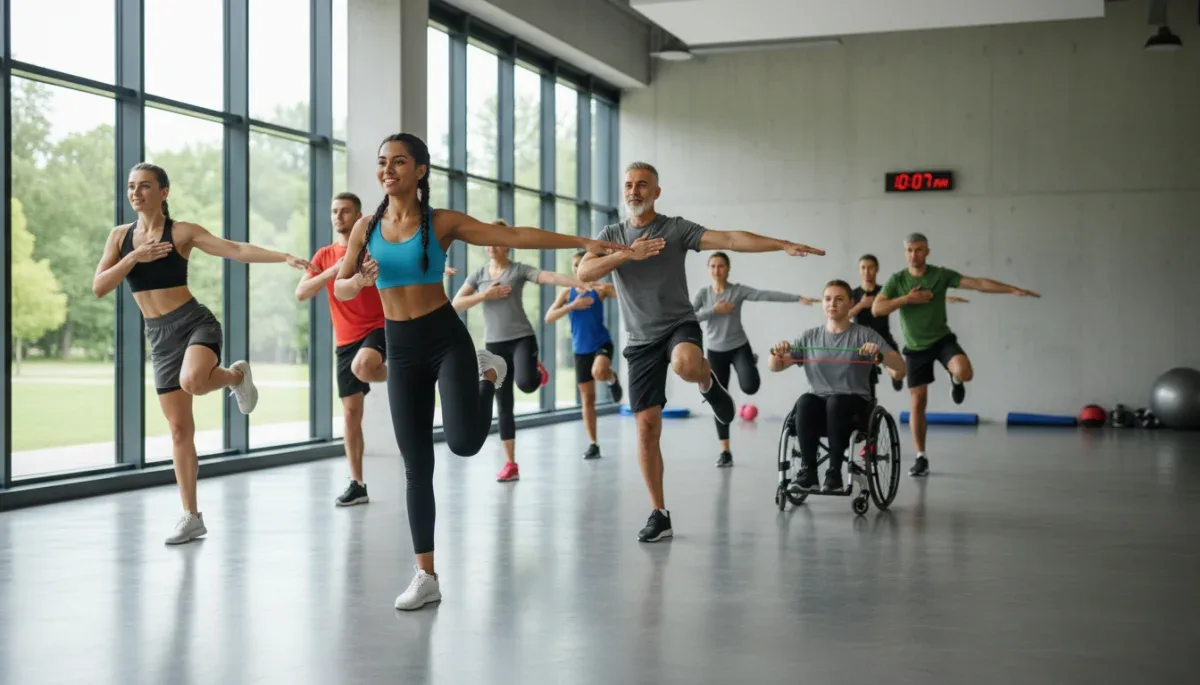
To effectively prevent common workout injuries, integrating essential pre- and post-exercise stretches into your routine is crucial for maintaining flexibility, improving blood flow, and preparing muscles for activity, ensuring a safer and more productive fitness journey.
Embarking on a fitness journey or maintaining an active lifestyle requires more than just dedication to your workouts; it demands a proactive approach to safety. Understanding how to prevent common workout injuries is paramount for sustained progress and overall well-being. This guide delves into workout injury prevention, focusing on the seven essential pre- and post-exercise stretches vital for 2026.
The Importance of Pre-Workout Preparation
Before diving into any strenuous activity, preparing your body is non-negotiable. A proper warm-up, including dynamic stretches, elevates your core body temperature, increases blood flow to the muscles, and improves joint mobility. This preparation is crucial for reducing muscle stiffness and enhancing your range of motion, significantly lowering the risk of injury during your main workout.
Neglecting a warm-up can leave your muscles cold and less pliable, making them more susceptible to strains, pulls, and tears. Think of your muscles like a rubber band; a cold rubber band is more likely to snap when stretched suddenly, whereas a warm one will stretch much further without breaking.
Dynamic Stretching: Your Best Pre-Workout Friend
Dynamic stretches involve movement and gradually increase your heart rate and muscle temperature. Unlike static stretches, where you hold a position for an extended period, dynamic stretches mimic the movements you'll perform during your workout, preparing your body in a functional way.
- Arm Circles: Gradually increase the size of circles to warm up shoulders and upper back.
- Leg Swings: Forward and backward swings to improve hip flexibility and warm up hamstrings and quads.
- Torso Twists: Gentle rotations to engage core muscles and improve spinal mobility.
- Walking Lunges: Activates leg muscles and prepares hips for deeper movements.
Incorporating these movements for 5-10 minutes before your main exercise routine can dramatically enhance performance and provide a robust defense against potential injuries.
Unlocking Flexibility: Essential Pre-Exercise Stretches
Beyond general dynamic warm-ups, specific stretches target key muscle groups that are frequently engaged and prone to injury. These stretches are designed to prepare your body for the specific demands of your workout, ensuring optimal muscle function and joint health.
Focusing on areas like the hamstrings, quadriceps, hip flexors, and shoulders can make a significant difference. These muscle groups are often involved in a wide range of exercises, from running and jumping to lifting weights, making their proper preparation essential.
Stretch 1: Hamstring Sweeps
Hamstring sweeps are excellent for dynamically stretching the back of your thighs. Stand with one leg slightly forward, heel on the ground, and toes pointed up. Bend your back knee slightly, keep your back straight, and sweep your hands towards your toes, feeling a stretch in your hamstring. Repeat 10-12 times per leg. This helps improve flexibility and reduce tightness that can lead to lower back pain or hamstring strains.
Regularly performing hamstring sweeps can also contribute to better posture and more efficient movement patterns during your workout. 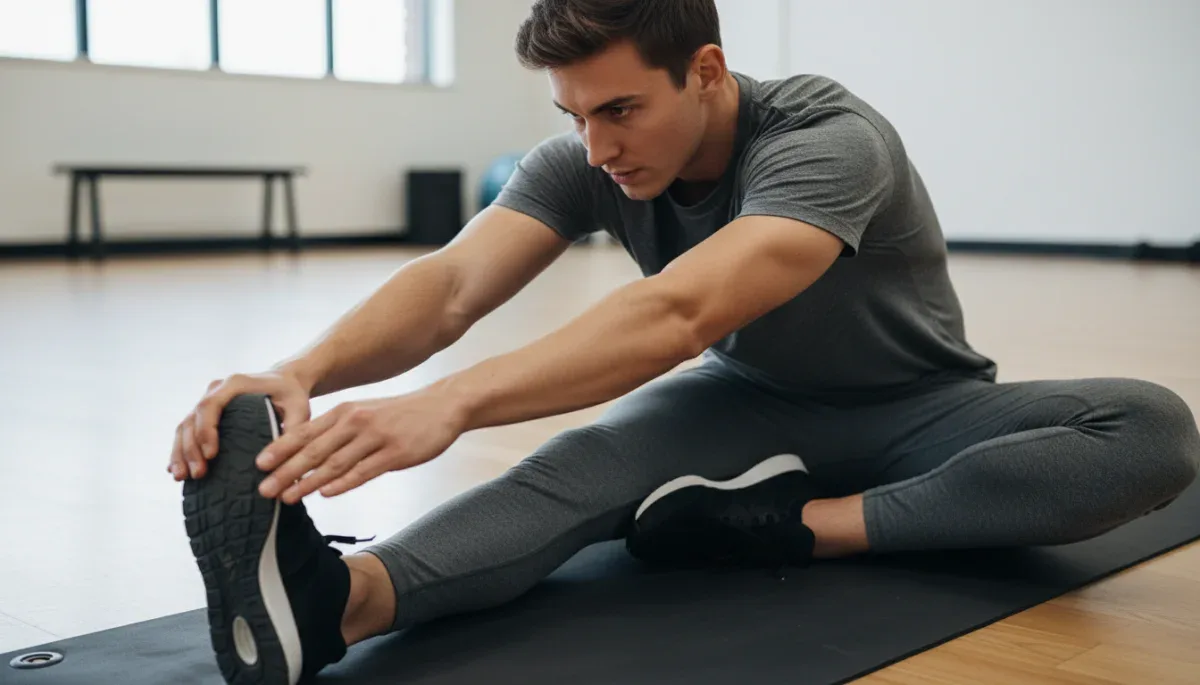
Stretch 2: Quad Pulls
Standing tall, grab your right ankle with your right hand and gently pull your heel towards your glute. Keep your knees together and feel the stretch in the front of your thigh. Hold for a few seconds, then release. Repeat 8-10 times per leg. This dynamic stretch warms up the quadriceps, which are crucial for walking, running, and jumping, reducing the risk of quad strains.
Post-Workout Recovery: The Power of Static Stretching
Once your workout is complete, the focus shifts from preparation to recovery. Static stretching, where you hold a stretch for 20-30 seconds, is most effective post-exercise. This helps to lengthen muscles that have contracted during your workout, promoting flexibility, reducing muscle soreness (DOMS), and aiding in the removal of metabolic waste products.
Post-workout stretching signals to your body that the intense activity is over, helping it transition into a recovery state. This phase is just as important as the workout itself, as it allows your muscles to repair and grow stronger, ready for the next session.
Stretch 3: Pectoral Stretch in a Doorway
Stand in a doorway with your forearms on the doorframe, elbows bent at 90 degrees. Step forward gently until you feel a stretch across your chest. Hold for 20-30 seconds. This stretch is crucial for counteracting the effects of exercises that round the shoulders, such as push-ups or bench presses, improving posture and opening up the chest.
- Benefits: Improves posture, reduces shoulder tension, increases chest flexibility.
- Technique Tip: Keep your shoulders relaxed and avoid shrugging them towards your ears.
A tight chest can restrict movement and contribute to upper back pain, so this stretch is particularly beneficial for desk workers and those who engage in upper body strength training.
Targeting Key Areas: More Essential Stretches
To provide comprehensive protection against injuries, it's vital to address all major muscle groups. This section introduces additional stretches that target areas commonly affected by physical activity, ensuring a balanced approach to flexibility and injury prevention.
A well-rounded stretching routine considers not only the primary movers but also the supporting muscles and joints. Neglecting any area can create imbalances, leading to compensatory movements and increased injury risk.
Stretch 4: Triceps Stretch
Raise one arm overhead, bend the elbow, and let your hand drop behind your head. Use your other hand to gently push down on the elbow, feeling a stretch in your triceps. Hold for 20-30 seconds per arm. This stretch is excellent for improving arm extension and reducing stiffness in the back of the upper arm, especially after exercises like overhead presses or triceps dips.
Stretch 5: Figure-Four Stretch (Glutes)
Lie on your back with knees bent and feet flat. Cross one ankle over the opposite knee. Gently pull the bottom knee towards your chest until you feel a stretch in your glute and outer hip. Hold for 20-30 seconds per side. This stretch is highly effective for relieving tightness in the glutes and piriformis, which can contribute to sciatica or lower back pain.
Holistic Approach to Injury Prevention
Preventing workout injuries goes beyond just stretching; it encompasses a holistic approach to your fitness regimen. This includes proper hydration, adequate nutrition, sufficient rest, and listening to your body's signals. Ignoring any of these elements can undermine even the most diligent stretching routine.
A well-rested and nourished body is more resilient and better equipped to handle the stresses of exercise. Over-training or pushing through pain are common pitfalls that can lead to chronic injuries and setbacks.
Stretch 6: Calf Stretch Against a Wall
Stand facing a wall, placing your hands on it at shoulder height. Step one foot back, keeping that leg straight and heel on the ground. Lean forward, bending your front knee until you feel a stretch in your calf. Hold for 20-30 seconds per leg. This stretch is vital for runners and anyone engaging in activities that heavily tax the lower legs, helping to prevent Achilles tendonitis and plantar fasciitis.
Stretch 7: Cat-Cow Stretch (Spine Mobility)
Start on your hands and knees. As you inhale, drop your belly towards the floor and lift your gaze (cow pose). As you exhale, round your spine towards the ceiling, tucking your chin to your chest (cat pose). Flow between these two positions for 1-2 minutes. This gentle dynamic stretch improves spinal flexibility, reduces back stiffness, and can alleviate mild back pain, promoting overall core health.
Regularly practicing the cat-cow stretch can significantly enhance spinal mobility, which is foundational for almost all physical activities and contributes to better posture throughout the day.
Integrating Stretches into Your Daily Routine
Making stretching a consistent habit is key to long-term injury prevention. It's not just about what you do before and after a workout, but also about maintaining flexibility throughout your day, especially if you have a sedentary job. Short stretching breaks can counteract the negative effects of prolonged sitting.
Even a few minutes of stretching in the morning or before bed can make a difference in your overall flexibility and reduce muscle tension. Consistency is more important than intensity when it comes to maintaining a supple body.
Consistency and Proper Form
- Schedule It: Treat stretching like any other appointment in your day.
- Listen to Your Body: Never force a stretch to the point of pain.
- Focus on Breathing: Deep, controlled breaths enhance relaxation and stretch effectiveness.
- Proper Form: Ensure you are performing each stretch correctly to maximize benefits and avoid injury. If unsure, consult with a fitness professional.
By consistently incorporating these essential stretches and maintaining proper form, you're not just preventing injuries; you're also enhancing your body's overall functional capacity and ensuring a more enjoyable and sustainable fitness journey.
| Key Aspect | Description |
|---|---|
| Pre-Workout Stretches | Dynamic movements to warm up muscles and improve joint mobility, reducing injury risk. |
| Post-Workout Stretches | Static holds to lengthen muscles, enhance flexibility, and aid in recovery. |
| Injury Prevention | A holistic approach combining stretching, proper form, hydration, nutrition, and rest. |
| Key Stretches | Hamstring sweeps, quad pulls, pectoral stretch, triceps stretch, figure-four, calf stretch, cat-cow. |
Frequently Asked Questions About Injury Prevention
Why are dynamic stretches recommended before a workout?▼Dynamic stretches prepare your body for exercise by increasing blood flow, warming up muscles, and improving joint mobility. They mimic workout movements, enhancing performance and significantly reducing the risk of strains and other acute injuries.
Is it ever okay to do static stretches before a workout?▼While dynamic stretches are preferred pre-workout, light static stretching can be included if you have specific tight areas. However, extensive static stretching before intense activity might temporarily reduce muscle power and performance, so it's generally best reserved for post-workout.
How long should I hold a static stretch?▼For optimal effectiveness and safety, static stretches should typically be held for 20 to 30 seconds. This duration allows the muscle to relax and lengthen without causing undue stress or overstretching, promoting improved flexibility over time.
Can stretching alone prevent all workout injuries?▼While crucial, stretching is one component of a comprehensive injury prevention strategy. Other factors like proper form, gradual progression, adequate rest, hydration, and nutrition are equally important for minimizing injury risk during exercise.
What are the signs that I might be overstretching?▼Signs of overstretching include sharp pain, tingling, numbness, or a feeling of instability in the joint. Stretching should feel like a gentle pull, not pain. If you experience these symptoms, ease off the stretch or stop completely to avoid injury.
Conclusion
Mastering workout injury prevention in 2026 means embracing a thoughtful, consistent approach to your physical well-being. By diligently incorporating the seven essential pre- and post-exercise stretches discussed, you not only safeguard your body from common ailments but also enhance your overall athletic performance and longevity. Remember, a flexible, well-prepared, and properly recovered body is your greatest asset in achieving your fitness goals sustainably and effectively. Make these stretches a non-negotiable part of your routine, and enjoy the benefits of a healthier, injury-free active life.