2026 Outlook: Preventive Mental Health Can Cut Healthcare Costs by 8% Nationally
Advertisements

Proactive mental health strategies are projected to significantly reduce national healthcare expenditures by 8% by 2026, fostering a healthier and more economically stable United States.
The conversation around healthcare in the United States often centers on rising costs and reactive treatments, but what if a shift in focus could lead to substantial savings and improved well-being? The preventive mental health strategies offer a compelling vision for 2026, promising to reduce national healthcare costs by an impressive 8% while fostering a healthier society. This article explores how investing in early intervention and proactive mental well-being can reshape the future of American healthcare.
The Economic Burden of Unaddressed Mental Health
Unaddressed mental health conditions impose a staggering economic burden on the United States, impacting productivity, increasing healthcare utilization, and diminishing overall quality of life. The current system often waits until crises emerge, leading to more intensive, expensive, and less effective interventions.
The costs are not limited to direct medical expenses; they extend to lost wages, decreased economic output, and a significant drain on public resources. Understanding this multifaceted burden is the first step toward appreciating the transformative potential of preventive approaches.
Direct Healthcare Costs
Mental health conditions frequently co-occur with physical ailments, complicating diagnoses and treatments. This comorbidity often leads to prolonged hospital stays, increased medication use, and a higher demand for specialist care.
- Increased emergency room visits for mental health crises.
- Higher prescription drug costs for chronic conditions exacerbated by stress.
- Longer hospitalizations due to complex physical and mental health interactions.
- Greater need for specialized services like intensive outpatient programs.
Indirect Economic Impacts
Beyond direct medical expenses, the indirect costs are substantial. These include reduced productivity, absenteeism, and presenteeism (being at work but not fully functional). Businesses bear a significant portion of this burden through lost output and higher insurance premiums.
The societal impact manifests in increased disability claims, unemployment, and strain on social support systems. Addressing these indirect costs through prevention can unlock immense economic value.
The economic implications of neglecting mental health are undeniable and far-reaching. By acknowledging and quantifying these costs, we can build a stronger case for the strategic implementation of preventive mental health strategies, paving the way for a more sustainable and effective healthcare system.
Defining Preventive Mental Health Strategies
Preventive mental health strategies aim to intervene before mental health conditions escalate or even manifest, fostering resilience and promoting overall well-being. This proactive approach contrasts sharply with traditional reactive models, focusing on early detection, risk reduction, and health promotion across various settings.
These strategies are not just about avoiding illness; they are about cultivating environments and skills that enable individuals to thrive mentally and emotionally. From early childhood interventions to workplace wellness programs, the scope is broad and inclusive.
Early Intervention Programs
Targeting vulnerable populations and individuals showing early signs of distress can prevent the progression of severe mental illness. These programs often involve school-based initiatives, community outreach, and accessible screening tools.
The goal is to provide support and resources when they are most effective, often at a lower cost than treating advanced conditions. Early intervention builds a foundation for lifelong mental wellness.
Promoting Mental Well-being in Communities
Community-level interventions focus on creating supportive environments that reduce risk factors and enhance protective factors for mental health. This includes public awareness campaigns, accessible green spaces, and community mental health hubs.
- Mental health literacy campaigns to reduce stigma.
- Access to nature and recreational activities.
- Peer support networks and community integration programs.
- Programs that foster social connection and reduce isolation.
Workplace Wellness Initiatives
Employers play a crucial role in promoting mental health. Workplace wellness programs can include stress management workshops, access to employee assistance programs (EAPs), and fostering a supportive work culture. These initiatives not only benefit employees but also improve productivity and reduce absenteeism.
By defining and implementing these diverse preventive strategies, we can shift the paradigm from illness management to health promotion, creating a more resilient and mentally healthy population.
The Mechanism of Cost Reduction
The projected 8% reduction in national healthcare costs by 2026 through preventive mental health strategies is not an arbitrary figure; it's a calculated outcome based on several interconnected mechanisms. By addressing mental health proactively, we mitigate the need for more expensive, acute care interventions and reduce the ripple effects across the entire healthcare system.
This cost reduction stems from a combination of direct savings on medical treatments and indirect benefits from improved societal well-being and productivity. The investment in prevention yields significant returns by avoiding future expenditures.
Decreased Emergency and Acute Care Utilization
One of the most direct ways preventive mental health reduces costs is by lowering the demand for high-cost emergency room visits and inpatient psychiatric care. Early identification and support can prevent mental health crises from escalating to these critical levels.
When individuals have access to ongoing support, coping mechanisms, and early therapeutic interventions, they are less likely to experience severe breakdowns that necessitate expensive crisis management.
Reduced Comorbidity and Chronic Disease Management
Mental health conditions are often intertwined with physical health issues. For example, depression can exacerbate heart disease, and anxiety can worsen gastrointestinal problems. By improving mental well-being, we can often see improvements in physical health, leading to reduced needs for chronic disease management and fewer medical complications.
- Lower incidence of stress-related physical ailments.
- Improved adherence to treatment plans for chronic conditions.
- Reduced need for multiple specialist consultations for psychosomatic symptoms.
- Fewer hospital readmissions due to better overall health management.
Increased Productivity and Economic Contribution
A mentally healthier workforce is a more productive one. Reduced absenteeism and presenteeism mean higher economic output, which indirectly lessens the strain on healthcare systems by fostering a more robust economy capable of supporting health initiatives.
When individuals are mentally well, they are more engaged, innovative, and resilient, contributing positively to their workplaces and communities, which in turn reduces the societal costs associated with mental illness.
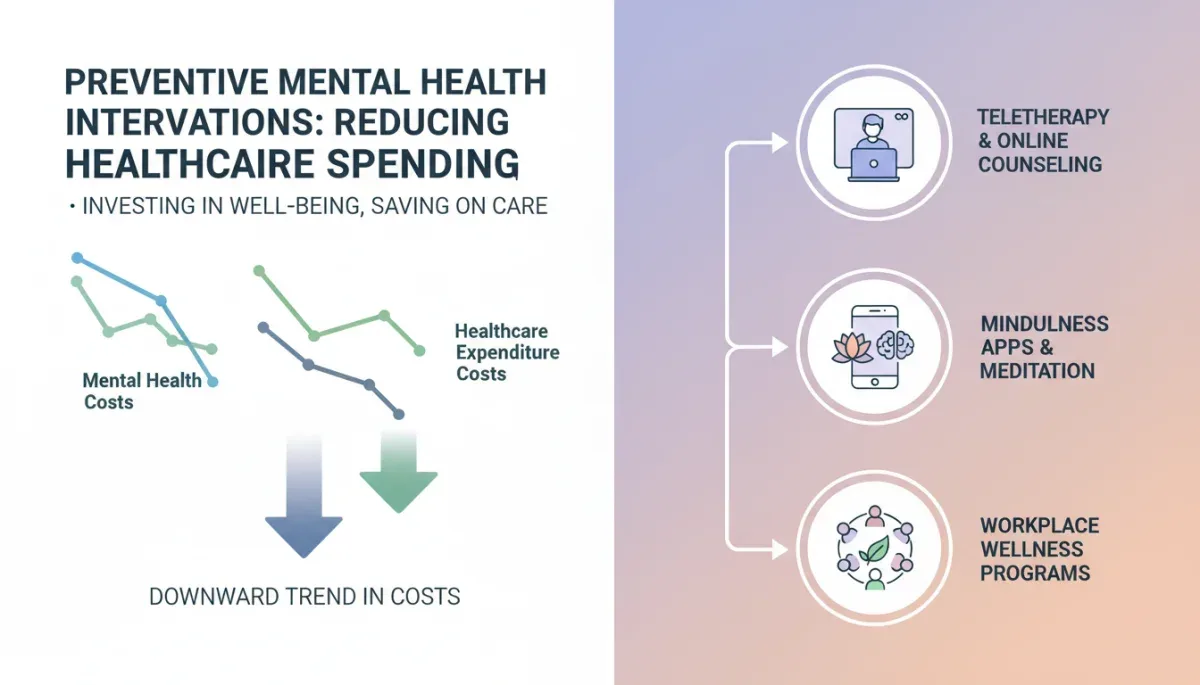
These mechanisms collectively demonstrate how a strategic focus on preventive mental health can create a virtuous cycle of improved health outcomes and significant cost savings, making the 8% reduction a realistic and achievable goal for 2026.
Key Strategies for Implementation by 2026
Achieving an 8% reduction in national healthcare costs by 2026 through preventive mental health requires a multi-faceted and coordinated approach across various sectors. This isn't a singular solution but rather a mosaic of interconnected strategies that, when implemented collectively, can create a powerful impact. Success hinges on collaboration between government, healthcare providers, employers, and communities.
The focus must be on accessibility, integration, and evidence-based practices to ensure that interventions are effective and reach those who need them most. Planning now for 2026 is crucial to lay the groundwork for these transformative changes.
Expanding Access to Digital Mental Health Tools
Technology offers unprecedented opportunities to scale mental health interventions. Telehealth platforms, mental wellness apps, and AI-powered cognitive behavioral therapy (CBT) tools can provide accessible, affordable, and private support to a wider population, especially in underserved areas.
These digital solutions can act as a first line of defense, offering early support and guidance before conditions worsen. They also help overcome geographical barriers and reduce the stigma often associated with seeking traditional care.
Integrating Mental Health into Primary Care
Embedding mental health services within primary care settings allows for routine screening, early detection, and integrated treatment plans. This approach normalizes mental health care and makes it a seamless part of overall health management.
- Routine mental health screenings during annual physicals.
- Co-located mental health professionals in primary care clinics.
- Collaborative care models between primary care physicians and mental health specialists.
- Training for primary care providers on basic mental health support.
Investing in Public Health Campaigns and Education
Large-scale public health campaigns can raise awareness about mental health, reduce stigma, and educate individuals on self-care strategies and how to access help. Education is a powerful preventive tool, empowering individuals to take charge of their mental well-being.
These campaigns should target diverse demographics, using culturally sensitive messaging to ensure broad reach and impact. Promoting mental health literacy is as important as promoting physical health literacy.
Implementing these key strategies comprehensively and with sustained effort will be vital in realizing the ambitious goal of significant healthcare cost reduction through enhanced preventive mental health by 2026.
Overcoming Barriers to Implementation
While the benefits of preventive mental health strategies are clear, their widespread implementation faces several significant barriers. These challenges range from systemic issues like funding and infrastructure to societal factors such as stigma and lack of awareness. Addressing these obstacles is paramount to achieving the projected 8% reduction in healthcare costs by 2026.
Effective implementation requires a concerted effort to dismantle these barriers, fostering an environment where preventive mental health can truly flourish and integrate into the broader healthcare landscape.
Funding and Resource Allocation
Historically, mental health services have been underfunded compared to physical health. Shifting resources towards prevention requires a re-evaluation of current funding models and a commitment from policymakers to prioritize mental well-being. Investment in preventive programs may seem like an upfront cost, but the long-term savings are substantial.
Securing sustainable funding mechanisms and ensuring equitable resource distribution across states and communities will be critical. This includes both public and private sector investment.
Reducing Stigma and Increasing Mental Health Literacy
The stigma associated with mental health conditions remains a formidable barrier, preventing many individuals from seeking help. Coupled with a lack of understanding about mental health, this stigma perpetuates a cycle of delayed intervention and worsening conditions.
- Targeted anti-stigma campaigns in media and public spaces.
- Educational programs in schools and workplaces.
- Promoting open conversations about mental well-being.
- Training healthcare providers to address stigma in clinical settings.
Workforce Shortages and Training Gaps
There is a significant shortage of mental health professionals, particularly in rural and underserved areas. Furthermore, many existing healthcare providers lack adequate training in preventive mental health approaches. Addressing these workforce gaps is essential for delivering effective interventions.
Expanding training programs, incentivizing careers in mental health, and leveraging technology for remote service delivery are crucial steps. A well-trained and sufficient workforce is the backbone of any successful preventive strategy.
Overcoming these barriers demands a collaborative, multi-sectoral approach. By proactively tackling these challenges, the United States can pave the way for a more effective and cost-efficient mental healthcare system by 2026.
Measuring Impact and Ensuring Accountability
To confidently claim an 8% reduction in national healthcare costs by 2026, robust mechanisms for measuring impact and ensuring accountability are indispensable. Without clear metrics and consistent evaluation, even the best-intentioned preventive mental health strategies risk falling short of their potential. This involves establishing baselines, tracking progress, and continuously refining approaches based on data.
Transparent reporting and evidence-based decision-making will be critical to demonstrate the value of these investments and secure ongoing support for preventive initiatives. Accountability ensures that resources are used effectively and that the stated goals are met.
Establishing Baseline Data and Key Performance Indicators (KPIs)
Before implementing new strategies, it is crucial to understand the current landscape of mental health costs and outcomes. Establishing comprehensive baseline data allows for accurate measurement of changes over time. KPIs should be developed to track both direct and indirect cost savings, as well as improvements in mental well-being.
These indicators might include rates of emergency mental health visits, prescription rates for psychotropic medications, productivity metrics, and population-level mental health survey scores.
Longitudinal Studies and Data Integration
The impact of preventive mental health strategies often unfolds over time, necessitating longitudinal studies to capture long-term effects. Integrating data from various sources – including healthcare claims, public health surveys, and employer records – can provide a holistic view of the interventions' effectiveness.
- Tracking mental health outcomes across different age groups.
- Analyzing healthcare utilization patterns before and after interventions.
- Correlating preventive program participation with economic indicators.
- Using anonymous patient data to identify successful interventions.
Regular Reporting and Public Transparency
To maintain public trust and secure continued investment, regular and transparent reporting on the progress towards cost reduction and improved mental health outcomes is essential. This includes publishing reports, sharing findings with stakeholders, and engaging the public in the evaluation process.
Accountability mechanisms should be built into every level of implementation, ensuring that programs are continually optimized for maximum impact. By meticulously measuring and reporting, we can validate the efficacy of preventive mental health strategies and solidify their role in future healthcare policy, solidifying the 8% cost reduction by 2026.
The Future Landscape: 2026 and Beyond
Looking towards 2026 and beyond, the successful integration of preventive mental health strategies promises to reshape the entire landscape of healthcare in the United States. The projected 8% reduction in national healthcare costs is just one facet of a broader transformation that will prioritize well-being, sustainability, and equity. This shift signifies a fundamental change in how society views and addresses mental health, moving from a reactive crisis management model to a proactive health promotion paradigm.
The future will see mental health as an integral component of overall health, supported by accessible services, informed communities, and robust public health infrastructure. This vision extends far beyond mere cost savings, aiming for a healthier, more resilient nation.
A More Resilient and Productive Workforce
With enhanced access to preventive mental health care, the workforce of 2026 will likely be more resilient, productive, and less prone to mental health-related absenteeism or presenteeism. Employers will recognize the direct link between employee well-being and organizational success, leading to continued investment in comprehensive wellness programs.
This will foster a cycle where healthier employees contribute more, reducing economic burdens and further reinforcing the value of preventive strategies.
Reduced Stigma and Increased Health Literacy
By 2026, consistent public health campaigns and integrated care models are expected to significantly reduce the stigma associated with mental health. Mental health literacy will be more widespread, empowering individuals to recognize symptoms, seek help early, and support others.
This cultural shift will normalize conversations about mental well-being, making it easier for people to access the care they need without fear of judgment. It will foster a more compassionate and understanding society.
Sustainable Healthcare System
The long-term impact of preventive mental health will be a more sustainable and efficient healthcare system. By reducing the demand for expensive acute care, resources can be reallocated to further strengthen preventive services, research, and innovation in mental health.
This creates a virtuous cycle where prevention leads to savings, which in turn fuels more prevention, ultimately contributing to a healthcare system that is both economically viable and genuinely focused on population health. The 2026 outlook for preventive mental health strategies is not just about cost reduction; it's about building a foundation for a healthier, more equitable future for all Americans.
| Key Aspect | Brief Description |
|---|---|
| Cost Reduction Target | 8% reduction in national healthcare costs by 2026. |
| Key Mechanisms | Decreased acute care, reduced comorbidity, increased productivity. |
| Implementation Strategies | Digital tools, primary care integration, public campaigns. |
| Overcoming Barriers | Addressing funding, stigma, and workforce shortages. |
Frequently Asked Questions About Preventive Mental Health
What exactly is preventive mental health?▼Preventive mental health involves proactive strategies and interventions designed to promote mental well-being, reduce risk factors for mental illness, and detect early signs of distress before conditions become severe. It focuses on fostering resilience and creating supportive environments.
How can preventive mental health reduce healthcare costs?▼By intervening early, preventive strategies decrease the need for expensive emergency care, reduce hospitalizations, and mitigate the impact of mental health on physical illnesses. This leads to fewer chronic conditions, improved productivity, and overall lower healthcare utilization.
What are some examples of effective preventive mental health strategies?▼Effective strategies include school-based mental health programs, workplace wellness initiatives, widespread access to digital mental health tools, integration of mental health screenings into primary care, and public awareness campaigns to reduce stigma.
What are the biggest challenges to implementing these strategies?▼Major challenges include insufficient funding for mental health services, persistent societal stigma, a significant shortage of qualified mental health professionals, and the need for better integration of mental health into general healthcare systems.
How will we measure the 8% cost reduction by 2026?▼Measurement will involve establishing baseline data on current healthcare costs, tracking key performance indicators such as emergency room visits and medication use, conducting longitudinal studies, and integrating data from various healthcare and economic sources for comprehensive reporting.
Conclusion
The vision for 2026, where preventive mental health strategies lead to an 8% reduction in national healthcare costs, is not merely aspirational but achievable. By embracing proactive approaches, expanding access to care, fostering mental health literacy, and addressing systemic barriers, the United States can transform its healthcare landscape. This shift will not only yield significant economic savings but also cultivate a healthier, more resilient, and productive society for generations to come. The time to invest in mental well-being as a cornerstone of public health and economic stability is now.