Improving Posture and Ergonomics: 2026 Remote Work Guide
Advertisements
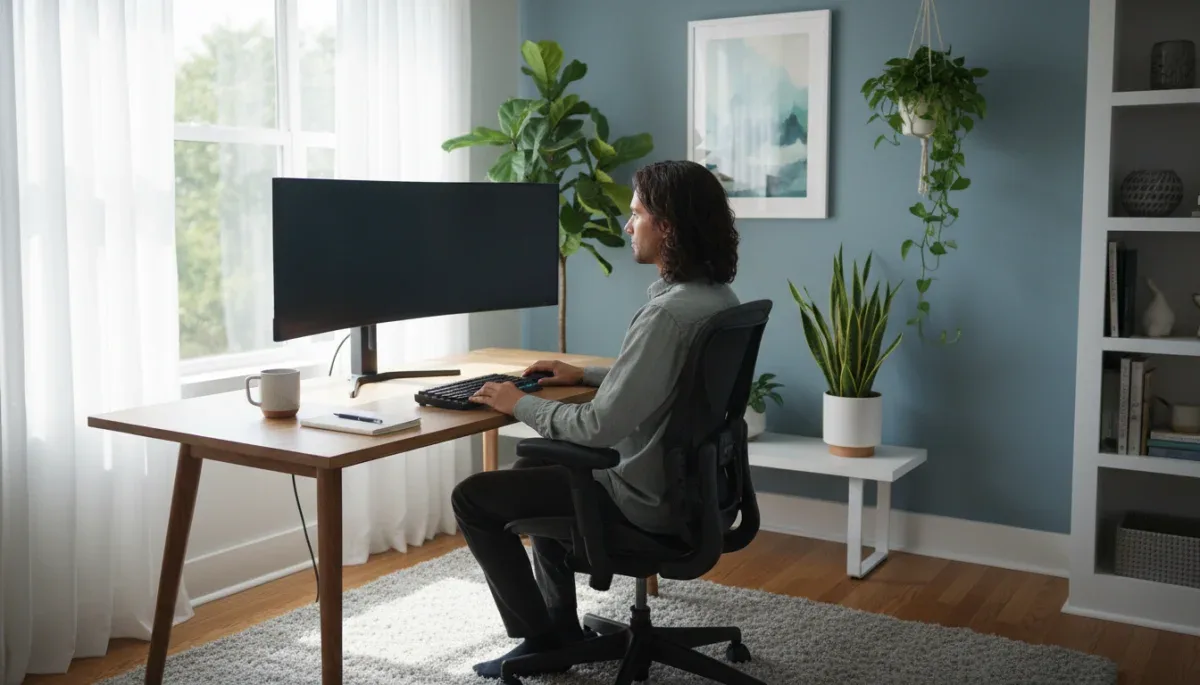
Optimizing your remote work environment with proper posture and ergonomics by 2026 is crucial for U.S. workers to mitigate health risks and sustain productivity in an evolving digital landscape.
As remote work continues to redefine professional landscapes across the U.S., the importance of improving posture and ergonomics: a 2026 guide for remote workers in the U.S. becomes increasingly paramount. Prolonged periods at a desk, often without the structured support of a traditional office environment, can lead to significant health issues ranging from chronic back pain to carpal tunnel syndrome. This guide aims to equip you with the knowledge and actionable strategies necessary to transform your home workspace into a bastion of health and productivity, ensuring you thrive in the evolving world of remote employment.
Understanding the Basics of Ergonomics for Remote Work
Ergonomics in a remote work setting is about designing your workspace to fit you, rather than forcing yourself to fit your workspace. This proactive approach minimizes physical strain and discomfort, which are common complaints among those who spend long hours in front of a computer. By understanding fundamental ergonomic principles, remote workers can create an environment that supports their body's natural alignment and reduces the risk of musculoskeletal disorders.
It's not merely about having expensive equipment; it's about how you arrange and interact with your tools. Simple adjustments can make a profound difference. The goal is to maintain a neutral body position, where joints are not excessively bent and muscles are relaxed. This foundational understanding sets the stage for a healthier and more productive remote work experience.
Key Ergonomic Principles
- Neutral Posture: Keep your body aligned and balanced, avoiding awkward positions.
- Reach Zones: Place frequently used items within easy reach to prevent overstretching.
- Force Reduction: Minimize the physical effort required for tasks, such as typing or mousing.
- Regular Breaks: Incorporate movement and stretching to counteract sedentary habits.
Adhering to these principles helps to distribute stress evenly across your body, protecting your joints, muscles, and tendons from overuse injuries. This holistic view of your workspace contributes significantly to long-term health and well-being, directly impacting your ability to perform effectively and comfortably from home.
Optimizing Your Remote Workspace Setup
A well-optimized remote workspace is the cornerstone of good posture and ergonomic health. This involves more than just a desk and a chair; it encompasses the entire environment where you conduct your work. From lighting to device placement, every element plays a role in your comfort and overall physical well-being. Investing time in setting up your space correctly can prevent future pain and boost your daily efficiency.
Consider your home office as a dynamic system that needs regular assessment and adjustment. As your tasks or equipment change, so too should your ergonomic considerations. The objective is to create a seamless interaction between you and your tools, reducing friction and enhancing focus. A properly arranged setup can make the difference between a productive day and one marred by discomfort.
Essential Equipment and Placement
- Ergonomic Chair: Choose a chair with adjustable height, lumbar support, and armrests.
- Adjustable Desk: A standing desk option allows for varied postures throughout the day.
- Monitor Placement: Position your monitor at arm's length, with the top of the screen at or slightly below eye level.
- External Keyboard and Mouse: Use these to maintain neutral wrist and arm positions.
Beyond the primary equipment, consider factors like adequate lighting to prevent eye strain, and minimizing glare on your screen. A footrest can also be beneficial if your feet don't rest flat on the floor while sitting. Each piece of the puzzle contributes to a comprehensive ergonomic solution, fostering a healthier and more sustainable remote work routine.
The Importance of Proper Sitting Posture
Proper sitting posture is often overlooked but is absolutely critical for remote workers. Many people tend to slouch or hunch over their keyboards, leading to significant strain on the back, neck, and shoulders. Correct posture not only alleviates these pressures but also improves circulation, breathing, and even concentration. It's about aligning your body in a way that supports its natural curves, rather than fighting against them.
Achieving good sitting posture is a conscious effort that requires regular attention throughout your workday. It's not a one-time fix but an ongoing practice. Small, consistent adjustments can lead to substantial long-term benefits, preventing the cumulative stress that often results in chronic pain. Understanding the mechanics of a good sitting position empowers you to make informed decisions about your body's health.
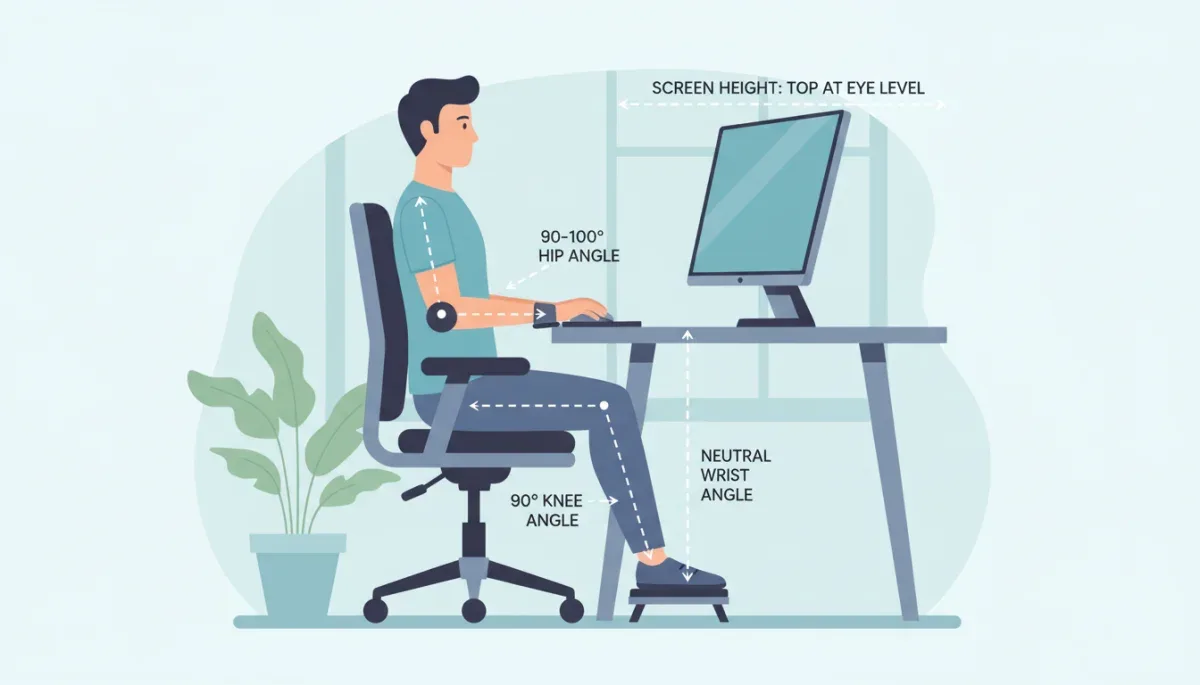
Key Elements of Good Sitting Posture
When sitting, ensure your feet are flat on the floor or a footrest, with your knees at about a 90-degree angle. Your hips should be slightly higher than your knees. Keep your back straight against the chair's lumbar support, avoiding any slumping. Your shoulders should be relaxed, and your elbows close to your body, forming an L-shape with your forearms parallel to the floor. Your head should be balanced directly over your shoulders, looking straight ahead at your monitor.
This neutral alignment minimizes stress on your spinal discs and muscles, promoting better blood flow and reducing fatigue. Regularly checking in with your posture and making minor corrections can significantly improve your comfort and endurance during long work sessions. It's a foundational aspect of ergonomic health that every remote worker should master.
Integrating Movement and Breaks into Your Day
Even with the most perfectly optimized ergonomic setup, prolonged static positions are detrimental to health. Integrating regular movement and breaks throughout your workday is crucial for preventing stiffness, improving circulation, and reducing mental fatigue. Remote workers often fall into the trap of extended periods of inactivity, making these breaks even more vital than in a traditional office environment.
Movement doesn't necessarily mean intense exercise; even short bursts of activity can make a significant difference. The key is consistency and variety. Breaking up your day with intentional movement helps to reset your body and mind, leading to increased focus and overall well-being. This proactive approach to physical health is an integral part of a sustainable remote work lifestyle.
Effective Break Strategies
- The 20-20-20 Rule: Every 20 minutes, look at something 20 feet away for 20 seconds to reduce eye strain.
- Micro-Breaks: Stand up, stretch, or walk around for 1-2 minutes every hour.
- Scheduled Longer Breaks: Take a 15-30 minute break every few hours for a walk, light exercise, or a change of scenery.
- Ergonomic Exercises: Perform simple stretches for your neck, shoulders, wrists, and back throughout the day.
These strategies help counteract the negative effects of prolonged sitting and screen time. By making movement a non-negotiable part of your routine, you can maintain physical and mental agility, enhancing your productivity and reducing the risk of work-related injuries. It's about building healthy habits that support your body's needs throughout the day.
Addressing Common Remote Work Ergonomic Challenges
Remote work presents unique ergonomic challenges that often go unaddressed. From makeshift home offices to the blurring lines between work and personal life, these factors can exacerbate poor posture and lead to discomfort. Identifying and proactively tackling these common issues is key to maintaining a healthy and productive remote work setup. Acknowledging these hurdles is the first step toward overcoming them.
Many remote workers start with suboptimal setups, using kitchen tables or couches as their primary workspace. While convenient initially, these environments are rarely conducive to long-term ergonomic health. It's essential to recognize that your home office, regardless of its size, needs to function as a dedicated and ergonomically sound space to support your professional endeavors.
Solutions for Typical Obstacles
- Limited Space: Utilize compact, multi-functional ergonomic furniture that fits smaller areas.
- Budget Constraints: Prioritize essential ergonomic items like a good chair and external peripherals, and make DIY adjustments where possible (e.g., monitor risers from books).
- Lack of IT Support: Educate yourself on ergonomic best practices and regularly self-assess your setup.
- Work-Life Balance: Establish clear boundaries for work hours to avoid overworking and prolonged static positions.
Overcoming these challenges requires creativity, commitment, and a willingness to invest in your health. Even small, incremental changes can lead to significant improvements in your comfort and posture. By actively addressing these common hurdles, remote workers can create a more sustainable and healthier work environment, safeguarding their well-being for years to come.
Advanced Ergonomic Considerations for 2026
As we look towards 2026, the landscape of remote work continues to evolve, bringing with it new technologies and a deeper understanding of human-computer interaction. Advanced ergonomic considerations go beyond basic setup, delving into areas like adaptive technology, smart furniture, and personalized health monitoring. These innovations promise to further enhance comfort and productivity for U.S. remote workers, making ergonomic health more accessible and integrated into daily routines.
The future of remote work ergonomics is about predictive and adaptive systems that can anticipate and respond to individual needs. This proactive approach aims to prevent discomfort before it even arises, leveraging data and smart design to create highly personalized and dynamic workspaces. Staying informed about these advancements will be crucial for maintaining a cutting-edge ergonomic setup.
Emerging Ergonomic Technologies
- AI-Powered Posture Reminders: Software that uses webcams to monitor posture and provide real-time feedback.
- Smart Standing Desks: Desks that learn your preferences and suggest optimal sit/stand schedules.
- Wearable Tech Integration: Devices that track movement, heart rate, and stress levels, offering personalized ergonomic advice.
- Modular and Adaptive Furniture: Desks and chairs designed to easily reconfigure for various tasks and body types.
Embracing these advanced ergonomic solutions will allow remote workers to create highly responsive and health-conscious environments. These technologies offer a level of personalization and preventative care that was previously unavailable, marking a significant leap forward in supporting the long-term well-being of the remote workforce. Staying ahead of these trends will ensure a healthier and more efficient remote working future.
| Key Point | Brief Description |
|---|---|
| Ergonomic Setup | Design your workspace to fit your body, minimizing strain and promoting natural alignment. |
| Proper Posture | Maintain neutral body alignment while sitting to reduce pressure on the spine and muscles. |
| Movement & Breaks | Incorporate regular stretching and short walks to combat sedentary effects and improve circulation. |
| Advanced Tech | Explore AI-powered posture reminders and smart furniture for future ergonomic optimization. |
Frequently Asked Questions About Remote Work Ergonomics
What is the most crucial ergonomic investment for a remote worker?▼The most crucial ergonomic investment is a high-quality, adjustable ergonomic chair. It provides essential support for your spine, hips, and arms, significantly reducing the risk of back pain and discomfort associated with prolonged sitting. While other items are beneficial, a good chair forms the foundation of a healthy workspace.
How often should I take breaks when working remotely?▼It is recommended to take a short micro-break (1-2 minutes) every 30-60 minutes to stand, stretch, or walk around. Additionally, schedule a longer break of 15-30 minutes every 2-3 hours. This regular movement helps prevent stiffness, improves circulation, and reduces mental fatigue, boosting overall productivity.
Can poor posture affect my productivity?▼Yes, poor posture can significantly impact productivity. Discomfort and pain caused by improper alignment can lead to distraction, reduced concentration, and increased fatigue. When your body is constantly fighting against strain, your mental energy is diverted, making it harder to focus on tasks and maintain efficiency throughout the day.
Are standing desks truly beneficial for remote workers?▼Yes, standing desks offer significant benefits by allowing you to alternate between sitting and standing throughout the day. This variability in posture reduces the risks associated with prolonged sitting, improves circulation, and can increase energy levels. However, it's important not to stand for too long; the key is frequent movement and posture changes.
How can I improve my posture without buying new equipment?▼You can improve posture by being mindful of your seating position, using pillows for lumbar support, and stacking books to raise your monitor to eye level. Regularly performing stretches and taking frequent breaks to move around are also highly effective. Conscious effort and consistency can make a big difference even without new purchases.
Conclusion
As remote work solidifies its place in the American professional landscape, prioritizing ergonomic health and proper posture is no longer optional—it's essential for long-term well-being and productivity. By adopting the strategies outlined in this 2026 guide, U.S. remote workers can transform their home offices into spaces that not only foster efficiency but also safeguard their physical health. Investing in ergonomic principles, from selecting the right equipment to integrating regular movement, empowers individuals to thrive in their virtual environments, ensuring a sustainable and comfortable career path. Embrace these practices today to build a healthier, more productive tomorrow.