Sleep & Mental Health: 8 Hours Critical for US Adults in 2026
Advertisements
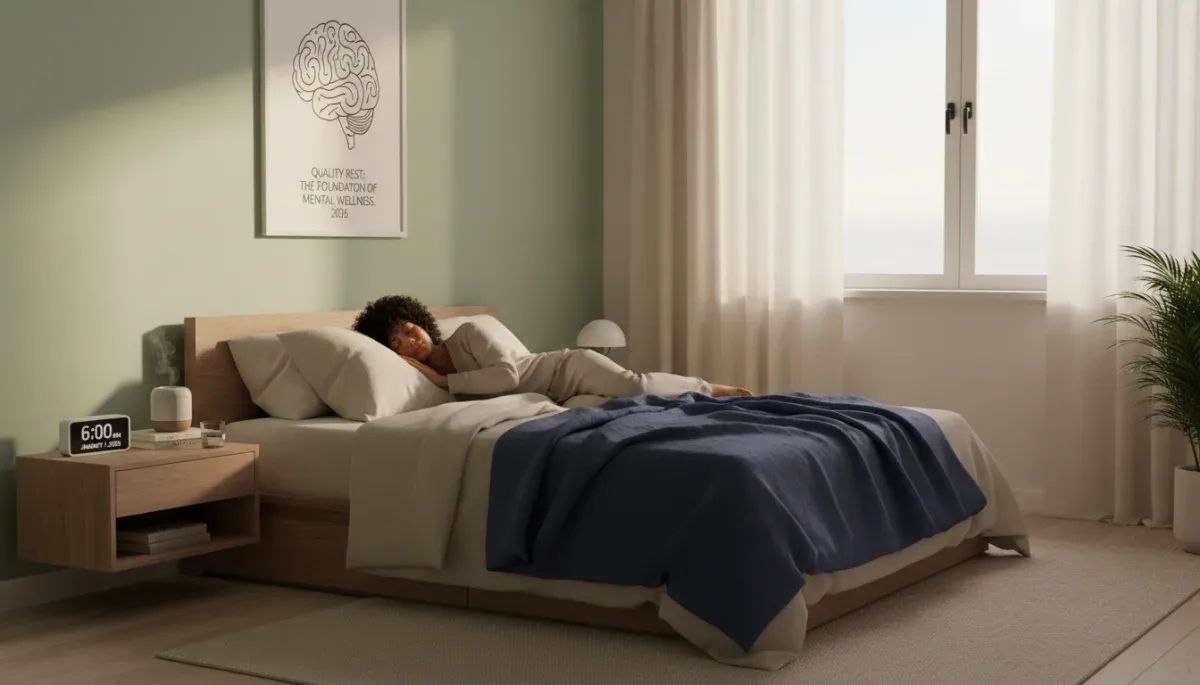
Achieving 8 hours of quality sleep is increasingly vital for the mental well-being of US adults in 2026, directly impacting mood, cognitive function, and resilience against mental health challenges.
In our fast-paced world, the profound link between sleep and mental health has never been more evident. For US adults in 2026, securing eight hours of quality sleep isn't merely a luxury; it's a foundational pillar for maintaining cognitive function, emotional stability, and overall well-being.
The Intricate Connection Between Sleep and Mental Well-being
Sleep is not merely a period of inactivity; it's an active state crucial for physical and mental restoration. During sleep, our brains process emotions, consolidate memories, and repair neural pathways. Disruptions to this vital process can have far-reaching consequences for mental health, contributing to a range of issues from irritability to severe mood disorders.
The relationship between sleep and mental health is bidirectional. Poor sleep can exacerbate existing mental health conditions, and conversely, mental health disorders often disrupt sleep patterns. Understanding this intricate connection is the first step towards prioritizing sleep as a cornerstone of mental wellness.
Neurobiological Underpinnings of Sleep's Impact
Scientific research continues to uncover the complex neurobiological mechanisms linking sleep to mental health. Neurotransmitters like serotonin and dopamine, vital for mood regulation, are significantly impacted by sleep deprivation. A lack of sufficient sleep can disrupt their balance, leading to feelings of anxiety and depression.
- Serotonin Regulation: Sleep helps regulate serotonin levels, a key neurotransmitter for mood and happiness.
- Dopamine Balance: Adequate sleep supports healthy dopamine production, influencing motivation and reward.
- Emotional Processing: During REM sleep, the brain processes emotional experiences, reducing their intensity.
- Stress Hormone Control: Sleep deprivation elevates cortisol, the stress hormone, leading to increased anxiety.
Ultimately, prioritizing sleep provides the brain with the necessary time and resources to perform these critical functions, fostering greater emotional resilience and cognitive clarity. Ignoring sleep means undermining the very systems designed to keep our mental state balanced.
The Growing Sleep Crisis Among US Adults in 2026
Despite increased awareness, many US adults are still not getting the recommended 7-9 hours of sleep per night. Modern lifestyles, characterized by constant digital connectivity, demanding work schedules, and pervasive stress, contribute to a pervasive sleep crisis. This deficit has significant implications for public health, particularly mental health.
The prevalence of sleep disorders like insomnia and sleep apnea is on the rise, further complicating the issue. These conditions not only disrupt sleep quality but also have direct links to increased risks of depression, anxiety, and other mental health challenges. Addressing this crisis requires a multi-faceted approach, combining individual lifestyle changes with broader societal shifts.
Factors Contributing to Sleep Deprivation
Several factors converge to create the current sleep deficit among US adults. Understanding these contributors is essential for developing effective strategies to improve sleep hygiene.
- Digital Device Overuse: Exposure to blue light from screens before bedtime suppresses melatonin production, disrupting the sleep-wake cycle.
- Work-Life Imbalance: Long working hours and the blurring lines between work and personal life lead to insufficient time for rest.
- Chronic Stress: Financial pressures, social anxieties, and global events contribute to heightened stress levels, making it difficult to fall and stay asleep.
- Unhealthy Lifestyle Choices: Poor diet, lack of physical activity, and excessive caffeine or alcohol consumption negatively impact sleep quality.
These factors often create a vicious cycle where poor sleep exacerbates stress, which in turn further disrupts sleep. Breaking this cycle is crucial for improving both sleep and mental health outcomes.
How Lack of Sleep Fuels Mental Health Disorders
The cumulative effect of insufficient sleep goes beyond feeling tired; it actively contributes to the development and worsening of mental health disorders. Chronic sleep deprivation can alter brain chemistry, making individuals more vulnerable to negative thought patterns, emotional dysregulation, and impaired decision-making.
Studies consistently show a strong correlation between inadequate sleep and higher rates of depression and anxiety. Furthermore, sleep disturbances are often a hallmark symptom of many psychiatric conditions, indicating their intertwined nature. Addressing sleep issues can, therefore, be a powerful therapeutic intervention for mental health.
Specific Impacts on Mental Health
The detrimental effects of sleep deprivation manifest in various ways, impacting different aspects of mental well-being.
One of the most immediate consequences is heightened emotional reactivity. Without adequate sleep, the amygdala, the brain's emotional center, becomes overactive, leading to increased irritability, mood swings, and difficulty managing stress. This can strain relationships and reduce overall life satisfaction.
Cognitive functions also suffer significantly. Sleep is vital for attention, concentration, problem-solving, and memory consolidation. When sleep-deprived, individuals experience reduced cognitive flexibility, making it harder to cope with daily challenges and adapt to new situations. This can lead to feelings of frustration and inadequacy.
Moreover, chronic sleep deficiency is linked to an increased risk of developing more severe mental health conditions. It can trigger episodes in individuals predisposed to bipolar disorder or schizophrenia and complicate the recovery process for those already struggling with mental illness. The immune system, which is also regulated by sleep, becomes weakened, making individuals more susceptible to physical ailments that can further impact mental well-being.
The long-term implications are particularly concerning for US adults in 2026, as societal pressures continue to mount. A population that is chronically sleep-deprived is a population at higher risk for widespread mental health challenges, impacting productivity, social cohesion, and overall quality of life.
Strategies for Achieving 8 Hours of Quality Sleep
Reclaiming healthy sleep patterns is achievable with conscious effort and consistent practice. Implementing effective sleep hygiene strategies can significantly improve both the quantity and quality of sleep, thereby boosting mental health. It's about creating a conducive environment and establishing routines that signal to your body and mind that it's time to rest.
These strategies are not one-size-fits-all, but rather a combination of behavioral changes and environmental adjustments that can be tailored to individual needs. The key is consistency and patience, as it often takes time to retrain the body's internal clock.
Building a Restorative Sleep Routine
Establishing a consistent sleep schedule is paramount. Going to bed and waking up at the same time each day, even on weekends, helps regulate your body's natural circadian rhythm. This regularity reinforces the sleep-wake cycle, making it easier to fall asleep and wake up feeling refreshed.
- Consistent Schedule: Maintain regular bedtimes and wake-up times daily.
- Pre-Sleep Rituals: Engage in relaxing activities before bed, like reading or a warm bath.
- Optimize Sleep Environment: Ensure your bedroom is dark, quiet, cool, and comfortable.
- Limit Stimulants: Avoid caffeine and heavy meals close to bedtime.
Beyond these foundational practices, consider the role of light exposure. Exposing yourself to natural light in the morning helps set your internal clock, while dimming lights in the evening can signal to your body that it's time to wind down. Creating a sanctuary out of your bedroom, free from work and digital distractions, is also crucial for promoting relaxation and sleep.
The Ripple Effect: Societal Benefits of a Well-Rested Population
The impact of sufficient sleep extends beyond individual well-being; it has profound societal implications. A well-rested population is more productive, healthier, and more resilient. This translates into stronger communities, a more robust economy, and a reduced burden on healthcare systems.
When individuals are adequately rested, they exhibit improved cognitive function, leading to better decision-making in the workplace and at home. This can enhance innovation, reduce errors, and foster a more positive and collaborative work environment. The ripple effect of good sleep hygiene can be seen in various sectors, from education to public safety.

Economic and Public Health Advantages
Economically, sleep deprivation costs billions annually in lost productivity, healthcare expenditures, and accident-related costs. Investing in public health initiatives that promote better sleep can yield significant returns.
- Increased Productivity: Well-rested employees are more efficient and focused, leading to higher output.
- Reduced Healthcare Costs: Adequate sleep lowers the risk of chronic diseases and mental health disorders, decreasing medical expenses.
- Fewer Accidents: Improved alertness reduces the incidence of workplace and road accidents.
- Enhanced Public Safety: Better cognitive function among professionals, including emergency services, leads to safer communities.
Furthermore, a population that prioritizes sleep is likely to have better overall physical health, which in turn supports mental resilience. Reduced rates of obesity, diabetes, and cardiovascular disease, all linked to sleep patterns, contribute to a healthier and more vibrant society. The collective benefits of widespread good sleep hygiene cannot be overstated.
Navigating Sleep Challenges in a Modern World
While the benefits of 8 hours of quality sleep are clear, achieving it in 2026 presents unique challenges. The constant demands of a digitally connected world, coupled with economic pressures and global uncertainties, can make consistent, restorative sleep feel elusive. However, recognizing these challenges is the first step toward effective navigation.
It requires a proactive approach, integrating sleep as a non-negotiable part of daily self-care. This might mean setting boundaries with work, consciously disconnecting from technology, or seeking professional help when sleep issues become chronic. The modern world demands adaptability, and adapting our habits to protect our sleep is more crucial than ever.
Tools and Resources for Better Sleep
Fortunately, a growing array of tools and resources are available to help US adults improve their sleep hygiene. From wearable technology that tracks sleep patterns to mindfulness apps and cognitive behavioral therapy for insomnia (CBT-I), support is increasingly accessible.
Wearable devices can provide insights into sleep stages and duration, helping individuals identify patterns and areas for improvement. While not a substitute for professional medical advice, they can be valuable self-monitoring tools. Mindfulness and meditation apps offer guided exercises that promote relaxation and can ease the transition to sleep, addressing the mental rumination that often keeps people awake.
For more persistent sleep difficulties, professional intervention is key. Sleep specialists can diagnose underlying disorders and recommend tailored treatments. CBT-I, in particular, is a highly effective, evidence-based therapy that addresses the thoughts and behaviors that interfere with sleep, providing long-lasting solutions without relying on medication. Embracing these resources can empower individuals to overcome sleep challenges and secure the restorative rest they need.
| Key Point | Brief Description |
|---|---|
| Sleep-Mental Health Link | Quality sleep is foundational for emotional regulation, cognitive function, and mental resilience. |
| US Sleep Crisis | Modern lifestyles contribute to widespread sleep deprivation among US adults, impacting mental health. |
| Mental Disorder Fuel | Lack of sleep exacerbates anxiety, depression, and impairs emotional and cognitive functions. |
| Effective Sleep Strategies | Consistent routines, optimal environment, and limiting stimulants are key to improving sleep. |
Frequently Asked Questions About Sleep and Mental Health
Why is 8 hours of sleep so critical for mental health in 2026?▼Eight hours of quality sleep allows the brain sufficient time for emotional processing, memory consolidation, and neurotransmitter regulation. In 2026, with increasing daily stressors, this restorative period is more vital than ever to maintain mental resilience and prevent mood disorders.
Can poor sleep directly cause mental health issues?▼While poor sleep doesn't solely cause mental health issues, it is a significant contributing factor. Chronic sleep deprivation can exacerbate existing conditions like anxiety and depression, and in some cases, it can be a trigger for their onset by altering brain chemistry and emotional regulation.
What are common mental health impacts of sleep deprivation?▼Common impacts include increased irritability, mood swings, difficulty concentrating, impaired decision-making, and heightened stress levels. Long-term, it can contribute to more severe conditions like chronic anxiety, major depressive disorder, and even psychosis in vulnerable individuals.
What are practical steps US adults can take to improve sleep quality?▼Practical steps include maintaining a consistent sleep schedule, creating a dark and quiet sleep environment, limiting screen time before bed, avoiding caffeine and heavy meals late in the day, and incorporating relaxing pre-sleep rituals. Regular exercise also significantly helps.
When should someone seek professional help for sleep problems?▼If sleep problems persist for more than a few weeks, significantly impair daily functioning, or are accompanied by other mental health symptoms, it's crucial to seek professional help. A doctor or sleep specialist can diagnose underlying issues and recommend appropriate treatments like CBT-I or medication.
Conclusion
The imperative for US adults to achieve eight hours of quality sleep in 2026 is undeniable. As our understanding of the intricate link between sleep and mental health deepens, it becomes clear that prioritizing rest is not just a personal choice but a public health necessity. Embracing effective sleep hygiene practices, addressing societal factors that impede rest, and seeking help when needed are all crucial steps toward fostering a mentally healthier and more resilient population. The future of mental wellness hinges significantly on our collective commitment to restorative sleep.