Sleep for Muscle Growth: 8 Hours for 20% Faster Gains?
Advertisements
Adequate sleep, ideally 8 hours, significantly enhances muscle repair and protein synthesis, directly contributing to accelerated muscle growth and recovery.
Have you ever wondered if your efforts in the gym are truly optimized, or if there's a missing piece to your muscle-building puzzle? The crucial, often overlooked factor is the profound connection between sleep and physical development. Understanding the role of sleep in muscle growth: 8 hours for 20% faster gains in 2026? might just be the game-changer you need for unparalleled results.
The foundational science of sleep and muscle repair
Sleep is far more than just a period of rest; it's an active, restorative process vital for every bodily function, especially muscle repair and growth. During deep sleep cycles, our bodies undergo critical physiological changes that directly impact our ability to build and maintain muscle mass. Ignoring this fundamental aspect of recovery can severely hinder progress, regardless of how intense your training regimen is.
The intricate dance between hormones, cellular repair, and protein synthesis reaches its peak during sleep. Without sufficient rest, these processes are compromised, leading to slower recovery, increased fatigue, and ultimately, suboptimal muscle gains. It’s a delicate balance where sleep acts as the conductor of the entire symphony of physical adaptation.
Hormonal symphony during slumber
Growth Hormone (GH) is released in pulsatile fashion, with the largest and most consistent bursts occurring during deep slow-wave sleep. This hormone is anabolic, meaning it promotes tissue growth, including muscle protein synthesis. Conversely, insufficient sleep can elevate cortisol levels, a catabolic hormone that breaks down muscle tissue. Maintaining a healthy hormonal profile is paramount for effective muscle building.
- Growth Hormone (GH) surges during deep sleep, facilitating muscle repair.
- Testosterone production is optimized with adequate rest, supporting anabolism.
- Cortisol levels decrease, reducing muscle breakdown and promoting recovery.
- Melatonin, the sleep hormone, also plays a role in antioxidant and anti-inflammatory processes, aiding recovery.
In conclusion, the science unequivocally supports sleep as a cornerstone of muscle development. The body's ability to repair and rebuild muscle tissue is heavily dependent on the quality and quantity of sleep, making it an indispensable component of any effective fitness strategy. Prioritizing sleep is not just about feeling rested; it's about optimizing your physiological environment for superior gains.

Protein synthesis and cellular regeneration: sleep's direct impact
Beyond hormonal regulation, sleep directly influences protein synthesis and cellular regeneration, the very mechanisms by which muscles grow stronger and larger. When we engage in resistance training, we create microscopic tears in muscle fibers. It is during sleep that the body efficiently repairs these tears, laying down new protein structures and increasing muscle mass.
This process is highly energy-intensive, and the body conserves energy during sleep, dedicating resources to repair and growth. Without this dedicated repair time, the muscles remain in a state of chronic micro-damage, leading to overtraining symptoms, increased injury risk, and stalled progress. It’s a critical window for adaptation that cannot be replicated while awake.
The vital role of amino acids
During sleep, the body is particularly adept at utilizing amino acids to synthesize new muscle proteins. This efficiency is enhanced by sustained periods of rest, allowing for a continuous flow of nutrients to recovering tissues. Studies indicate that sleep deprivation can impair the body's ability to effectively use amino acids, thus hampering muscle repair.
- Amino acids are efficiently channeled towards muscle repair during sleep.
- Cellular waste products are cleared more effectively.
- Mitochondrial function, crucial for energy production, is restored.
- Inflammation from strenuous workouts is reduced, aiding faster recovery.
Ultimately, sleep provides the optimal environment for protein synthesis and cellular regeneration. It's the period where the body consolidates the gains made during training, transforming effort into tangible results. Neglecting sleep is akin to building a house without a strong foundation; it simply won't stand the test of time or reach its full potential.
The magic number: why 8 hours for 20% faster gains?
The notion of 8 hours of sleep for potentially 20% faster gains by 2026 is rooted in a growing body of research highlighting the dose-response relationship between sleep duration and physiological outcomes. While individual needs vary, 8 hours consistently emerges as a sweet spot for optimizing recovery and anabolic processes, especially for individuals engaged in regular, intense physical activity.
This specific duration allows for multiple full sleep cycles, including sufficient deep sleep and REM sleep, each playing a unique role in physical and mental restoration. Shorter durations often mean cutting short these vital cycles, leading to cumulative sleep debt that negatively impacts performance and muscle growth over time.
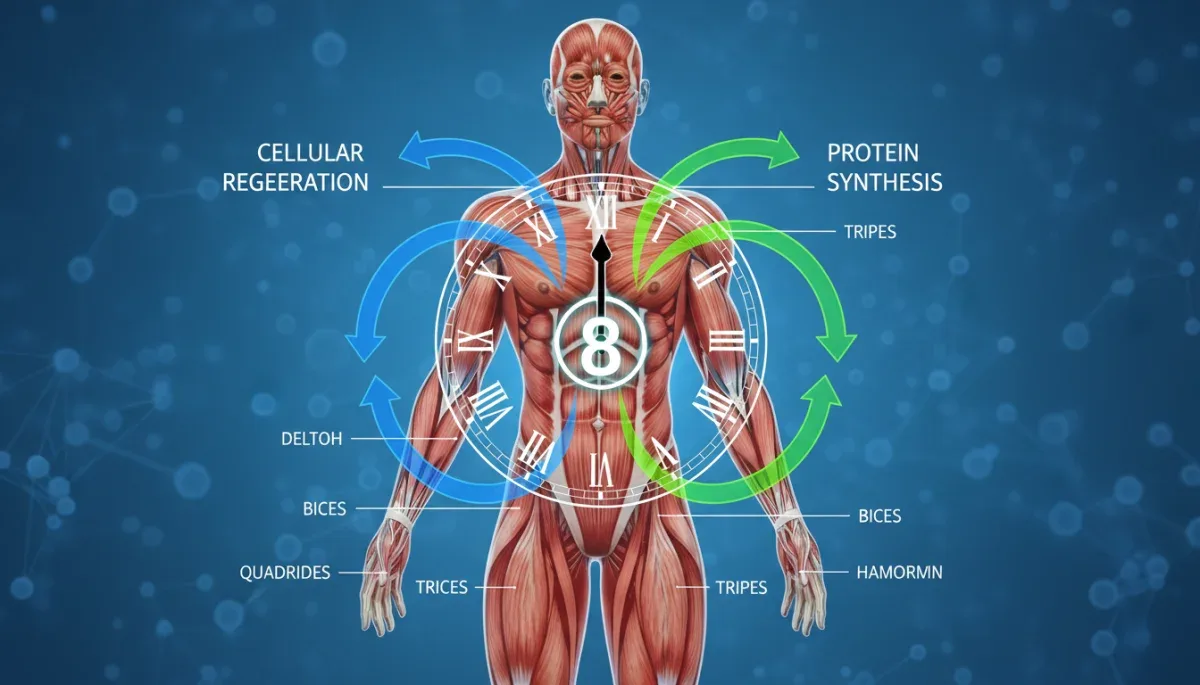
When aiming for significant improvements like 20% faster gains, marginal increases in sleep quality and duration can have exponential effects. The cumulative benefits of consistent 8-hour sleep patterns over weeks, months, and years can indeed lead to accelerated progress that might seem unattainable with less disciplined sleep habits.
Optimizing sleep hygiene for maximum benefits
Achieving 8 hours of quality sleep isn't just about setting an alarm; it involves cultivating good sleep hygiene. This includes maintaining a consistent sleep schedule, creating a dark and cool sleep environment, and avoiding stimulants before bed. These practices amplify the restorative power of sleep.
- Establish a regular bedtime and wake-up time, even on weekends.
- Ensure your bedroom is dark, quiet, and cool (60-67°F or 15-19°C).
- Avoid caffeine and heavy meals close to bedtime.
- Limit screen time before sleep to reduce blue light exposure.
The 8-hour recommendation isn't arbitrary; it's a scientifically supported target that provides the optimal window for the body to execute its repair and growth protocols. By consistently hitting this mark, individuals can unlock their full muscle-building potential, potentially seeing significantly faster and more sustainable gains.
Beyond muscle: cognitive function and performance enhancement
The benefits of adequate sleep extend far beyond mere muscle growth, profoundly impacting cognitive function, athletic performance, and overall well-being. A well-rested mind is a sharper mind, capable of better focus, decision-making, and reaction times – all critical components for effective training and avoiding injuries.
When sleep-deprived, our central nervous system becomes impaired, leading to decreased motivation, poor coordination, and reduced pain tolerance. This directly translates to less productive workouts, a higher risk of accidents, and a slower progression towards fitness goals. Sleep is truly the ultimate performance enhancer, without any side effects.
Furthermore, sleep plays a crucial role in skill acquisition and motor learning. For athletes, this means better retention of complex movements and improved technique. For the average gym-goer, it translates to more efficient execution of exercises and a faster learning curve for new routines. The synergy between a rested body and a rested mind is undeniable.
Mental acuity and workout efficacy
Proper sleep enhances mental acuity, directly translating to more effective workouts. When you're well-rested, you can maintain focus, push through plateaus, and make better decisions regarding form and intensity. This sustained mental engagement is vital for maximizing every training session.
- Improved focus and concentration during workouts.
- Enhanced decision-making and reaction times.
- Reduced perceived exertion, allowing for harder training.
- Better mood and motivation to adhere to training schedules.
In essence, sleep acts as a powerful catalyst for both physical and mental performance. It ensures that not only your muscles are ready to grow, but your mind is also primed to guide them effectively, leading to a holistic improvement in your fitness journey and overall quality of life.
Practical strategies for improving sleep quality
Knowing the importance of sleep is one thing; consistently achieving optimal sleep is another. Many individuals struggle with sleep quality due to modern lifestyles, stress, and poor habits. Implementing practical, sustainable strategies is key to unlocking the full restorative power of sleep and, by extension, maximizing muscle growth.
It's not about making drastic overnight changes, but rather gradually incorporating small, consistent adjustments into your daily routine. These strategies collectively contribute to a more conducive sleep environment and better physiological readiness for rest, paving the way for those coveted 8 hours of restorative sleep.
From optimizing your bedroom to managing daily stress, every aspect of your routine can either hinder or help your sleep. Taking a proactive approach to sleep hygiene is an investment in your physical and mental health, with significant returns in muscle growth and overall vitality.
Creating a sleep-friendly environment
Your bedroom should be a sanctuary for sleep. This means controlling light, sound, and temperature. Even small amounts of light can disrupt melatonin production, and excessive noise can prevent deep sleep cycles. Investing in blackout curtains, earplugs, or a white noise machine can make a significant difference.
- Ensure your bedroom is completely dark; use blackout curtains.
- Minimize noise disturbances with earplugs or a white noise generator.
- Keep the room cool, ideally between 60-67°F (15-19°C).
- Invest in a comfortable mattress and pillows that support proper spinal alignment.
By consciously designing a sleep-friendly environment and adopting consistent sleep-promoting habits, you can significantly enhance your sleep quality. This proactive approach ensures that your body receives the uninterrupted, deep rest it needs to repair, rebuild, and ultimately grow muscle more efficiently.
Future outlook: sleep optimization in fitness by 2026
As we look towards 2026, the integration of sleep optimization into mainstream fitness strategies is expected to become even more sophisticated and personalized. Advancements in wearable technology and biofeedback devices will offer unparalleled insights into individual sleep patterns, allowing for highly tailored recommendations.
The concept of 'prescribing' sleep, much like prescribing exercise or nutrition, will likely gain traction, with fitness professionals increasingly emphasizing its critical role. This shift will move beyond generic advice, leveraging data to help individuals fine-tune their sleep schedules and environments for peak performance and muscle development.
Furthermore, research into chronobiology and genetics will likely uncover even more nuanced connections between sleep, recovery, and hypertrophy, potentially leading to novel interventions and strategies. The future of fitness is inherently tied to a deeper understanding and optimization of our natural biological rhythms.
Personalized sleep protocols
The future will see personalized sleep protocols based on individual biomarkers, training load, and genetic predispositions. This will move beyond a 'one-size-fits-all' approach, allowing for dynamic adjustments to sleep recommendations as an individual's needs evolve.
- Wearable technology providing real-time sleep data and personalized insights.
- Integration of sleep metrics with training and nutrition data for holistic optimization.
- Development of AI-driven sleep coaching platforms.
- Pharmacological and natural interventions tailored to specific sleep challenges.
By 2026, the focus on sleep in fitness will be less about simply getting enough hours and more about optimizing the quality and timing of sleep through data-driven, personalized approaches. This will undoubtedly contribute to more efficient muscle growth and overall athletic performance, making the 20% faster gains a tangible reality for many.
| Key Point | Brief Description |
|---|---|
| Hormonal Balance | Sleep optimizes GH and testosterone, while reducing catabolic cortisol, crucial for muscle growth. |
| Protein Synthesis | Efficient muscle repair and new protein creation occur during deep sleep cycles. |
| 8-Hour Target | Consistently achieving 8 hours of sleep supports optimal recovery and potentially 20% faster gains. |
| Cognitive & Performance | Enhanced focus, reaction time, and motivation contribute to more effective training sessions. |
Frequently asked questions about sleep and muscle growth
How does sleep directly affect muscle repair?▼During deep sleep, the body releases Growth Hormone (GH) which is crucial for cellular repair and protein synthesis. This process rebuilds muscle fibers damaged during exercise, making them stronger and larger. Insufficient sleep impairs this vital regenerative activity.
Is 8 hours of sleep truly necessary for muscle gains?▼While individual needs vary, 8 hours is widely considered optimal for most active adults. It allows for complete sleep cycles, maximizing hormone release and recovery processes, which can lead to significantly faster and more efficient muscle growth compared to shorter durations.
Can poor sleep quality negate my gym efforts?▼Yes, absolutely. Poor sleep elevates cortisol (a muscle-wasting hormone) and reduces growth hormone and testosterone. This imbalance hinders protein synthesis and recovery, making your intense workouts less effective and potentially leading to overtraining and injury.
What are practical tips for improving sleep for better muscle growth?▼Establish a consistent sleep schedule, create a cool and dark bedroom environment, avoid caffeine and heavy meals before bed, and limit screen exposure. These habits promote deeper, more restorative sleep, optimizing your body's muscle-building capabilities.
How soon can I expect to see benefits from optimizing my sleep?▼Many individuals report feeling more rested and energized within days of improving sleep hygiene. Noticeable improvements in recovery, workout performance, and eventually muscle growth can become evident within a few weeks to months of consistent, high-quality sleep.
Conclusion
In the relentless pursuit of muscle growth and peak physical performance, sleep often remains the most underrated and underutilized tool. The evidence is clear: prioritizing 8 hours of quality sleep is not merely about feeling rested; it's a non-negotiable component for optimizing hormonal balance, accelerating protein synthesis, and enhancing overall recovery. As we move towards 2026, the integration of advanced sleep science into fitness regimens will undoubtedly empower individuals to unlock unprecedented gains, making the vision of 20% faster muscle growth a tangible reality for those who truly embrace the power of sleep.