Sustainable Eating Habits: Reduce U.S. Food Waste by 25% by 2026
Advertisements
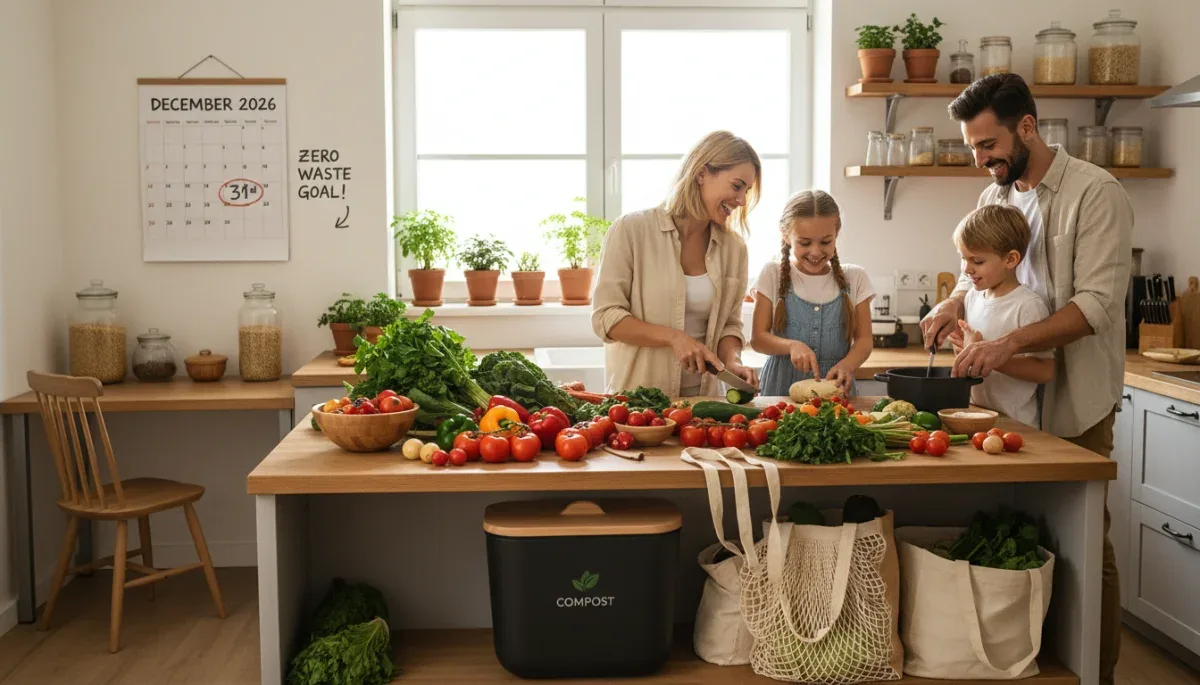
Adopting sustainable eating habits is essential for significantly reducing food waste in U.S. households, aiming for a 25% decrease by 2026 through conscious consumption and improved food management.
In the United States, a staggering amount of food goes to waste every year, impacting both our wallets and the environment. Embracing sustainable eating habits is not just a trend; it's a critical step towards a healthier future, with an ambitious goal to reduce U.S. household food waste by 25% by 2026. This article explores practical strategies and mindset shifts necessary to achieve this vital objective, turning everyday kitchen routines into powerful acts of sustainability.
Understanding the Food Waste Crisis in U.S. Households
Food waste is a pervasive issue with far-reaching consequences, extending beyond just financial costs. In U.S. households, a significant portion of purchased food never gets consumed, leading to environmental strain and missed opportunities for food security. Understanding the scale of this problem is the first step toward effective solutions.
Annually, American households discard an average of 30-40% of their food supply. This translates to billions of pounds of food ending up in landfills, where it decomposes and releases methane, a potent greenhouse gas. Beyond the environmental impact, this waste represents a colossal loss of resources—water, energy, and labor—used in producing, processing, and transporting food that ultimately goes uneaten.
The Economic and Environmental Toll
The financial burden on families is substantial. Wasting food means literally throwing money away, impacting household budgets that could otherwise be spent on other necessities. Environmentally, the decomposition of food in landfills contributes significantly to climate change, exacerbating global warming trends.
- Economic Impact: Billions of dollars lost annually from wasted food purchases.
- Environmental Impact: Methane emissions from landfills contribute to climate change.
- Resource Depletion: Wasted water, energy, and land used in food production.
- Social Inequity: Edible food often discarded while millions face food insecurity.
Recognizing the depth of this crisis empowers us to seek out and implement solutions. By focusing on sustainable eating habits, we can collectively work towards a future where food is valued, resources are conserved, and waste is minimized, moving closer to the 25% reduction target by 2026.
Mindful Meal Planning and Smart Shopping Strategies
One of the most effective ways to combat food waste begins before you even step into the grocery store. Mindful meal planning and smart shopping strategies are foundational components of sustainable eating habits, ensuring that you buy only what you need and use what you buy. This approach minimizes impulse purchases and ensures ingredients are utilized efficiently.
Start by assessing your current pantry and refrigerator contents. What do you already have on hand? How can you incorporate those items into your upcoming meals? This inventory check helps prevent duplicate purchases and encourages creativity in the kitchen. Next, plan your meals for the week, taking into account portion sizes and the number of people you're feeding. This systematic approach transforms grocery shopping into a precise mission rather than a random stroll.
Creating an Effective Shopping List
Once your meals are planned, create a detailed shopping list. Stick to this list diligently when at the store, resisting the temptation of bulk deals or enticing displays if those items aren't on your plan. Bulk buying can be counterproductive if a significant portion of the larger quantity spoils before it can be consumed. Focus on fresh, seasonal produce, which often has a longer shelf life and better flavor.
- Inventory First: Check fridge and pantry before planning.
- Plan Meals: Outline meals for the week, considering ingredients.
- Detailed List: Create a precise shopping list based on your meal plan.
- Stick to the List: Avoid impulse buys to prevent over-purchasing.
By integrating mindful meal planning and smart shopping into your routine, you gain greater control over your food supply, reduce unnecessary spending, and make significant strides toward achieving sustainable eating habits. These actions directly contribute to the national goal of reducing household food waste by 25% by 2026.
Optimizing Food Storage and Preservation Techniques
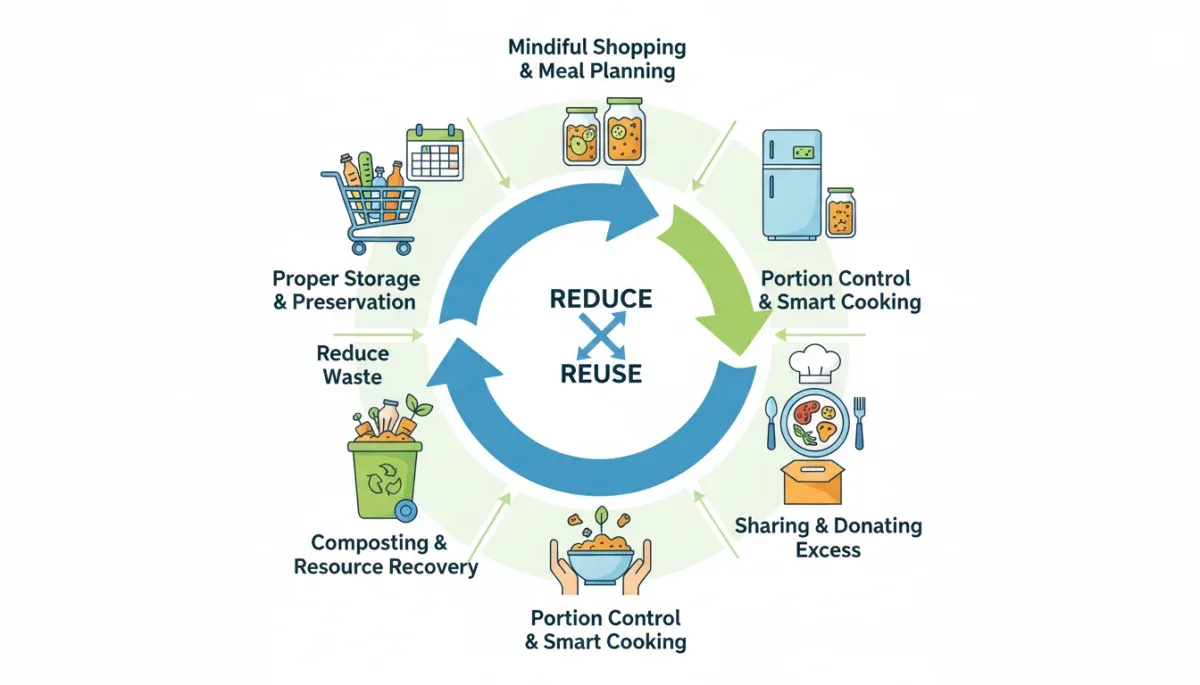
Even with the best meal planning and shopping, food waste can still occur if items are not stored correctly. Optimizing food storage and preservation techniques is a crucial aspect of developing sustainable eating habits. Proper storage extends the shelf life of your groceries, keeping them fresh and edible for longer, thereby reducing the likelihood of spoilage and subsequent waste.
Different foods require different storage conditions. For instance, many fruits and vegetables thrive in specific environments. Leafy greens often last longer when washed, dried, and stored in an airtight container with a paper towel to absorb excess moisture. Berries, on the other hand, should only be washed right before consumption to prevent premature molding. Understanding these nuances can significantly impact how long your produce stays fresh.
Innovative Preservation Methods
Beyond basic refrigeration, exploring various preservation methods can further enhance your ability to minimize waste. Freezing is an excellent option for a wide array of foods, from excess fruits and vegetables to cooked meals and bread. Blanching vegetables before freezing helps retain their color, texture, and nutritional value. Canning, pickling, and dehydrating are other traditional methods that can transform perishable goods into long-lasting pantry staples.
- Understand Food Needs: Learn specific storage requirements for different items.
- Airtight Containers: Use them for greens and leftovers to maintain freshness.
- Freezing: A versatile method for extending the life of many foods.
- Creative Preservation: Explore canning, pickling, or dehydrating for seasonal gluts.
By mastering these storage and preservation techniques, you empower yourself to make the most of every food item purchased. This not only saves money but also plays a direct role in fostering sustainable eating habits, bringing us closer to the national food waste reduction target.
Creative Cooking and Repurposing Leftovers
A significant portion of household food waste comes from uneaten leftovers or ingredients that are nearing their expiration. Embracing creative cooking and the art of repurposing leftovers are vital components of sustainable eating habits, transforming potential waste into delicious new meals. This approach encourages culinary innovation and maximizes the value of every ingredient.
Instead of discarding small portions of cooked food, think about how they can be incorporated into future dishes. A single chicken breast can become part of a stir-fry, a salad, or a sandwich filling. Leftover roasted vegetables can be blended into a soup, added to an omelet, or used as a topping for pizza. The key is to see leftovers not as an obligation, but as an opportunity for a quick and easy meal with minimal effort.
Turning Scraps into Culinary Gold
Beyond cooked meals, many food scraps often deemed unusable can be given a second life. Vegetable peels and trimmings can be simmered to create flavorful homemade broths, which can then be frozen for later use. Stale bread can be transformed into croutons, breadcrumbs, or French toast. Even fruit peels can be candied or infused into water for a refreshing drink. This mindset shift from 'waste' to 'resource' is central to sustainable eating.
- Reimagine Leftovers: Convert small portions into new, exciting meals.
- Batch Cooking: Prepare larger quantities and plan for intentional leftovers.
- Utilize Scraps: Turn vegetable peels into broth, stale bread into croutons.
- Flavor Infusion: Use fruit peels for infused water or candied treats.
By adopting a more creative and resourceful approach to cooking and managing leftovers, households can drastically reduce their food waste footprint. These practices not only enhance your cooking skills but also contribute directly to the broader objective of establishing sustainable eating habits and achieving the 25% food waste reduction goal.
Portion Control and Mindful Consumption
Often, food waste stems from simply serving or preparing too much. Practicing portion control and cultivating mindful consumption are fundamental aspects of sustainable eating habits, directly addressing overconsumption and preventing uneaten food from being discarded. This involves being attuned to your body's hunger cues and understanding appropriate serving sizes.
Before dishing out food, consider the actual amount you need to feel satisfied, not overly full. Using smaller plates can visually trick the brain into thinking you have a larger portion, helping to reduce the amount served. Encouraging family members to serve themselves, or to start with smaller portions and go back for seconds if truly hungry, can also be effective. This minimizes the likelihood of food remaining on plates at the end of a meal.
Eating with Intention
Mindful consumption extends beyond just portion sizes; it encompasses the entire eating experience. Pay attention to the flavors, textures, and aromas of your food. Eat slowly, savoring each bite, which allows your body time to register fullness. Avoiding distractions like screens during meals can also enhance this mindfulness, making you more aware of how much you're truly eating.
- Assess Hunger: Serve portions based on actual hunger, not habit.
- Smaller Plates: Use visual cues to aid in portion control.
- Self-Serving: Empower individuals to take what they will eat.
- Savor Each Bite: Eat slowly and without distraction to promote fullness.
By implementing portion control and practicing mindful consumption, households can significantly reduce plate waste, a common source of food disposal. These practices are cornerstones of sustainable eating habits, contributing to both personal well-being and the collective effort to reduce U.S. household food waste by 25% by 2026.
Composting and Food Waste Diversion Programs
Even with the most diligent efforts, some food waste is inevitable—think of fruit peels, coffee grounds, or unavoidable scraps. For these items, composting and participating in food waste diversion programs become essential components of truly sustainable eating habits. These methods ensure that organic waste returns to the earth in a beneficial way, rather than contributing to landfill emissions.
Composting transforms organic materials into nutrient-rich soil amendment, diverting it from landfills. Home composting can be done in various ways, from simple backyard piles to indoor worm farms. Many communities also offer municipal composting services or food scrap drop-off points, making it accessible even for those without yard space. Separating food scraps from general trash is a small habit with a significant positive environmental impact.
Community Initiatives and Policy Support
Beyond individual actions, supporting and participating in local food waste diversion programs is crucial. These might include initiatives to collect food scraps for commercial composting, or programs that connect surplus edible food with those in need. Advocacy for policies that encourage food waste reduction at all levels, from farm to fork, also plays a vital role in creating a more sustainable food system.
- Home Composting: Convert organic waste into valuable soil amendment.
- Community Programs: Utilize municipal composting or drop-off services.
- Food Recovery: Support initiatives that redistribute edible surplus food.
- Policy Advocacy: Encourage broader governmental and corporate food waste reduction efforts.
Integrating composting and actively engaging with food waste diversion programs completes the cycle of sustainable eating habits. It ensures that even unavoidable food scraps contribute to environmental health, effectively keeping them out of landfills and moving us closer to the ambitious goal of a 25% reduction in U.S. household food waste by 2026.
Educating and Engaging Your Household for Success
Achieving a significant reduction in food waste is a collective effort within the household. Educating and engaging every member, from children to adults, is paramount to embedding sustainable eating habits deeply into daily life. When everyone understands the 'why' and 'how,' the journey towards reducing waste becomes a shared mission rather than an individual burden.
Start by having open conversations about the impact of food waste—both on the environment and the family budget. Involve children in meal planning, grocery shopping, and even cooking. When they participate in the process, they develop a greater appreciation for food and are more likely to finish what's on their plate. Make it a fun and interactive learning experience, perhaps by tracking weekly waste or trying new recipes with leftovers.
Practical Steps for Family Engagement
Designate specific roles or tasks related to food management. One person might be responsible for checking expiration dates, another for creative repurposing of leftovers, and another for managing the compost bin. Visual aids, like a whiteboard in the kitchen for meal plans or a clear system for storing leftovers, can reinforce these habits. Celebrate small victories, like a week with minimal waste, to maintain motivation.
- Open Communication: Discuss food waste impacts with all family members.
- Involve Children: Engage them in meal planning and cooking.
- Assign Roles: Distribute food management tasks among household members.
- Visual Reminders: Use whiteboards or clear storage systems.
By fostering a household culture that values food and actively works to minimize waste, families can make remarkable progress. This collective engagement is a powerful driver for sustainable eating habits, ensuring that the goal of reducing U.S. household food waste by 25% by 2026 is not just met, but exceeded through concerted and informed action.
| Key Strategy | Brief Description |
|---|---|
| Mindful Planning | Plan meals and create shopping lists to buy only what's needed. |
| Smart Storage | Properly store food, use preservation techniques to extend shelf life. |
| Repurpose Leftovers | Transform uneaten food and scraps into new meals or broths. |
| Compost & Divert | Compost unavoidable waste and participate in local diversion programs. |
Frequently Asked Questions About Reducing Food Waste
What is the primary goal for U.S. household food waste reduction by 2026?▼The primary goal is to achieve a 25% reduction in food waste generated by U.S. households by the year 2026. This ambitious target aims to mitigate environmental impact and promote more efficient resource utilization across the nation.
How can meal planning help reduce food waste at home?▼Meal planning helps by ensuring you only buy what you intend to use. By creating a weekly menu and a corresponding shopping list, you can avoid impulse purchases and reduce the likelihood of food spoiling before it can be consumed, minimizing waste.
What are some effective ways to store produce to extend its shelf life?▼Effective storage includes understanding specific needs for different items. For example, leafy greens last longer in airtight containers with a paper towel, while berries should only be washed right before eating to prevent premature molding.
Is composting a viable option for everyone in the U.S. to reduce food waste?▼Yes, composting is widely viable. While backyard composting is an option, many communities offer municipal composting services or food scrap drop-off locations, making it accessible even for apartment dwellers or those without gardening space.
How can families engage children in sustainable eating habits?▼Involve children in meal planning, grocery shopping, and cooking. Educate them on the importance of not wasting food, and make it a fun, shared responsibility. Assigning small tasks can also foster a sense of ownership and reduce waste.
Conclusion
The journey towards significantly reducing food waste in U.S. households by 25% by 2026 is an achievable and necessary endeavor. By consciously adopting sustainable eating habits—from thoughtful meal planning and smart shopping to optimizing food storage, creatively repurposing leftovers, practicing portion control, and embracing composting—we can collectively make a profound impact. These practices not only conserve valuable resources and mitigate environmental harm but also lead to more efficient household budgets and a deeper appreciation for the food we consume. Every small change in our daily routines contributes to this larger goal, fostering a more sustainable and resilient food system for future generations.