Functional Fitness: Improve Movement, Prevent Decline by 20%
Advertisements
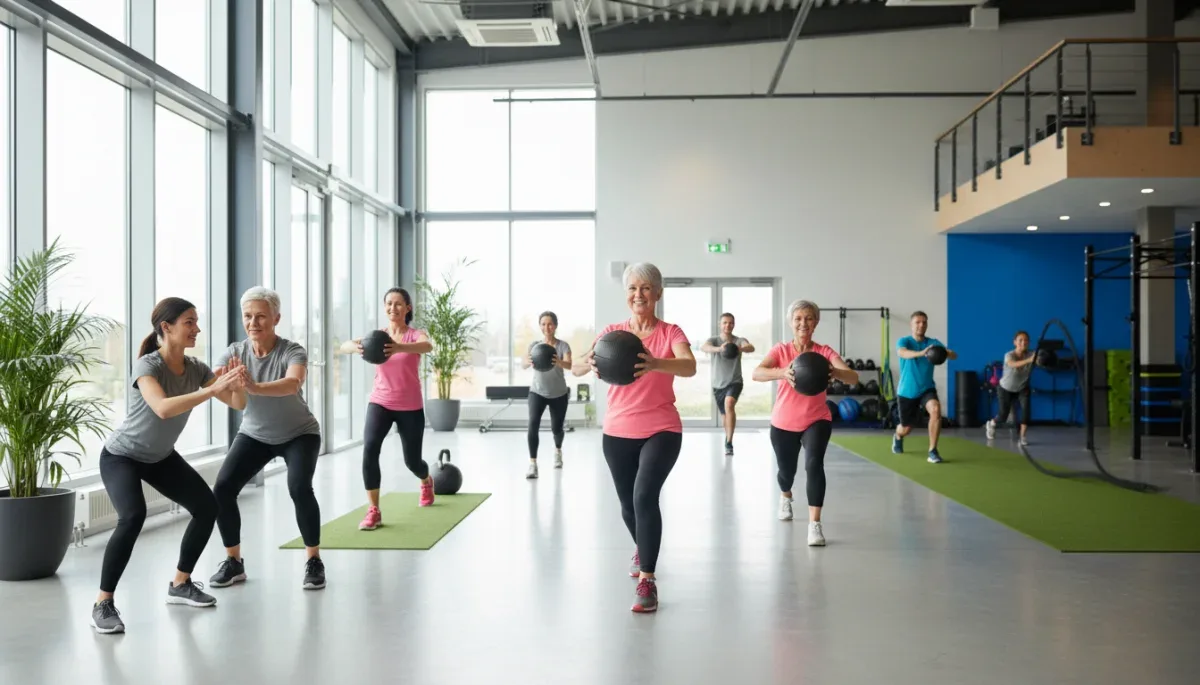
Functional fitness exercises are essential for enhancing daily movement, directly contributing to a remarkable 20% reduction in age-related physical decline by strengthening practical, everyday actions.
Are you looking to move with greater ease, reduce the risk of everyday injuries, and actively combat the natural decline that comes with aging? Functional fitness exercises are your answer. This approach to exercise focuses on movements that mimic real-life activities, preparing your body for the demands of daily living. By integrating these specific exercises into your routine, you can significantly improve your overall physical capability and potentially prevent age-related decline by a remarkable 20%.
Understanding Functional Fitness and Its Benefits
Functional fitness is more than just working out; it's about training your body to perform better in everyday situations. Unlike isolated exercises that target single muscles, functional movements engage multiple muscle groups and joints simultaneously, mirroring how your body moves naturally.
This holistic approach enhances your strength, balance, flexibility, and coordination, making tasks like lifting groceries, climbing stairs, or playing with grandchildren feel easier and safer. It’s about building a resilient body that can adapt to various challenges, reducing the likelihood of falls and injuries as you age. The goal is not just to look good, but to feel good and function optimally.
Why Functional Training Matters for Longevity
As we age, our bodies naturally experience a decline in muscle mass, bone density, and overall mobility. This process, known as sarcopenia and osteopenia, can significantly impact our quality of life. Functional fitness directly counters these effects by:
- Maintaining Muscle Mass: Compound movements stimulate greater muscle growth.
- Improving Bone Density: Weight-bearing exercises strengthen bones and reduce fracture risk.
- Enhancing Balance and Stability: Crucial for preventing falls, a major concern for older adults.
- Increasing Flexibility and Range of Motion: Keeps joints healthy and movements fluid.
By consistently challenging your body with functional movements, you are essentially investing in your future self, ensuring a higher degree of independence and vitality for years to come. This proactive approach is a cornerstone of healthy aging and sustained well-being.
The Science Behind Preventing Age-Related Decline
The concept of preventing age-related decline by 20% isn't a mere aspiration; it's grounded in extensive research on physical activity and longevity. Studies consistently show that individuals who maintain a regular exercise regimen, particularly one that includes functional movements, experience a slower rate of physical deterioration compared to their sedentary counterparts. This delay in decline translates to a longer period of independent living and a higher quality of life.
Functional exercises specifically target the neuromuscular pathways that are critical for maintaining motor control and quick reactions, which often diminish with age. By repeatedly engaging these pathways, you help preserve their efficiency, thereby slowing down the natural aging process at a cellular and systemic level. This proactive engagement helps to mitigate the effects of oxidative stress and inflammation, two key contributors to age-related cellular damage.
How Exercise Influences Cellular Health
Regular physical activity, especially functional training, has profound effects on cellular health. It stimulates mitochondrial biogenesis, meaning your cells create more mitochondria, the powerhouses that produce energy. This increased energy production is vital for maintaining cellular function and repair. Moreover, exercise helps regulate telomere length, which are protective caps on our chromosomes. Shorter telomeres are associated with accelerated aging and increased disease risk, while exercise has been shown to help preserve their length.
- Mitochondrial Boost: Enhances cellular energy production.
- Telomere Preservation: Protects DNA and slows cellular aging.
- Reduced Inflammation: Lowers systemic inflammation markers.
- Improved Circulation: Ensures efficient nutrient and oxygen delivery.
These cellular benefits collectively contribute to a more robust and resilient body, directly impacting your ability to stave off the physical manifestations of aging. The cumulative effect of these improvements can indeed lead to a significant reduction in the rate of age-related physical decline.
Exercise 1: The Masterful Squat for Lower Body Strength
The squat is arguably the most fundamental functional movement, mimicking the act of sitting down and standing up. It engages nearly every muscle in your lower body and core, making it an incredibly efficient exercise for building strength and improving mobility. A well-executed squat strengthens your glutes, quadriceps, hamstrings, and calves, while also challenging your core stability.
Mastering the squat is crucial for maintaining independence as you age, as it directly translates to everyday activities like getting out of a chair, picking up objects from the floor, or using the restroom. It also improves balance and coordination, reducing the risk of falls.
Proper Squat Technique
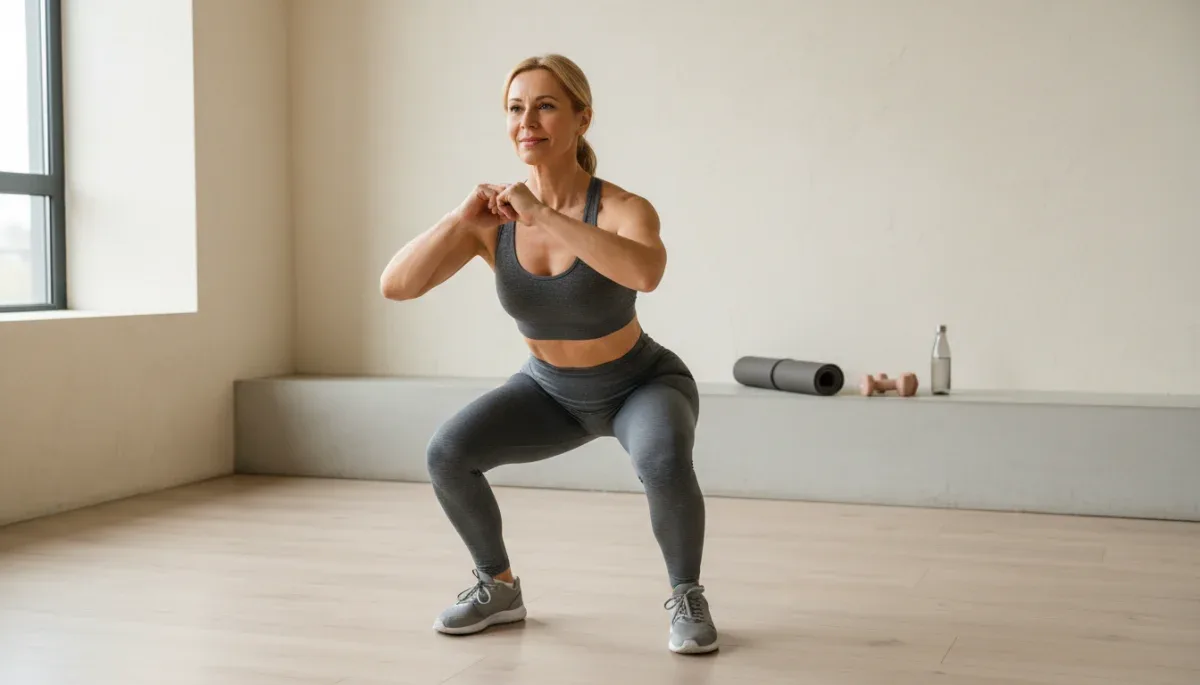
To perform a squat correctly, stand with your feet shoulder-width apart, toes pointing slightly outward. Keep your chest up, shoulders back, and core engaged. Initiate the movement by pushing your hips back as if you're sitting in a chair, bending your knees. Descend until your thighs are parallel to the floor, or as deep as your mobility allows without compromising form. Ensure your knees track in line with your toes and do not collapse inward. Push through your heels to return to the starting position, squeezing your glutes at the top.
- Feet Position: Shoulder-width apart, toes slightly out.
- Chest Up: Maintain a neutral spine throughout.
- Hips Back: Initiate with hip hinge, not knee bend.
- Knees Track Toes: Prevent knee injury by keeping them aligned.
Start with bodyweight squats, focusing on perfect form. As you get stronger, you can gradually add resistance with dumbbells, kettlebells, or a barbell to further challenge your muscles and continue building vital lower body strength and stability.
Exercise 2: Lunges for Balance and Unilateral Strength
Lunges are another powerhouse functional exercise, excellent for developing unilateral strength (strength in one limb at a time) and significantly improving balance. They mimic movements like walking, running, or stepping over obstacles, making them highly relevant to daily life. By working each leg independently, lunges help correct muscle imbalances and enhance stability, which is vital for preventing falls.
This exercise primarily targets the quadriceps, hamstrings, and glutes, while also engaging the core for stabilization. The dynamic nature of lunges improves coordination and proprioception, your body's sense of its position in space.
Executing a Perfect Lunge
Begin by standing tall with your feet hip-width apart. Take a large step forward with one leg, lowering your hips until both knees are bent at approximately a 90-degree angle. Ensure your front knee is directly above your ankle and your back knee hovers just above the floor. Keep your torso upright and core engaged. Push off your front foot to return to the starting position, then repeat on the other side. You can also perform reverse lunges or walking lunges to vary the movement.
Focus on controlled movements rather than speed. If balance is a concern, start by holding onto a stable surface, like a wall or chair, to assist you. As your strength and balance improve, you can progress to performing lunges without support and eventually add light weights. Consistent practice will build the foundational strength and stability needed for confident movement.
Exercise 3: The Plank for Core Stability and Posture
A strong core is the foundation of all functional movement. The plank is an isometric exercise that effectively strengthens your entire core, including your abdominal muscles, obliques, and lower back, without putting strain on your spine. A robust core provides stability for your entire body, improves posture, and helps prevent back pain, which often becomes more prevalent with age.
Beyond core strength, the plank also engages your shoulders, arms, and glutes, making it a comprehensive full-body stabilizer. Good core strength translates to better balance, more efficient movement patterns, and reduced risk of injury during everyday activities.
Mastering the Plank Hold
To perform a plank, start in a push-up position, then lower down onto your forearms, keeping your body in a straight line from head to heels. Your elbows should be directly under your shoulders, and your forearms parallel. Engage your core tightly, squeezing your glutes and quadriceps to prevent your hips from sagging or rising too high. Keep your gaze fixed on the floor slightly in front of you to maintain a neutral neck alignment.
- Body Alignment: Straight line from head to heels.
- Elbows Under Shoulders: Proper joint stacking for support.
- Core Engagement: Tighten abs and glutes.
- Neutral Neck: Look slightly forward, not down or up.
Hold this position for as long as you can maintain perfect form, aiming for 30-60 seconds. If a full plank is too challenging, start with a modified plank on your knees. Gradually increase your hold time as your core strength improves, focusing on quality over duration. Consistent plank practice will significantly enhance your core stability and overall functional strength.
Exercise 4: Push-Ups for Upper Body and Core Integration
The push-up is a classic functional exercise that builds strength in your chest, shoulders, triceps, and core. It mimics movements like pushing open a heavy door, pushing yourself up from the floor, or even pushing a lawnmower. This compound exercise requires significant upper body strength and core stability, making it excellent for overall functional fitness.
Beyond building muscle, push-ups improve shoulder stability and enhance your ability to control your body weight, which is crucial for maintaining physical independence. They also contribute to better posture by strengthening the muscles that support your upper back and shoulders.
Perfecting Your Push-Up
Start in a high plank position with your hands slightly wider than shoulder-width apart, fingers pointing forward. Your body should form a straight line from head to heels. Engage your core and glutes. Lower your chest towards the floor by bending your elbows, keeping them tucked slightly towards your body (not flaring out). Descend until your chest is just above the floor, or as far as you can comfortably go without breaking form. Push through your palms to return to the starting position, fully extending your arms.
If full push-ups are too difficult, start with incline push-ups against a wall or elevated surface. As you get stronger, gradually lower the incline until you can perform push-ups on your knees, and eventually, full push-ups on your toes. Focus on maintaining a straight body line and controlled movement throughout each repetition. This progression allows you to build strength safely and effectively.
Exercise 5: The Deadlift (Kettlebell or Dumbbell) for Posterior Chain Strength
The deadlift is one of the most effective exercises for building overall strength, particularly in the posterior chain (glutes, hamstrings, and lower back), which is vital for functional movement. It mimics the natural motion of picking something up from the ground safely and efficiently. A strong posterior chain is critical for preventing back injuries, improving posture, and enhancing power for activities like walking, running, and jumping.
While often associated with heavy lifting, the deadlift can be performed safely and effectively with lighter weights, such as kettlebells or dumbbells, making it accessible for a wide range of fitness levels. The key is perfect form to reap its immense benefits without risk.
Safe and Effective Deadlift Technique
Stand with your feet hip-width apart, with a kettlebell or dumbbells placed between your feet. Hinge at your hips, keeping a slight bend in your knees, and reach down to grasp the weight with both hands, maintaining a neutral spine. Your shins should be relatively vertical, and your chest up. Engage your core, squeeze your shoulder blades together slightly, and lift the weight by driving through your heels, extending your hips and knees simultaneously. Keep the weight close to your body throughout the movement. Lower the weight back to the floor by reversing the motion, hinging at the hips first.
- Hip Hinge First: Initiate with hips, not back.
- Neutral Spine: Avoid rounding your back.
- Weight Close: Keep the load near your body.
- Drive Through Heels: Power from legs, not arms.
Start with very light weight to master the hip hinge pattern. Many people find the kettlebell deadlift or Romanian deadlift (where the weight doesn't touch the floor) easier to learn initially. This exercise is transformative for building the functional strength needed for daily lifting and movement, safeguarding your back as you age.
Exercise 6: Farmer's Carry for Grip Strength and Core Endurance
The farmer's carry is a deceptively simple yet incredibly effective functional exercise that improves grip strength, core stability, and overall body endurance. It directly translates to everyday tasks like carrying groceries, luggage, or even children. A strong grip is essential for maintaining independence and performing countless daily activities, and it often declines with age.
This exercise engages your forearms, shoulders, traps, and core, while also challenging your cardiovascular system. It teaches your body to stabilize under load, improving posture and reducing the risk of injury when carrying heavy items.
Mastering the Farmer's Carry
Grab two heavy dumbbells or kettlebells, one in each hand. Stand tall with your shoulders back and down, chest up, and core tightly engaged. Your arms should hang naturally by your sides, with the weights not touching your body. Walk a designated distance (e.g., 50-100 feet) or for a set amount of time (e.g., 30-60 seconds), maintaining good posture throughout. Focus on taking short, controlled steps and breathing steadily.
The key to a successful farmer's carry is maintaining a rigid torso and avoiding slouching or leaning. If the weights are too heavy, you'll notice your posture compromising. Start with weights that challenge your grip but allow you to maintain excellent form for the entire duration or distance. This exercise will not only build formidable grip strength but also enhance your core endurance and overall resilience, making daily carrying tasks much easier and safer.
Exercise 7: Bird-Dog for Core Stability and Spinal Health
The bird-dog exercise is a fantastic low-impact movement that specifically targets core stability, balance, and coordination, all while protecting and strengthening your spine. It's particularly beneficial for individuals looking to improve their posture, alleviate lower back pain, and enhance their body awareness. This exercise teaches your core to stabilize your spine as your limbs move, a fundamental aspect of functional movement.
By engaging the deep stabilizing muscles of your core and back, the bird-dog helps create a strong and resilient foundation for all other movements, making it an excellent exercise for preventing age-related decline in spinal health and overall balance.
Executing the Bird-Dog with Precision
Start on your hands and knees in a tabletop position, with your wrists directly under your shoulders and your knees under your hips. Maintain a neutral spine, keeping your gaze on the floor. Engage your core by drawing your belly button towards your spine. Slowly extend one arm straight forward while simultaneously extending the opposite leg straight back, keeping both parallel to the floor. Imagine you are reaching with your fingertips and pushing through your heel. Avoid arching your back or rotating your hips.
Hold the extended position for a count of 2-3 seconds, focusing on stability, then slowly return to the starting position. Alternate sides, performing 8-12 repetitions on each side. The movement should be controlled and deliberate, emphasizing stability over speed. If extending both arm and leg simultaneously is too challenging, start by extending just one limb at a time. The bird-dog is an indispensable exercise for cultivating a strong and healthy core, crucial for maintaining mobility and preventing spinal issues as you age.
| Key Functional Exercise | Primary Benefit for Daily Movement |
|---|---|
| Squat | Improves sitting, standing, and lifting from the floor. |
| Lunge | Enhances balance for walking, climbing stairs, and stepping over obstacles. |
| Plank | Strengthens core for better posture and spinal stability in all movements. |
| Deadlift | Builds strength for safely lifting objects from the ground. |
Frequently Asked Questions About Functional Fitness
What is functional fitness and why is it important for aging?▼Functional fitness trains your body for real-life movements, improving strength, balance, and flexibility for daily tasks. It's crucial for aging because it helps maintain independence, reduces injury risk, and slows physical decline by strengthening practical movement patterns.
How often should I perform functional fitness exercises?▼For optimal benefits, aim for 3-5 sessions per week, allowing for rest days. Consistency is more important than intensity initially. As you progress, you can adjust frequency and duration based on your body's recovery and fitness goals.
Can functional fitness really prevent age-related decline by 20%?▼Yes, research indicates that consistent functional training can significantly slow the rate of age-related physical decline, with some studies suggesting a reduction of 20% or more. This is achieved by preserving muscle mass, bone density, and improving neuromuscular function.
Are these exercises suitable for beginners or older adults?▼Absolutely. The exercises can be modified to suit all fitness levels. Beginners and older adults should start with bodyweight or light resistance, focusing on proper form. Consulting a fitness professional is recommended to ensure safety and effectiveness.
What other benefits does functional fitness offer beyond physical?▼Beyond physical gains, functional fitness boosts cognitive function, improves mood, reduces stress, and enhances overall quality of life. The increased confidence in physical capabilities can also lead to greater social engagement and mental well-being.
Conclusion
Embracing functional fitness exercises is one of the most impactful decisions you can make for your long-term health and independence. By integrating movements that mirror daily activities into your routine, you're not just building muscle; you're cultivating a resilient body capable of navigating life's challenges with grace and strength. The seven exercises outlined here – squats, lunges, planks, push-ups, deadlifts, farmer's carries, and bird-dogs – form a powerful foundation for improving daily movement and actively combating age-related decline. Commit to these functional movements, and you'll not only enhance your physical capabilities but also secure a more vibrant, active, and independent future.