Genetic Testing for Preventive Health in 2026: What Data Means
Advertisements
Genetic testing for preventive health in 2026 provides actionable data for personalized disease prevention and optimized well-being.
In 2026, the landscape of healthcare is increasingly shaped by precision and personalization, with Understanding Genetic Testing for Preventive Health in 2026: What the Data Means for You becoming a cornerstone of proactive well-being. This article delves into how genetic insights are revolutionizing our approach to health, moving beyond reactive treatments to embrace predictive prevention. It's about empowering individuals with knowledge to make informed decisions about their future health.
The Evolution of Genetic Testing: From Curiosity to Clinical Utility
Genetic testing has transformed dramatically from a niche scientific pursuit into a powerful tool with significant clinical utility. Early genetic tests were often limited in scope, focusing on single-gene disorders with clear inheritance patterns. Fast forward to 2026, and the technology has advanced exponentially, offering comprehensive panels that scan vast portions of our genome for predispositions to complex diseases.
This evolution is not just about technological prowess; it's also about a deeper understanding of the interplay between our genes and environmental factors. We now recognize that while genes play a crucial role, they are not the sole determinants of our health destiny. Lifestyle choices, diet, exercise, and exposure to certain environmental agents all interact with our genetic makeup to influence disease risk.
Technological Advancements Driving Accessibility
The cost of sequencing a human genome has plummeted, making genetic testing more accessible than ever before. This affordability, coupled with increased public awareness, has fueled a surge in demand for these tests. Innovations in bioinformatics have also played a critical role, allowing for the efficient analysis and interpretation of vast amounts of genetic data.
- Next-Generation Sequencing (NGS): Enables rapid and cost-effective sequencing of entire genomes or specific gene panels.
- CRISPR Technology: While primarily a gene-editing tool, its underlying principles contribute to our understanding of gene function and disease pathways.
- AI and Machine Learning: Crucial for processing and interpreting complex genetic data, identifying patterns, and predicting disease risks.
The journey of genetic testing from a research tool to a mainstream preventive health strategy is a testament to scientific innovation and a growing societal commitment to personalized medicine. Understanding these advancements is the first step towards leveraging genetic data for your own health.
Decoding Your DNA: What Preventive Health Genetic Tests Reveal
Preventive health genetic tests in 2026 offer a window into your unique biological blueprint, providing insights that can inform highly personalized health strategies. These tests go beyond ancestry reports, delving into predispositions for a wide range of conditions, from common chronic diseases to certain cancers and even medication responses.
The data revealed can be broadly categorized into several key areas. Understanding these categories helps individuals and their healthcare providers make sense of the results and develop actionable plans. It's not about receiving a definitive diagnosis, but rather about assessing risk and identifying areas where proactive intervention can be most effective.
Key Areas of Insight from Genetic Testing
Genetic tests can illuminate your susceptibility to various conditions, allowing for targeted preventive measures. This includes identifying genetic markers associated with increased risk for heart disease, certain types of cancer (like breast, ovarian, and colorectal), and even neurodegenerative disorders. Knowing these predispositions empowers individuals to work with their doctors on tailored screening schedules, lifestyle modifications, and early interventions.
- Disease Risk Assessment: Identifies genetic variants linked to increased risk for common and rare diseases.
- Pharmacogenomics: Predicts how an individual will respond to certain medications, optimizing drug choice and dosage.
- Carrier Screening: Determines if an individual carries a gene for a recessive disorder that could be passed on to offspring.
- Nutrigenomics: Offers insights into how your genes interact with your diet, guiding personalized nutritional recommendations.
The power of these tests lies in their ability to shift healthcare from a one-size-fits-all model to a highly individualized approach. By understanding what your DNA is telling you, you can take a more active and informed role in managing your health.

The Promise of Personalized Prevention: Tailoring Health Strategies
The true value of genetic testing for preventive health lies in its capacity to usher in an era of personalized prevention. In 2026, this means moving beyond general health recommendations to bespoke strategies meticulously crafted to your unique genetic profile. Imagine a world where your diet, exercise regimen, and even medical screenings are precisely aligned with your inherent biological predispositions.
This personalization is not merely about convenience; it's about optimizing health outcomes and maximizing the effectiveness of preventive measures. By identifying specific risks early, individuals can implement targeted interventions, potentially delaying or even preventing the onset of chronic conditions. This proactive stance can lead to a significant improvement in quality of life and a reduction in healthcare burdens.
Implementing Genetic Insights into Daily Life
Translating genetic data into actionable health strategies requires a collaborative effort between individuals and their healthcare providers. It involves understanding the nuances of genetic predispositions and integrating them with lifestyle factors, family history, and personal preferences. The goal is to create a holistic preventive plan that is both scientifically sound and practically achievable.
- Dietary Adjustments: Modifying diet based on genetic predispositions for nutrient absorption or metabolic pathways.
- Exercise Regimens: Tailoring physical activity to genetic factors influencing muscle response and cardiovascular health.
- Targeted Screenings: Implementing more frequent or specialized screenings for conditions where genetic risk is elevated.
- Medication Optimization: Using pharmacogenomic data to select the most effective and safest medications.
The promise of personalized prevention is not just about avoiding illness; it's about achieving optimal health and well-being. By embracing genetic insights, we can unlock a new level of control and agency over our health journey.
Navigating the Ethical and Privacy Landscape of Genetic Data
As genetic testing becomes more prevalent, so too do the discussions surrounding the ethical implications and privacy of our genetic data. In 2026, these concerns are at the forefront, demanding robust frameworks and transparent practices to ensure that this powerful information is used responsibly and securely. The very personal nature of genetic data necessitates careful consideration of who has access to it and how it is utilized.
The potential for discrimination, both in employment and insurance, is a significant concern that policy makers and healthcare providers are actively addressing. Safeguarding individual privacy while maximizing the public health benefits of genetic research presents a complex challenge. Striking the right balance requires ongoing dialogue and the development of clear ethical guidelines.
Ensuring Data Security and Informed Consent
Robust data security measures are paramount to protect sensitive genetic information from unauthorized access. This includes advanced encryption, secure storage protocols, and strict access controls. Equally important is the concept of informed consent, ensuring that individuals fully understand what their genetic data will be used for before agreeing to testing.
- Data Encryption: Protecting genetic data during transmission and storage.
- Access Controls: Limiting who can view and utilize genetic information.
- Genetic Information Nondiscrimination Act (GINA): A U.S. law prohibiting discrimination based on genetic information in health insurance and employment.
- Transparent Policies: Clearly outlining how data is collected, stored, and shared.
Navigating this intricate landscape requires a commitment to both technological security and ethical principles. As genetic testing continues to evolve, so too must our approach to protecting the privacy and rights of individuals.
Challenges and Limitations: A Realistic Look at Genetic Testing
While the benefits of genetic testing for preventive health are undeniable, it's crucial to approach this technology with a realistic understanding of its challenges and limitations. In 2026, despite significant advancements, genetic testing is not a crystal ball that can definitively predict every health outcome. It provides probabilities and predispositions, not certainties.
One of the primary challenges lies in the interpretation of complex genetic data. Many diseases are multifactorial, meaning they are influenced by a combination of multiple genes and environmental factors. Isolating the precise impact of a single genetic variant can be difficult, and the clinical significance of some findings may still be uncertain. Moreover, the absence of a genetic predisposition does not guarantee immunity from a disease.
Understanding Incomplete Penetrance and Variable Expressivity
Not everyone with a genetic predisposition will develop the associated condition, a phenomenon known as incomplete penetrance. Similarly, variable expressivity means that even among individuals with the same genetic mutation, the severity and manifestation of the disease can differ significantly. These biological realities underscore the need for careful interpretation and genetic counseling.
- Polygenic Risk Scores: Still evolving, these scores combine the effects of multiple genetic variants but are not yet perfect predictors.
- Environmental Factors: Lifestyle, diet, and exposure often play a more significant role than single genes in complex diseases.
- Ethical Dilemmas: The psychological impact of receiving information about untreatable conditions.
- Regulation and Standards: Ensuring consistency and reliability across different testing providers remains a challenge.
A realistic perspective on genetic testing involves acknowledging its immense potential while also recognizing its current boundaries. It's a powerful tool, but one that should be used as part of a broader, holistic approach to health, guided by medical professionals.
Integrating Genetic Data into Your Healthcare Journey
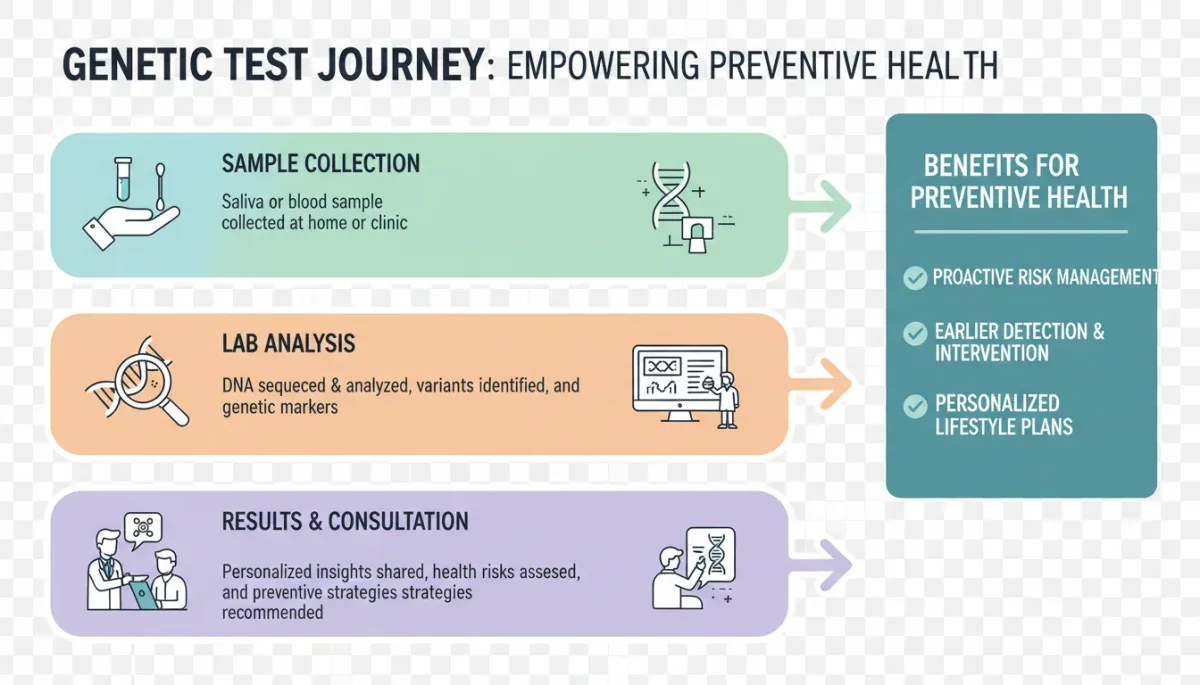
Successfully integrating genetic data into your personal healthcare journey in 2026 requires a proactive and collaborative approach. It's not enough to simply get a test; the real value comes from understanding the results and working with your healthcare team to develop an actionable plan. This integration moves beyond a single test result to become an ongoing conversation about your health trajectory.
The process typically involves several key steps, starting with careful consideration of which tests are appropriate for your individual circumstances. Engaging with genetic counselors and medical professionals is crucial to ensure that the data is interpreted correctly and translated into meaningful health strategies. This collaborative model empowers individuals to take ownership of their health with informed decisions.
The Role of Genetic Counselors and Healthcare Providers
Genetic counselors are indispensable in this process. They possess the expertise to explain complex genetic concepts, interpret test results, and discuss the implications for your health and family. They can help you understand your risks, explore preventive options, and navigate any emotional or ethical considerations that may arise.
- Pre-test Counseling: Discussing the benefits, risks, and limitations of genetic testing.
- Post-test Counseling: Interpreting results and developing personalized health plans.
- Primary Care Integration: Your primary care physician plays a vital role in incorporating genetic insights into your overall health management.
- Specialist Referrals: Connecting you with specialists for targeted prevention or early intervention based on genetic predispositions.
Integrating genetic data into your healthcare journey is about building a comprehensive, personalized health strategy. It's a journey that combines cutting-edge science with expert guidance to help you live a healthier, more informed life.
The Future of Preventive Health: Beyond 2026 and Beyond
Looking beyond 2026, the future of preventive health, deeply intertwined with genetic insights, promises even more revolutionary advancements. We are on the cusp of an era where genetic information will not just inform risk, but actively guide interventions at a molecular level. The ongoing research into gene editing, advanced pharmacogenomics, and the integration of AI will further refine our ability to predict, prevent, and even preempt disease.
Imagine a future where your genetic profile is a dynamic tool, constantly updated with new research findings and integrated with real-time biometric data from wearables. This holistic approach will allow for truly continuous and adaptive preventive care, shifting the paradigm from treating illness to sustaining optimal wellness throughout a lifespan. The potential to extend healthy lifespans and dramatically reduce the burden of chronic disease is immense.
Emerging Technologies and Their Impact
Several emerging technologies are set to profoundly impact how genetic data is used in preventive health. These innovations will enhance our understanding of gene-environment interactions, improve the precision of risk prediction, and unlock new avenues for personalized interventions.
- Single-Cell Sequencing: Analyzing genetic material from individual cells for more granular insights into disease development.
- Epigenomics: Studying how environmental factors influence gene expression without altering the DNA sequence itself.
- AI-Driven Diagnostics: Leveraging artificial intelligence to identify subtle patterns in genetic data that predict disease onset years in advance.
- CRISPR-Based Therapies: The potential for gene editing to correct genetic predispositions before disease manifests.
The journey of genetic testing for preventive health is far from over; it is an exciting and rapidly evolving field. As technology advances and our understanding deepens, the future promises an even more personalized, predictive, and powerful approach to maintaining our health and well-being.
| Key Aspect | Brief Description |
|---|---|
| Personalized Risk | Identifies individual genetic predispositions to various diseases, informing proactive health choices. |
| Actionable Insights | Translates complex genetic data into practical recommendations for diet, exercise, and medical screenings. |
| Ethical Considerations | Highlights the importance of data privacy, informed consent, and non-discrimination in genetic testing. |
| Future Potential | Envisions advanced integrations with AI and epigenomics for even more precise and dynamic preventive care. |
Frequently Asked Questions About Genetic Testing for Preventive Health
What exactly is genetic testing for preventive health?▼It's a type of test that analyzes your DNA to identify specific genetic variations or mutations associated with an increased risk of developing certain diseases. The goal is to provide insights for proactive health management and personalized prevention strategies.
How accurate are these genetic tests in 2026?▼While the technology is highly accurate in identifying genetic markers, interpreting their clinical significance requires expertise. They indicate predispositions, not certainties, as many diseases are complex and influenced by multiple genetic and environmental factors. Accuracy in identifying markers is high, but predictive power varies.
Will my genetic data be kept private and secure?▼Reputable genetic testing companies and healthcare providers employ stringent security measures, including encryption and strict access controls. Laws like GINA in the U.S. also provide protections against discrimination based on genetic information in health insurance and employment. Always review privacy policies carefully.
Can genetic testing tell me what diet or exercise is best for me?▼Yes, through nutrigenomics and pharmacogenomics, genetic testing can offer insights into how your body processes certain nutrients or responds to specific types of exercise. This information can guide personalized dietary and fitness recommendations, optimizing your health strategy.
Should I consult a genetic counselor before getting tested?▼Absolutely. A genetic counselor can help you understand the benefits, risks, and limitations of genetic testing, interpret your results accurately, and guide you in developing a personalized health plan based on your unique genetic insights and family history.
Conclusion
As we navigate 2026, Understanding Genetic Testing for Preventive Health in 2026: What the Data Means for You stands out as a pivotal advancement in healthcare. This powerful tool offers unprecedented insights into our individual predispositions, empowering us to make informed and proactive decisions about our health. While challenges related to interpretation, ethics, and privacy persist, the trajectory is clear: genetic testing is revolutionizing preventive care, fostering a future where health strategies are as unique as our DNA. By embracing this technology thoughtfully and with professional guidance, individuals can unlock a new era of personalized well-being.