Financial Incentives for Preventive Care: US Employers' 2026 Savings
Advertisements
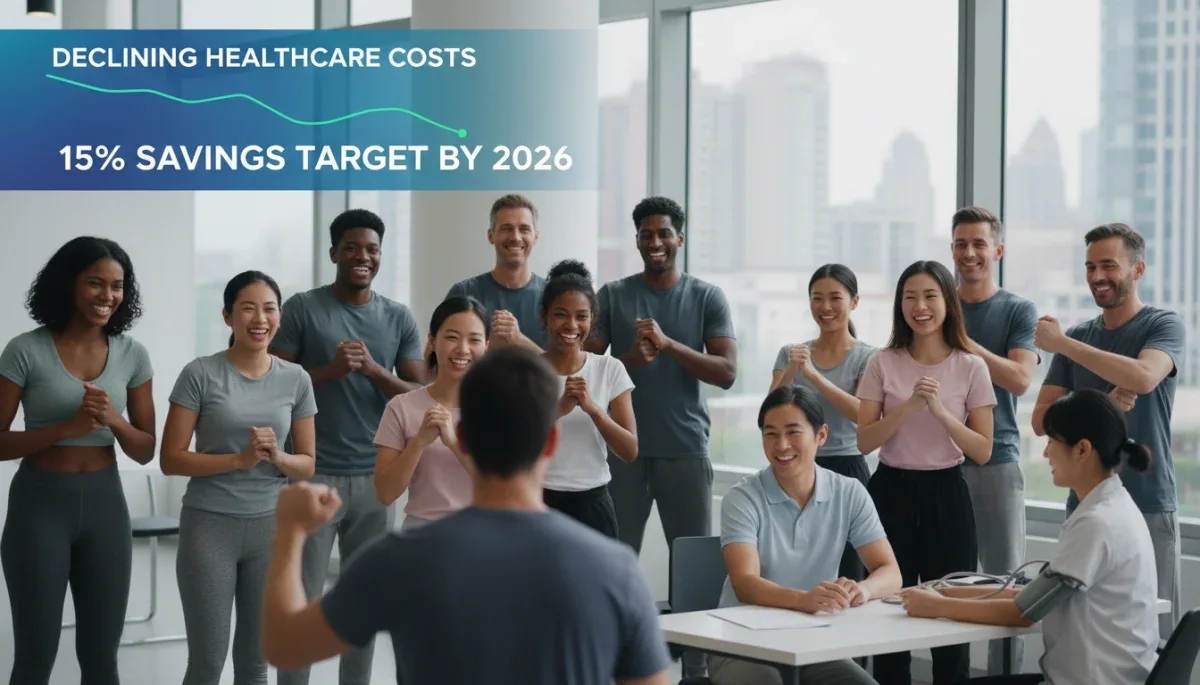
US employers are strategically implementing financial incentives for preventive care to achieve a projected 15% reduction in healthcare costs by 2026, fostering healthier workforces and sustainable economic benefits.
In an evolving healthcare landscape, understanding how financial incentives for preventive care are reshaping employer strategies is crucial. US employers are now proactively investing in employee well-being, not just as a moral imperative, but as a robust financial strategy. This approach is poised to deliver significant returns, with projections indicating a remarkable 15% reduction in healthcare costs by 2026.
The rising tide of healthcare costs in the US
Healthcare expenditures in the United States have long been a formidable challenge for businesses of all sizes. The relentless climb in premiums, deductibles, and out-of-pocket expenses places immense pressure on corporate budgets, often impacting profitability and employee compensation alike. This escalating trend necessitates innovative solutions that address the root causes of poor health rather than simply managing its symptoms.
Traditionally, employer-sponsored health plans have focused on reactive care, covering treatments for existing illnesses. However, this model proves increasingly unsustainable. The financial burden associated with chronic diseases, many of which are preventable, highlights the urgent need for a paradigm shift. Employers are recognizing that a healthier workforce translates directly into lower medical claims and enhanced productivity.
The imperative to control costs is not merely about financial prudence; it's about fostering a stable and engaged workforce. Employees burdened by health issues or high medical bills are often less productive and more prone to absenteeism. This broader impact underscores why a strategic pivot towards preventive care is no longer optional but essential for long-term business viability and employee welfare.
Defining financial incentives for preventive care
Financial incentives for preventive care encompass a range of strategies designed to encourage employees to engage in healthy behaviors and utilize preventive health services. These incentives move beyond simple wellness programs, directly linking financial rewards to measurable health outcomes or participation in specific health-promoting activities. The goal is to make healthy choices more attractive and financially beneficial for employees.
These incentives can take various forms, from direct monetary rewards to reduced insurance premiums or contributions to health savings accounts. The effectiveness of such programs hinges on their design, communication, and the perceived value by employees. When implemented thoughtfully, these incentives can create a powerful motivation for individuals to take a more active role in managing their health.
Ultimately, a well-structured incentive program isn't just about saving money; it's about cultivating a culture of health within the workplace. It empowers employees with the resources and motivation to improve their well-being, leading to a healthier, more resilient, and more productive workforce for the employer.
Types of employer-sponsored incentives
Employers are deploying a diverse array of incentives to encourage preventive health. The choice of incentive often depends on the company's culture, budget, and specific health objectives.
- Premium reductions: Offering lower health insurance premiums to employees who meet certain health criteria or participate in wellness activities. This is a powerful motivator as it directly impacts their monthly expenses.
- Health savings account (HSA) contributions: Employers contribute funds to employees' HSAs for completing health risk assessments, biometric screenings, or achieving health goals. This provides tax-advantaged funds for future medical expenses.
- Gift cards and cash rewards: Direct financial rewards for engaging in preventive behaviors like getting an annual physical, completing health education modules, or joining smoking cessation programs.
- Wellness stipends: Funds allocated for fitness memberships, healthy food subscriptions, or other health-related expenses, giving employees flexibility in how they pursue wellness.
These varied approaches allow employers to tailor programs to their specific workforce, ensuring maximum engagement and effectiveness. The key is to make the incentives meaningful and achievable for the majority of employees.
The direct link: preventive care and cost reduction
The connection between preventive care and reduced healthcare costs is well-established. By addressing health risks early and promoting healthy lifestyles, employers can significantly decrease the incidence of chronic diseases and the severity of existing conditions. This proactive approach avoids more expensive treatments down the line.
Conditions like type 2 diabetes, heart disease, and certain cancers often develop over time and are heavily influenced by lifestyle factors. Regular screenings, vaccinations, and health coaching can identify risks early, enabling interventions that prevent or delay the onset of these costly illnesses. The financial savings accumulate not just from avoiding hospitalizations but also from reduced prescription costs and fewer specialist visits.
Moreover, preventive care extends beyond physical health. Mental health screenings and access to counseling services can mitigate the impact of stress and mental illness, which are significant contributors to absenteeism and presenteeism. A holistic approach to prevention yields comprehensive benefits, both for individual employees and the employer's bottom line.
Case studies and statistical evidence
Numerous studies and real-world examples consistently demonstrate the financial efficacy of preventive care programs. Companies that invest in robust wellness initiatives often report substantial reductions in healthcare spending over time. These programs contribute to a healthier workforce, which in turn leads to lower insurance claims and increased productivity.
For instance, a major manufacturing company implemented a comprehensive wellness program that included financial incentives for biometric screenings and health coaching. Within three years, they observed a 10% reduction in healthcare claims per employee, primarily driven by a decrease in chronic disease-related expenses. Another tech firm saw a significant drop in emergency room visits after introducing incentives for annual physicals and flu shots.
Such data reinforces the argument that upfront investment in preventive care is a powerful cost-containment strategy. The return on investment (ROI) for well-designed wellness programs can range from 1.5:1 to 3:1, meaning for every dollar spent, employers save between $1.50 and $3 in healthcare costs and productivity gains. These statistics provide compelling evidence for the projected 15% savings by 2026.
Designing effective incentive programs for 2026
Creating an effective financial incentive program for preventive care requires careful planning and a deep understanding of employee needs and motivations. It's not enough to simply offer a reward; the program must be accessible, engaging, and perceived as fair. The goal is to foster sustained behavioral change, not just one-off participation.
A key aspect of program design is personalization. While some incentives might appeal broadly, offering a variety of options or tailoring programs to different demographic groups within the workforce can significantly boost engagement. Clear communication about the benefits and how to participate is also vital to ensure employees understand and utilize the available resources.
Furthermore, integrating these incentives within a broader culture of health is crucial. Leadership buy-in, supportive policies, and a workplace environment that promotes well-being can amplify the impact of financial rewards. As we look towards 2026, programs will need to be increasingly sophisticated, leveraging data and technology to optimize outcomes.
Key components of successful programs
Successful incentive programs share several common characteristics that contribute to their effectiveness and longevity. These components ensure that programs are not only well-received but also achieve their intended health and financial goals.
- Clear objectives and metrics: Defining what the program aims to achieve (e.g., reduce smoking rates, increase physical activity) and how success will be measured.
- Voluntary participation: Ensuring programs are elective, respecting employee autonomy while still encouraging engagement through attractive incentives.
- Reasonable achievement standards: Setting health goals or participation requirements that are challenging yet attainable for a broad range of employees.
- Privacy and confidentiality: Guaranteeing that individual health data collected remains confidential and is used solely for program improvement, not for discriminatory purposes.
- Integration with existing benefits: Seamlessly incorporating wellness incentives into existing health benefits packages to create a cohesive and comprehensive approach to employee well-being.
By focusing on these core elements, employers can build robust programs that resonate with their workforce and drive meaningful health improvements, leading to the anticipated 15% healthcare cost savings.
Overcoming challenges in implementation
Implementing financial incentive programs for preventive care is not without its hurdles. Employers must navigate issues such as legal compliance, employee privacy concerns, and ensuring equitable access for all employees. Addressing these challenges proactively is essential for the program's success and sustainability.
One significant challenge is compliance with regulations like HIPAA and the Affordable Care Act (ACA), which impose restrictions on wellness program design, particularly concerning health-contingent incentives. Employers must ensure their programs do not discriminate based on health status and offer reasonable alternatives for individuals who cannot meet certain health standards due to medical conditions.
Another common obstacle is employee skepticism or lack of engagement. Some employees may view wellness programs as intrusive or question the employer's motives. Building trust through transparent communication, demonstrating genuine care for employee well-being, and involving employees in the design process can help overcome these barriers. Overcoming these challenges will be critical for US employers to realize the full potential of these programs by 2026.
Ensuring equity and compliance
Equity and compliance are paramount for the long-term success and ethical standing of any incentive program. Without these considerations, programs risk alienating segments of the workforce or facing legal repercussions. Employers must strive to create inclusive programs that benefit everyone.
- Reasonable alternative standards: Offering alternative ways for employees with medical conditions to earn incentives, ensuring fairness and non-discrimination.
- ADA and GINA compliance: Adhering to the Americans with Disabilities Act (ADA) and the Genetic Information Nondiscrimination Act (GINA) to protect employee rights regarding health information.
- Clear communication of rules: Providing employees with easily understandable information about program rules, eligibility, and how to earn rewards.
- Data security: Implementing robust measures to protect sensitive health information, building employee trust and ensuring privacy.
By prioritizing equity and maintaining strict adherence to legal standards, employers can build programs that are not only effective but also ethical and trusted by their workforce. This foundation is crucial for achieving widespread adoption and the ambitious savings targets for 2026.
The 2026 outlook: sustained savings and healthier workforces
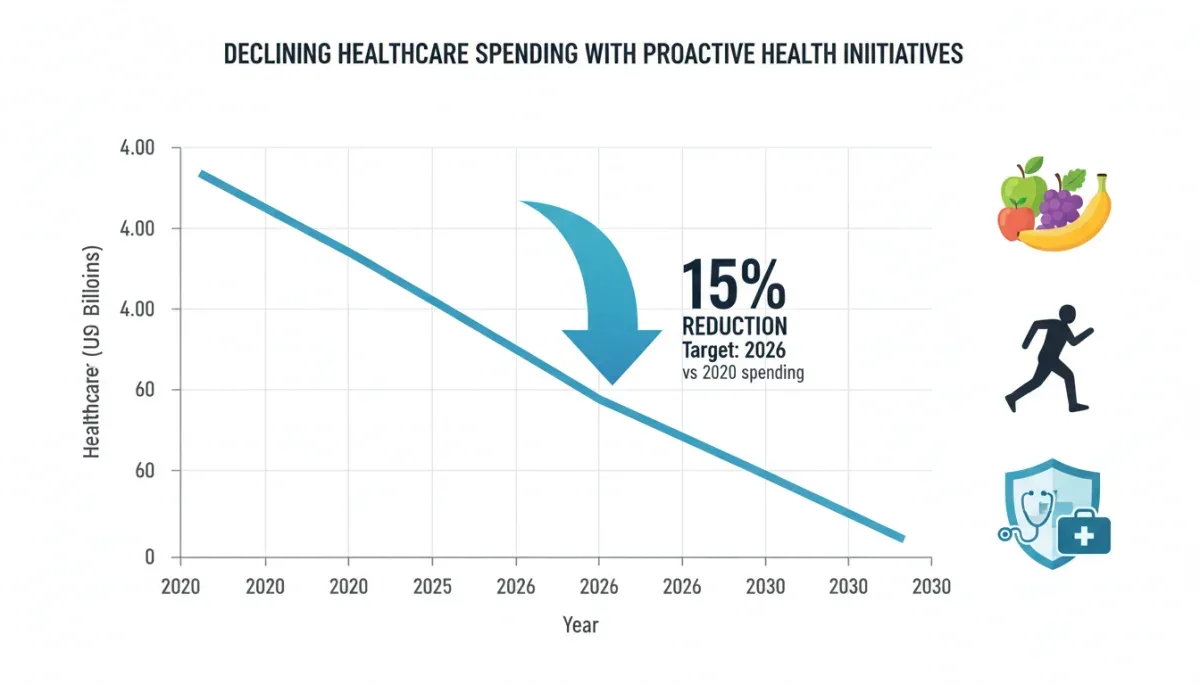
Looking ahead to 2026, the trend of employers leveraging financial incentives for preventive care is expected to accelerate, driven by both the proven cost savings and a growing understanding of employee well-being's strategic importance. The projected 15% reduction in healthcare costs by US employers is a significant milestone that underscores this shift.
This future will likely see more sophisticated programs, potentially integrating advanced analytics and AI to personalize health interventions and incentive structures. Wearable technology and digital health platforms will play an even larger role in tracking progress and providing real-time feedback, further empowering employees to manage their health proactively. The focus will remain on quantifiable outcomes and a clear return on investment.
Ultimately, the landscape of employer-sponsored healthcare will transform from a reactive system to a proactive ecosystem of health and wellness. This evolution promises not only substantial financial benefits for businesses but also a healthier, more engaged, and more productive workforce across the United States. The journey to 2026 is about smart investment in human capital.
| Key Aspect | Impact on Healthcare Costs |
|---|---|
| Early Detection | Significantly reduces costs by preventing advanced disease stages and expensive treatments. |
| Lifestyle Changes | Lowers incidence of chronic diseases, leading to fewer claims and lower pharmaceutical expenses. |
| Employee Engagement | Boosts participation in wellness, enhancing overall workforce health and productivity, reducing absenteeism. |
| Return on Investment | Well-designed programs yield substantial ROI, with savings often exceeding initial investment. |
Frequently asked questions about preventive care incentives
What are financial incentives for preventive care?▼These are rewards employers offer to encourage employees to engage in healthy behaviors and use preventive health services. Examples include reduced premiums, HSA contributions, or cash for health screenings and wellness program participation.
How do these incentives reduce healthcare costs?▼By promoting early detection and healthy lifestyles, incentives help prevent or manage chronic diseases. This reduces the need for expensive treatments, hospitalizations, and prescription medications, leading to overall lower claims.
What types of incentives are most effective?▼Effective incentives are typically those that are meaningful to employees, clearly communicated, and achievable. Premium reductions and HSA contributions often show strong engagement, alongside personalized wellness stipends.
What challenges do employers face in implementing these programs?▼Challenges include ensuring compliance with regulations like HIPAA and ACA, addressing employee privacy concerns, and fostering genuine engagement. Designing equitable programs that cater to diverse employee needs is also crucial.
Why is 2026 a significant year for these programs?▼2026 is projected to be a landmark year where US employers anticipate achieving a substantial 15% reduction in healthcare costs through the widespread and optimized implementation of financial incentives for preventive care.
Conclusion
The strategic adoption of financial incentives for preventive care represents a transformative shift in how US employers approach healthcare. By proactively investing in employee health and well-being, businesses are not only fostering a healthier and more productive workforce but are also poised to realize significant financial benefits, with a projected 15% reduction in healthcare costs by 2026. This forward-thinking approach underscores a clear understanding that a healthy workforce is the bedrock of a resilient and prosperous organization, making preventive care a cornerstone of modern business strategy.