Gut Health & Mental Well-being: 3 Dietary Changes for US Consumers 2026
Advertisements

The significant link between gut health and mental well-being is increasingly evident, with dietary modifications offering a powerful pathway for US consumers to positively influence their psychological state by 2026.
The intricate relationship between our digestive system and our mental state is far more profound than once imagined. Understanding the connection between gut health and mental well-being is crucial for US consumers seeking holistic health in 2026, and simple dietary shifts can make a significant difference.
The Gut-Brain Axis: A Two-Way Street
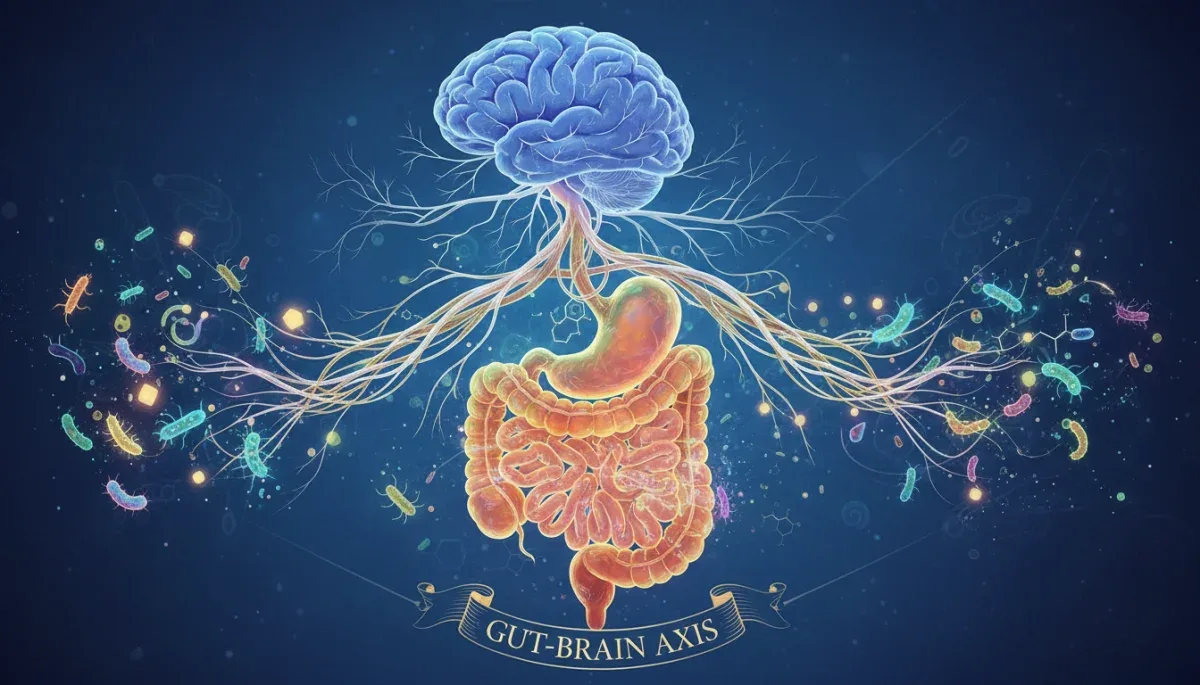
The concept of the gut-brain axis is revolutionizing our understanding of health. This complex communication network links the central nervous system with the enteric nervous system, which governs gut function. It's not just about digestion; it's about a constant dialogue influencing everything from mood to immunity.
Emerging research consistently highlights how the trillions of microorganisms residing in our gut, collectively known as the gut microbiota, play a pivotal role in this communication. They produce neurotransmitters, short-chain fatty acids, and other compounds that directly impact brain function and emotional regulation.
Understanding the Microbiota's Influence
Our gut microbiota is a diverse ecosystem, and its balance is critical for overall health. An imbalance, often termed dysbiosis, has been linked to various mental health conditions, including anxiety, depression, and even neurological disorders. The bacteria in our gut can influence inflammation, nutrient absorption, and even the production of serotonin, a key neurotransmitter for mood.
- Neurotransmitter Production: Gut bacteria produce up to 90% of the body's serotonin and a significant amount of GABA, both crucial for mood and anxiety regulation.
- Inflammation Modulation: A healthy gut barrier prevents inflammatory compounds from entering the bloodstream, which can otherwise contribute to systemic inflammation and brain dysfunction.
- Nutrient Synthesis: Gut microbes help synthesize essential vitamins, such as B vitamins and vitamin K, vital for neurological health.
Therefore, nurturing a diverse and healthy gut microbiome is not merely about digestive comfort; it's a foundational step towards optimizing mental well-being. By 2026, US consumers are increasingly recognizing this profound link and seeking actionable strategies.
Dietary Change 1: Embrace Fermented Foods for Probiotics
One of the most impactful dietary changes US consumers can make for improved mental well-being is to regularly incorporate fermented foods into their diet. These foods are natural sources of probiotics, beneficial live microorganisms that replenish and diversify the gut microbiota, directly supporting the gut-brain axis.
Probiotics have been extensively studied for their potential to alleviate symptoms of anxiety and depression. By introducing a rich array of beneficial bacteria, fermented foods can help restore balance to the gut, reduce inflammation, and enhance the production of mood-regulating compounds.
Popular Probiotic-Rich Foods
Integrating fermented foods doesn't have to be complicated. Many delicious options are readily available and can be easily incorporated into daily meals. The key is consistency and variety to ensure a broad spectrum of beneficial strains.
- Yogurt and Kefir: Opt for plain, unsweetened varieties with live and active cultures. These are versatile for breakfast, smoothies, or as a snack.
- Sauerkraut and Kimchi: These fermented cabbage dishes are packed with probiotics and can add a tangy, savory kick to meals. Ensure they are unpasteurized to retain live cultures.
- Tempeh and Miso: Fermented soybean products offer plant-based protein and probiotics, perfect for stir-fries, soups, and marinades.
- Kombucha: A fermented tea beverage that provides a refreshing way to consume probiotics, though sugar content should be monitored.
By making fermented foods a regular part of their diet, US consumers can actively cultivate a healthier gut microbiome, laying a stronger foundation for mental resilience and emotional balance. This simple yet powerful change holds significant promise for mental well-being in the coming years.
Dietary Change 2: Prioritize Prebiotic Fibers
While probiotics introduce beneficial bacteria, prebiotics are the non-digestible fibers that feed these good bacteria, allowing them to thrive and multiply. Prioritizing prebiotic fibers in your diet is another cornerstone for enhancing gut health and, consequently, mental well-being. Think of prebiotics as the fertilizer for your gut garden.
These specialized plant fibers pass through the upper digestive tract undigested and reach the colon, where they are fermented by gut microbes. This fermentation process produces short-chain fatty acids (SCFAs) like butyrate, which have anti-inflammatory properties and can cross the blood-brain barrier, directly influencing brain health and mood.
Sources of Essential Prebiotics
Incorporating prebiotic-rich foods into your daily meals is relatively straightforward, as many common fruits, vegetables, and grains are excellent sources. A diverse intake ensures a wide range of benefits for your gut microbiota.
- Garlic and Onions: These kitchen staples are rich in inulin and fructooligosaccharides (FOS), powerful prebiotics.
- Bananas: Especially slightly green bananas, contain resistant starch, a potent prebiotic.
- Oats and Barley: Whole grains like oats and barley provide beta-glucan, a soluble fiber with prebiotic effects.
- Asparagus and Leeks: These vegetables are excellent sources of inulin, promoting healthy gut flora.
- Chicory Root: Often found in herbal teas and some coffee substitutes, it's a concentrated source of inulin.
For US consumers looking to bolster their mental health through diet by 2026, increasing prebiotic fiber intake is a highly effective strategy. It supports the growth of beneficial bacteria, leading to a more robust gut microbiome and improved gut-brain communication.
Dietary Change 3: Integrate Omega-3 Fatty Acids
Beyond the direct impact of the gut microbiome, integrating omega-3 fatty acids is a critical dietary change for supporting both gut health and mental well-being. These essential fatty acids, particularly EPA and DHA, are renowned for their anti-inflammatory properties and their crucial role in brain structure and function. They indirectly support gut health by reducing inflammation, which can otherwise disrupt the gut barrier and contribute to dysbiosis.
Research indicates a strong correlation between higher omega-3 intake and reduced risk of depression and anxiety. They are vital components of cell membranes throughout the body, including brain cells, and are involved in neurotransmitter function and neuroplasticity. Furthermore, they can influence the composition of the gut microbiota, promoting a more balanced and beneficial environment.
Key Sources for Omega-3s
For US consumers, ensuring adequate omega-3 intake often requires conscious effort, as the typical Western diet tends to be low in these beneficial fats and high in inflammatory omega-6s. Incorporating specific foods and potentially supplements can help bridge this nutritional gap.
- Fatty Fish: Salmon, mackerel, sardines, and trout are excellent sources of EPA and DHA. Aim for at least two servings per week.
- Flaxseeds and Chia Seeds: These plant-based sources provide alpha-linolenic acid (ALA), which the body can convert into EPA and DHA, albeit inefficiently.
- Walnuts: Another good plant-based source of ALA, beneficial for brain health.
- Omega-3 Supplements: For those who struggle to meet their needs through diet alone, high-quality fish oil or algal oil (for vegans) supplements can be a valuable option.
By actively increasing their intake of omega-3 fatty acids, US consumers can not only support optimal brain function but also foster a healthier gut environment. This dual benefit underscores the importance of omega-3s in a comprehensive approach to mental well-being by 2026, reinforcing the holistic nature of the gut-brain connection.
Beyond Diet: Lifestyle Factors for Gut and Mental Health
While dietary changes are paramount for enhancing the connection between gut health and mental well-being, it's essential to recognize that other lifestyle factors also play a significant role. A holistic approach that integrates these elements will yield the most comprehensive benefits for US consumers aiming for optimal mental health by 2026. These factors interact synergistically with diet to create a resilient internal environment.
Stress, sleep, and physical activity all profoundly influence the gut microbiome and its communication with the brain. Chronic stress, for instance, can alter gut permeability and microbial composition, leading to inflammation and compromised mental states. Similarly, inadequate sleep can disrupt circadian rhythms, impacting gut function and mood regulation.
Complementary Practices for Well-being
Integrating these lifestyle practices alongside dietary modifications creates a powerful strategy for sustained mental wellness. Each element supports and amplifies the benefits of the others, leading to a more robust and resilient gut-brain axis.
- Stress Management: Techniques like mindfulness meditation, yoga, deep breathing exercises, and spending time in nature can significantly reduce stress, thereby protecting gut integrity and mental calm.
- Quality Sleep: Prioritizing 7-9 hours of quality sleep per night supports circadian rhythms, which are closely linked to gut microbiota diversity and function.
- Regular Physical Activity: Exercise has been shown to increase gut microbial diversity and improve mood. Even moderate activity can make a difference.
- Hydration: Adequate water intake is crucial for digestive health, nutrient absorption, and overall bodily functions, including those supporting mental clarity.
By adopting a multi-faceted approach that extends beyond just food, US consumers can cultivate a powerful ecosystem within their bodies that actively promotes mental well-being. These lifestyle adjustments, combined with targeted dietary changes, offer a comprehensive pathway to improved gut health and a more balanced mind in 2026.
Future Outlook: Personalizing Gut-Brain Interventions
As we look towards 2026 and beyond, the field of gut-brain research is rapidly evolving, promising even more personalized and targeted interventions for mental well-being. The understanding of individual microbial profiles is becoming increasingly sophisticated, suggesting that future dietary and lifestyle recommendations may be tailored to a person's unique gut signature. This personalization could revolutionize how US consumers approach their mental health, moving away from one-size-fits-all advice.
Advanced diagnostic tools, such as comprehensive microbiome sequencing, are becoming more accessible, allowing individuals to gain deeper insights into their gut composition. This data, combined with AI-driven analysis, could inform highly specific dietary plans, probiotic strains, and prebiotic choices designed to optimize an individual's gut-brain axis for improved mental health outcomes. The focus will shift from general recommendations to precision nutrition.
Emerging Trends and Technologies
The landscape of gut-brain health is ripe with innovation, and several trends are poised to shape future approaches. These advancements will empower US consumers with more effective and evidence-based strategies for nurturing their mental well-being through their gut.
- Targeted Probiotic Strains: Research is identifying specific probiotic strains that have demonstrated efficacy in addressing particular mental health challenges, such as reducing anxiety or improving mood in clinical trials.
- Postbiotics and Synbiotics: Beyond live probiotics and prebiotics, there's growing interest in postbiotics (beneficial compounds produced by bacteria) and synbiotics (combinations of prebiotics and probiotics) for enhanced effects.
- Nutrigenomics: This field explores how diet interacts with our genes, offering insights into how individual genetic variations might influence gut microbiota composition and responsiveness to dietary interventions for mental health.
The future of optimizing the connection between gut health and mental well-being for US consumers in 2026 and beyond lies in this exciting intersection of science, technology, and personalized health. These advancements hold the potential to unlock new frontiers in mental wellness, making a profound impact on quality of life.
Implementing Dietary Changes: A Practical Guide for US Consumers
Translating scientific understanding into practical, actionable steps is key for US consumers committed to improving their mental well-being through gut health. Implementing dietary changes doesn't have to be drastic; rather, a gradual and consistent approach often yields the best long-term results. The goal is to build sustainable habits that nourish both the gut and the mind, fostering a positive feedback loop for overall health.
Starting with small, manageable adjustments can prevent overwhelm and increase adherence. For example, instead of overhauling an entire diet at once, begin by introducing one new fermented food or a serving of prebiotic-rich vegetables daily. Consistency is more important than perfection, and even minor changes can accumulate significant benefits over time.
Tips for Successful Integration
To effectively integrate these dietary changes into daily life, consider strategies that make healthy eating enjoyable and convenient. Planning and preparation are often key to maintaining new habits amidst busy schedules.
- Meal Planning: Dedicate time each week to plan meals that incorporate fermented foods, prebiotic fibers, and omega-3 sources. This ensures you have the necessary ingredients on hand.
- Gradual Introduction: Introduce new foods slowly to allow your digestive system to adapt. This can prevent initial discomfort and make the transition smoother.
- Read Labels: Pay attention to food labels, especially for fermented products, to ensure they contain live and active cultures and are not overly processed or high in added sugars.
- Cook at Home More: Preparing meals at home gives you greater control over ingredients, allowing you to prioritize gut-friendly foods and minimize processed options.
- Seek Variety: Aim for a diverse diet. Different fermented foods and prebiotic sources contain different beneficial compounds and fibers, contributing to a more robust and resilient gut microbiome.
By following these practical guidelines, US consumers can confidently embark on a journey to enhance their mental well-being through strategic dietary changes by 2026. This proactive approach not only benefits the gut but also contributes to a more vibrant and resilient mental state, demonstrating the powerful synergy between what we eat and how we feel.
| Key Dietary Change | Impact on Mental Well-being |
|---|---|
| Embrace Fermented Foods | Introduces probiotics to diversify gut microbiota, supporting neurotransmitter production and reducing inflammation. |
| Prioritize Prebiotic Fibers | Feeds beneficial gut bacteria, leading to increased short-chain fatty acid production crucial for brain health. |
| Integrate Omega-3 Fatty Acids | Reduces inflammation, supports brain cell function, and positively influences gut microbiota composition. |
| Holistic Lifestyle | Stress management, sleep, and exercise complement diet for optimal gut and mental health synergy. |
Frequently Asked Questions About Gut and Mental Health
How quickly can dietary changes impact mental well-being?▼While individual results vary, some people report noticing improvements in mood and energy within a few weeks of consistent dietary changes. Significant and lasting benefits typically require several months of dedicated effort to allow the gut microbiome to rebalance and adapt.
Are supplements necessary for improving gut health and mental well-being?▼While whole foods are the primary recommendation, supplements like probiotics, prebiotics, or omega-3s can be beneficial, especially if dietary intake is insufficient. It's always best to consult with a healthcare professional to determine appropriate supplementation based on individual needs.
Can poor gut health cause anxiety or depression?▼While not a sole cause, growing evidence suggests a strong link between gut dysbiosis and increased risk or exacerbation of anxiety and depression. The gut-brain axis plays a significant role, influencing neurotransmitter production, inflammation, and stress response pathways that impact mental health.
What are the signs of an unhealthy gut?▼Signs of an unhealthy gut can include digestive issues like bloating, gas, constipation, or diarrhea. Beyond digestion, symptoms may extend to fatigue, skin problems, frequent infections, food intolerances, and even mood disturbances such as irritability, anxiety, or difficulty concentrating.
Is there a specific diet recommended for gut and mental health?▼While no single diet fits all, an eating pattern rich in whole, unprocessed foods, particularly fruits, vegetables, whole grains, and lean proteins, is generally recommended. Diets like the Mediterranean diet, which emphasize these foods, align well with principles for supporting both gut and mental well-being.
Conclusion
The profound connection between gut health and mental well-being is undeniable, offering US consumers a powerful avenue for enhancing their psychological health through informed dietary choices. By prioritizing fermented foods for probiotics, embracing prebiotic fibers, and integrating omega-3 fatty acids, individuals can significantly nurture their gut microbiome, thereby fostering a more resilient and balanced mind. As we move towards 2026, a holistic approach that combines these dietary shifts with mindful lifestyle practices will be key to unlocking optimal mental wellness, demonstrating that true health begins within.