The Truth About Supplements: Which 3 Are Actually Worth Your Money in 2026?
Advertisements
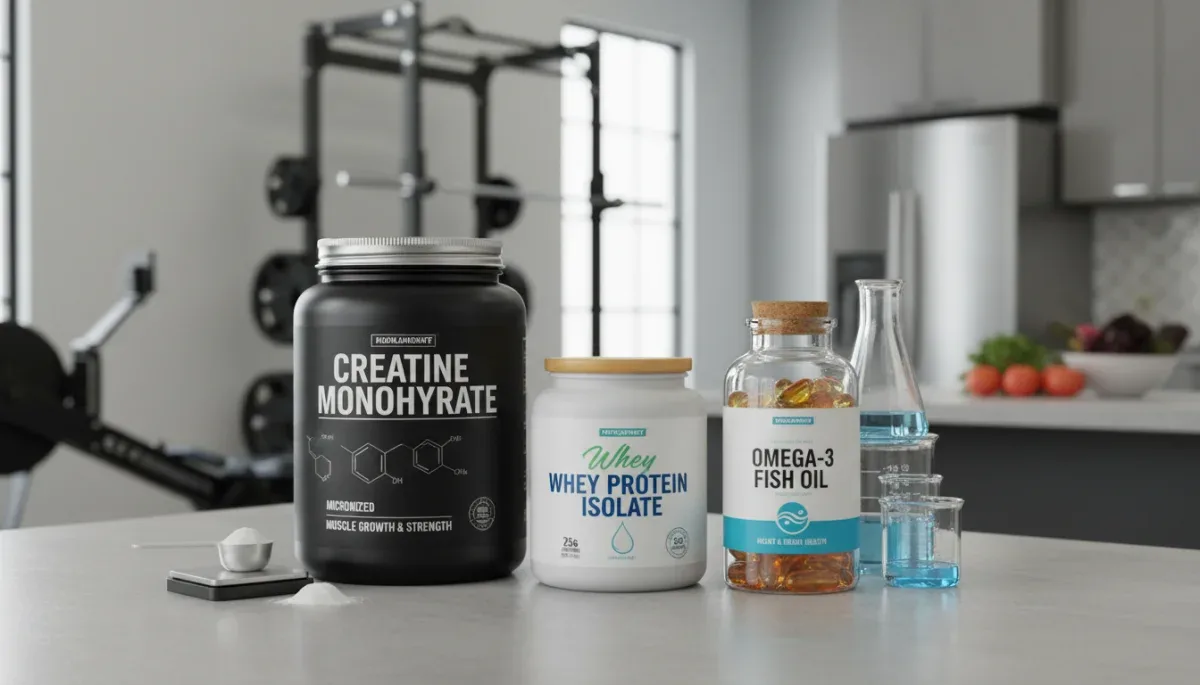
Scientific evidence in 2026 strongly supports creatine, protein powder, and omega-3 fatty acids as the most effective and worthwhile supplements for enhancing general health, fitness, and overall well-being, cutting through market noise.
In a world saturated with health claims and miracle cures, discerning The Truth About Supplements: Which 3 Are Actually Worth Your Money in 2026? can feel like an impossible task. Billions are spent annually on products promising everything from enhanced performance to eternal youth, yet many offer little more than an expensive placebo. This article cuts through the noise, offering a research-backed guide to the select few supplements that consistently deliver tangible benefits for your health and fitness goals.
Understanding the Supplement Landscape in 2026
The supplement industry continues its rapid expansion, driven by increasing health consciousness and aggressive marketing. Consumers are bombarded with new formulations, exotic ingredients, and testimonials that often lack scientific validation. This makes it crucial to approach supplement choices with a critical eye, prioritizing evidence-based recommendations over fleeting trends.
In 2026, regulatory bodies are still catching up with the pace of innovation, leaving much of the responsibility for due diligence on the consumer. Understanding basic scientific principles and differentiating between anecdotal evidence and robust clinical trials is more important than ever. Our focus here is on supplements with a strong, consistent body of research supporting their efficacy and safety.
The Challenge of Supplement Selection
- Overwhelming Choices: Thousands of products, each with unique claims.
- Marketing Hype: Often prioritizes sales over scientific truth.
- Lack of Regulation: Varies significantly by country, leading to inconsistent product quality.
- Individual Variability: What works for one person may not work for another.
Navigating this complex environment requires an informed perspective. While a balanced diet and consistent exercise remain the cornerstones of health, certain supplements can indeed provide a measurable edge when used strategically.
Ultimately, the goal is to optimize your health and performance without wasting resources on ineffective products. By focusing on fundamental, well-researched options, you can make smarter choices in your supplement regimen.
Creatine Monohydrate: The Performance Powerhouse
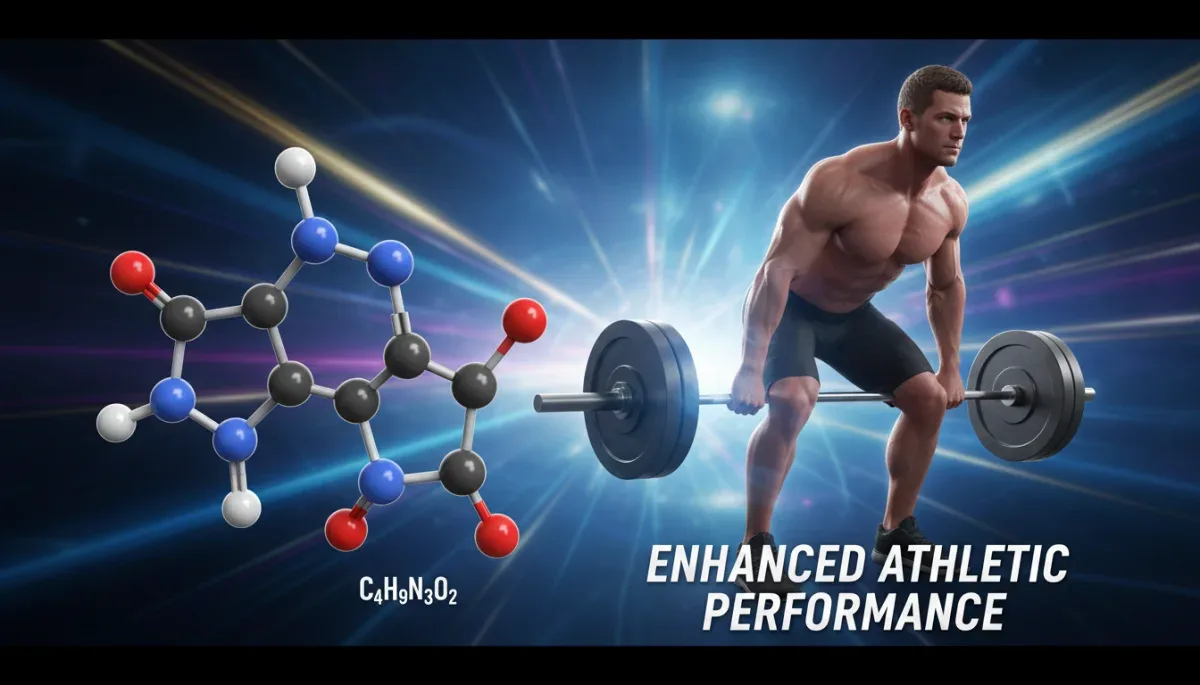
When it comes to enhancing athletic performance and muscle growth, creatine monohydrate stands head and shoulders above most other supplements. Its efficacy is supported by hundreds of studies, making it one of the most researched and trusted compounds in sports nutrition. Creatine helps regenerate ATP, the primary energy currency of cells, particularly during short bursts of high-intensity activity.
This translates directly to improved strength, power output, and muscle endurance, allowing you to push harder during workouts. Beyond its performance benefits, emerging research also suggests potential cognitive advantages and neuroprotective properties, further solidifying its status as a top-tier supplement for a broad audience, not just athletes.
Benefits Beyond the Gym
While often associated with weightlifting, creatine's benefits extend to various populations. Older adults can experience improved muscle mass and strength, aiding in fall prevention and maintaining independence. Vegetarians and vegans, who typically have lower dietary creatine intake, can particularly benefit from supplementation. The safety profile of creatine is also excellent, with minimal reported side effects when used appropriately.
- Increased Strength: Enhances lifting capacity and power.
- Muscle Growth: Supports lean muscle mass development.
- Improved Recovery: Aids in faster recovery between sets and workouts.
- Cognitive Support: Potential benefits for memory and brain function.
For those looking to maximize their physical output and support overall musculoskeletal health, creatine remains an indispensable tool. Its consistent performance across diverse studies makes it a clear winner in the supplement landscape of 2026.
Protein Powder: Foundational for Muscle and Recovery
Protein is a macronutrient essential for virtually every bodily function, from building and repairing tissues to producing enzymes and hormones. While whole food sources should always be prioritized, protein powder offers a convenient, efficient, and often cost-effective way to meet daily protein requirements, especially for individuals with higher needs, such as athletes, active individuals, or those looking to manage weight.
Whey protein, derived from milk, is a complete protein rich in essential amino acids, particularly branched-chain amino acids (BCAAs) like leucine, which is crucial for muscle protein synthesis. Casein, another milk-derived protein, digests slowly, providing a sustained release of amino acids. Plant-based options like soy, pea, and rice protein have also advanced significantly, offering viable alternatives for those with dietary restrictions or preferences.
Choosing the Right Protein
The market offers a wide array of protein powders, making selection somewhat nuanced. Consider these factors:
- Type: Whey (isolate, concentrate), casein, soy, pea, rice.
- Quality: Look for products with third-party testing for purity and label accuracy.
- Ingredients: Avoid excessive added sugars, artificial sweeteners, and fillers.
- Digestibility: Some proteins are easier on the stomach than others.
Adequate protein intake is fundamental for muscle repair, growth, and satiety. For anyone engaged in regular physical activity or simply striving for better body composition and overall health, protein powder remains a highly valuable and practical supplement in 2026.
Omega-3 Fatty Acids: The Essential Anti-Inflammatory
Omega-3 fatty acids, particularly EPA (eicosapentaenoic acid) and DHA (docosahexaenoic acid), are essential fats that the body cannot produce on its own and must obtain from the diet. These polyunsaturated fats are critical components of cell membranes and play vital roles in numerous physiological processes, most notably inflammation regulation. In a world increasingly prone to chronic inflammation, adequate omega-3 intake is paramount.
Research consistently links higher omega-3 intake to improved cardiovascular health, reduced risk of chronic diseases, better brain function, and even mood regulation. While fatty fish are the best dietary source, many individuals struggle to consume enough, making high-quality omega-3 supplements (typically fish oil, algal oil for vegans) a highly beneficial addition to their daily regimen.
Impact on Overall Health
The systemic benefits of omega-3s are far-reaching. They contribute to:
- Heart Health: Lowering triglycerides, blood pressure, and reducing plaque formation.
- Brain Function: Supporting cognitive health, memory, and reducing cognitive decline.
- Joint Health: Reducing inflammation and pain in conditions like arthritis.
- Eye Health: DHA is a major structural component of the retina.
- Mental Well-being: Potential role in managing symptoms of depression and anxiety.
Given the typical Western diet's imbalance towards omega-6 fatty acids, supplementing with omega-3s helps restore a healthier ratio, mitigating inflammatory responses and promoting long-term health. This makes a high-quality omega-3 supplement an indispensable part of a proactive health strategy in 2026.
Distinguishing Hype from Science: What to Avoid
While our focus is on what works, it's equally important to discuss what doesn't. The supplement market is rife with products that are either ineffective, lack sufficient research, or are outright dangerous. Many "fat burners," "testosterone boosters" (unless clinically deficient), and proprietary blends often fall into this category. These products frequently rely on unsubstantiated claims and anecdotal evidence, rather than rigorous scientific backing.
Consumers should be wary of products promising rapid, unrealistic results or those marketed with aggressive, sensational language. Always check for third-party certifications (e.g., NSF, Informed-Sport) to ensure product purity and that what's on the label is actually in the bottle. Investing in these unproven supplements not only wastes money but can also pose health risks due to undisclosed ingredients or contaminants.
Red Flags in Supplement Marketing
To protect your health and wallet, look out for:
- "Secret" or "Proprietary" Blends: Often used to hide underdosed ingredients.
- Promises of Instant Results: Real health changes take time and effort.
- Lack of Scientific References: Or references to low-quality studies.
- Overly Dramatic Testimonials: Personal stories are not scientific proof.
- Ingredients with Unpronounceable Names: Especially if no clear research exists.
By understanding what to avoid, you can better allocate your resources to the supplements that truly offer value and support your well-being, reinforcing the core idea of The Truth About Supplements: Which 3 Are Actually Worth Your Money in 2026?.
Maximizing Supplement Efficacy: Beyond the Pill
Even the most effective supplements are not magic bullets; their benefits are best realized when integrated into a holistic health strategy. A balanced diet rich in whole foods, consistent physical activity, adequate sleep, and effective stress management are the foundational pillars of health. Supplements act as an adjunct, filling nutritional gaps or providing an extra edge where diet alone might fall short.
For instance, while protein powder is excellent for muscle building, its impact is minimal without resistance training. Similarly, omega-3s offer anti-inflammatory benefits, but a diet high in processed foods will counteract much of that advantage. Consult with a healthcare professional or a registered dietitian to tailor your supplement regimen to your specific needs and health status.
Synergy with Lifestyle Choices
Consider these points for optimal results:
- Diet First: Supplements complement, not replace, a nutrient-dense diet.
- Consistent Exercise: Essential for activating the benefits of performance-enhancing supplements.
- Adequate Sleep: Crucial for recovery, hormone regulation, and overall health.
- Stress Management: Chronic stress can negate many health benefits.
- Professional Guidance: Personalized advice can prevent unnecessary supplementation.
Ultimately, the effectiveness of any supplement hinges on the broader context of your lifestyle. When used intelligently and in conjunction with healthy habits, creatine, protein powder, and omega-3s can significantly contribute to your fitness and well-being goals in 2026.
The Future of Supplements and Personalized Nutrition
Looking ahead to 2026 and beyond, the supplement industry is moving towards greater personalization and precision. Advances in genetic testing, microbiome analysis, and wearable technology are enabling more tailored recommendations, moving away from a one-size-fits-all approach. While these technologies are still evolving, they promise to refine our understanding of individual nutritional needs and supplement responses.
However, even with these advancements, the core principles of evidence-based supplementation will remain. The foundational role of well-researched compounds like creatine, protein, and omega-3s is unlikely to diminish. The future will likely see more sophisticated delivery methods, enhanced bioavailability, and a deeper integration of supplements into personalized health platforms.
Emerging Trends to Watch
The landscape of nutrition is dynamic, with several trends shaping its future:
- Nutrigenomics: Tailoring nutrition based on genetic makeup.
- Gut Microbiome Focus: Supplements targeting gut health for systemic benefits.
- Bio-hacking: Using data and technology to optimize biological functions.
- Sustainable Sourcing: Increased demand for ethically and environmentally friendly products.
As we progress, staying informed and critical will be key. While new and exciting products will undoubtedly emerge, the bedrock of effective supplementation will continue to be those products with robust scientific validation, ensuring that your investment truly pays off for your health.
| Key Supplement | Primary Benefit |
|---|---|
| Creatine Monohydrate | Enhances strength, power, and muscle growth. |
| Protein Powder | Supports muscle repair, growth, and satiety. |
| Omega-3 Fatty Acids | Reduces inflammation, supports heart and brain health. |
Frequently Asked Questions About Supplements
Why is creatine monohydrate considered a top supplement?▼Creatine monohydrate is extensively researched and proven to significantly increase strength, power output, and muscle mass. It aids in ATP regeneration, crucial for high-intensity exercise, making it highly effective for athletic performance and muscle development.
Who benefits most from protein powder?▼Protein powder is highly beneficial for individuals with increased protein needs, such as athletes, those engaging in regular strength training, or people looking to manage their weight. It supports muscle repair, growth, and helps maintain satiety, complementing a balanced diet effectively.
What are the main advantages of taking Omega-3 supplements?▼Omega-3 fatty acids, particularly EPA and DHA, are crucial for reducing inflammation, supporting cardiovascular health, improving brain function, and promoting overall well-being. They help balance the body's inflammatory response, which is vital for long-term health.
Are there any supplements I should definitely avoid?▼It's generally wise to avoid proprietary blends, products with exaggerated claims, or those lacking third-party testing. Many "fat burners" or unproven "testosterone boosters" often fall into this category, offering little benefit and potentially posing health risks due to unlisted or contaminated ingredients.
How important is a balanced diet alongside supplements?▼A balanced diet is paramount. Supplements are designed to complement, not replace, a nutrient-rich whole-food diet. Their efficacy is significantly enhanced when combined with proper nutrition, consistent exercise, adequate sleep, and effective stress management, forming a holistic approach to health.
Conclusion
In the ever-evolving landscape of health and fitness, understanding The Truth About Supplements: Which 3 Are Actually Worth Your Money in 2026? is crucial for making informed decisions. While the market is flooded with countless options, scientific consensus consistently points to creatine monohydrate, protein powder, and omega-3 fatty acids as the three most reliable and impactful supplements for enhancing athletic performance, supporting muscle growth and recovery, and promoting overall health. By focusing on these evidence-backed choices and integrating them into a comprehensive healthy lifestyle, you can effectively invest in your well-being and achieve your fitness goals with confidence and clarity.