Mental Wellness Check-in: 4 Strategies for Daily Mood Boosts in 2026
Advertisements
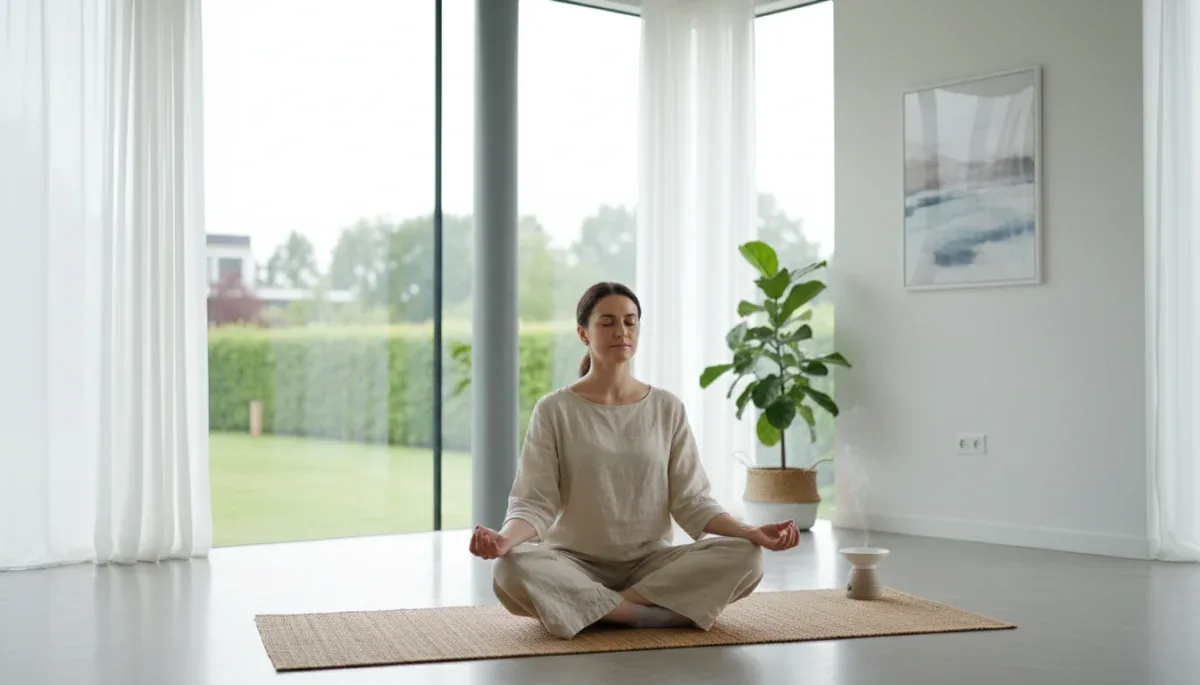
Implementing a daily mental wellness check-in for just 15 minutes can significantly enhance mood and resilience, offering practical strategies to navigate the demands of 2026 with greater emotional balance.
In our fast-paced world, prioritizing a mental wellness check-in has become more crucial than ever. The good news? You don't need hours to make a difference. This article explores four powerful strategies you can incorporate into your daily routine, taking just 15 minutes, to significantly improve your mood and foster lasting well-being in 2026.
Understanding the Importance of Daily Mental Wellness
Life in 2026 often feels like a relentless sprint, with constant demands on our attention and energy. From professional pressures to personal responsibilities, the cumulative effect can leave us feeling overwhelmed, stressed, and emotionally drained. Many of us tend to push through, hoping that a break will magically appear, but this approach often leads to burnout and a decline in overall mental health. Recognizing the signs of mental fatigue and proactively addressing them is not a luxury; it's a fundamental necessity for a balanced and fulfilling life.
A daily mental wellness check-in acts as a preventative measure, similar to how we might check our physical health. It allows us to pause, assess our emotional state, and implement small, targeted interventions before minor stressors escalate into significant challenges. This consistent practice builds resilience, enhances self-awareness, and equips us with the tools to better manage life's inevitable ups and downs. It's about cultivating a habit of self-compassion and acknowledging that our mental health deserves consistent attention, just like our physical health.
By dedicating a mere 15 minutes each day, we can create a buffer against daily stressors and nurture a more positive internal environment. This brief investment yields substantial returns, improving focus, decision-making, relationships, and overall life satisfaction. It's about reclaiming agency over our emotional landscape and ensuring we're not just surviving, but thriving.
Strategy 1: Mindful Breathing and Short Meditation
One of the most accessible and effective ways to perform a mental wellness check-in is through mindful breathing and short meditation. In a world brimming with distractions, taking a few moments to simply breathe can reset your nervous system and bring you back to the present. This isn't about achieving a state of complete emptiness, but rather about observing your thoughts and sensations without judgment.
The Power of Focused Breath
Deep, conscious breathing directly impacts your vagus nerve, which plays a crucial role in regulating stress. By slowing down your breath, you signal to your body that it's safe to relax, shifting from a sympathetic (fight-or-flight) to a parasympathetic (rest-and-digest) state. This immediate physiological change can significantly reduce anxiety and promote a sense of calm.
- Find a quiet spot where you won't be disturbed.
- Sit comfortably with a straight spine, or lie down if preferred.
- Close your eyes gently or soften your gaze.
- Focus solely on the sensation of your breath entering and leaving your body.
Incorporating Mini-Meditations
Even a 5-10 minute meditation can profoundly impact your mood. There are numerous guided meditations available online that cater to various needs, from stress reduction to cultivating gratitude. The key is consistency, not perfection. Don't worry if your mind wanders; simply acknowledge the thought and gently bring your attention back to your breath.
Regular practice of mindful breathing and short meditation trains your mind to be less reactive and more observant. Over time, you'll find yourself better equipped to handle stressful situations throughout your day, maintaining a sense of inner peace amidst external chaos. This foundational practice is a cornerstone for any effective mental wellness check-in routine.
Strategy 2: Journaling for Emotional Release and Clarity
Journaling offers a powerful avenue for emotional processing and gaining clarity, serving as an excellent component of a daily mental wellness check-in. It provides a private space to articulate thoughts and feelings without fear of judgment, allowing you to explore your inner landscape and understand your emotional responses more deeply. The act of writing can transform abstract feelings into concrete words, making them easier to manage and comprehend.

Benefits of Expressive Writing
Studies have shown that expressive writing can reduce stress, improve immune function, and even enhance problem-solving skills. By externalizing your worries and triumphs, you create a psychological distance that can help you view situations from a new perspective. This process often uncovers underlying emotions or patterns that you might not have recognized otherwise.
- Write freely without concern for grammar or spelling.
- Focus on your feelings and experiences from the day.
- Explore what triggered certain emotions.
- Consider writing about things you're grateful for.
Prompts for a 15-Minute Journaling Session
If you're new to journaling, prompts can be incredibly helpful. You don't need to write a novel; a few sentences or bullet points can be enough to kickstart your reflection. Here are some ideas:
What are three things I'm grateful for today? What emotion did I feel most strongly today, and why? What challenge did I face, and how did I respond? What is one small thing I can do tomorrow to improve my mood?
The consistent practice of journaling, even for a short duration, can lead to remarkable insights and a greater sense of emotional control. It's a simple yet profound way to nurture your mental health and ensure your daily mental wellness check-in is comprehensive and effective.
Strategy 3: Movement and Nature Connection
Integrating physical movement and connecting with nature are potent strategies for boosting mood and enhancing mental wellness. Our bodies and minds are intricately linked, and neglecting one often impacts the other. Even a brief period of activity or exposure to the natural world can profoundly shift your emotional state, making it an indispensable part of your daily mental wellness check-in.
The Uplifting Power of Movement
Physical activity, even moderate exercise, releases endorphins, which have natural mood-boosting effects. It also reduces levels of stress hormones like cortisol and adrenaline. You don't need an intense gym session; a brisk walk, some stretching, or even dancing to your favorite song for 15 minutes can make a significant difference. The key is to get your blood flowing and break away from sedentary patterns.
Consider a quick walk around the block, taking the stairs instead of the elevator, or doing a short online yoga routine. The goal is to interrupt stagnant energy and invite movement into your day. This physical release can also help dissipate mental tension and improve clarity of thought.
Reconnecting with Nature
Spending time in nature, often referred to as 'forest bathing' or ecotherapy, has been shown to reduce rumination, lower blood pressure, and decrease feelings of stress and anxiety. Even a small dose of nature can be beneficial. Look for opportunities to step outside during your 15-minute check-in.
- Take a walk in a local park or garden.
- Sit near a window with a view of greenery.
- Tend to indoor plants or a small balcony garden.
- Simply observe the sky, trees, or birds from your doorstep.
Allowing yourself to be present in a natural setting, even for a short while, can provide a much-needed mental break and foster a sense of connection to something larger than oneself. Combining movement with nature, such as a walk in a park, amplifies these benefits, creating a holistic approach to improving your daily mood and strengthening your mental wellness check-in.
Strategy 4: Intentional Connection and Gratitude Practice
Human beings are inherently social creatures, and meaningful connection is vital for our mental well-being. Coupled with a deliberate practice of gratitude, these two elements form a powerful strategy for a daily mental wellness check-in. In just 15 minutes, you can cultivate a sense of belonging and appreciation that significantly uplifts your mood and perspective.
Fostering Intentional Connections
While social media offers a form of connection, it often lacks the depth required for true emotional nourishment. Intentional connection means reaching out to someone you care about in a genuine way. This could be a quick phone call, a thoughtful text message, or even a brief video chat. The purpose is to share a moment, offer support, or simply check in on someone's day.
- Call a friend or family member to say hello.
- Send a thoughtful message to a colleague or loved one.
- Offer a genuine compliment to someone you encounter.
- Spend a few minutes engaging with a pet, fostering a bond.
These small acts of connection reinforce social bonds and remind us that we are not alone. They can also shift our focus outward, away from internal worries, providing a fresh perspective and a sense of purpose.
Cultivating a Gratitude Practice
Gratitude is more than just saying 'thank you'; it's a conscious practice of acknowledging the good in your life, no matter how small. Regularly focusing on what you appreciate can rewire your brain to perceive more positivity, reducing feelings of envy, resentment, and regret. A gratitude practice can be integrated into your 15-minute check-in easily.
Take a moment to list three things you are genuinely grateful for. These could be anything from a warm cup of coffee to a sunny day, or a kind word from a stranger. You can write them down in a journal, say them aloud, or simply reflect on them silently. The act of acknowledging these positives can profoundly shift your mood and perspective, reinforcing your daily mental wellness check-in with a powerful dose of positivity.
Integrating Strategies into Your Daily Routine
The beauty of these four strategies lies in their flexibility and brevity. The goal isn't to add more stress to your day by rigid adherence, but rather to find what resonates most with you and consistently integrate it. A 15-minute daily mental wellness check-in is most effective when it becomes a non-negotiable part of your routine, much like brushing your teeth or eating breakfast.
Finding Your Optimal Time
Consider when you feel most receptive to these practices. For some, the morning offers a quiet start to set a positive tone for the day. For others, an afternoon break provides a much-needed reset, or an evening session helps unwind before sleep. Experiment with different times to discover what works best for your schedule and energy levels. Consistency is more important than the exact timing.
You might dedicate 5 minutes to mindful breathing, 5 minutes to journaling, and 5 minutes to a gratitude practice. Or perhaps a 15-minute walk in nature is your preferred method. The blend of strategies can be customized to suit your needs on any given day. The flexibility allows for adaptation, ensuring that your mental wellness check-in remains a supportive rather than burdensome habit.
Overcoming Common Obstacles
The biggest challenge often lies in simply starting and maintaining the habit. It's easy to dismiss 15 minutes as 'not enough time' or to feel that other tasks are more urgent. However, by reframing this time as an essential investment in your overall well-being, you can overcome these mental barriers. Start small, be kind to yourself on days you miss a session, and celebrate your successes. Even a few minutes of conscious effort are better than none.
By consciously choosing to prioritize your mental health through these brief, intentional practices, you are building a stronger, more resilient self. This commitment to a daily mental wellness check-in ensures that you are proactively nurturing your emotional landscape, leading to a more balanced and fulfilling life in 2026 and beyond.
| Key Strategy | Brief Description |
|---|---|
| Mindful Breathing & Meditation | Calms the nervous system and enhances presence through focused breathwork and short meditation sessions. |
| Journaling & Reflection | Provides emotional release and clarity by articulating thoughts and feelings in a private space. |
| Movement & Nature Connection | Boosts mood and reduces stress through physical activity and exposure to natural environments. |
| Intentional Connection & Gratitude | Fosters a sense of belonging and positivity through meaningful interactions and appreciation practice. |
Frequently Asked Questions About Daily Mental Wellness
Why is a daily mental wellness check-in important?▼A daily mental wellness check-in helps you proactively manage stress, identify emotional shifts, and prevent burnout. It builds resilience, enhances self-awareness, and improves overall emotional balance, allowing you to address mental fatigue before it escalates into larger issues.
Can 15 minutes really make a difference in my mood?▼Absolutely. Even short, consistent periods of focused mental wellness practices, such as mindful breathing or journaling, can significantly impact your mood. These brief interventions can reset your nervous system, release endorphins, and provide much-needed mental breaks throughout your day.
What if I don't have a quiet place for meditation or journaling?▼You don't need absolute silence. Find a relatively calm spot, even if it's your car during a break or a park bench. For journaling, any notebook works. The key is to create a small, intentional space for yourself, even amidst a busy environment, to focus inward.
How do I choose which strategy to use each day?▼Listen to what your mind and body need. If you feel overwhelmed, mindful breathing might be best. If you're feeling bottled up, try journaling. If you're low on energy, opt for movement. The strategies are flexible; choose what feels most supportive in the moment.
What are the long-term benefits of a daily mental wellness routine?▼Long-term benefits include increased emotional resilience, reduced anxiety and depression symptoms, improved self-awareness, better stress management, and enhanced overall life satisfaction. Consistent practice fosters a more positive outlook and greater capacity to handle challenges.
Conclusion
Embracing a daily mental wellness check-in for just 15 minutes is a small commitment with profound benefits for your overall well-being in 2026. By integrating mindful breathing, journaling, movement with nature, and intentional connection with gratitude, you equip yourself with powerful tools to navigate life's complexities with greater ease and emotional balance. These practices are not about eradicating challenges but about building resilience and fostering a more positive, self-aware approach to your mental health. Make these brief, intentional moments a non-negotiable part of your day, and watch as your mood, perspective, and overall quality of life steadily improve.