Nutrition for Mental Clarity: 7 Superfoods in the US 2026
Advertisements
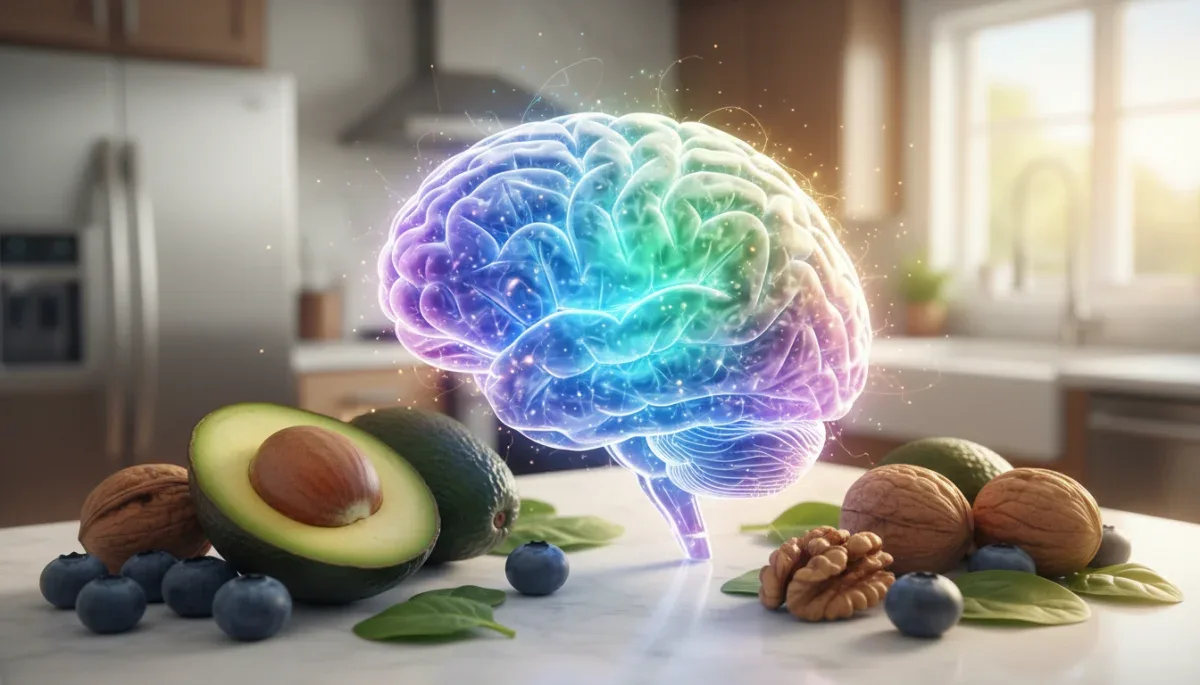
Optimizing mental clarity and brain health in 2026 in the US is significantly influenced by nutrition, with specific superfoods offering powerful benefits for cognitive function and overall mental well-being.
In an increasingly demanding world, maintaining sharp focus, clear thinking, and robust mental health has become a top priority for many Americans. The connection between what we eat and how we think is undeniable, yet often overlooked. This article delves into the role of nutrition in mental clarity, exploring how specific dietary choices can profoundly impact our cognitive functions and overall brain health. By 2026, understanding and integrating these nutritional insights will be crucial for anyone looking to enhance their mental performance and well-being.
The Gut-Brain Axis: A Nutritional Highway to Cognition
The intricate relationship between our gut and brain, often referred to as the gut-brain axis, plays a pivotal role in mental clarity and overall cognitive function. This bidirectional communication system ensures that what happens in our digestive system directly influences our mood, memory, and focus. A healthy gut microbiome, rich in diverse beneficial bacteria, produces neurotransmitters and short-chain fatty acids that are essential for brain health.
Disruptions to this delicate balance, often caused by poor dietary choices, stress, or certain medications, can lead to inflammation and impair cognitive processes. Therefore, nurturing our gut health through nutrition is not just about digestion; it's about fostering a thriving internal environment that supports optimal mental performance.
Microbiome Balance and Neurotransmitter Production
- Serotonin Synthesis: A significant portion of the body's serotonin, a key neurotransmitter regulating mood and sleep, is produced in the gut.
- Inflammation Reduction: A balanced microbiome helps reduce systemic inflammation, which is linked to cognitive decline and mood disorders.
- Nutrient Absorption: A healthy gut efficiently absorbs essential nutrients vital for brain function, such as B vitamins and omega-3 fatty acids.
Understanding the gut-brain axis empowers us to make more informed dietary decisions. By prioritizing foods that support a healthy gut, we are directly investing in our mental clarity and long-term brain health. This foundational understanding sets the stage for exploring specific superfoods that further enhance these benefits, paving the way for improved cognitive resilience in 2026 and beyond.
Omega-3 Powerhouses: Fueling Your Brain's Command Center
Omega-3 fatty acids are often hailed as the superheroes of brain health, and for good reason. These essential fats, particularly EPA and DHA, are critical components of brain cell membranes, playing a vital role in neuronal function, communication, and overall cognitive performance. The human body cannot produce omega-3s on its own, making dietary intake absolutely essential for maintaining mental clarity and protecting against cognitive decline.
In the US, where diets can often be imbalanced, ensuring adequate omega-3 intake is a significant challenge. However, incorporating specific superfoods rich in these fats can make a substantial difference. They contribute to reduced inflammation, improved blood flow to the brain, and enhanced neurotransmitter activity, all crucial for sharp thinking and emotional stability.
Top Omega-3 Rich Superfoods
- Fatty Fish (Salmon, Mackerel, Sardines): These are primary sources of EPA and DHA, directly supporting brain structure and function.
- Flaxseeds and Chia Seeds: Excellent plant-based sources of ALA, which the body can convert into EPA and DHA, albeit less efficiently.
- Walnuts: Provide a good amount of ALA, along with antioxidants that protect brain cells from damage.
Regular consumption of omega-3 rich foods is a proactive step towards safeguarding mental clarity. These nutrients are not just about preventing issues; they actively enhance cognitive processes, making them indispensable for anyone seeking to optimize their brain health in 2026. From improving memory to boosting mood, the benefits of these fatty acids are far-reaching and profound.
Antioxidant-Rich Berries: Protecting Against Cognitive Decline
Berries, particularly blueberries, strawberries, and raspberries, are renowned for their high antioxidant content, making them powerful allies in the quest for mental clarity. Antioxidants combat oxidative stress, a process that can damage brain cells and contribute to cognitive decline over time. The vibrant colors of berries are a testament to their rich phytonutrient profiles, including flavonoids and anthocyanins, which have been shown to cross the blood-brain barrier and exert direct protective effects.
Regular consumption of these delicious superfoods can enhance memory, improve learning abilities, and even slow the progression of age-related neurodegenerative diseases. Their anti-inflammatory properties further contribute to a healthy brain environment, fostering optimal neural communication and resilience. Integrating berries into daily diets in the US is a simple yet effective strategy for long-term brain health.

Blueberries: The Brain Berry
Blueberries, in particular, have been extensively studied for their neuroprotective effects. They are packed with anthocyanins, which can improve communication between brain cells and stimulate the growth of new neurons. Studies suggest that regular blueberry intake can lead to improvements in memory and cognitive function, especially in older adults. Their versatility allows for easy incorporation into breakfasts, snacks, and desserts, making them a convenient choice for boosting brain power.
Beyond their direct impact on brain cells, berries also contribute to better blood sugar regulation, which is indirectly beneficial for cognitive health. Stable blood sugar levels prevent spikes and crashes that can impair focus and energy. By providing a natural, healthy sweetness, berries can satisfy cravings while delivering a powerful nutritional punch, supporting sustained mental clarity throughout the day.
Leafy Greens: Essential Nutrients for Neural Function
When it comes to brain health, leafy green vegetables like spinach, kale, and Swiss chard are often unsung heroes. These nutrient-dense powerhouses are packed with vitamins, minerals, and antioxidants that are crucial for maintaining optimal neural function and preventing cognitive decline. Their rich content of folate, vitamin K, lutein, and beta-carotene makes them indispensable for supporting mental clarity and overall brain health.
Folate, for instance, plays a key role in neurotransmitter synthesis and DNA repair, while vitamin K is essential for brain lipid metabolism. Lutein and beta-carotene, powerful antioxidants, protect brain tissue from oxidative damage and inflammation. Incorporating a variety of leafy greens into your diet in the US is a fundamental step towards a healthier, sharper mind in 2026.
The Benefits of Daily Greens
- Memory Enhancement: Studies have shown that a higher intake of leafy greens is associated with slower cognitive decline in older adults.
- Mood Regulation: Folate is crucial for the production of serotonin, dopamine, and norepinephrine, neurotransmitters that regulate mood.
- Neuroprotection: Antioxidants and anti-inflammatory compounds in greens protect brain cells from damage and support their longevity.
Making leafy greens a staple in your daily meals, whether in salads, smoothies, or cooked dishes, provides a consistent supply of these vital brain-boosting nutrients. Their low-calorie, high-nutrient profile makes them an excellent choice for supporting sustained mental energy and focus without the downsides of processed foods. They are truly foundational for anyone prioritizing mental clarity.
Nuts and Seeds: Brain-Boosting Healthy Fats and Proteins
Nuts and seeds are miniature powerhouses of nutrition, offering a rich blend of healthy fats, proteins, fiber, and essential micronutrients that are vital for brain health and mental clarity. These versatile superfoods provide a sustained energy release, helping to stabilize blood sugar levels and prevent the cognitive dips that can occur with sugary snacks. Their unique nutritional profiles make them an excellent addition to any brain-healthy diet in the US.
Specifically, almonds, walnuts, pecans, and pumpkin seeds are particularly beneficial. They contain vitamin E, which acts as an antioxidant protecting brain cells from oxidative stress, and magnesium, which is crucial for nerve function and neurotransmitter regulation. Including a handful of mixed nuts and seeds daily can significantly contribute to improved memory, focus, and overall cognitive resilience.
Specific Benefits of Nuts and Seeds
Walnuts, for example, are unique among nuts for their high content of alpha-linolenic acid (ALA), a plant-based omega-3 fatty acid. This contributes to their anti-inflammatory properties and their ability to support brain health. Almonds offer a good source of vitamin E, which has been linked to a reduced risk of cognitive decline. Pumpkin seeds are rich in zinc, a mineral vital for nerve signaling, and tryptophan, an amino acid precursor to serotonin, influencing mood and sleep.
Beyond individual nutrients, the synergistic effect of the compounds found in nuts and seeds contributes to their overall brain-boosting power. They provide a balanced source of energy, support cellular repair, and protect against environmental stressors. Incorporating these crunchy delights into your diet is a simple and effective strategy for enhancing mental clarity and maintaining cognitive vitality in 2026.
Avocados: Monounsaturated Fats for Optimal Brain Function
Avocados, often celebrated for their creamy texture and versatility, are a true superfood for mental clarity and brain health. They are rich in monounsaturated fatty acids (MUFAs), particularly oleic acid, which are crucial for maintaining healthy blood flow to the brain. Adequate blood flow ensures that brain cells receive a steady supply of oxygen and nutrients, essential for optimal cognitive function, memory, and concentration.
In addition to healthy fats, avocados provide a significant amount of vitamin K and folate. Vitamin K helps to prevent blood clots in the brain and supports bone health, while folate is vital for neurotransmitter synthesis and preventing cognitive decline. Their potassium content also contributes to healthy blood pressure, which is indirectly beneficial for brain health. For Americans seeking to enhance their mental performance in 2026, avocados offer a delicious and nutrient-dense option.
Avocado's Brain-Boosting Profile
- Improved Blood Flow: MUFAs support vascular health, ensuring efficient delivery of nutrients and oxygen to the brain.
- Antioxidant Protection: Avocados contain antioxidants like lutein and zeaxanthin, which protect brain cells from oxidative damage.
- Nutrient Absorption: Healthy fats in avocados aid in the absorption of fat-soluble vitamins (A, D, E, K) that are important for brain health.
Regular consumption of avocados can contribute to better memory, enhanced problem-solving skills, and a more stable mood. Their ability to promote healthy blood sugar levels further supports sustained mental energy throughout the day. Whether sliced in salads, blended into smoothies, or mashed into guacamole, avocados are an accessible and powerful food for nurturing mental clarity.
Turmeric: The Anti-Inflammatory Spice for Cognitive Support
Turmeric, a vibrant yellow spice widely used in Indian cuisine and traditional medicine, has gained significant attention for its remarkable anti-inflammatory and antioxidant properties, making it a potent superfood for mental clarity. The active compound in turmeric, curcumin, is responsible for most of its therapeutic effects. Curcumin has been shown to cross the blood-brain barrier and directly influence brain health.
Chronic inflammation in the brain is a major contributor to cognitive decline and neurodegenerative diseases. Curcumin's ability to reduce inflammation and oxidative stress can protect brain cells, improve memory, and even stimulate the growth of new neurons. For individuals in the US looking to optimize their brain health and maintain mental sharpness in 2026, incorporating turmeric into their diet is a promising strategy.
Curcumin's Impact on Brain Health
Curcumin enhances brain-derived neurotrophic factor (BDNF) levels, a protein that plays a critical role in the growth and survival of neurons, and in learning and memory. Low BDNF levels are often associated with depression and Alzheimer's disease. Furthermore, curcumin can improve mood by increasing levels of dopamine and serotonin, neurotransmitters that regulate emotional well-being. Its neuroprotective effects extend to guarding against various forms of brain damage.
To maximize the absorption of curcumin, it is often recommended to consume turmeric with black pepper, which contains piperine. Piperine significantly enhances curcumin's bioavailability, allowing the body to utilize its powerful benefits more effectively. Whether used in cooking, as a tea, or in supplement form, turmeric offers a natural approach to supporting cognitive function and maintaining mental clarity.
| Superfood Category | Key Brain Benefit |
|---|---|
| Omega-3 Rich Foods | Supports neuronal function and reduces inflammation. |
| Antioxidant Berries | Protects against oxidative stress and enhances memory. |
| Leafy Greens | Provides essential vitamins for neural function and protection. |
| Turmeric | Reduces brain inflammation and boosts neurotrophic factors. |
Frequently Asked Questions About Brain Health & Nutrition
How quickly can diet changes impact mental clarity?▼While some immediate effects like improved energy from stable blood sugar can be felt within days, significant improvements in mental clarity and cognitive function from dietary changes typically take several weeks to months. Consistency is key for long-term benefits.
Are supplements necessary for brain health, or are superfoods enough?▼For most individuals with a balanced diet rich in superfoods, supplements may not be necessary. However, certain deficiencies or specific health conditions might warrant supplementation. Always consult a healthcare professional before starting any new supplement regimen.
Can these superfoods help with conditions like ADHD or depression?▼While a nutrient-rich diet, including these superfoods, can support overall brain health and may alleviate some symptoms, it's crucial to understand they are not a cure for conditions like ADHD or depression. They should complement, not replace, professional medical treatment and advice.
What is the most important superfood for mental clarity?▼There isn't a single 'most important' superfood, as brain health relies on a synergy of nutrients. A balanced diet incorporating a variety of these superfoods, such as omega-3 rich foods, berries, and leafy greens, will provide the broadest range of benefits for mental clarity.
How can I easily incorporate these superfoods into my daily diet?▼Simple ways include adding berries to breakfast cereals or smoothies, snacking on nuts and seeds, including leafy greens in every meal, using avocado in salads or sandwiches, and seasoning dishes with turmeric. Small, consistent changes yield significant results over time.
Conclusion
The journey to enhanced mental clarity and robust brain health in 2026 is inextricably linked to our dietary choices. As we've explored, the role of nutrition in mental clarity is profound, with specific superfoods offering powerful benefits from supporting neuronal function to protecting against cognitive decline. By consciously integrating omega-3 powerhouses, antioxidant-rich berries, nutrient-dense leafy greens, healthy fats from nuts, seeds, and avocados, and anti-inflammatory turmeric into our daily meals, we can actively nurture our brains. These dietary strategies are not just about preventing illness; they are about optimizing cognitive performance, mood stability, and overall well-being, empowering individuals across the US to live sharper, more fulfilling lives.