Beyond the Gym: 6 Outdoor Fitness Trends in the US for 2026
Advertisements
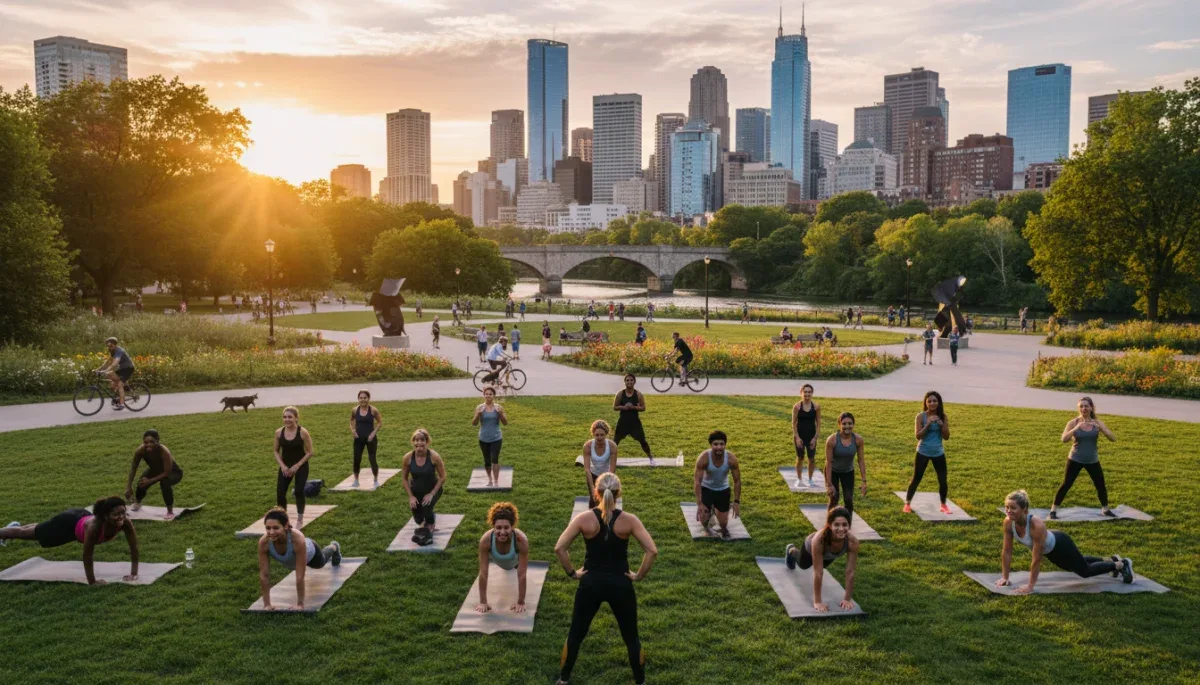
Outdoor fitness trends in the US for 2026 are shifting from traditional gyms to dynamic, nature-infused activities like adventure racing, parkour, and mindful movement, offering diverse and engaging ways to stay active.
As we look towards 2026, the landscape of physical well-being is undergoing a significant transformation, with more Americans seeking to break free from the confines of traditional gyms. This shift is giving rise to exciting new ways to stay active, proving that fitness can be found anywhere. The focus is increasingly on embracing the outdoors, blending exercise with nature, and fostering a sense of community. This article explores outdoor fitness trends 2026 that are not just gaining traction but are fundamentally reshaping how we approach health and wellness across the United States.
The Rise of Nature-Infused Workouts: A New Era of Fitness
The allure of the great outdoors has always been undeniable, but its integration into daily fitness routines is reaching unprecedented levels. People are discovering that fresh air, natural light, and varied terrains offer benefits that sterile gym environments simply cannot replicate. This movement is fueled by a desire for more engaging, holistic, and mentally stimulating forms of exercise.
Beyond the physical advantages, outdoor workouts provide a powerful antidote to modern stressors. The connection with nature has been scientifically linked to reduced anxiety and improved mood, making these activities a dual-purpose solution for both body and mind. It's about more than just burning calories; it's about rejuvenating the spirit and finding joy in movement.
The Mental and Physical Benefits
- Stress Reduction: Exercising in natural environments significantly lowers cortisol levels.
- Enhanced Mood: Exposure to sunlight boosts Vitamin D, improving overall well-being.
- Varied Terrain: Natural landscapes challenge muscles differently, promoting better balance and coordination.
- Community Building: Group outdoor activities foster social connections and support networks.
This evolving preference for outdoor activity is not merely a passing fad; it represents a fundamental change in how individuals perceive and pursue fitness. The accessibility of parks, trails, and open spaces makes it easier for everyone to participate, regardless of their fitness level or financial resources. This inclusivity is a cornerstone of the burgeoning outdoor fitness movement.
Adventure Racing and Obstacle Courses: Pushing Boundaries
Gone are the days when a simple jog was enough for thrill-seekers. Adventure racing and obstacle course events are experiencing a massive surge in popularity, challenging participants both physically and mentally. These events, often set in rugged natural environments, combine running, climbing, crawling, and problem-solving, making them a full-body and full-mind workout.
From Spartan Races to Tough Mudders, these events are no longer just for elite athletes. Accessible versions and training programs are making them appealing to a wider audience, fostering a sense of accomplishment and camaraderie. The preparation for such events often involves diverse outdoor training, further integrating nature into daily routines.
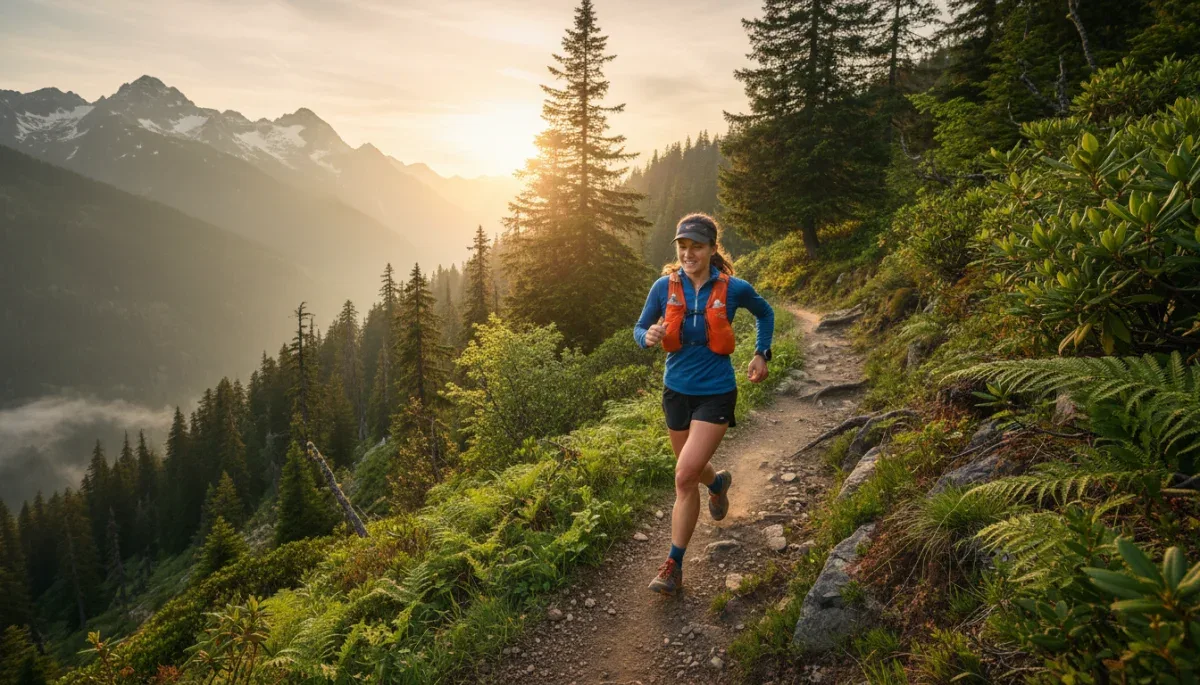
The appeal lies in the unique blend of competition, cooperation, and the sheer joy of overcoming personal limits. Participants often train together, building strong bonds and a supportive community. This social aspect is a key driver of their continued growth.
Types of Adventure Challenges
- Trail Running: Exploring diverse terrains, from forests to mountains.
- Obstacle Course Racing (OCR): Navigating man-made and natural obstacles.
- Adventure Races: Multi-sport events like kayaking, mountain biking, and trekking.
These activities are not just about the race day; they cultivate a lifestyle of consistent outdoor engagement and skill development. They encourage participants to view their bodies as instruments capable of incredible feats, fostering resilience and mental toughness that extend far beyond the finish line.
Urban Green Space Workouts: Bringing Fitness to the City
For city dwellers, the concept of outdoor fitness is being redefined through the innovative use of urban green spaces. Parks, plazas, and even rooftops are being transformed into vibrant hubs for physical activity, offering a refreshing alternative to indoor gyms. These spaces provide convenient access to nature for those living in densely populated areas.
From organized boot camps to individual calisthenics, urban green spaces are becoming canvases for diverse workout styles. Many cities are investing in outdoor fitness equipment, creating designated zones for exercise that are freely accessible to the public. This democratization of fitness is a key aspect of its growing appeal.
The beauty of urban outdoor workouts lies in their accessibility and adaptability. They remove financial barriers often associated with gym memberships and allow for spontaneous exercise. The dynamic environment of a city park, with its changing scenery and bustling energy, makes workouts less monotonous and more engaging.
Popular Urban Outdoor Activities
- Parkour and Freerunning: Utilizing urban architecture as an obstacle course.
- Outdoor Yoga and Pilates: Finding serenity amidst the city's hustle and bustle.
- Community Boot Camps: Group fitness classes in parks, often led by local trainers.
These initiatives not only promote physical health but also foster a stronger sense of community within urban areas. They transform underutilized spaces into lively centers of activity, enhancing the quality of life for residents and making fitness an integral part of city living.
Mindful Movement in Nature: Connecting Body and Earth
As the world becomes increasingly fast-paced, there's a growing desire for practices that promote mindfulness and inner peace. This has led to a significant rise in mindful movement activities conducted in natural settings. Think forest bathing, outdoor yoga, and walking meditations, all designed to enhance the mind-body connection.
These practices emphasize slow, deliberate movements and deep breathing, encouraging participants to fully immerse themselves in their surroundings. The sounds of birds, the rustling of leaves, and the scent of fresh earth become integral parts of the experience, deepening relaxation and focus. It's a holistic approach to wellness that nurtures both physical and mental health.
The integration of mindfulness into outdoor exercise offers a powerful counterpoint to high-intensity workouts. It provides an opportunity to slow down, reflect, and reconnect with oneself and the natural world. This trend appeals to those seeking a gentler, more contemplative path to fitness and well-being.
Benefits of Mindful Outdoor Practices
- Stress Reduction: Calms the nervous system and promotes relaxation.
- Enhanced Sensory Awareness: Heightens appreciation for natural beauty.
- Improved Focus: Cultivates present-moment awareness and concentration.
By consciously engaging with nature during physical activity, individuals can achieve a profound sense of peace and rejuvenation. This trend highlights the understanding that true wellness extends beyond physical strength, encompassing emotional and spiritual well-being.
Outdoor Water Sports and Activities: Embracing the Elements
With an abundance of coastlines, lakes, and rivers, the US offers endless opportunities for outdoor water sports, and these activities are seeing a significant boom. From paddleboarding and kayaking to open-water swimming and surfing, people are turning to aquatic environments for their fitness fix.
Water-based activities provide unique benefits, including low-impact workouts that are gentle on joints, and the natural resistance of water which builds strength and endurance. The serene environment of a lake or the exhilarating challenge of ocean waves offers a refreshing alternative to land-based exercises, engaging different muscle groups and providing a full sensory experience.
The appeal of water sports also lies in their versatility. They can be meditative and calming, like a sunrise paddleboard session, or intensely challenging, such as surfing large waves. This adaptability makes them suitable for a wide range of ages and fitness levels, encouraging more people to get out on the water.
Popular Water-Based Fitness
- Stand-Up Paddleboarding (SUP): Core strength, balance, and endurance.
- Kayaking and Canoeing: Upper body strength and cardiovascular fitness.
- Open-Water Swimming: Endurance and mental fortitude in natural bodies of water.
These activities not only offer excellent physical training but also provide a deep connection to nature. The rhythmic motion of paddling or swimming, combined with the vastness of the water, creates a sense of freedom and adventure that is hard to replicate elsewhere.
Community-Driven Outdoor Fitness Groups: Strength in Numbers
One of the most powerful drivers behind the growth of outdoor fitness is the strong sense of community it fosters. Across the US, countless groups are forming around shared outdoor activities, creating supportive networks that motivate members to stay active and engaged.
These groups range from casual hiking clubs and running collectives to more structured organizations focused on specific outdoor sports like climbing or cycling. They offer a welcoming environment for individuals of all fitness levels, providing accountability, encouragement, and opportunities for social interaction.
The social aspect of these groups is often as important as the physical activity itself. Members share tips, celebrate achievements, and build lasting friendships, making fitness a more enjoyable and sustainable pursuit. This communal approach to wellness is particularly appealing in an increasingly individualized world.
Benefits of Outdoor Fitness Groups
- Motivation and Accountability: Group settings provide encouragement to stick with goals.
- Skill Sharing: Experienced members can mentor newcomers.
- Social Connection: Building friendships with like-minded individuals.
The collective energy and shared experiences within these groups transform exercise from a solitary chore into a fulfilling social event. This trend underscores the human need for connection and shared purpose, proving that fitness is often better when pursued together in the great outdoors.
| Trend | Brief Description |
|---|---|
| Adventure Racing | Challenging multi-sport events in rugged natural environments. |
| Urban Green Workouts | Utilizing city parks and spaces for fitness activities. |
| Mindful Movement | Yoga, meditation, and forest bathing in natural settings. |
| Water Sports | Paddleboarding, kayaking, and open-water swimming for fitness. |
Frequently Asked Questions About Outdoor Fitness
What are the main benefits of outdoor fitness compared to gym workouts?▼Outdoor fitness offers numerous advantages, including exposure to fresh air and sunlight, varied terrain for different muscle engagement, and a significant boost to mental well-being by reducing stress and improving mood. It often provides a more dynamic and engaging experience than a controlled indoor environment.
Are outdoor fitness trends suitable for all fitness levels?▼Absolutely. Most outdoor fitness trends, from mindful walks to adventure races, offer scalable options for various fitness levels. Many community groups and programs are designed to be inclusive, ensuring beginners can safely participate and gradually build their strength and skills. It's about finding the right activity for you.
How can I find outdoor fitness groups or activities in my area?▼You can often find local outdoor fitness groups through social media platforms, community centers, local park and recreation departments, or specialized apps. Websites dedicated to specific activities like hiking or running often list local clubs. Don't hesitate to ask at local sporting goods stores for recommendations.
What essential gear do I need for outdoor fitness activities?▼Essential gear varies by activity. Generally, comfortable and weather-appropriate clothing, supportive footwear, and hydration are crucial. For specific activities like trail running or water sports, you might need specialized shoes, safety vests, or equipment. Always prioritize safety and comfort for an enjoyable experience.
Is outdoor fitness more sustainable for the environment?▼Yes, many outdoor fitness activities inherently have a lower environmental impact compared to energy-intensive gyms. However, it's crucial to practice Leave No Trace principles, respect natural habitats, and choose sustainable gear. The goal is to enjoy nature responsibly and ensure these spaces remain pristine for future generations.
Conclusion
The shift towards outdoor fitness is more than a fleeting trend; it's a profound re-evaluation of what it means to be healthy and active. As we progress into 2026, Americans are increasingly recognizing the unparalleled benefits of integrating nature into their exercise routines. From the adrenaline rush of adventure racing to the tranquility of mindful movement, and the camaraderie of community groups, the options are diverse and compelling. Embracing these outdoor fitness trends offers not just physical improvements but also significant enhancements to mental well-being and a deeper connection to the environment. It's an invitation to step outside, explore, and redefine your fitness journey in a way that truly invigorates the body and soul.