Social Media's Impact on US Teen Mental Health: 5 Strategies for Parents in 2026
Advertisements

Parents in the US need proactive strategies to address social media's profound impact on teen mental health, focusing on digital literacy, healthy boundaries, and open communication to foster well-being by 2026.
In 2026, understanding the impact of social media on US teen mental health: 5 strategies for parents has become more critical than ever. The digital landscape evolves rapidly, presenting both unprecedented connection and significant psychological challenges for adolescents. This article explores how parents can effectively navigate these complexities to safeguard their children's well-being.
Understanding the Evolving Digital Landscape for Teens
The digital world of 2026 is vastly different from previous years, with social media platforms becoming increasingly immersive and integrated into daily life. For US teenagers, these platforms are not just communication tools; they are spaces for identity formation, social validation, and information consumption. The constant stream of curated content, peer interactions, and algorithmic feeds profoundly shapes their perceptions and emotional states.
This evolution brings a unique set of pressures. Teens are exposed to idealized lifestyles, constant comparison, cyberbullying, and the fear of missing out (FOMO) at an unprecedented scale. The lines between online and offline realities blur, making it difficult for adolescents to distinguish authentic experiences from carefully constructed digital facades. Parents must grasp this intricate environment to offer relevant and effective support.
The Pervasiveness of Social Media in Teen Life
Social media is no longer an optional pastime but a fundamental aspect of adolescent social structures. From early morning scrolls to late-night chats, platforms dictate much of their social rhythm. This constant engagement, while offering connection, often comes at the cost of sleep, real-world interactions, and academic focus.
- Identity Exploration: Teens use social media to experiment with different personas and gauge peer reactions.
- Social Validation: Likes, comments, and follower counts often become metrics of self-worth.
- Information Source: Many teens rely on social media for news and understanding current events, often unfiltered.
- Peer Connection: It's a primary channel for maintaining friendships and belonging to social groups.
Understanding these deep-rooted functions helps parents move beyond simply limiting screen time to addressing the underlying needs social media fulfills for their children. It requires empathy and a willingness to understand their child's digital world from their perspective.
The digital landscape is a dynamic ecosystem, and what holds true today might shift tomorrow. Continuous learning and adaptation are crucial for parents aiming to support their teens' mental health effectively. Staying informed about new platforms, trends, and potential risks allows parents to remain relevant and authoritative guides in their children's digital lives.
Strategy 1: Fostering Open Communication and Trust
One of the most powerful tools parents possess in addressing the impact of social media on teen mental health is fostering open communication. Establishing an environment where teenagers feel safe to share their online experiences, both positive and negative, without fear of judgment or immediate punishment, is paramount. This trust forms the foundation upon which all other strategies can be built.
It begins with active listening and genuine curiosity about their digital world. Instead of interrogating, parents can ask open-ended questions about what their teens enjoy online, what challenges they face, and how certain interactions make them feel. This approach validates their experiences and encourages them to seek parental guidance when needed.
Building a Non-Judgmental Dialogue
When discussions arise, it's essential to approach them with empathy rather than immediate solutions or criticisms. Teenagers are more likely to confide in parents who demonstrate understanding and a willingness to listen without interrupting or dismissing their feelings. This doesn't mean condoning risky behavior, but rather creating a safe space for disclosure.
- Ask, don't assume: Inquire about their online activities and feelings instead of making assumptions.
- Listen actively: Pay full attention, making eye contact and reflecting on what they say.
- Validate feelings: Acknowledge their emotions, even if you don't fully agree with their perspective.
- Avoid instant solutions: Sometimes teens just need to be heard, not fixed.
Open communication also involves parents sharing their own experiences and concerns, modeling healthy digital habits, and admitting when they don't have all the answers. This vulnerability can strengthen the parent-child bond and make conversations about sensitive topics, like cyberbullying or online pressures, more accessible.
Ultimately, the goal is to become a trusted confidant rather than just an authority figure. When teens know their parents are a safe harbor, they are far more likely to approach them during times of distress or confusion related to their social media use, significantly mitigating potential negative mental health impacts.
Strategy 2: Setting Healthy Digital Boundaries and Expectations
Establishing clear, healthy digital boundaries and expectations is crucial for managing the impact of social media on US teen mental health. This isn't about imposing arbitrary rules but about collaboratively creating a framework that promotes responsible usage and protects well-being. These boundaries should be discussed and agreed upon, giving teens a sense of ownership and increasing compliance.
Effective boundaries extend beyond simply limiting screen time. They encompass what content is appropriate, when and where devices can be used, and the importance of balancing online and offline activities. Consistency in enforcing these boundaries is key to their success, signaling to teens that their digital health is a priority.
Collaborative Rule-Setting and Digital Contracts
Instead of dictating rules, engage your teen in the process of creating a family digital contract. This empowers them and helps them understand the reasoning behind the guidelines. Discussing the 'why' behind each rule (e.g., limiting phone use before bed to improve sleep) makes them more meaningful.
- Define screen-free zones: Establish areas like bedrooms or dinner tables as device-free.
- Set time limits: Agree on daily or weekly limits for social media use.
- Curfew for devices: Implement a time when all devices are put away for the night.
- Content guidelines: Discuss what types of content are appropriate and what to avoid.
Regularly review and adjust these boundaries as your teen matures and as the digital landscape changes. What works for a 13-year-old might not be appropriate for a 16-year-old. Flexibility, combined with firm expectations, allows for growth and continued relevance.
The aim is to teach self-regulation and responsible digital citizenship, not just to control behavior. By involving teens in the process, parents help them develop the critical thinking skills necessary to navigate their online lives independently and make informed choices about their social media engagement.
Strategy 3: Promoting Digital Literacy and Critical Thinking
In an era of information overload and pervasive misinformation, equipping teenagers with strong digital literacy and critical thinking skills is vital. This strategy empowers them to navigate social media platforms discerningly, understand the underlying mechanisms, and protect themselves from potential harms. It moves beyond passive consumption to active, informed engagement.
Digital literacy involves understanding how algorithms work, recognizing manipulative tactics, identifying fake news, and being aware of privacy settings. Critical thinking enables teens to question the content they encounter, evaluate sources, and understand the potential consequences of their online actions. Parents play a crucial role in fostering these essential skills.
Teaching Media Savvy and Online Safety
Educating teens about the business models behind social media platforms – how they profit from engagement and data – can demystify the experience and help them understand why certain content is pushed to them. Discussing the curated nature of feeds and the prevalence of filters can also counter feelings of inadequacy or comparison.
- Algorithm awareness: Explain how platforms tailor content based on past interactions.
- Fact-checking skills: Teach them to verify information from multiple sources.
- Privacy settings mastery: Guide them in understanding and utilizing privacy controls.
- Recognizing manipulation: Help them identify clickbait, emotional appeals, and advertising disguised as content.
Beyond content, discuss the permanence of online actions and the importance of a positive digital footprint. Help them understand that what they post or share can have long-term consequences for their reputation and future opportunities. This proactive education is far more effective than reactive damage control.
By fostering digital literacy and critical thinking, parents are not just protecting their teens from immediate threats but are also preparing them to be responsible and resilient digital citizens in an increasingly complex online world. This investment in their cognitive skills will serve them well beyond their teenage years.
Strategy 4: Encouraging Offline Activities and Real-World Connections
While social media offers avenues for connection, it can also displace valuable offline activities and real-world interactions essential for healthy development. A key strategy for parents in mitigating the negative impact of social media on US teen mental health is actively encouraging and facilitating engagement in hobbies, sports, volunteering, and face-to-face social events. This balance is crucial for holistic well-being.
Offline activities provide opportunities for developing diverse skills, building self-esteem through tangible achievements, and forming deeper, more authentic connections with peers. They offer a respite from the constant performance and comparison inherent in social media, allowing teens to be present and engaged in their immediate environment.
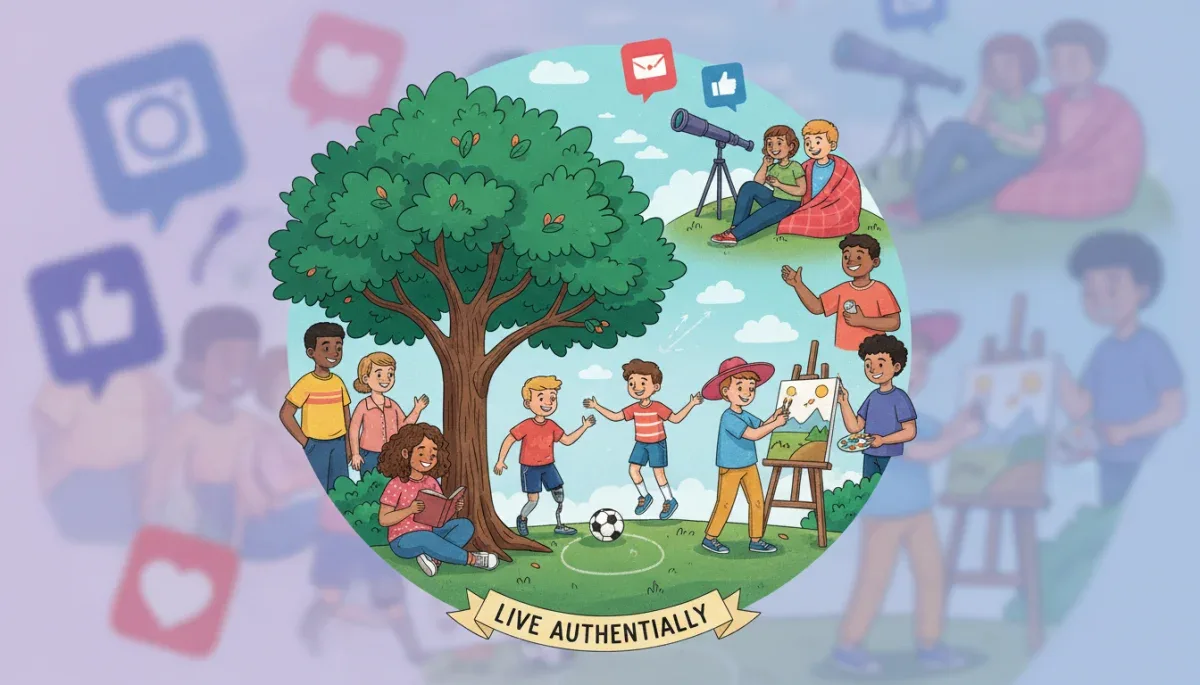
Balancing Screen Time with Real-World Engagement
Parents can lead by example by demonstrating their own commitment to offline pursuits and limiting their screen time when interacting with their children. This modeling reinforces the value of real-world engagement and makes it a natural part of family life. Encourage participation in activities that align with their interests, fostering intrinsic motivation rather than forced compliance.
- Support hobbies: Encourage sports, arts, music, or other passions.
- Family time: Schedule regular screen-free family meals or outings.
- Outdoor activities: Promote time in nature, which is known to boost mental well-being.
- Community involvement: Encourage volunteering or participation in local clubs.
It's important to recognize that not all screen time is equal. Educational apps, creative projects, or connecting with distant relatives can be beneficial. The focus should be on ensuring a healthy balance, where online engagement complements rather than replaces real-world experiences.
By actively promoting and facilitating offline activities, parents help their teens cultivate a diverse set of coping mechanisms, build resilience, and develop a stronger sense of self that is not solely dependent on online validation. This balance is fundamental to protecting and enhancing their mental health.
Strategy 5: Monitoring for Warning Signs and Seeking Professional Help
Despite proactive measures, some teenagers may still struggle with the negative impacts of social media on their mental health. The fifth crucial strategy for parents in 2026 is to remain vigilant for warning signs and be prepared to seek professional help when necessary. Early intervention can make a significant difference in a teen's recovery and long-term well-being.
Warning signs can manifest in various ways, from subtle behavioral changes to more pronounced emotional distress. Parents should trust their instincts and be attentive to shifts in their child's mood, sleep patterns, academic performance, or social interactions. These changes, especially when coupled with heavy social media use, warrant closer attention.
Recognizing and Responding to Distress Signals
It's important to distinguish between typical teenage mood fluctuations and more persistent or severe signs of distress. While occasional sadness is normal, prolonged withdrawal, significant changes in appetite, loss of interest in previously enjoyed activities, or expressions of hopelessness are red flags that should not be ignored.
- Changes in mood: Persistent irritability, sadness, anxiety, or apathy.
- Sleep disturbances: Difficulty falling asleep, staying asleep, or excessive sleeping.
- Academic decline: Sudden drops in grades or disinterest in school.
- Social withdrawal: Isolating from friends and family, preferring online interactions.
- Changes in eating habits: Significant weight gain or loss, or preoccupation with body image.
- Expressions of self-harm or suicidal ideation: Any mention or indication requires immediate professional help.
If you observe these warning signs, initiate a calm, supportive conversation with your teen. Express your concerns without blame and reassure them that you are there to help. If the symptoms persist or worsen, or if you suspect a more serious mental health issue, do not hesitate to consult a pediatrician, school counselor, or a mental health professional specializing in adolescent care.
Seeking professional help is a sign of strength, not failure. Therapists can provide tools and strategies for coping, address underlying issues, and guide both teens and parents through challenging times. Being proactive in monitoring and seeking help ensures that teens receive the support they need to navigate the complexities of social media and protect their mental health.
| Strategy | Brief Description |
|---|---|
| Open Communication | Foster a safe, non-judgmental environment for teens to discuss online experiences. |
| Healthy Digital Boundaries | Collaboratively set and enforce limits on screen time and appropriate content. |
| Digital Literacy | Teach critical thinking to discern information and understand online mechanisms. |
| Offline Engagement | Encourage real-world activities to balance online presence and foster diverse skills. |
Frequently Asked Questions About Teen Social Media and Mental Health
How does social media primarily affect teen mental health?▼Social media can significantly impact teen mental health by fostering comparison, increasing anxiety and depression, exposing them to cyberbullying, and disrupting sleep patterns. The constant pressure to present an idealized self can lead to feelings of inadequacy and low self-esteem among adolescents.
What are the key warning signs of social media-related distress in teens?▼Key warning signs include persistent changes in mood (sadness, irritability), sleep disturbances, academic decline, social withdrawal from real-world activities, changes in eating habits, and expressing feelings of hopelessness or self-harm. Parents should observe prolonged changes in behavior and emotional state.
How can parents effectively set digital boundaries without alienating their teens?▼Effective boundary setting involves collaborative rule-making, like creating a family digital contract together. Discuss the 'why' behind rules, such as improving sleep by limiting late-night phone use. This fosters a sense of ownership and understanding, promoting compliance rather than rebellion.
Why is digital literacy important for teens on social media?▼Digital literacy empowers teens to critically evaluate online content, understand algorithms, recognize misinformation, and manage their privacy. It helps them discern between curated realities and authentic experiences, reducing negative comparisons and protecting them from manipulative tactics online, fostering responsible digital citizenship.
When should parents consider seeking professional help for their teen's social media use?▼Parents should consider professional help if warning signs of distress are persistent or severe, such as prolonged withdrawal, significant mood changes, self-harm ideation, or if their teen's social media use is severely impairing daily functioning, academic performance, or real-world relationships. Early intervention is crucial.
Conclusion
Navigating the impact of social media on US teen mental health: 5 strategies for parents by 2026 requires a multifaceted and adaptive approach. By fostering open communication, establishing healthy digital boundaries, promoting digital literacy, encouraging offline activities, and diligently monitoring for warning signs, parents can significantly mitigate the risks and cultivate resilience in their children. The digital world will continue to evolve, but with these foundational strategies, parents can empower their teens to thrive both online and offline, ensuring their mental well-being remains a top priority.