US Brain Health: 3 Emerging Tech Reshaping Mental Wellness by 2026
Advertisements
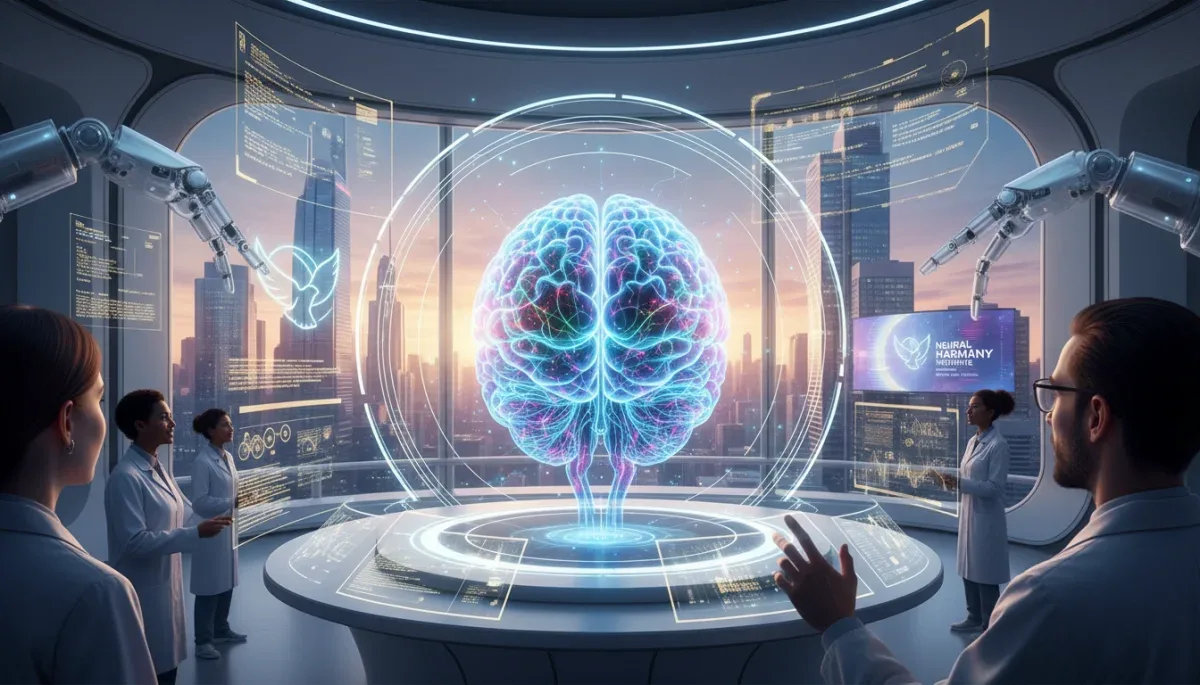
Emerging technologies are rapidly transforming US brain health, with innovative approaches set to reshape mental wellness by 2026 through advanced diagnostics, personalized treatments, and accessible care solutions.
The landscape of mental wellness in the United States is on the cusp of a profound transformation. By 2026, new technologies promise to revolutionize how we understand, diagnose, and treat brain health conditions. This article delves into how US brain health technology is reshaping mental wellness, highlighting three key emerging areas that are leading this charge.
The Dawn of Precision Psychiatry with AI and Machine Learning
Artificial Intelligence (AI) and Machine Learning (ML) are not just buzzwords; they are becoming foundational elements in the evolution of brain health. These technologies are poised to offer unprecedented precision in understanding the complexities of the human mind, moving beyond traditional trial-and-error approaches.
In the realm of diagnostics, AI algorithms can analyze vast datasets, including genetic information, brain imaging, and behavioral patterns, to identify biomarkers for various mental health conditions. This allows for earlier and more accurate diagnoses, paving the way for personalized treatment plans that are tailored to an individual's unique biological and psychological profile.
AI-Powered Diagnostics and Predictive Analytics
The ability of AI to process and interpret complex data far surpasses human capabilities, leading to significant breakthroughs in diagnostic accuracy. Predictive analytics, a subset of AI, can even forecast the likelihood of developing certain conditions or responding to specific treatments.
- Early detection of neurological disorders.
- Identification of personalized treatment pathways.
- Prediction of treatment response and relapse risk.
Moreover, AI is being utilized to develop sophisticated digital phenotyping tools. These tools collect passive data from smartphones and wearables, such as sleep patterns, social interactions, and vocal tonality, to detect subtle changes indicative of deteriorating mental health. This continuous monitoring can provide crucial insights for timely interventions, often before a crisis point is reached.
The integration of AI into clinical practice is not without its challenges, including data privacy concerns and the need for robust validation studies. However, the potential for AI to democratize access to high-quality mental health care, especially in underserved areas, is immense. It can assist clinicians in making more informed decisions, reducing the burden on an already stretched healthcare system.
Ultimately, AI and machine learning are setting the stage for a new era in brain health, where diagnostics are more precise, treatments are more personalized, and interventions are more proactive. This technological shift promises to redefine the patient journey, offering more effective and compassionate care.
Virtual and Augmented Reality: Immersive Therapeutic Environments
Virtual Reality (VR) and Augmented Reality (AR) technologies are rapidly moving beyond entertainment, establishing themselves as powerful therapeutic tools in mental wellness. These immersive platforms create controlled environments that can be tailored to address specific phobias, anxieties, and even post-traumatic stress disorder (PTSD).
VR therapy, often referred to as exposure therapy in a virtual setting, allows patients to confront their fears in a safe and controlled digital space. This reduces the risk and cost associated with real-world exposure, making therapy more accessible and less daunting for many individuals. The ability to customize scenarios ensures that therapy progresses at a pace comfortable for the patient.
Applications in Anxiety and Phobia Treatment
For conditions like social anxiety or specific phobias, VR offers a unique opportunity to practice coping mechanisms and build resilience. Patients can navigate virtual social gatherings or interact with feared objects, gradually desensitizing themselves to triggers.
- Controlled exposure to phobic stimuli.
- Safe practice environments for social skills.
- Distraction and pain management in medical procedures.

AR, on the other hand, overlays digital information onto the real world, offering a different but equally promising therapeutic avenue. Imagine an individual with anxiety using an AR app that provides real-time calming visual cues or guided meditation prompts within their actual environment. This seamless integration can help manage stress and improve focus in daily life.
Beyond direct therapeutic interventions, VR and AR are also being explored for training mental health professionals. These platforms can simulate complex clinical scenarios, allowing therapists to hone their skills in diagnosis, communication, and crisis intervention without risk to actual patients. This enhances the quality of care provided across the board.
The immersive nature of VR and AR also offers potential for cognitive rehabilitation, helping individuals with conditions like ADHD or traumatic brain injury to improve attention, memory, and problem-solving skills through engaging, gamified exercises. These technologies are truly opening new dimensions in how we approach mental health treatment, making it more engaging and effective.
Digital Therapeutics and Wearable Devices: Empowering Self-Management
The rise of digital therapeutics (DTx) and advanced wearable devices marks a significant shift towards empowering individuals in their own mental wellness journeys. These technologies provide accessible, on-demand support, bridging gaps in traditional care and promoting proactive self-management.
Digital therapeutics are evidence-based software programs designed to prevent, manage, or treat a medical disorder or disease. Unlike general wellness apps, DTx products are rigorously tested and often prescribed by healthcare professionals. They deliver therapeutic interventions directly to patients via smartphones, tablets, or other digital devices.
Personalized Mental Health Support on Demand
DTx programs can offer cognitive behavioral therapy (CBT) exercises, mindfulness practices, and educational content, all tailored to the user's specific needs. This personalized approach ensures that interventions are relevant and engaging, leading to better adherence and outcomes.
- Delivery of evidence-based psychological interventions.
- Continuous monitoring of mood and behavior patterns.
- Integration with professional care for enhanced support.
Wearable devices, from smartwatches to specialized neuro-feedback headbands, complement DTx by continuously monitoring physiological and behavioral data. Heart rate variability, sleep quality, activity levels, and even stress biomarkers can provide valuable insights into an individual's mental state. This data can then inform personalized interventions, either through DTx apps or by alerting clinicians to potential issues.
The combination of DTx and wearables facilitates a more holistic and continuous approach to mental health. Patients can track their progress, identify triggers, and receive timely support, reducing the reliance on episodic clinical visits. This proactive model is particularly beneficial for managing chronic conditions and preventing relapses.
However, the effectiveness of DTx and wearables heavily relies on user engagement and data privacy. Robust regulatory frameworks are essential to ensure the safety and efficacy of these digital interventions. As these technologies mature, they hold the promise of making mental health support more integrated into daily life, fostering greater resilience and well-being.
Ethical Considerations and Accessibility in Brain Health Tech
As US brain health technology advances, it's crucial to address the ethical implications and ensure equitable access. The power of AI, VR, and DTx brings with it responsibilities concerning data privacy, algorithmic bias, and the potential for widening health disparities.
Data privacy is paramount, especially when dealing with sensitive mental health information. Robust security measures and transparent data usage policies are essential to build trust and protect individuals. Patients must have clear control over their data and understand how it is being collected, stored, and utilized by these emerging technologies.
Ensuring Fair and Equitable Access
Technological advancements, while promising, often face the challenge of equitable distribution. There is a risk that these cutting-edge solutions might primarily benefit those with greater financial resources or access to specialized healthcare facilities, further exacerbating existing health disparities.
- Addressing the digital divide in healthcare.
- Developing affordable and scalable technological solutions.
- Implementing clear ethical guidelines for data use.
Algorithmic bias is another significant concern. If AI models are trained on unrepresentative datasets, they may perpetuate or even amplify existing societal biases, leading to inaccurate diagnoses or ineffective treatments for certain demographic groups. Developers must prioritize diverse and inclusive datasets to ensure fairness and accuracy across all populations.
Moreover, the integration of these technologies into the healthcare system requires careful consideration of regulatory frameworks. Ensuring that DTx products meet rigorous standards for safety and efficacy is vital. Similarly, guidelines for the responsible use of AI in clinical decision-making are necessary to maintain patient safety and professional accountability.
Ultimately, the successful integration of emerging brain health technologies hinges on a commitment to ethical development and a proactive approach to accessibility. By addressing these challenges head-on, we can ensure that these innovations truly serve to improve mental wellness for all, rather than creating new barriers to care.
Integrating Emerging Tech into Clinical Practice by 2026
The vision of integrating advanced US brain health technology into everyday clinical practice by 2026 is ambitious yet attainable. This integration requires a concerted effort from policymakers, healthcare providers, technology developers, and patients themselves to overcome existing hurdles and harness the full potential of these innovations.
One of the primary challenges is the need for comprehensive training and education for mental health professionals. Clinicians must be equipped with the knowledge and skills to effectively utilize AI-powered diagnostic tools, administer VR therapies, and integrate DTx into treatment plans. This involves not only technical proficiency but also an understanding of the ethical considerations.
Training and Adoption Strategies
Developing standardized training programs and certification pathways will be crucial for widespread adoption. Healthcare institutions will need to invest in infrastructure and support systems to facilitate the seamless integration of these technologies into their workflows.
- Standardized training for mental health professionals.
- Development of interoperable technology platforms.
- Incentivizing adoption through policy and funding.
Furthermore, robust research is needed to continually validate the efficacy and cost-effectiveness of these emerging technologies. Evidence-based practice remains the cornerstone of quality healthcare, and ongoing studies will ensure that new tools are both safe and beneficial. This research should also focus on long-term outcomes and diverse patient populations.
Interoperability between different technological platforms is another critical factor. For a truly integrated system, AI diagnostic tools, VR therapy platforms, and DTx apps must be able to communicate and share data securely and efficiently. This will create a more cohesive and comprehensive care experience for patients.
Patient acceptance and engagement are equally important. Educating the public about the benefits and limitations of these technologies will foster greater trust and encourage participation in tech-enabled mental health solutions. By prioritizing user-friendly designs and demonstrating tangible improvements in outcomes, we can accelerate adoption.
The path to widespread integration by 2026 will be iterative, involving continuous feedback loops and adaptations. However, with strategic planning and collaborative efforts, these technologies have the power to fundamentally transform mental wellness care, making it more accessible, effective, and personalized for millions.
The Future Outlook: A Holistic Approach to Mental Wellness
Looking towards 2026 and beyond, the future of US brain health technology points to a more holistic and preventive approach to mental wellness. The convergence of AI, VR, and digital therapeutics is not just about treating illness, but also about fostering resilience and promoting overall well-being. This integrated vision aims to move beyond reactive care to proactive health management.
The synergy between these technologies will allow for a continuous feedback loop of data and intervention. Wearable devices can monitor physiological markers, AI can analyze these trends to predict potential issues, and DTx or VR can deliver timely, personalized interventions. This creates a dynamic and responsive system of care that adapts to individual needs in real-time.
Preventive Strategies and Well-being Enhancement
The emphasis will increasingly shift towards preventive strategies, using technology to identify risk factors early and implement interventions before conditions escalate. This includes personalized well-being programs that integrate mental and physical health.
- Proactive identification of mental health risks.
- Personalized well-being and resilience programs.
- Integration of mental and physical health data.
Moreover, the accessibility afforded by these digital tools will be crucial in addressing the ongoing mental health crisis, particularly in rural and underserved communities. Telehealth, augmented by AI and VR, can bring specialized care directly to individuals’ homes, breaking down geographical and logistical barriers to treatment.
The evolving role of the mental health professional will also be significant. Instead of being solely focused on direct therapy, clinicians may increasingly act as guides and facilitators, leveraging technology to extend their reach and enhance their effectiveness. This collaborative model positions technology as a powerful ally in the delivery of care.
Ultimately, the landscape of mental wellness by 2026 will be characterized by greater personalization, accessibility, and a stronger emphasis on prevention. These emerging technologies offer a beacon of hope, promising a future where brain health is not only better understood and treated but also proactively nurtured throughout an individual's life. The journey is complex, but the potential for positive impact is immense.
| Key Technology | Impact on Mental Wellness |
|---|---|
| AI & Machine Learning | Enables precision diagnostics, personalized treatment plans, and predictive analytics for early intervention. |
| Virtual & Augmented Reality | Offers immersive therapeutic environments for phobias, anxiety, and PTSD, enhancing exposure therapy. |
| Digital Therapeutics & Wearables | Empowers self-management through evidence-based digital programs and continuous physiological monitoring. |
| Ethical Considerations | Ensuring data privacy, combating algorithmic bias, and promoting equitable access are critical for success. |
Frequently Asked Questions About Brain Health Technology
How will AI improve mental health diagnoses by 2026?▼AI will enhance mental health diagnoses by analyzing vast datasets, including genetic and imaging data, to identify subtle biomarkers. This leads to earlier, more accurate detection and personalized treatment recommendations, moving away from subjective assessments towards precision psychiatry.
What role will virtual reality play in therapy for mental wellness?▼Virtual reality will provide immersive, controlled environments for exposure therapy, helping patients confront phobias, anxieties, and PTSD in a safe digital space. It enables customized scenarios, making therapy more accessible and less intimidating for many individuals seeking mental wellness solutions.
Are digital therapeutics safe and effective for mental health?▼Yes, digital therapeutics (DTx) are evidence-based software programs that undergo rigorous testing and often require prescription. They deliver clinically validated interventions like CBT via digital devices, proving effective in preventing, managing, or treating various mental health conditions when properly used and regulated.
How can wearable devices contribute to mental wellness management?▼Wearable devices continuously monitor physiological data such as sleep patterns, heart rate, and activity levels, offering insights into mental state. This data can inform personalized interventions, alert users or clinicians to potential issues, and empower individuals in proactive self-management of their mental wellness.
What ethical challenges do these new brain health technologies face?▼Ethical challenges include ensuring robust data privacy, addressing potential algorithmic biases that could lead to unequal care, and guaranteeing equitable access to these advanced tools across all socioeconomic groups. Transparent policies and regulatory oversight are crucial for responsible development and deployment.
Conclusion
The rapid evolution of US brain health technology, driven by innovations in AI, VR, and digital therapeutics, is fundamentally reshaping the landscape of mental wellness. By 2026, we can anticipate a healthcare system that offers more precise diagnostics, highly personalized treatments, and accessible support mechanisms. While challenges related to ethics, accessibility, and integration remain, the potential for these technologies to profoundly improve lives is undeniable. As we move forward, a collaborative and thoughtful approach will be essential to harness these advancements, ensuring a future where mental wellness is proactively supported and universally within reach.