2026 US Mental Health Shortage: Solutions for Qualified Therapists
Advertisements

The projected 2026 US mental health workforce shortage demands urgent attention, necessitating strategic solutions like expanded training, improved retention, telehealth integration, and community-based care to ensure access to qualified therapists.
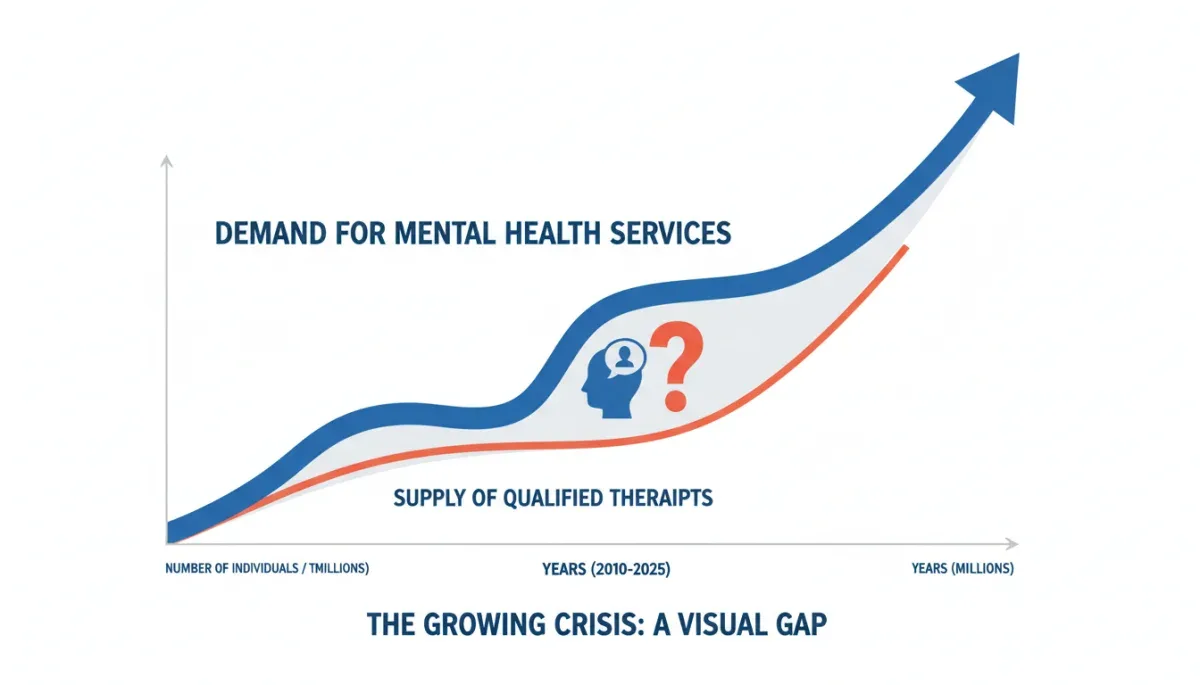
The landscape of mental wellness in the United States is at a critical juncture. By 2026, projections indicate a significant shortfall in the number of qualified mental health professionals, posing a substantial challenge to public health. Understanding the US mental health shortage is paramount, as it directly impacts access to care for millions of Americans. This impending crisis demands proactive, innovative solutions to ensure that individuals seeking support can connect with the therapists they need.
Understanding the Impending 2026 Mental Health Workforce Crisis
The United States is on the precipice of a severe mental health workforce crisis by 2026, a challenge amplified by increased demand for services and an aging professional demographic. This shortage isn't merely a statistical anomaly; it represents a tangible barrier for individuals seeking crucial mental health support. The implications extend across various demographics, impacting everything from preventative care to acute crisis intervention.
Several factors contribute to this looming shortfall. Firstly, there's a growing awareness and destigmatization of mental health issues, leading more people to seek help. While positive, this surge in demand isn't being met by a corresponding increase in the supply of qualified therapists. Secondly, an aging workforce means many experienced professionals are nearing retirement, creating a knowledge and capacity gap. Finally, geographical disparities exacerbate the problem, with rural and underserved urban areas often having minimal access to mental health services.
Key Drivers of the Shortage
- Increased Demand: Greater public awareness and reduced stigma lead to more people seeking mental health care.
- Aging Workforce: A significant portion of current therapists are nearing retirement, reducing the overall pool.
- Geographic Disparities: Uneven distribution of professionals leaves many areas critically underserved.
- Burnout Rates: High caseloads and administrative burdens contribute to therapist burnout, leading to early exits from the profession.
The confluence of these factors creates a complex problem requiring multifaceted solutions. Without strategic interventions, the ability of the healthcare system to adequately address mental health needs will be severely compromised, potentially leading to poorer health outcomes and increased societal costs.
Solution 1: Expanding and Diversifying the Training Pipeline
One of the most direct ways to combat the mental health workforce shortage is to significantly expand and diversify the pipeline of qualified therapists. This involves not only increasing the number of graduates from mental health programs but also ensuring these new professionals are equipped to serve a diverse population.
Initiatives must focus on making mental health education more accessible and affordable. This includes offering scholarships, loan forgiveness programs, and expanding training opportunities in underserved regions. Furthermore, curriculum development should emphasize cultural competence and specialized training to address the unique needs of various communities, including LGBTQ+ individuals, veterans, and minority groups. Diversifying the workforce means actively recruiting students from varied backgrounds, ensuring that therapists can reflect and understand the experiences of their future clients.
Strategies for Pipeline Expansion
- Increased Funding for Programs: Government and private sector investment in university and college mental health programs.
- Scholarships and Loan Forgiveness: Incentivizing students to pursue mental health careers, especially in high-need areas.
- Community College Pathways: Creating clear transfer pathways from associate's degrees to bachelor's and master's programs in mental health.
Moreover, exploring alternative credentialing pathways and recognizing the value of different therapeutic approaches can broaden the pool of eligible professionals. This strategy aims to create a robust and adaptable workforce capable of meeting the evolving demands of mental health care. By investing in education and training today, we can build a stronger foundation for mental wellness tomorrow.
Solution 2: Enhancing Retention and Reducing Burnout Among Therapists
Attracting new talent is only half the battle; retaining existing mental health professionals is equally crucial. High rates of burnout and job dissatisfaction are significant contributors to the current shortage. Therapists often face immense emotional labor, heavy caseloads, and administrative burdens, which can lead to exhaustion and a desire to leave the profession prematurely.
Addressing retention requires a systemic approach that prioritizes therapist well-being. This includes implementing supportive workplace policies, such as manageable caseload limits, access to supervision and peer support groups, and opportunities for professional development and continuing education. Creating a culture that values self-care and work-life balance can significantly reduce burnout rates.
Furthermore, improving compensation and benefits can make the profession more attractive and sustainable. Many therapists, particularly those in early career stages, struggle with student loan debt and relatively lower salaries compared to other healthcare professions. Competitive pay, comprehensive health benefits, and retirement plans can foster greater loyalty and commitment to the field.
Key Retention Strategies
- Supportive Work Environments: Implementing policies that prevent excessive caseloads and encourage regular breaks.
- Professional Development: Offering opportunities for advanced training and specialization to keep therapists engaged and growing.
- Competitive Compensation: Ensuring salaries and benefits are attractive enough to retain skilled professionals.
- Mentorship Programs: Providing support for new therapists to navigate the challenges of the profession.
By focusing on the well-being and professional satisfaction of current therapists, we can create a more sustainable workforce and prevent experienced professionals from leaving the field, thus mitigating the impact of the impending shortage.
Solution 3: Leveraging Technology and Telehealth for Wider Access
The advent of technology, particularly telehealth, offers a powerful solution to bridge geographical gaps and increase access to mental health services. Telehealth allows therapists to connect with clients remotely, overcoming barriers such as distance, transportation issues, and scheduling conflicts. This flexibility can significantly expand the reach of qualified professionals, especially to rural and underserved urban populations.
The COVID-19 pandemic accelerated the adoption of telehealth, demonstrating its efficacy and convenience. However, sustained investment in technological infrastructure and clear regulatory frameworks are essential for its long-term success. Ensuring internet access for all, providing training for both therapists and clients on telehealth platforms, and addressing privacy and security concerns are critical steps.
Benefits of Telehealth Integration
- Increased Accessibility: Reaches individuals in remote areas or those with mobility limitations.
- Greater Flexibility: Offers more scheduling options for both clients and therapists.
- Reduced Stigma: Some individuals may feel more comfortable seeking help from the privacy of their own homes.
- Cost-Effectiveness: Can reduce travel time and associated costs for both parties.
Beyond one-on-one therapy, technology can also support mental health through digital platforms offering self-help resources, AI-driven chatbots for initial assessments, and virtual support groups. These tools can act as valuable complements to traditional therapy, extending the continuum of care and making mental health support more readily available to a broader audience. Embracing technological advancements is not just an option but a necessity in addressing the US mental health shortage.
Solution 4: Fostering Community-Based and Integrated Care Models
Shifting towards community-based and integrated care models represents another vital strategy for addressing the mental health workforce shortage. This approach involves embedding mental health services within primary care settings, schools, and community centers, making care more accessible and less stigmatizing. When mental health professionals work alongside general practitioners, they can identify and address mental health concerns earlier, preventing them from escalating.
Integrated care models promote a holistic view of health, recognizing the interconnectedness of physical and mental well-being. This means mental health therapists are not isolated but are part of a broader healthcare team, collaborating with physicians, nurses, and social workers. Such collaboration can lead to more comprehensive patient care and better outcomes.
Advantages of Integrated Care
- Early Intervention: Mental health issues can be identified and treated sooner within familiar primary care settings.
- Reduced Stigma: Receiving mental health care in a general medical setting can normalize the experience.
- Holistic Treatment: Coordinated care addresses both physical and mental health needs simultaneously.
- Efficient Resource Utilization: Maximizes the impact of existing mental health professionals by integrating them into wider care networks.
Furthermore, strengthening community mental health centers and expanding their services can provide localized support, particularly for vulnerable populations. These centers often offer a range of services, including therapy, case management, and crisis intervention, playing a crucial role in the mental health safety net. By decentralizing and integrating mental health care, we can ensure that more individuals have access to the support they need, alleviating pressure on specialized services and making the most of available professionals.
The Role of Policy and Advocacy in Addressing the Shortage
While the aforementioned solutions focus on direct interventions, the overarching success in addressing the US mental health shortage hinges significantly on supportive policy and sustained advocacy. Government policies can create the necessary infrastructure and funding mechanisms to implement these solutions effectively. This includes legislation that supports mental health parity, ensuring that mental health services are covered by insurance at the same level as physical health services, which can increase demand for care and attract more professionals to the field.
Advocacy groups and professional organizations play a crucial role in raising awareness, lobbying for increased funding, and promoting best practices. Their efforts can influence policymakers to prioritize mental health initiatives, from expanding educational grants to streamlining licensing processes across states, which would allow therapists to practice more flexibly. Furthermore, policies that support innovative care models, such as reimbursement for telehealth services, are essential for widespread adoption.
Policy and Advocacy Focus Areas
- Funding Allocation: Increased federal and state funding for mental health training programs and service delivery.
- Regulatory Reform: Streamlining licensing requirements and promoting interstate compacts for therapists.
- Mental Health Parity Enforcement: Ensuring equitable insurance coverage for mental health services.
- Research and Data Collection: Investing in studies to better understand workforce needs and evaluate intervention effectiveness.
Ultimately, a concerted effort from policymakers, healthcare providers, educators, and the public is required. By working together, we can create a supportive environment that not only addresses the immediate shortage but also builds a resilient and accessible mental health system for the future. Without strong policy backing, even the most promising solutions may struggle to achieve their full potential, underscoring the critical importance of a coordinated national strategy.
| Key Solution | Brief Description |
|---|---|
| Expand Training Pipeline | Increase graduates, diversify programs, and offer financial incentives for mental health students. |
| Enhance Retention | Reduce burnout through supportive policies, competitive pay, and professional development. |
| Leverage Telehealth | Utilize technology to provide remote care, overcoming geographical and accessibility barriers. |
| Foster Integrated Care | Embed mental health services in primary care and community settings for holistic support. |
Frequently Asked Questions About the Mental Health Shortage
What is driving the 2026 US mental health workforce shortage?▼The shortage is primarily driven by a significant increase in demand for mental health services, an aging therapist workforce nearing retirement, and persistent geographic disparities in access to care across the United States. Burnout also plays a critical role.
How can expanding the training pipeline help?▼Expanding the training pipeline involves increasing funding for mental health programs, offering scholarships, and diversifying curricula. This helps produce more qualified graduates who are prepared to serve a wide range of communities and client needs.
What role does telehealth play in addressing the shortage?▼Telehealth significantly increases access to mental health services by allowing remote consultations. It overcomes barriers like distance, transportation, and scheduling, making care available to underserved populations and improving flexibility for both therapists and clients.
Why is therapist retention important, and how can it be improved?▼Retaining therapists is crucial to prevent experienced professionals from leaving the field due to burnout. Improvements can be made through supportive workplace policies, manageable caseloads, competitive compensation, and opportunities for professional development and self-care.
How do integrated care models contribute to solving the shortage?▼Integrated care models embed mental health services within primary care and community settings, fostering early intervention and holistic treatment. This approach normalizes mental health care, reduces stigma, and efficiently utilizes existing professionals within broader healthcare teams.
Conclusion
The projected 2026 US mental health workforce shortage is a complex challenge that demands immediate and strategic action. By focusing on expanding and diversifying the training pipeline, enhancing therapist retention, leveraging technology through telehealth, and fostering integrated, community-based care models, we can collectively work towards a more resilient mental health system. Addressing this crisis requires a multi-pronged approach, supported by robust policy and sustained advocacy, to ensure that every individual in the United States has access to the qualified mental health support they need and deserve.