2026 Health Insurance: Your Guide to Preventive Benefits
Advertisements
Understanding your 2026 health insurance preventive benefits is crucial for maintaining well-being and mitigating future health risks effectively.
Navigating 2026 Health Insurance for Preventive Benefits: A User's Guide is more critical than ever, as understanding your coverage can significantly impact your long-term health and financial well-being. This comprehensive guide will illuminate the pathways to maximizing your preventive care.
Understanding Preventive Care in 2026
As we look towards 2026, the landscape of health insurance continues to evolve, with a strong emphasis on preventive care. These services are designed to keep you healthy, detect potential health issues early, and ultimately reduce the need for more intensive and costly treatments down the line. Many people overlook these benefits, not realizing the significant impact they can have on their overall health journey.
Preventive care encompasses a wide array of services, from routine check-ups and vaccinations to screenings for various diseases. The Affordable Care Act (ACA) has played a pivotal role in ensuring that most health insurance plans cover these essential services without any out-of-pocket costs to the consumer. This provision remains a cornerstone of health insurance in 2026, empowering individuals to take proactive steps towards their health.
Key Preventive Services Covered
Knowing which services fall under preventive care is the first step in utilizing your benefits effectively. These are typically services recommended by the U.S. Preventive Services Task Force (USPSTF) and the Advisory Committee on Immunization Practices (ACIP).
- Annual physical exams and wellness visits.
- Immunizations for adults and children, including flu shots and tetanus boosters.
- Screenings for conditions like high blood pressure, cholesterol, diabetes, and certain cancers.
It's important to remember that while these services are usually covered at 100%, diagnostic tests or treatments that arise from a preventive screening might not be. For instance, if a mammogram (preventive) identifies a suspicious area requiring further investigation, the subsequent diagnostic biopsy might incur co-pays or deductibles.
In conclusion, preventive care in 2026 is a robust component of health insurance, offering a wide range of services at no direct cost. Understanding these offerings is key to maintaining good health and preventing serious illnesses.
Decoding Your 2026 Health Plan Documents
The thought of sifting through health insurance documents can be daunting. However, these documents are your primary resource for understanding what your 2026 health plan covers, especially concerning preventive benefits. Taking the time to read and understand your Explanation of Benefits (EOB), Summary of Benefits and Coverage (SBC), and plan handbook can save you from unexpected costs and help you maximize your health. Many people simply file these away, missing crucial details that could impact their healthcare decisions.

These documents detail not only what is covered but also how it's covered. They specify co-pays, deductibles, co-insurance, and out-of-pocket maximums. While preventive services are often covered at 100% due to ACA mandates, understanding the nuances of your specific plan is vital, as some plans may have specific providers or facilities that must be used.
Where to Find Key Information
Your insurer's website is often the quickest way to access these documents digitally. Most providers offer a member portal where you can download your plan details, track claims, and even chat with customer service representatives.
- Summary of Benefits and Coverage (SBC): This standardized document provides an easy-to-understand overview of your plan's benefits and coverage.
- Plan Handbook/Certificate of Coverage: This is the most detailed document, outlining all terms, conditions, and limitations of your policy.
- Provider Network Directory: Essential for finding in-network doctors and facilities, which is crucial for maximizing benefits and avoiding higher costs.
When reviewing these documents, pay close attention to sections explicitly mentioning "preventive services" or "wellness benefits." Cross-reference these with the USPSTF recommendations to ensure comprehensive understanding. If anything is unclear, don't hesitate to contact your insurance provider directly. Their customer service lines are there to help clarify any confusion you might have.
Effectively decoding your 2026 health plan documents is a proactive step towards taking control of your healthcare. It ensures you are fully aware of your preventive benefits and how to access them without financial surprises.
Maximizing Your Preventive Benefits: Practical Steps
Once you understand what your 2026 health insurance covers, the next step is to actively utilize those benefits. Proactive engagement with your healthcare provider and understanding the logistics of appointments can make a significant difference. It's not enough to simply have the coverage; you must use it wisely to truly reap the rewards of preventive care. Many individuals postpone or forget about essential screenings, only to face more serious health issues later.
Scheduling regular check-ups and screenings is paramount. Don't wait until you feel unwell to see a doctor. Preventive care is about maintaining health and catching potential problems before they become significant. This mindset shift from reactive to proactive healthcare is what can lead to a healthier future.

Scheduling and Preparation
Making the most of your preventive benefits involves a bit of planning. Before your appointment, consider what questions you have about your health and any specific concerns you might want to discuss with your doctor.
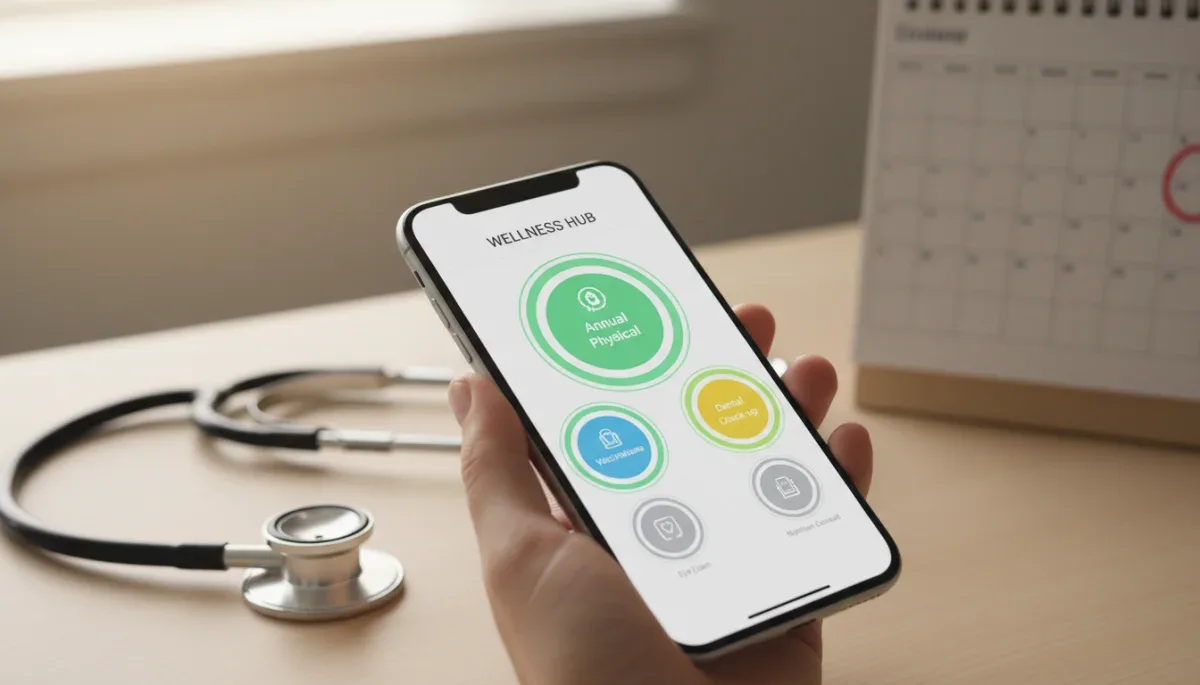
- Annual Wellness Visits: Schedule these at the beginning of the year to ensure you get them done. These visits are distinct from sick visits and focus on overall health assessment and preventive planning.
- Vaccination Schedule: Keep track of recommended vaccinations for your age group and lifestyle. Your doctor can help you stay up-to-date.
- Screening Guidelines: Be aware of the recommended ages and frequencies for various screenings, such as mammograms, colonoscopies, and pap tests.
Always confirm with your doctor's office and your insurance provider that the services scheduled are indeed classified as preventive and will be covered at 100%. This double-check can prevent billing surprises. It's also wise to keep a record of your preventive care appointments and results for your personal health history.
By taking practical steps to schedule and prepare for your preventive care, you can ensure you are fully leveraging your 2026 health insurance benefits for optimal health outcomes.
Common Misconceptions About Preventive Benefits
Despite the clear guidelines and widespread availability of preventive benefits, several misconceptions persist that can prevent individuals from fully utilizing their health insurance. These misunderstandings often lead to missed opportunities for early detection and disease prevention, undermining the very purpose of these crucial services. Addressing these myths is essential for fostering a healthier, more informed populace.
One prevalent misconception is that all services performed during an annual physical are covered as preventive. While the physical itself is preventive, if a new symptom is discussed or a pre-existing condition is managed during the same visit, parts of that visit may be coded as diagnostic or treatment-oriented, potentially incurring separate charges. This distinction is critical for avoiding unexpected bills.
Clarifying Key Misunderstandings
Understanding the fine print can save you both money and health concerns. Here are some common areas of confusion:
- Preventive vs. Diagnostic: A screening mammogram for a healthy individual is preventive. A mammogram ordered due to a lump found is diagnostic and may have cost-sharing.
- Lab Tests: Not all lab tests ordered during a wellness visit are purely preventive. If your doctor orders tests to follow up on a specific health concern, those may be considered diagnostic.
- Specialist Visits: While a primary care wellness visit is preventive, a visit to a specialist (e.g., a dermatologist for a suspicious mole) is generally considered diagnostic or treatment-related, even if it leads to a diagnosis of a serious condition.
Always communicate openly with your doctor about the purpose of your visit and any tests ordered. Don't hesitate to ask if a service is considered preventive or diagnostic, and how it will be billed. It's also advisable to call your insurance company beforehand if you have specific concerns about coverage for a particular service. Being informed is your best defense against billing surprises.
Dispelling these common misconceptions about preventive benefits empowers you to navigate your 2026 health insurance with greater confidence and make more informed healthcare decisions.
The Long-Term Impact of Proactive Health Management
Embracing preventive care through your 2026 health insurance isn't just about avoiding immediate costs; it's a strategic investment in your long-term health and quality of life. The cumulative effect of regular screenings, vaccinations, and wellness visits extends far beyond individual appointments, contributing to a healthier, more vibrant future. Many people focus on immediate benefits, overlooking the profound long-term advantages of consistent preventive health management.
By detecting conditions early, preventive care often allows for less invasive and more effective treatments. This can mean the difference between managing a chronic condition with lifestyle changes versus requiring extensive medical interventions. Furthermore, maintaining good health reduces the likelihood of severe illness, contributing to fewer hospitalizations and a higher overall quality of life.
Benefits Beyond Physical Health
The advantages of proactive health management extend beyond just physical well-being. There are significant financial and emotional benefits as well.
- Financial Savings: Early detection and prevention can save significant money by avoiding costly emergency care, extensive treatments, and long-term medication regimens.
- Improved Quality of Life: Staying healthy means more energy, fewer limitations, and the ability to enjoy life to its fullest, free from the burden of preventable illnesses.
- Reduced Stress: Knowing you are taking proactive steps to manage your health can reduce anxiety about potential health problems, leading to greater peace of mind.
The emphasis on preventive care in modern health insurance policies reflects a growing understanding of its value. Insurers recognize that investing in prevention ultimately leads to healthier members and lower overall healthcare costs. This alignment of interests benefits everyone involved, creating a system that supports sustained well-being.
Ultimately, proactive health management through your 2026 health insurance is a powerful tool for safeguarding your health, finances, and emotional stability for years to come.
Future Trends in Preventive Health Coverage for 2026 and Beyond
Looking ahead, the landscape of preventive health coverage is continuously evolving, driven by technological advancements, new medical research, and shifting healthcare priorities. For 2026 and beyond, we can anticipate several key trends that will shape how preventive benefits are delivered and accessed. Staying informed about these developments will be crucial for consumers to adapt and continue maximizing their health insurance plans.
One significant trend is the increasing integration of digital health tools. Telemedicine, wearable devices, and AI-powered health apps are becoming more sophisticated, offering new avenues for preventive care, remote monitoring, and personalized health recommendations. These tools can empower individuals to take a more active role in their health management, often with the support of their insurance providers.
Emerging Areas of Focus
Several specific areas are likely to see enhanced focus and coverage in future preventive health benefits:
- Personalized Medicine: Advances in genomics and personalized risk assessments will allow for more tailored preventive strategies, focusing on an individual's unique genetic predispositions.
- Mental Health Integration: Expect to see a greater emphasis on integrating mental health screenings and support services into standard preventive care, recognizing the holistic nature of well-being.
- Chronic Disease Prevention Programs: Enhanced programs targeting the prevention and early management of common chronic conditions like heart disease, diabetes, and obesity will likely expand, often leveraging digital platforms.
Furthermore, there will likely be continued advocacy for expanding preventive services to cover a broader range of conditions and populations, especially those in underserved communities. Policy changes and public health initiatives will play a vital role in shaping these future benefits, ensuring that preventive care remains accessible and comprehensive.
By understanding these future trends, individuals can better prepare to leverage their 2026 health insurance and future plans for cutting-edge preventive health benefits, ensuring they remain at the forefront of health management.
| Key Point | Brief Description |
|---|---|
| Preventive Care Basics | Essential services like check-ups and screenings covered at 100% by most 2026 plans. |
| Decoding Plan Documents | Understand SBCs and handbooks to know your specific 2026 coverage details. |
| Maximizing Benefits | Schedule appointments proactively and confirm coverage with providers and insurers. |
| Long-Term Impact | Proactive care leads to better health outcomes, financial savings, and improved quality of life. |
Frequently Asked Questions About 2026 Preventive Benefits
What exactly is considered a preventive benefit in 2026?▼In 2026, preventive benefits typically include services like annual check-ups, various screenings (e.g., for blood pressure, cholesterol, certain cancers), and immunizations. These are usually covered 100% by most health insurance plans under the Affordable Care Act, aiming to prevent illness or detect it early.
Will I have to pay anything out-of-pocket for preventive services?▼Generally, no. Under current regulations, most recommended preventive services are covered without co-pays, deductibles, or co-insurance when received from an in-network provider. However, if a preventive screening leads to a diagnostic test, that subsequent test may incur out-of-pocket costs, so it's wise to clarify with your provider.
How can I find out which specific preventive services my plan covers?▼The best way is to consult your plan's Summary of Benefits and Coverage (SBC) or your complete plan handbook, usually available on your insurer's member portal. You can also call your insurance provider directly, as they can offer personalized information based on your specific policy and network.
Is an annual physical the same as a wellness visit?▼While often used interchangeably, there can be a subtle difference. An annual physical generally focuses on a comprehensive physical examination. A wellness visit, particularly for Medicare beneficiaries, focuses on developing or updating a personalized prevention plan. Both are preventive, but their scope can vary slightly, impacting how they are coded and billed.
What if my doctor recommends a service not listed as preventive?▼If your doctor recommends a service not explicitly listed as a standard preventive benefit, it might be considered diagnostic or treatment-related. In such cases, it's crucial to discuss the billing implications with your doctor's office and contact your insurance company to understand potential out-of-pocket costs before proceeding with the service.
Conclusion
Navigating 2026 Health Insurance for Preventive Benefits: A User's Guide underscores the profound importance of proactive engagement with your healthcare. By understanding your policy, utilizing available resources, and dispelling common misconceptions, you empower yourself to leverage preventive care effectively. This commitment to early detection and consistent wellness not only secures your health but also contributes to a more stable financial future, ensuring you remain vibrant and healthy for years to come.