The 2026 Guide to Natural Detox: Support Your Body's Cleansing
Advertisements
Supporting your body's natural detoxification pathways involves adopting holistic lifestyle practices that enhance organ function and minimize toxic exposure for optimal health.
Welcome to The 2026 Guide to Natural Detox: 6 Ways to Support Your Body's Cleansing Process, a comprehensive look at how we can empower our bodies to cleanse themselves effectively in the modern world. In an era where environmental toxins and processed foods are commonplace, understanding and supporting our natural detoxification systems is more crucial than ever. This guide will explore practical, evidence-based strategies to help you navigate the complexities of contemporary living while fostering optimal health and vitality.
Understanding Your Body's Natural Detoxification System
Our bodies are equipped with an extraordinary, sophisticated system designed to neutralize and eliminate harmful substances. This intricate network involves several key organs working in harmony to protect us from both internal metabolic byproducts and external environmental toxins. Far from a fleeting trend, natural detoxification is a continuous, vital process that underpins our overall health.
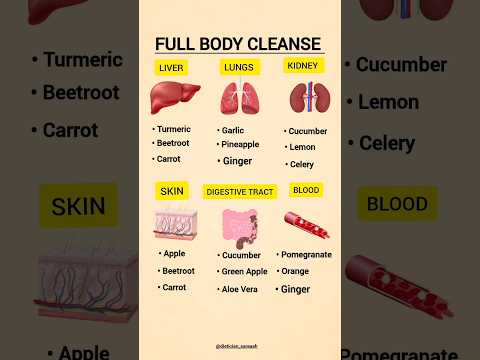
The liver, kidneys, lungs, skin, and digestive system each play a unique and indispensable role in this ongoing cleansing effort. When these systems are functioning optimally, they efficiently process and excrete waste, helping to maintain cellular health and prevent disease. However, chronic exposure to pollutants, poor dietary choices, and high stress levels can overwhelm these natural defenses, leading to a buildup of toxins that can manifest as fatigue, skin issues, digestive problems, and a weakened immune system.
The Liver's Central Role
The liver is often considered the body's primary detoxification organ, performing over 500 vital functions. It acts as a filter, processing everything we ingest, inhale, or absorb through our skin. Through a two-phase detoxification process, it transforms toxins into less harmful substances that can then be safely eliminated.
- Phase I Detoxification: Enzymes in the liver modify toxins, making them more water-soluble.
- Phase II Detoxification: Conjugation reactions attach various molecules to these modified toxins, preparing them for excretion.
- Bile Production: The liver also produces bile, which aids in the digestion of fats and carries waste products out of the body via the digestive tract.
Supporting liver health is paramount for effective detoxification. This includes consuming a nutrient-dense diet, limiting alcohol and processed foods, and ensuring adequate hydration. Neglecting liver health can severely impair the body's ability to cleanse itself, leading to a cascade of health issues.
In essence, understanding how your body naturally detoxifies empowers you to make informed lifestyle choices. It's not about quick fixes or extreme measures, but rather about consistent, supportive practices that bolster your body's inherent wisdom and resilience.
Hydration: The Foundation of Cellular Cleansing
Proper hydration is arguably the most fundamental aspect of supporting your body's natural detoxification processes. Water is essential for virtually every bodily function, acting as the primary medium for transporting nutrients, oxygen, and waste products throughout the body. Without adequate water intake, our detoxification organs cannot perform their jobs effectively, leading to sluggish elimination and potential toxin buildup.
Think of water as the body's internal river, constantly flowing and flushing. It helps the kidneys filter waste from the blood, allowing these toxins to be expelled through urine. It also keeps the digestive system moving, preventing constipation, which can otherwise lead to the reabsorption of toxins into the bloodstream. Moreover, water is crucial for maintaining lymphatic flow, a critical system for immune function and waste removal.
Optimizing Your Water Intake
While the general recommendation is eight glasses a day, individual needs vary based on activity level, climate, and overall health. Listening to your body and recognizing signs of dehydration are key. Aim for clear or pale yellow urine, which indicates sufficient hydration.
- Start Your Day Hydrated: Drink a large glass of water upon waking to kickstart your metabolism and flush out overnight toxins.
- Carry a Water Bottle: Make it a habit to keep a reusable water bottle with you throughout the day.
- Infuse Your Water: Add slices of lemon, cucumber, mint, or berries to enhance flavor and encourage more drinking.
- Limit Sugary Drinks: Sodas, juices with added sugar, and energy drinks can dehydrate you and add unnecessary burdens to your system.
Beyond plain water, herbal teas, and certain fruits and vegetables with high water content (like watermelon, cucumbers, and celery) also contribute to your daily hydration. Making conscious efforts to increase your water intake will significantly enhance your body's ability to cleanse and rejuvenate itself, supporting overall vitality and energy levels.
Nutrient-Dense Diet: Fueling Detox Pathways
What we eat profoundly impacts our body's ability to detoxify. A nutrient-dense diet provides the essential vitamins, minerals, antioxidants, and fiber needed to support the complex enzymatic processes involved in detoxification. Conversely, a diet high in processed foods, unhealthy fats, and refined sugars can overwhelm these systems, placing an additional burden on the liver and other cleansing organs.
Focusing on whole, unprocessed foods is key. These foods are rich in phytochemicals that actively support detoxification pathways, reduce inflammation, and protect cells from oxidative damage. Incorporating a wide variety of colors in your diet ensures you're getting a broad spectrum of these beneficial compounds.
Key Foods for Detox Support
- Cruciferous Vegetables: Broccoli, cauliflower, kale, and Brussels sprouts contain compounds like sulforaphane, which boost liver detoxification enzymes.
- Leafy Greens: Spinach, collard greens, and arugula are rich in chlorophyll, which can help bind to and eliminate toxins.
- Berries: Blueberries, raspberries, and strawberries are packed with antioxidants that protect cells from damage.
- Citrus Fruits: Lemons, limes, and oranges provide vitamin C, a powerful antioxidant and a co-factor in many detoxification reactions.
- Garlic and Onions: These allium vegetables contain sulfur compounds that support liver detoxification.
- Healthy Fats: Avocados, nuts, seeds, and olive oil provide essential fatty acids that are crucial for cell membrane integrity and bile flow.
Beyond specific foods, ensuring adequate fiber intake is critical. Fiber, found in fruits, vegetables, whole grains, and legumes, helps promote regular bowel movements, preventing the reabsorption of toxins and facilitating their excretion. By consciously choosing foods that nourish and support your body's natural cleansing mechanisms, you're not just eating for health, but actively participating in your ongoing detoxification.
Regular Exercise: Boosting Circulation and Elimination
Physical activity is a powerful tool for enhancing your body's natural detoxification processes, often underestimated in its impact. Regular exercise doesn't just build muscle and improve cardiovascular health; it significantly boosts circulation, lymphatic flow, and the efficiency of organs involved in waste elimination. When you move your body, you're actively helping to transport toxins out.
Increased blood flow during exercise ensures that nutrients reach every cell and waste products are efficiently carried to the liver and kidneys for processing. More importantly, exercise is one of the most effective ways to stimulate the lymphatic system. Unlike the circulatory system, the lymphatic system doesn't have a central pump; it relies on muscle contractions and movement to circulate lymph fluid, which carries waste and immune cells throughout the body. Stagnant lymph can lead to fluid retention and impaired detoxification.
Diverse Exercise for Detox Benefits
There's no single 'best' exercise for detoxification; rather, a combination of activities can offer comprehensive benefits. The key is consistency and finding activities you enjoy to ensure long-term adherence.
- Cardiovascular Exercise: Activities like running, swimming, cycling, or brisk walking increase heart rate and blood flow, promoting efficient waste transport.
- Strength Training: Building muscle mass can improve metabolic rate, which aids in cellular cleansing processes.
- Yoga and Pilates: These practices combine movement with deep breathing, which can stimulate lymphatic flow and organ function.
- Rebounding: Jumping on a mini-trampoline is particularly effective for stimulating lymphatic drainage due to the up-and-down motion.
Sweating during exercise is another crucial detoxification pathway, as the skin eliminates toxins through perspiration. Ensuring adequate hydration before, during, and after your workout is essential to replenish fluids and support this process. By integrating regular physical activity into your routine, you're not only strengthening your body but also optimizing its innate ability to cleanse and renew itself.

Stress Management: Reducing Toxin Burden
Chronic stress is a silent disruptor of many bodily functions, including our natural detoxification capabilities. When we are under constant stress, our bodies release hormones like cortisol, which, in excess, can suppress immune function, impair digestion, and even alter liver enzyme activity. This creates a vicious cycle where stress not only generates more internal 'toxins' (stress hormones and inflammatory compounds) but also hinders our body's ability to eliminate them effectively.
The intricate connection between the mind and body means that emotional and psychological stress can have profound physiological consequences. A stressed digestive system, for instance, may become less efficient at absorbing nutrients and eliminating waste, leading to issues like leaky gut syndrome, which further exacerbates systemic inflammation and toxin burden. Therefore, integrating effective stress management techniques is not just about mental well-being; it's a critical component of a holistic detoxification strategy.
Practical Stress-Reducing Techniques
Finding what works best for you is key, as stress management is highly individual. The goal is to consciously engage in activities that calm your nervous system and promote relaxation.
- Mindfulness and Meditation: Even a few minutes daily can reduce cortisol levels and improve emotional regulation.
- Deep Breathing Exercises: Practices like diaphragmatic breathing activate the parasympathetic nervous system, promoting a state of rest and digest.
- Nature Immersion: Spending time outdoors has been shown to lower stress hormones and blood pressure.
- Adequate Sleep: Prioritizing 7-9 hours of quality sleep allows the body to repair, regenerate, and process toxins accumulated during the day.
- Social Connection: Nurturing meaningful relationships can provide emotional support and reduce feelings of isolation and stress.
By actively managing stress, you are not only improving your mental and emotional health but also creating an optimal internal environment for your body's detoxification systems to function at their best. This holistic approach acknowledges that true cleansing extends beyond physical elimination to encompass mental and emotional purity as well.
Quality Sleep: The Body's Nightly Reset
Sleep is far from a passive state; it's an incredibly active period of repair, regeneration, and detoxification for the entire body. During deep sleep, your brain literally flushes out metabolic waste products that accumulate during waking hours, a process facilitated by the glymphatic system. This nightly cleansing is crucial for cognitive function and overall neurological health. When sleep is consistently insufficient or of poor quality, this vital detoxification process is compromised, leading to a buildup of waste products that can impair brain function and contribute to systemic inflammation.
Beyond brain health, adequate sleep supports hormonal balance, immune function, and cellular repair throughout the body. The liver and kidneys also work diligently during sleep to process and eliminate toxins. Disruptions to sleep patterns can throw these delicate processes out of sync, making the body less efficient at its daily cleansing tasks. Prioritizing quality sleep is not a luxury; it's a non-negotiable component of any effective natural detox strategy.
Cultivating a Restorative Sleep Environment
Optimizing your sleep environment and routine can significantly improve sleep quality and, consequently, your body's detoxification capacity. Small, consistent changes can yield substantial benefits.
- Establish a Regular Sleep Schedule: Go to bed and wake up at the same time each day, even on weekends, to regulate your circadian rhythm.
- Create a Dark, Quiet, and Cool Bedroom: Minimize light, noise, and keep your bedroom temperature between 60-67°F (15-19°C) for optimal sleep.
- Limit Screen Time Before Bed: The blue light emitted from electronic devices can interfere with melatonin production, a hormone essential for sleep.
- Avoid Caffeine and Heavy Meals Late in the Day: These can disrupt sleep patterns and place additional strain on your digestive system.
- Incorporate Relaxation Techniques: Gentle stretching, reading, or a warm bath before bed can signal to your body that it's time to wind down.
By investing in quality sleep, you are providing your body with the essential time and conditions it needs to perform its critical nightly detoxification and repair processes. This commitment to restorative rest is a cornerstone of sustained health and vitality in 2026 and beyond.
Minimizing Exposure to Environmental Toxins
While supporting your body's internal detoxification systems is crucial, an equally important aspect of natural detox is actively reducing your exposure to environmental toxins. In our modern world, we are surrounded by chemicals in our food, water, air, and personal care products. While complete avoidance is impossible, conscious efforts to minimize exposure can significantly lighten the load on your body's cleansing organs, allowing them to function more efficiently.
Many everyday products contain endocrine-disrupting chemicals, heavy metals, pesticides, and other harmful substances that can accumulate in the body over time. These toxins can interfere with hormonal balance, immune function, and cellular processes, contributing to a range of health issues. By making informed choices about the products we use and the environments we inhabit, we can create a cleaner internal and external environment for ourselves and our families.
Strategies for Reducing Toxin Exposure
- Filter Your Water: Invest in a good quality water filter for drinking and cooking to remove chlorine, heavy metals, and other contaminants.
- Choose Organic Foods: Opt for organic fruits and vegetables whenever possible to reduce pesticide intake. If organic isn't an option, use the Environmental Working Group's (EWG) 'Dirty Dozen' and 'Clean Fifteen' lists as a guide.
- Use Natural Cleaning Products: Replace harsh chemical cleaners with eco-friendly alternatives or homemade solutions using vinegar, baking soda, and essential oils.
- Select Non-Toxic Personal Care Products: Many cosmetics, lotions, and shampoos contain parabens, phthalates, and synthetic fragrances. Look for brands with clean ingredient lists.
- Improve Indoor Air Quality: Use air purifiers, open windows regularly, and incorporate indoor plants that can help filter the air.
- Store Food Safely: Avoid heating food in plastic containers in the microwave, as chemicals can leach into your food. Opt for glass or ceramic instead.
By proactively minimizing your exposure to environmental toxins, you are taking a significant step towards supporting your body's natural detoxification processes. This conscious approach empowers you to exert greater control over your health and create a healthier living environment, contributing to long-term well-being and vitality.
| Key Detox Method | Brief Description |
|---|---|
| Hydration | Essential for kidney function, nutrient transport, and waste elimination through urine and sweat. |
| Nutrient-Dense Diet | Provides crucial vitamins, minerals, and antioxidants to fuel liver and cellular detoxification pathways. |
| Regular Exercise | Boosts circulation, lymphatic flow, and promotes toxin release through sweat and improved organ function. |
| Quality Sleep | Enables the brain's glymphatic system to flush metabolic waste and supports overall cellular repair. |
Frequently Asked Questions About Natural Detox
What does 'natural detox' truly mean?▼Natural detox refers to supporting your body's inherent and continuous processes for neutralizing and eliminating toxins. It's not about extreme cleanses but rather adopting sustainable lifestyle habits that optimize the function of organs like the liver, kidneys, and digestive system. This holistic approach aims to reduce toxin burden and enhance overall well-being naturally.
How long does it take to see benefits from natural detox practices?▼The timeline for experiencing benefits from natural detox practices varies greatly among individuals. Some people might notice increased energy and improved digestion within a few days to weeks of implementing changes like better hydration and a cleaner diet. Long-term benefits, such as enhanced immune function and reduced inflammation, typically accumulate over months of consistent practice.
Are there any risks associated with natural detox methods?▼Generally, natural detox methods focused on whole foods, hydration, exercise, and stress reduction are safe and beneficial. However, extreme fasting or restrictive diets can pose risks, especially for individuals with underlying health conditions. Always consult a healthcare professional before making significant dietary or lifestyle changes, particularly if you have chronic diseases or are on medication.
Can natural detox help with weight loss?▼While natural detox focuses on health rather than weight, many of its principles, such as consuming nutrient-dense foods, increasing fiber, staying hydrated, and regular exercise, are also conducive to healthy weight management. By optimizing metabolic function and reducing inflammation, these practices can indirectly support sustainable weight loss as part of an overall healthier lifestyle, rather than being a primary weight-loss strategy.
What role do supplements play in a natural detox?▼Supplements can play a supportive role in natural detox, but they are not a substitute for foundational lifestyle practices. Certain supplements, like milk thistle for liver support or probiotics for gut health, might be beneficial for some individuals. However, it's crucial to consult with a healthcare professional before taking any supplements, as effectiveness varies and some can interact with medications or have adverse effects.
Conclusion
As we navigate 2026 and beyond, the concept of natural detoxification remains a cornerstone of holistic health. It's not about chasing fleeting trends or engaging in harsh, unsustainable cleanses, but rather about embracing a lifestyle that continually supports your body's incredible innate ability to cleanse, repair, and rejuvenate itself. By prioritizing hydration, fueling your body with nutrient-dense foods, engaging in regular physical activity, mastering stress management, securing quality sleep, and consciously minimizing environmental toxin exposure, you are empowering your detoxification pathways to function optimally. These six pillars form a robust framework for sustained well-being, fostering vitality, resilience, and a profound sense of health in an ever-evolving world. Embrace these practices, and embark on a journey towards a naturally cleaner, healthier you.