Understanding Inflammation: 6 Anti-Inflammatory Foods for 2026
Advertisements
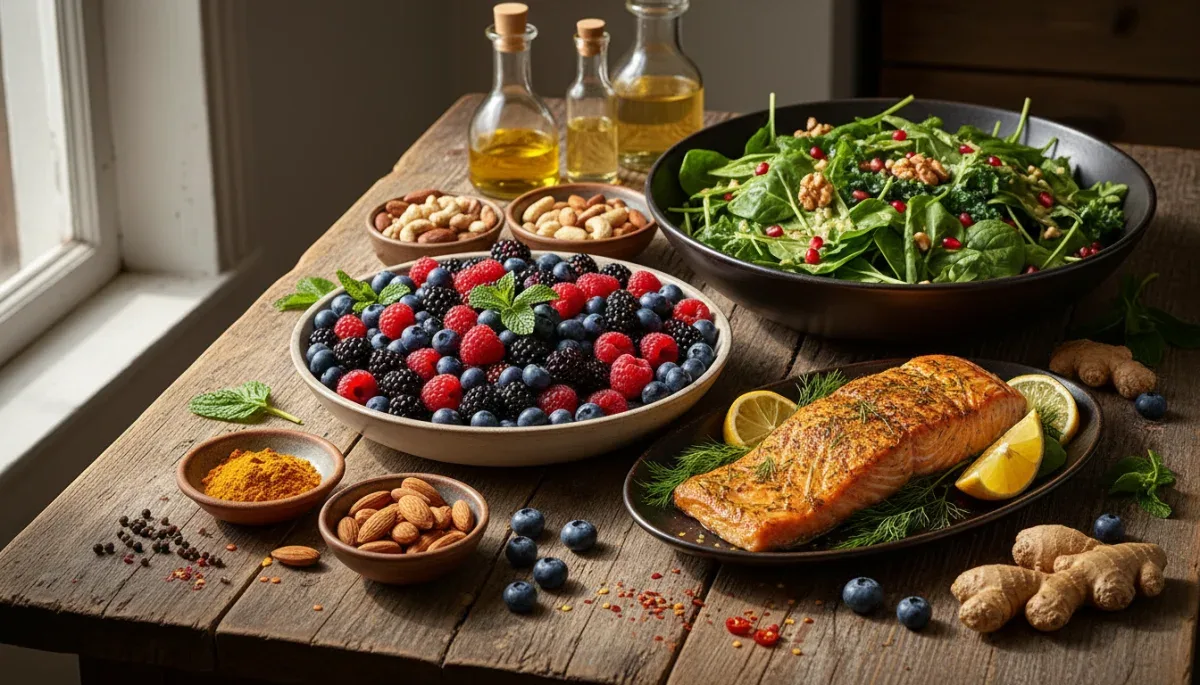
Understanding Inflammation: 6 Anti-Inflammatory Foods to Add to Your 2026 Diet is crucial for promoting long-term health and mitigating chronic disease risks through informed dietary choices.
In a world where health and wellness trends constantly evolve, one fundamental principle remains constant: the profound impact of diet on our overall well-being. This article, Understanding Inflammation: 6 Anti-Inflammatory Foods to Add to Your 2026 Diet, aims to shed light on a critical aspect of health often overlooked—inflammation. Chronic inflammation is a silent threat, linked to numerous serious health conditions, from heart disease to autoimmune disorders. By understanding its mechanisms and incorporating specific foods into our daily routines, we can proactively combat this pervasive issue and pave the way for a healthier future.
The Silent Threat: What is Chronic Inflammation?
Inflammation is a natural and necessary bodily process. It's your immune system's way of protecting you from infection and injury, initiating the healing process. Acute inflammation is a short-term response, like the swelling around a sprained ankle or the redness from a cut. This type of inflammation is beneficial and essential for survival.
However, when inflammation becomes chronic, it shifts from a protective mechanism to a destructive force. Chronic inflammation can persist for months or even years, often without noticeable symptoms. It arises when the immune system remains on high alert, continuously producing inflammatory cells that can damage healthy tissues, organs, and DNA. This sustained internal battle contributes significantly to the development and progression of many chronic diseases.
Causes of Chronic Inflammation
Several factors contribute to chronic inflammation, many of which are prevalent in modern lifestyles. Understanding these triggers is the first step toward managing and mitigating their impact.
- Dietary Choices: A diet high in processed foods, refined sugars, unhealthy fats, and excessive red meat can fuel inflammatory pathways in the body.
- Lack of Physical Activity: Sedentary lifestyles are strongly associated with increased markers of inflammation. Regular exercise, even moderate activity, can help reduce systemic inflammation.
- Chronic Stress: Prolonged psychological stress can trigger the release of stress hormones, which in turn can promote inflammation throughout the body.
- Environmental Toxins: Exposure to pollutants, cigarette smoke, and other environmental toxins can also contribute to chronic inflammatory responses.
Recognizing the difference between acute and chronic inflammation is key. While acute inflammation is a friend, chronic inflammation is an enemy that silently erodes health. Adopting an anti-inflammatory diet and lifestyle is a powerful strategy to counteract this persistent threat and promote long-term vitality.
The Power of Diet: How Food Fights Inflammation
Our diet is a powerful tool in the battle against chronic inflammation. The foods we consume can either exacerbate or alleviate inflammatory responses in the body. An anti-inflammatory diet emphasizes whole, unprocessed foods rich in antioxidants, omega-3 fatty acids, and various other beneficial compounds that work to calm the immune system and protect cells from damage.
Unlike quick-fix solutions, dietary changes offer a sustainable and holistic approach to health. They address the root causes of inflammation rather than just masking symptoms. By choosing nutrient-dense foods, we provide our bodies with the necessary building blocks to repair, regenerate, and maintain optimal function.
Key Nutritional Components
Certain nutrients and compounds are particularly effective in combating inflammation. Understanding these components helps us make informed food choices.
- Antioxidants: These compounds neutralize free radicals, unstable molecules that can cause cellular damage and promote inflammation. Brightly colored fruits and vegetables are excellent sources.
- Omega-3 Fatty Acids: Found in fatty fish, flaxseeds, and walnuts, omega-3s are renowned for their potent anti-inflammatory properties, helping to reduce the production of inflammatory molecules.
- Phytonutrients: These plant compounds, including flavonoids and carotenoids, possess anti-inflammatory and antioxidant effects, contributing to overall cellular health.
- Fiber: A high-fiber diet supports a healthy gut microbiome, which plays a crucial role in regulating immune responses and reducing systemic inflammation.
Embracing a diet rich in these components isn't just about avoiding inflammatory foods; it's about actively nourishing our bodies with powerful anti-inflammatory agents. This proactive approach can significantly reduce the risk of chronic diseases and enhance overall quality of life.
Understanding Inflammation: 6 Anti-Inflammatory Foods to Add to Your 2026 Diet
As we look towards 2026, incorporating specific anti-inflammatory foods into our diets is a proactive step towards better health. These foods are not only delicious but also packed with compounds that actively work to reduce inflammation and promote overall well-being. Let's explore six powerful additions you should consider for your plate.
1. Berries: Tiny Powerhouses of Antioxidants
Berries are small but mighty. Blueberries, raspberries, strawberries, and blackberries are bursting with antioxidants, particularly anthocyanins, which give them their vibrant colors. These compounds are highly effective at neutralizing free radicals and reducing inflammatory markers in the body.
Regular consumption of berries has been linked to a reduced risk of chronic diseases, including heart disease and certain cancers. They are also rich in fiber, which supports gut health, another critical factor in managing inflammation.
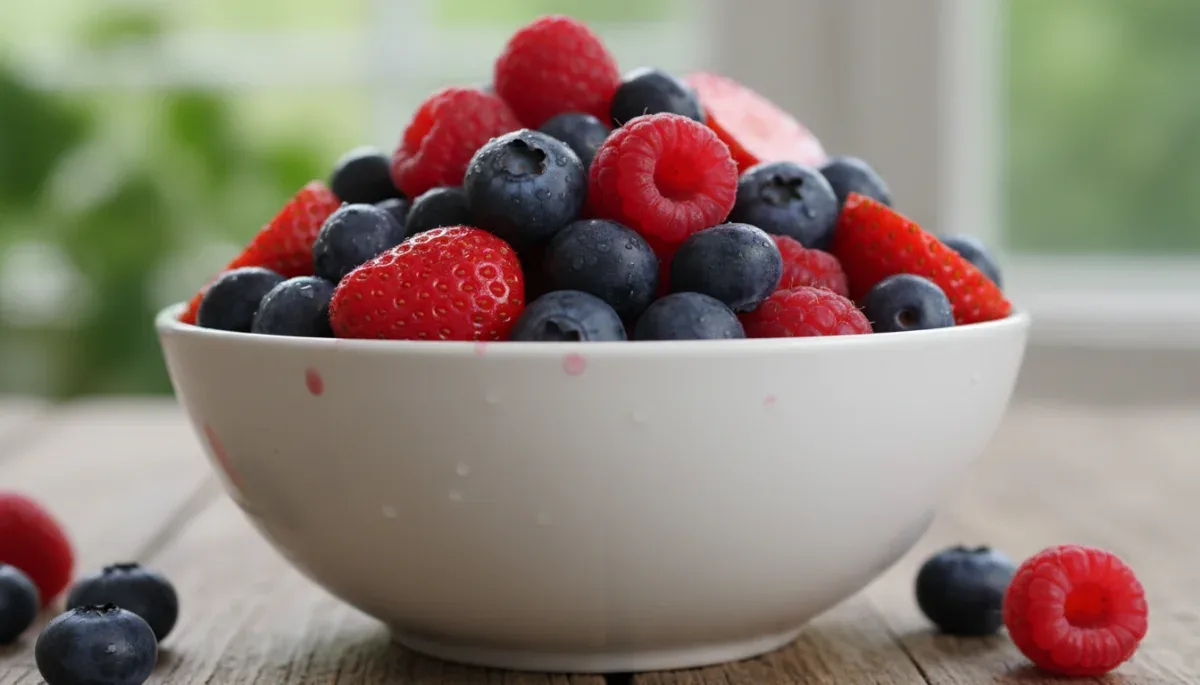
Incorporating berries into your daily routine is easy. Add them to your breakfast oatmeal or yogurt, blend them into smoothies, or enjoy them as a refreshing snack. Their natural sweetness makes them a healthy and satisfying treat.
2. Fatty Fish: The Omega-3 Champions
Salmon, mackerel, sardines, and trout are excellent sources of omega-3 fatty acids, specifically EPA (eicosapentaenoic acid) and DHA (docosahexaenoic acid). These essential fats are potent anti-inflammatory agents, playing a crucial role in modulating the body's inflammatory response.
Omega-3s help reduce the production of molecules and substances linked to inflammation, such as eicosanoids and cytokines. Studies have shown that regular intake of fatty fish can significantly lower markers of inflammation, benefiting conditions like arthritis and cardiovascular disease.
Aim to consume fatty fish at least twice a week. If fish isn't an option, consider high-quality omega-3 supplements, but always prioritize whole food sources when possible for maximum benefit.
3. Leafy Green Vegetables: Nutrient-Dense Inflammation Fighters
Spinach, kale, collard greens, and Swiss chard are nutritional powerhouses. They are rich in vitamins, minerals, and antioxidants like vitamins A, C, and K, which all contribute to their anti-inflammatory effects. Vitamin K, in particular, has been shown to reduce inflammatory markers.
These greens also contain sulforaphane and other compounds that help detoxify the body and protect against cellular damage. Their high fiber content further aids in maintaining a healthy gut, which is foundational for a balanced immune response.
Make leafy greens a staple in your diet by adding them to salads, stir-fries, soups, and smoothies. Their versatility makes it easy to incorporate them into almost any meal.
4. Turmeric: The Golden Spice of Anti-Inflammation
Turmeric, a vibrant yellow spice commonly used in Indian cuisine, contains a powerful compound called curcumin. Curcumin is renowned for its strong anti-inflammatory and antioxidant properties. Research suggests it can block NF-kB, a molecule that plays a significant role in chronic inflammation.
While turmeric is a fantastic spice, its bioavailability (how well the body absorbs it) can be low. Combining it with black pepper, which contains piperine, can significantly enhance curcumin absorption. Many supplements also combine these two for optimal effect.
Beyond supplements, incorporate turmeric into your cooking. Use it in curries, soups, stews, or even a soothing golden milk latte. Its earthy flavor adds depth to many dishes.
5. Nuts and Seeds: Healthy Fats and Fiber
Almonds, walnuts, chia seeds, flaxseeds, and hemp seeds are packed with healthy monounsaturated and polyunsaturated fats, fiber, and antioxidants. Walnuts, in particular, are a good source of alpha-linolenic acid (ALA), a plant-based omega-3 fatty acid.
These foods help reduce inflammation by providing essential nutrients that support cellular health and reduce oxidative stress. The fiber content also promotes a healthy gut microbiome, which is crucial for immune regulation.
- Walnuts: Rich in ALA, beneficial for heart health and inflammation.
- Almonds: Contain vitamin E, an antioxidant that protects cells.
- Chia and Flaxseeds: Excellent sources of fiber and omega-3s, supporting digestion and reducing inflammatory markers.
Snack on a handful of nuts, sprinkle seeds over your yogurt or salads, or add them to your baked goods for an anti-inflammatory boost.
6. Olive Oil: The Mediterranean Elixir
Extra virgin olive oil (EVOO) is a cornerstone of the Mediterranean diet, widely recognized for its health benefits, including its anti-inflammatory properties. It is rich in monounsaturated fats and powerful antioxidants called polyphenols, particularly oleocanthal.
Oleocanthal acts similarly to ibuprofen, a non-steroidal anti-inflammatory drug (NSAID), by inhibiting enzymes involved in inflammatory pathways. Regular consumption of EVOO has been associated with a reduced risk of heart disease, stroke, and certain cancers.
Use extra virgin olive oil as your primary cooking oil for low-heat applications and as a dressing for salads. Choose high-quality, cold-pressed varieties to ensure maximum nutrient retention.
By consciously integrating these six anti-inflammatory foods into your 2026 diet, you can empower your body to fight inflammation, protect against disease, and cultivate a foundation for lasting health and vitality.
Crafting an Anti-Inflammatory Lifestyle Beyond Food
While diet plays a pivotal role in managing inflammation, it's essential to recognize that a holistic approach yields the best results. An anti-inflammatory lifestyle extends beyond just what you eat; it encompasses various daily habits that collectively contribute to reducing systemic inflammation and promoting overall well-being. This integrated strategy ensures that your efforts in the kitchen are supported by other healthy practices.
Consider how different aspects of your daily routine interact to either fuel or calm inflammatory processes. Neglecting one area can undermine progress made in another, emphasizing the importance of balance and consistency across all lifestyle domains.
The Role of Regular Exercise
Physical activity is a powerful anti-inflammatory agent. Regular, moderate exercise helps reduce inflammatory markers, improves circulation, and supports a healthy immune system. It doesn't mean hours at the gym; even daily brisk walks, cycling, or swimming can make a significant difference.
- Moderate Intensity: Aim for at least 150 minutes of moderate-intensity aerobic activity per week.
- Strength Training: Incorporate strength training exercises twice a week to build muscle mass, which also has anti-inflammatory benefits.
- Flexibility and Balance: Practices like yoga and Pilates can further enhance physical well-being and reduce stress, indirectly impacting inflammation.
The key is consistency. Finding an activity you enjoy makes it easier to stick with it long-term, transforming exercise from a chore into a beneficial habit that actively combats inflammation.
Prioritizing Quality Sleep
Sleep is not merely a period of rest; it's a critical time for the body to repair, regenerate, and regulate its systems, including the immune response. Chronic sleep deprivation can significantly increase inflammatory markers and disrupt hormonal balance, leading to heightened inflammation.
Aim for 7-9 hours of quality sleep per night. Establish a consistent sleep schedule, create a relaxing bedtime routine, and optimize your sleep environment to ensure restful slumber. Adequate sleep supports your body's natural anti-inflammatory processes and enhances overall resilience.
Managing Stress Effectively
Chronic stress is a well-documented driver of inflammation. When we are stressed, our bodies release hormones like cortisol, which, in acute bursts, can be anti-inflammatory. However, prolonged stress can lead to dysregulation, causing cortisol to become pro-inflammatory and activating other inflammatory pathways.
Developing effective stress management techniques is vital. This could include:
- Mindfulness and Meditation: Practices that help calm the nervous system.
- Deep Breathing Exercises: Simple techniques to reduce immediate stress responses.
- Spending Time in Nature: Connecting with the outdoors can lower stress levels.
- Hobbies and Social Connection: Engaging in enjoyable activities and fostering strong relationships can provide emotional support and reduce stress.
By consciously integrating these lifestyle factors with your anti-inflammatory diet, you create a powerful synergy that actively works to reduce and prevent chronic inflammation, leading to a healthier, more vibrant life in 2026 and beyond.
Practical Tips for Integrating Anti-Inflammatory Foods
Making significant dietary changes can seem daunting, but integrating anti-inflammatory foods into your daily routine doesn't have to be complicated. Small, consistent steps can lead to profound long-term benefits. The key is to start gradually, experiment with new ingredients, and find ways to make healthy eating enjoyable and sustainable.
Planning and preparation are your best allies. By thinking ahead, you can ensure that nutritious options are readily available, reducing the temptation to reach for inflammatory processed foods. Remember, every healthy choice contributes to a cumulative positive effect on your body's inflammatory response.
Meal Planning and Preparation
Effective meal planning is crucial for consistency. Dedicate some time each week to plan your meals and snacks, focusing on incorporating the anti-inflammatory foods discussed. This helps you grocery shop with purpose and reduces last-minute unhealthy choices.
- Batch Cooking: Prepare larger quantities of staples like cooked grains, roasted vegetables, or grilled fish that can be used in multiple meals throughout the week.
- Healthy Snacks: Keep berries, nuts, and seeds readily available for quick and nutritious snacks, preventing hunger-driven poor decisions.
- Ingredient Swaps: Replace inflammatory ingredients with anti-inflammatory alternatives. For example, use olive oil instead of vegetable oils, or opt for whole grains over refined carbohydrates.
By having a clear plan and prepared ingredients, you streamline your healthy eating efforts and make it easier to stick to your anti-inflammatory goals.
Creative Culinary Approaches
Don't be afraid to get creative in the kitchen! Healthy eating doesn't mean sacrificing flavor. Explore new recipes and cooking methods that highlight the natural deliciousness of anti-inflammatory ingredients.
Experiment with different spices, particularly turmeric, to add flavor and anti-inflammatory benefits to your dishes. Roasting vegetables brings out their natural sweetness, making them more appealing. Smoothies are an excellent way to pack in a variety of fruits, vegetables, and seeds.
Consider trying new cuisines, such as Mediterranean or Asian, which naturally feature many anti-inflammatory foods. Making healthy eating an adventure rather than a chore can significantly enhance your adherence and enjoyment.
By implementing these practical tips, you can smoothly transition towards a diet rich in anti-inflammatory foods, making it a natural and enjoyable part of your everyday life. This proactive approach will empower you to manage inflammation effectively and embrace a healthier future.
| Key Anti-Inflammatory Food | Primary Benefit |
|---|---|
| Berries | Rich in anthocyanins, powerful antioxidants that reduce cellular damage and inflammation. |
| Fatty Fish | Excellent source of Omega-3 fatty acids (EPA, DHA) which actively modulate inflammatory responses. |
| Turmeric | Contains curcumin, a compound with strong anti-inflammatory and antioxidant properties. |
| Extra Virgin Olive Oil | Rich in monounsaturated fats and polyphenols like oleocanthal, an ibuprofen-like anti-inflammatory. |
Frequently Asked Questions About Anti-Inflammatory Diets
What is the primary goal of an anti-inflammatory diet?▼The main goal of an anti-inflammatory diet is to reduce chronic inflammation in the body, which is linked to numerous diseases. It emphasizes whole, unprocessed foods rich in antioxidants, healthy fats, and fiber to calm the immune system and protect cells from damage.
How quickly can I expect to see results from an anti-inflammatory diet?▼Results vary, but many individuals report feeling better within a few weeks to a couple of months of consistently following an anti-inflammatory diet. Long-term benefits, such as reduced risk of chronic diseases, accumulate over time with sustained dietary changes.
Are there any foods I should strictly avoid on an anti-inflammatory diet?▼While strict avoidance can be challenging, it's generally recommended to minimize processed foods, refined sugars, unhealthy trans fats, excessive red and processed meats, and refined carbohydrates. These foods are known to promote inflammatory responses in the body.
Can an anti-inflammatory diet help with autoimmune conditions?▼Yes, many people with autoimmune conditions find significant relief from symptoms by adopting an anti-inflammatory diet. It helps to regulate the immune system and reduce the inflammatory attacks on the body's own tissues. Always consult a healthcare professional for personalized advice.
Is an anti-inflammatory diet suitable for everyone?▼Generally, an anti-inflammatory diet, rich in whole foods, is beneficial for most people. However, individuals with specific health conditions, allergies, or dietary restrictions should consult with a doctor or registered dietitian to ensure it meets their individual nutritional needs.
Conclusion
Embracing the principles of Understanding Inflammation: 6 Anti-Inflammatory Foods to Add to Your 2026 Diet is more than just a dietary trend; it's a foundational shift towards sustainable health and well-being. By consciously integrating foods like berries, fatty fish, leafy greens, turmeric, nuts, seeds, and extra virgin olive oil into our daily meals, we equip our bodies with powerful tools to combat chronic inflammation. This proactive approach, coupled with an anti-inflammatory lifestyle that includes regular exercise, quality sleep, and effective stress management, creates a robust defense against disease. As we move into 2026, let us prioritize these informed choices, fostering a future where vitality and resilience are cornerstones of our health.