Comparing Preventive Care Plans 2026: Your US Citizen's Guide
Advertisements

Comparing preventive care plans in 2026 is essential for US citizens to proactively manage their health and secure comprehensive coverage against future medical costs.
Comparing preventive care plans in 2026 is more critical than ever for US citizens navigating the evolving healthcare landscape. As medical costs continue to rise, understanding and utilizing preventive services can significantly impact both your health and your finances. This guide aims to demystify the options available, helping you make informed decisions about your well-being.
Understanding the Importance of Preventive Care
Preventive care encompasses a wide range of services designed to keep you healthy and detect potential health problems early, before they become serious. These services are foundational to maintaining long-term well-being and can help avoid costly treatments down the line. In the US, the Affordable Care Act (ACA) mandates that most health insurance plans cover a comprehensive list of preventive services without cost-sharing.
The emphasis on prevention has grown significantly, with healthcare providers and policymakers recognizing its role in improving public health outcomes. Regular check-ups, screenings, and vaccinations are not just reactive measures; they are proactive steps that empower individuals to take control of their health trajectory. Understanding what constitutes preventive care and how it is covered is the first step in optimizing your healthcare strategy.
Key Benefits of Prioritizing Prevention
- Early Detection: Catching diseases like cancer, diabetes, and heart conditions in their initial stages often leads to more effective and less invasive treatments.
- Cost Savings: Preventing illnesses or managing chronic conditions early can significantly reduce out-of-pocket expenses for emergency care, hospitalizations, and long-term medication.
- Improved Quality of Life: Regular preventive care helps maintain overall health, allowing individuals to lead more active and fulfilling lives free from preventable health issues.
- Enhanced Longevity: Proactive health management contributes to a longer, healthier lifespan by mitigating risks associated with various diseases.
Ultimately, investing in preventive care is an investment in yourself. It's about building a robust defense against potential health challenges, ensuring you remain vibrant and healthy for years to come. As we delve into the specifics of plans in 2026, keep these fundamental benefits in mind.
Navigating Different Types of Preventive Care Plans in 2026
The landscape of healthcare plans offering preventive care in the US can seem daunting due to the variety of options available. In 2026, understanding the distinctions between these plans will be crucial for US citizens seeking comprehensive coverage. Each type of plan has its own structure, network, and cost implications that directly affect access to preventive services.
From employer-sponsored plans to those purchased through the Health Insurance Marketplace, the core benefit of preventive care without cost-sharing generally remains consistent. However, the overall structure of the plan—such as its deductible, co-pays for non-preventive services, and out-of-network coverage—will influence your total healthcare experience. It's important to look beyond just the preventive benefits and consider the plan as a whole.
HMOs, PPOs, and EPOs: What's the Difference?
- HMO (Health Maintenance Organization): Typically offers lower premiums and out-of-pocket costs but requires you to choose a primary care provider (PCP) within its network and get referrals for specialists. Preventive care is covered, but non-preventive services outside the network are generally not.
- PPO (Preferred Provider Organization): Provides more flexibility, allowing you to see any doctor or specialist without a referral, both in and out of network. While it offers more choice, out-of-network services usually come with higher costs. Preventive care remains covered without cost-sharing.
- EPO (Exclusive Provider Organization): A hybrid plan that requires you to stay within its network for covered services, except in emergencies. You don't need a referral to see specialists within the network. Like HMOs, EPOs generally do not cover out-of-network care, but they offer more flexibility than HMOs regarding specialist visits.
Beyond these common types, High-Deductible Health Plans (HDHPs) are often paired with Health Savings Accounts (HSAs). While HDHPs have higher deductibles, preventive care is usually exempt from the deductible, meaning you can still access these services without meeting your deductible first. This makes them a viable option for those who want to save on premiums while still having access to essential preventive screenings.
Choosing the right plan involves a careful assessment of your health needs, financial situation, and preferences for provider flexibility. Each plan type offers a distinct balance of cost, access, and convenience, all while ensuring preventive care remains a covered benefit.
Key Preventive Services Covered in 2026
In 2026, the list of preventive services covered by most health insurance plans for US citizens will continue to be comprehensive, thanks to the ACA. These services are provided without any out-of-pocket cost, including deductibles, co-payments, or co-insurance, when received from an in-network provider. This provision is a cornerstone of accessible healthcare, encouraging individuals to take proactive steps for their health.
The range of covered services is broad, addressing various health concerns across different age groups and genders. It's essential to be aware of these services to maximize your plan's benefits and ensure you're receiving the care you need to stay healthy. From routine check-ups to specific disease screenings, these services are designed to catch potential issues early.
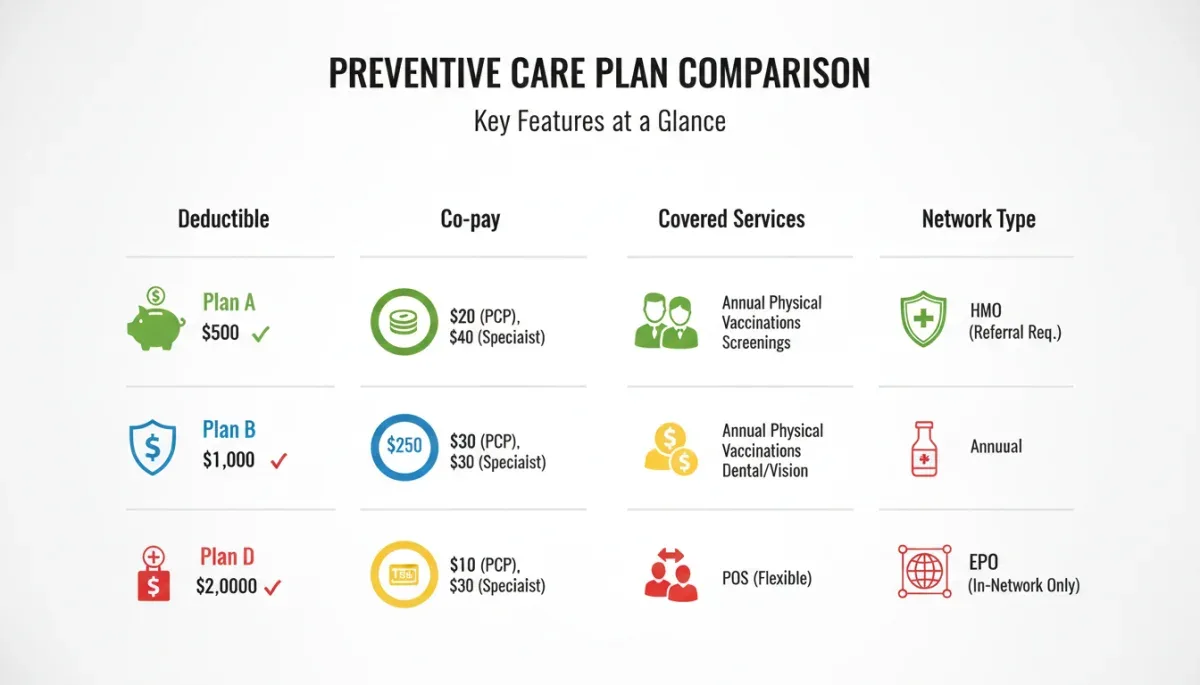
Understanding which specific services fall under the preventive umbrella can help you plan your annual health appointments and discussions with your healthcare provider. This knowledge empowers you to advocate for your health and ensure you are utilizing all the benefits your plan offers.
Examples of Covered Preventive Services
- Annual Wellness Visits: Routine physical exams and check-ups to assess overall health and discuss any concerns.
- Immunizations: Vaccinations for diseases such as flu, measles, mumps, rubella, tetanus, diphtheria, pertussis, and human papillomavirus (HPV).
- Screenings for Chronic Conditions: Blood pressure, cholesterol, and diabetes screenings to detect and manage these common conditions early.
- Cancer Screenings: Mammograms for women, colonoscopies for adults over a certain age, and Pap tests for cervical cancer.
- Counseling Services: Dietary counseling, obesity screening and counseling, and tobacco cessation counseling.
It's important to note that while these services are typically covered, the specific age and frequency guidelines might vary slightly based on clinical recommendations. Always consult your plan documents or contact your insurance provider directly for the most accurate and up-to-date information regarding your specific coverage. Regular engagement with these services is key to leveraging your preventive care plan effectively.
Factors to Consider When Choosing a Plan
Selecting the right preventive care plan in 2026 involves more than just looking at the monthly premium. For US citizens, a holistic approach that considers various factors will lead to the best coverage for their individual and family needs. It's about balancing cost, access, and the specific health services you anticipate needing beyond basic prevention.
The decision should be a thoughtful one, taking into account your current health status, any pre-existing conditions, lifestyle, and financial situation. A plan that works well for one person might be entirely unsuitable for another. Therefore, personalization is key when evaluating your options.
Critical Considerations for Plan Selection
- Network of Providers: Does the plan include your preferred doctors, specialists, and hospitals? Out-of-network care can be significantly more expensive.
- Deductible, Co-pays, and Co-insurance: Understand these costs for non-preventive services. A lower premium often means higher out-of-pocket costs when you need care.
- Prescription Drug Coverage: Check the plan's formulary to ensure your current medications are covered and what tier they fall under, as this impacts cost.
- Specialty Care Access: If you have ongoing conditions requiring specialist visits, assess how easily you can access these providers within the plan's structure.
- Travel Coverage: If you travel frequently, consider plans that offer broader coverage or emergency care benefits outside your primary service area.
Beyond these immediate financial and access considerations, also think about the plan's overall reputation for customer service and claims processing. A plan that is difficult to navigate or slow to process claims can add unnecessary stress during times of need. Taking the time to research and compare these elements thoroughly will ensure you choose a plan that truly supports your health goals in 2026.
Maximizing Your Preventive Care Benefits
Once you've chosen a preventive care plan in 2026, the next step for US citizens is to actively utilize its benefits to the fullest. Having coverage is one thing; making it work for you is another. Maximizing these benefits means being proactive about your health and understanding how to navigate your plan effectively.
It's not enough to simply enroll; you must engage with your healthcare providers and stay informed about your coverage. This proactive approach can lead to better health outcomes and ensure you're getting the most value from your investment in health insurance. Think of your plan as a tool, and you are the one responsible for using it correctly.
Strategies for Optimal Utilization
- Schedule Annual Check-ups: Don't wait until you're sick. Use your annual wellness visit to discuss any health concerns, review your medical history, and plan for necessary screenings.
- Stay Up-to-Date on Screenings: Be aware of recommended screenings for your age, gender, and risk factors. Keep track of when you need mammograms, colonoscopies, blood tests, and other preventive checks.
- Utilize Counseling Services: If your plan covers dietary, smoking cessation, or mental health counseling, take advantage of these resources to improve your overall well-being.
- Understand Your Plan Documents: Regularly review your Explanation of Benefits (EOB) and plan summary to understand what's covered, what's not, and any changes to your policy.
- Communicate with Your Provider: Have open conversations with your doctor about preventive care. They can guide you on which screenings and services are most appropriate for you.
Furthermore, many plans offer digital tools, telehealth services, and wellness programs that can further enhance your preventive care efforts. These resources often provide convenient access to health information, virtual consultations, and support for healthy living. By actively engaging with all aspects of your preventive care plan, you can take significant steps toward a healthier future.
Future Trends in Preventive Care and Coverage for 2026
As we look towards 2026, the landscape of preventive care and its associated coverage for US citizens is continually evolving. Technological advancements, shifting public health priorities, and changes in healthcare policy are all contributing to new trends that will shape how individuals access and utilize preventive services. Staying informed about these trends can help you anticipate future changes and adapt your healthcare strategy accordingly.
One significant area of growth is the integration of digital health tools and artificial intelligence into preventive medicine. These innovations promise to make preventive care more personalized, accessible, and efficient. From wearable devices tracking vital signs to AI-powered diagnostics, technology is poised to play an even larger role in early disease detection and health management.
Emerging Trends to Watch
- Telehealth Expansion: Virtual consultations for preventive screenings and counseling will likely become even more commonplace, increasing access for individuals in rural areas or with limited mobility.
- Personalized Prevention: Advances in genomics and data analytics will enable more tailored preventive recommendations based on an individual's genetic predispositions and lifestyle.
- Focus on Mental Health: Greater emphasis will be placed on mental health screenings and preventive interventions, recognizing its integral role in overall well-being.
- Community-Based Programs: Insurance plans may increasingly partner with community organizations to offer local wellness programs and health education initiatives.
- Wearable Technology Integration: Data from personal health devices could be integrated into preventive care plans, allowing for real-time monitoring and proactive interventions.
Moreover, policy discussions around extending preventive care mandates and addressing health disparities will continue to influence coverage. Advocacy for broader access to services and a focus on social determinants of health could lead to more inclusive preventive care benefits. Remaining vigilant about these trends will allow US citizens to proactively adjust their approach to comparing and choosing preventive care plans in 2026, ensuring they remain at the forefront of health management.
| Key Aspect | Brief Description |
|---|---|
| Plan Types | HMO, PPO, EPO, and HDHP/HSA options offer varying flexibility and cost structures for preventive care. |
| Covered Services | Most plans cover annual check-ups, immunizations, and various screenings without out-of-pocket costs. |
| Selection Factors | Consider network, deductibles, prescription coverage, and specialty care access when choosing. |
| Future Trends | Expect more telehealth, personalized prevention, and mental health integration in 2026. |
Frequently Asked Questions About Preventive Care Plans
What exactly is considered preventive care under US health plans?▼Preventive care includes services like annual physicals, various screenings (e.g., for cancer, diabetes, high blood pressure), immunizations, and counseling for healthy lifestyles. These services are designed to prevent illness or detect health issues early, often before symptoms appear.
Do all health insurance plans in the US cover preventive care without cost-sharing?▼Most health insurance plans, particularly those compliant with the Affordable Care Act (ACA), cover a specific list of preventive services without requiring deductibles, co-pays, or co-insurance. However, this typically applies only when you use in-network providers.
Can I still receive preventive care if I have a high-deductible health plan (HDHP)?▼Yes, even with an HDHP, most preventive services are covered at 100% before you meet your deductible. This means you can still access essential screenings and check-ups without incurring out-of-pocket costs, promoting proactive health management.
How can I find out which specific preventive services my plan covers?▼The best way to determine your specific coverage is to review your plan's Summary of Benefits and Coverage (SBC) document or contact your insurance provider directly. They can provide a detailed list of covered services, age limits, and frequency guidelines.
What if my doctor recommends a service that isn't listed as preventive?▼If a service isn't strictly defined as preventive by your plan, it may be subject to your deductible, co-pay, or co-insurance. Always confirm with your insurance provider beforehand to understand potential costs, especially for diagnostic tests following a preventive screening.
Conclusion
Navigating the various preventive care plans available to US citizens in 2026 requires careful consideration and a proactive approach. Understanding the different plan types, the array of covered services, and the critical factors for selection will empower you to make informed decisions that safeguard your health and financial well-being. By maximizing your benefits and staying abreast of future trends, you can ensure that your chosen plan provides comprehensive support for a healthier, more vibrant future.