Navigating the 2026 US Mental Health Workforce Shortage
Advertisements
The projected 2026 US mental health workforce shortage necessitates proactive strategies for individuals to effectively access essential care and support services.
As the United States approaches 2026, the looming US Mental Health Shortage presents a critical challenge for millions seeking vital support. This guide offers insider strategies to help you and your loved ones navigate this complex landscape and secure the care you need.
The Looming Crisis: What the 2026 Shortage Means for You
The mental health landscape in the United States is at a pivotal juncture, with projections indicating a significant deficit in the mental health workforce by 2026. This isn't just a statistical anomaly; it represents a tangible challenge for individuals and families attempting to access timely and effective care. Understanding the scope of this shortage is the first step in developing personal strategies for resilience and access.
Experts cite various factors contributing to this impending crisis, from an aging workforce and insufficient training pipelines to geographical disparities in provider distribution. The demand for mental health services has also surged, fueled by increased awareness, reduced stigma, and the lingering effects of global events. This confluence of factors creates a perfect storm, where the supply of qualified professionals struggles to meet an ever-growing need.
Key Contributors to the Shortage
- Insufficient training programs and faculty shortages in higher education.
- Burnout and early retirement among existing mental health professionals.
- Geographic maldistribution, leaving rural and underserved areas with limited access.
- Increased demand for services across all demographics.
The consequence for individuals is often longer wait times, limited choices of providers, and in some cases, a complete lack of available specialized care. This necessitates a proactive approach to seeking and maintaining mental health support, moving beyond traditional methods and embracing innovative solutions. Recognizing these challenges empowers you to advocate more effectively for your own mental well-being.

Leveraging Telehealth and Digital Platforms for Access
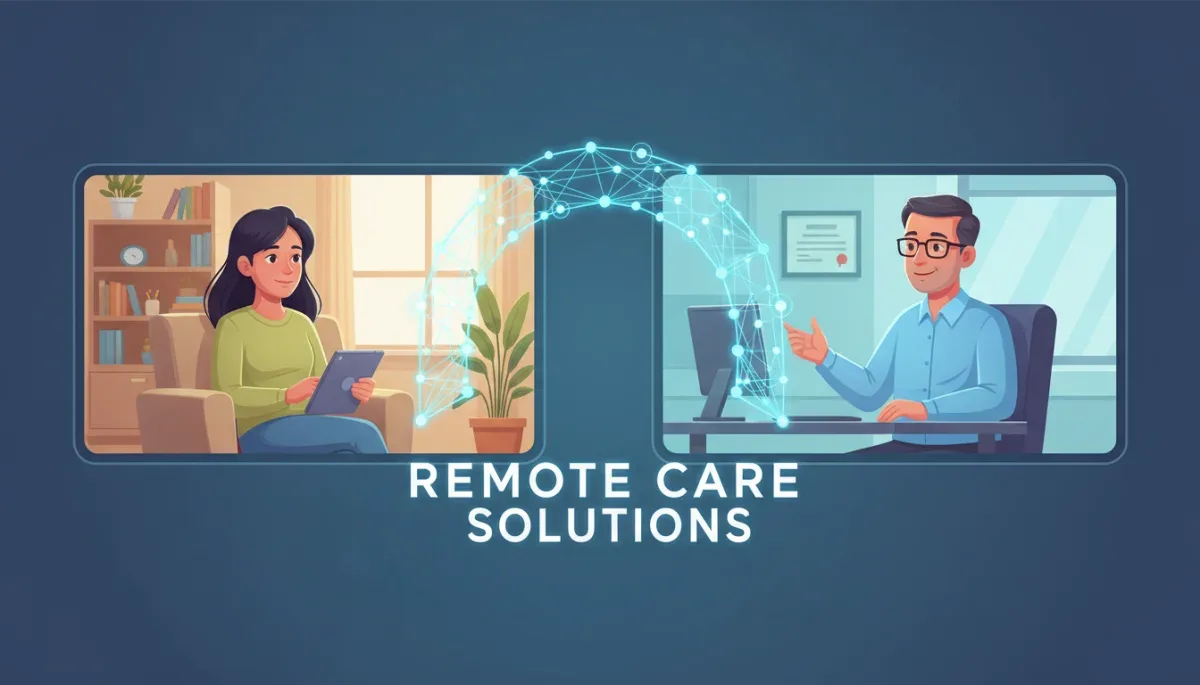
In the face of a tightening mental health workforce, telehealth and digital platforms have emerged as indispensable tools, offering a lifeline to many who might otherwise struggle to find care. These technologies bridge geographical gaps and often reduce wait times, making mental health services more accessible and convenient.
Telehealth, encompassing video calls, phone consultations, and even text-based therapy, allows individuals to connect with licensed professionals from the comfort of their homes. This flexibility is particularly beneficial for those in rural areas or with mobility challenges, effectively expanding the reach of available providers beyond immediate local boundaries. It also offers a degree of privacy and comfort that can be appealing to many seeking support.
Benefits of Telehealth in Mental Health
- Increased accessibility for rural and underserved populations.
- Greater flexibility in scheduling appointments.
- Reduced travel time and associated costs.
- Access to a wider pool of specialized mental health professionals.
Beyond one-on-one therapy, a growing ecosystem of mental wellness apps and online communities provides supplementary support. While not a replacement for professional therapy, these platforms can offer guided meditations, mood tracking, peer support forums, and self-help resources. Evaluating these digital tools carefully, ensuring they are evidence-based and privacy-compliant, can significantly augment your mental health strategy. Integrating these digital solutions can be a powerful way to mitigate the impact of the **US Mental Health Shortage**.
Exploring Non-Traditional Care Models and Community Resources
As traditional avenues for mental health support become more strained, exploring non-traditional care models and leveraging community resources will be crucial. These alternatives often provide immediate support, bridge gaps in care, and offer a more holistic approach to mental well-being, complementing professional therapy.
One such model involves integrated care, where mental health professionals work alongside primary care physicians. This allows for earlier detection and intervention, and smoother referrals within a familiar healthcare setting. Another growing trend is peer support services, where individuals with lived experience provide guidance and empathy, offering a unique form of understanding and connection that can be incredibly validating.
Innovative Care Approaches
- Integrated Care: Mental health services embedded within primary care settings.
- Peer Support Specialists: Individuals with lived experience offering guidance and mentorship.
- Group Therapy: Cost-effective and supportive environment for shared experiences.
- Community Mental Health Centers: Often offer sliding scale fees and various programs.
Furthermore, local community centers, non-profit organizations, and faith-based groups often provide free or low-cost mental health initiatives, support groups, and educational workshops. These resources can be invaluable for preventative care, crisis intervention, and ongoing emotional support. Connecting with these local networks can provide a sense of belonging and practical tools for managing mental health challenges, easing the burden on an overtaxed professional system and helping to navigate the **US Mental Health Shortage**.
Advocacy and Policy: Your Role in Shaping Future Access
While personal strategies are vital, addressing the **US Mental Health Shortage** requires broader systemic change, and individual advocacy plays a significant role in shaping future access to care. Engaging with policy discussions and supporting initiatives that strengthen the mental health infrastructure can have a lasting impact beyond personal benefit.
Understanding the legislative landscape is a powerful first step. Many states and the federal government are exploring solutions, such as expanding loan forgiveness programs for mental health professionals, increasing funding for training programs, and promoting interstate licensure compacts to allow providers to practice across state lines. Your voice can help prioritize these critical reforms.
Ways to Engage in Advocacy
- Contacting elected officials to express support for mental health legislation.
- Participating in local mental health awareness campaigns and events.
- Supporting organizations that advocate for mental health policy changes.
- Sharing personal stories to reduce stigma and highlight the need for services.
Joining advocacy groups or participating in public forums can amplify your concerns and contribute to a collective effort for change. Policy decisions today will directly influence the availability and quality of mental health services tomorrow. By advocating for increased investment in the mental health workforce and equitable access, you become an active participant in building a more resilient and supportive system for everyone, ensuring that the lessons learned from the current shortage inform future policy.
Proactive Self-Care and Early Intervention Strategies
In an environment where professional mental health services may be harder to access, prioritizing proactive self-care and understanding early intervention strategies becomes more critical than ever. Empowering yourself with tools and knowledge to manage your own mental well-being can significantly reduce the need for intensive professional intervention, thereby easing pressure on the already strained system.
Self-care isn't just about relaxation; it involves a conscious effort to maintain physical, emotional, and psychological health. This includes establishing healthy routines, ensuring adequate sleep, engaging in regular physical activity, and nurturing social connections. Mindfulness practices, such as meditation and deep breathing exercises, can also be powerful tools for stress reduction and emotional regulation.
Foundational Self-Care Practices
- Consistent Sleep Schedule: Prioritize 7-9 hours of quality sleep nightly.
- Balanced Nutrition: Fuel your body with nutrient-rich foods.
- Regular Exercise: Incorporate physical activity into your daily routine.
- Mindfulness and Meditation: Practice techniques to manage stress and anxiety.
Equally important is recognizing the early signs of mental health challenges in yourself or loved ones. These might include persistent changes in mood, sleep patterns, energy levels, or social withdrawal. Early intervention often means the difference between a manageable situation and a more severe crisis. Knowing when to seek help, even if it's through a primary care physician or a crisis hotline initially, can make a profound difference in outcomes. These proactive steps are essential for navigating the **US Mental Health Shortage** effectively.
Navigating Insurance and Financial Barriers to Care
Even with available providers, the cost of mental health care and the complexities of insurance coverage can present significant barriers. Understanding your insurance benefits and exploring financial assistance options are crucial steps in securing affordable access, especially when facing the **US Mental Health Shortage**.
Begin by thoroughly reviewing your insurance policy's mental health coverage. Pay close attention to deductibles, co-pays, in-network vs. out-of-network benefits, and any limitations on the number of sessions. Many insurance providers now offer online portals or dedicated customer service lines to help you understand your benefits better. Don't hesitate to call and ask specific questions about mental health services.
Strategies for Managing Costs
- Verify Insurance Coverage: Understand your plan's mental health benefits, including in-network providers and co-pays.
- Sliding Scale Fees: Inquire if providers offer reduced rates based on income.
- Community Health Centers: Often provide affordable services with income-based pricing.
- Flexible Spending Accounts (FSAs) / Health Savings Accounts (HSAs): Utilize pre-tax dollars for medical expenses.
If you are uninsured or underinsured, there are still options. Many mental health professionals offer sliding scale fees, adjusting costs based on your income. Community mental health centers are often government-funded and provide services at reduced rates. Additionally, non-profit organizations and university training clinics may offer low-cost therapy sessions. Exploring these avenues proactively can help mitigate financial stress and ensure that cost does not become an insurmountable obstacle to obtaining necessary mental health support.
| Key Strategy | Brief Description |
|---|---|
| Embrace Telehealth | Utilize online platforms for remote consultations, expanding access to providers. |
| Explore Community Resources | Leverage local centers, support groups, and non-profits for affordable care. |
| Proactive Self-Care | Implement daily routines and mindfulness to maintain mental well-being. |
| Understand Insurance | Thoroughly review policy benefits and seek financial assistance options. |
Frequently Asked Questions About Mental Health Access
What is the primary cause of the projected 2026 US Mental Health Shortage?▼The shortage stems from a combination of factors, including an aging workforce, insufficient training programs for new professionals, geographic disparities in provider distribution, and a significant increase in demand for mental health services across the country.
How can telehealth help me access mental health care during the shortage?▼Telehealth platforms expand access by connecting you with licensed professionals remotely, overcoming geographical barriers and often reducing wait times. It offers flexibility and convenience for various mental health services, from therapy to medication management.
Are there affordable alternatives if I can't find an in-network therapist?▼Yes, consider community mental health centers, which often offer sliding scale fees. University training clinics, non-profit organizations, and peer support groups can also provide low-cost or free services. Always inquire about financial assistance options.
What role does self-care play in navigating the mental health workforce shortage?▼Proactive self-care, including healthy routines, exercise, adequate sleep, and mindfulness, is crucial. It helps maintain mental well-being, reduces stress, and can lessen the immediate need for intensive professional intervention, thus easing pressure on the system.
How can I advocate for better mental health care access in the US?▼You can advocate by contacting elected officials to support mental health legislation, participating in local awareness campaigns, and joining advocacy groups. Your voice helps prioritize funding for training and equitable access policies.
Conclusion
The impending 2026 US Mental Health Shortage presents a formidable challenge, yet it is not insurmountable. By understanding the landscape, embracing innovative solutions like telehealth, leveraging community resources, practicing proactive self-care, navigating financial barriers, and engaging in advocacy, individuals can effectively secure the mental health care they need. This collective effort, combining personal resilience with systemic improvements, will be essential in building a more accessible and supportive mental wellness ecosystem for all Americans.