Beyond Annual Check-up: New Preventive Health Tech 2026
Advertisements
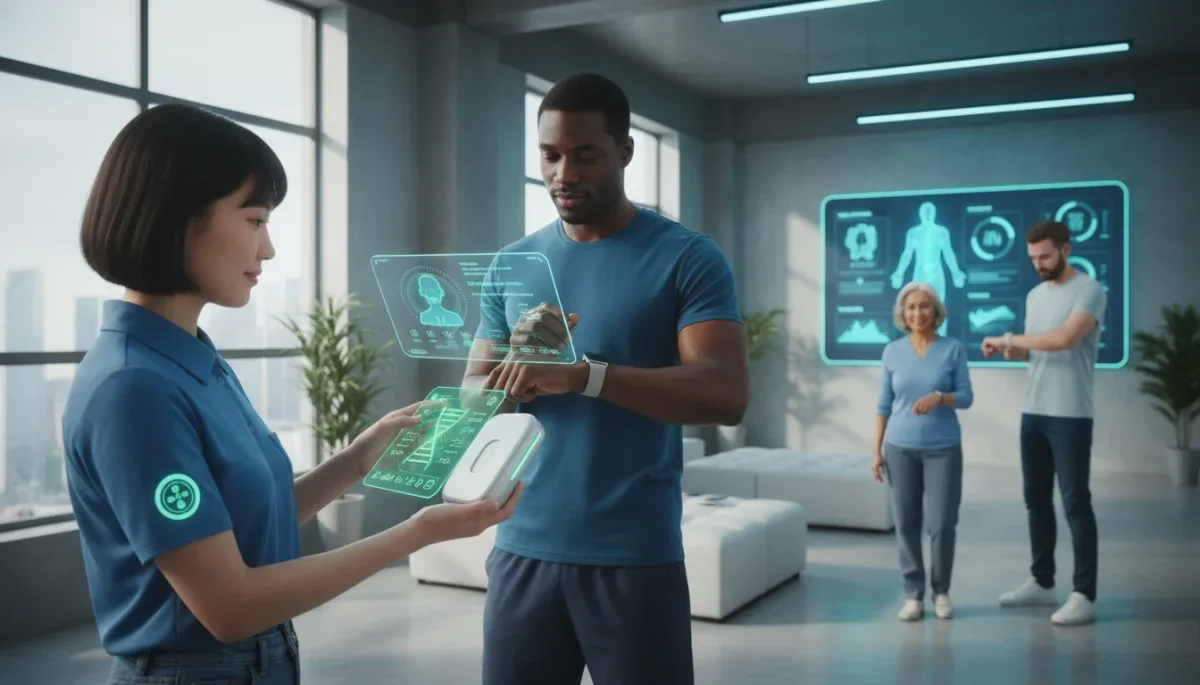
Preventive health technologies in 2026 are transforming healthcare by enabling proactive, personalized well-being management far exceeding the scope of traditional annual check-ups, fostering a new era of health empowerment.
The landscape of healthcare is undergoing a profound transformation, moving beyond the familiar annual check-up towards a more proactive and personalized approach. In 2026, new preventive health technologies 2026 are not just incremental improvements; they represent a paradigm shift, empowering individuals with unprecedented control over their health. This article explores how these innovations are redefining wellness, making health management more accessible, predictive, and tailored to your unique needs.
The rise of personalized health monitoring
Personalized health monitoring is no longer a futuristic concept but a present-day reality, evolving rapidly in 2026. These technologies move beyond general health indicators, offering insights tailored to an individual's genetic makeup, lifestyle, and environmental factors. This allows for a much more nuanced understanding of health risks and opportunities for intervention.
Wearable devices, once simple step counters, have become sophisticated health hubs. They continuously collect a wealth of biometric data, from heart rate variability to sleep quality and even early signs of infection. This constant stream of information, analyzed by advanced AI, provides a dynamic picture of an individual's health status.
Advanced wearables and smart implants
The next generation of wearables integrates seamlessly into daily life, offering discrete and continuous monitoring. Smart implants, though still in early stages for general preventive use, promise even deeper insights by monitoring internal physiological markers with unparalleled accuracy. These devices are designed to be unintrusive yet highly informative.
- Continuous Glucose Monitoring (CGM): Beyond diabetes management, CGMs are used by healthy individuals to understand metabolic responses to diet and exercise.
- Smart Patches: Adhering to the skin, these patches monitor vital signs, hydration levels, and even certain biomarkers, transmitting data wirelessly.
- AI-Powered Sleep Trackers: These go beyond basic sleep cycles, analyzing sleep architecture to detect early signs of sleep disorders and cognitive decline.
The integration of these advanced monitoring tools means that preventive care is no longer a once-a-year event but an ongoing, data-driven process. Individuals can identify potential issues long before they manifest as symptoms, enabling timely and effective interventions. This shift from reactive to proactive care is a cornerstone of the new preventive health landscape.
Genomic insights and precision prevention
Genomic science has matured significantly by 2026, transitioning from a research tool to a practical component of everyday preventive healthcare. Understanding an individual's genetic predispositions allows for highly personalized preventive strategies, moving beyond broad recommendations to precision interventions.
Genetic testing is now more accessible and affordable, providing insights into inherited risks for various conditions, including certain cancers, cardiovascular diseases, and even responses to specific medications. This information empowers individuals and their healthcare providers to develop truly bespoke health plans.
Personalized risk assessment and lifestyle modification
Armed with genomic data, healthcare professionals can offer highly specific advice. For instance, someone with a genetic predisposition to a certain condition might receive tailored dietary recommendations or be advised on specific exercise regimens known to mitigate that risk. This level of personalization dramatically improves the effectiveness of preventive measures.
- Pharmacogenomics: Guiding medication choices based on genetic profiles to optimize efficacy and minimize adverse reactions.
- Nutrigenomics: Tailoring dietary advice to an individual's genetic makeup, optimizing nutrient absorption and metabolic health.
- Early Disease Detection: Identifying genetic markers for diseases years before symptoms appear, allowing for proactive monitoring and intervention.
The integration of genomic insights into preventive health technologies 2026 means that individuals can take a much more informed and targeted approach to their well-being. It transforms preventive care from a one-size-fits-all model into a deeply personal journey, optimizing health outcomes based on an individual's unique biological blueprint.
AI and machine learning in predictive health
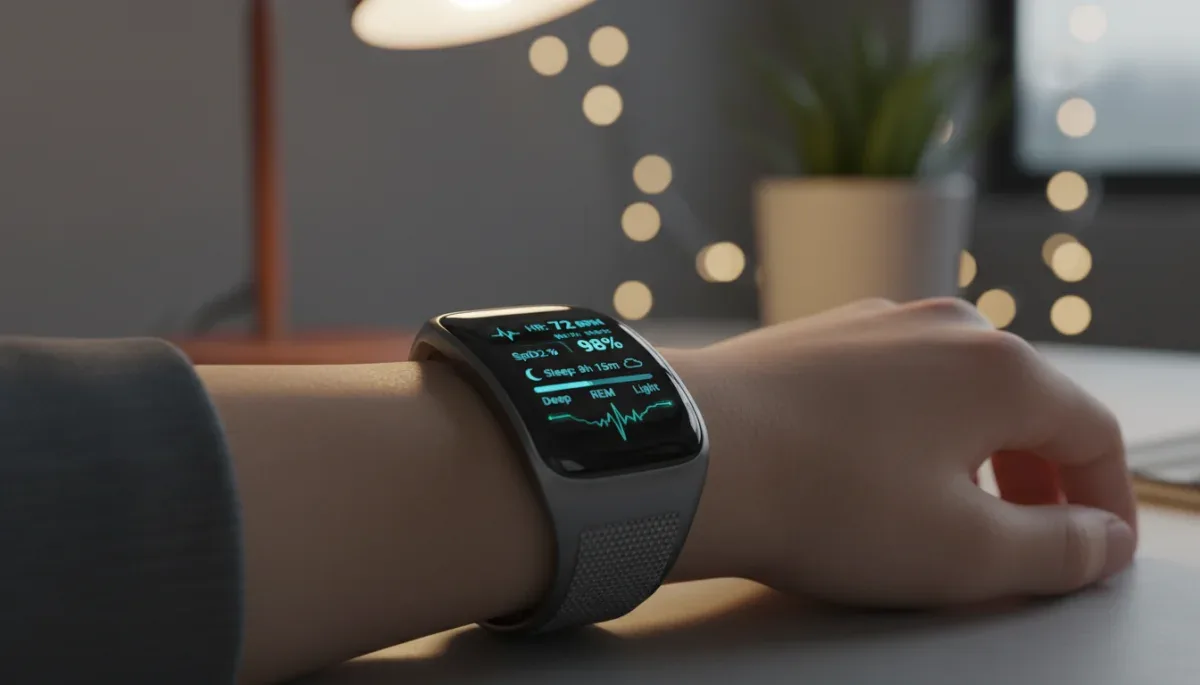
Artificial intelligence (AI) and machine learning (ML) are the backbone of many new preventive health technologies in 2026. These powerful tools analyze vast datasets from wearables, electronic health records, and genomic information to identify patterns and predict future health risks with remarkable accuracy. This predictive capability is revolutionizing how we approach health.
AI algorithms can detect subtle changes in biometric data that might indicate the onset of a condition long before a human eye could. This early detection is crucial for preventive care, allowing for interventions at the most effective stage. From predicting cardiovascular events to identifying early signs of neurodegenerative diseases, AI is becoming an indispensable partner in health management.
Smart diagnostics and virtual health assistants
The application of AI extends to smart diagnostic tools that can analyze medical images, lab results, and even speech patterns to identify potential health concerns. Virtual health assistants, powered by advanced AI, provide personalized health coaching, medication reminders, and even triage initial symptoms, guiding users to appropriate care pathways.
- Predictive Analytics: AI models forecast individual health trajectories, identifying high-risk individuals for targeted interventions.
- Personalized Health Coaching: AI-driven platforms offer tailored advice on diet, exercise, and stress management, adapting to user progress.
- Early Anomaly Detection: ML algorithms continuously scan data for deviations from personal baselines, alerting users and providers to potential issues.
The role of AI and machine learning in preventive health technologies 2026 cannot be overstated. These technologies transform raw data into actionable insights, making health management more intelligent, efficient, and ultimately, more effective. They empower individuals to stay ahead of potential health challenges, fostering a truly proactive health culture.
Remote diagnostics and telehealth expansion
The expansion of remote diagnostics and telehealth has profoundly impacted preventive care, making healthcare more accessible and convenient. In 2026, these services have become highly sophisticated, allowing for comprehensive health assessments and ongoing management from the comfort of one's home.
Telehealth platforms now integrate seamlessly with remote monitoring devices, enabling doctors to review real-time patient data and conduct virtual consultations with high efficacy. This reduces the need for frequent in-person visits, especially for routine check-ups and chronic disease management, making healthcare more efficient for both patients and providers.
Home testing kits and virtual consultations
A new generation of home testing kits provides accurate and rapid results for a wide range of health parameters, from infectious diseases to nutritional deficiencies. These kits often integrate with telehealth platforms, allowing for immediate review by a healthcare professional and subsequent guidance. Virtual consultations are enhanced with augmented reality (AR) tools, allowing for more detailed remote examinations.
- Advanced Home Lab Tests: Kits for blood analysis, microbiome assessment, and hormone levels provide detailed health snapshots.
- Virtual Physical Exams: Telehealth platforms incorporate peripherals that allow for remote auscultation, otoscopy, and dermatoscopy.
- Digital Therapeutics: Prescription digital programs delivered via telehealth for managing conditions like insomnia, anxiety, and chronic pain.
Remote diagnostics and telehealth are crucial components of preventive health technologies 2026, breaking down geographical barriers and increasing access to quality care. They empower individuals to actively participate in their health management, ensuring continuous monitoring and timely interventions without the traditional constraints of physical clinics.
The role of digital twins in health management
The concept of a 'digital twin' is emerging as a groundbreaking application in preventive health by 2026. A digital twin is a virtual replica of an individual, created from their unique health data, including genomic information, lifestyle metrics, medical history, and real-time biometric readings. This sophisticated model allows for predictive analysis and personalized health simulations.
By simulating various scenarios on an individual's digital twin, healthcare professionals can predict how different interventions, lifestyle changes, or environmental factors might impact their health. This enables highly personalized and evidence-based preventive strategies, moving beyond generalized recommendations to truly individualized care plans.
Simulating health outcomes and optimizing interventions
Digital twins can be used to test the efficacy of different diets, exercise routines, or even potential medications before they are applied to the physical individual. This minimizes trial-and-error, optimizing the path to better health and preventing adverse outcomes. It's like having a personal health laboratory that can run endless experiments without risk.
- Personalized Treatment Simulation: Predicting responses to various treatments for chronic conditions.
- Lifestyle Impact Modeling: Simulating the long-term effects of dietary changes, stress reduction techniques, and exercise regimens.
- Disease Progression Forecasting: Anticipating the trajectory of certain conditions and identifying optimal points for intervention.
Digital twins represent a significant leap forward in preventive health technologies 2026, offering an unparalleled level of personalization and foresight. They transform health management into a highly precise science, allowing individuals to make informed decisions based on their unique physiological responses, thereby maximizing their well-being.
Ethical considerations and data security
As preventive health technologies in 2026 become more pervasive and collect increasingly sensitive data, ethical considerations and data security take center stage. The widespread adoption of these advanced tools necessitates robust frameworks to protect individual privacy and ensure equitable access to these life-changing innovations.
The sheer volume and intimacy of health data collected by wearables, genomic tests, and digital twins raise critical questions about ownership, consent, and potential misuse. Safeguarding this information from cyber threats and ensuring its responsible use is paramount to maintaining public trust and fostering widespread adoption of these technologies.
Privacy, consent, and equitable access
Establishing clear guidelines for data collection, storage, and sharing is essential. Individuals must have full transparency and control over their health data, with easy-to-understand consent mechanisms. Moreover, efforts must be made to ensure that these advanced preventive health technologies are accessible to all segments of the population, avoiding the creation of new health disparities.
- Robust Encryption Protocols: Implementing state-of-the-art cybersecurity measures to protect sensitive health data.
- Transparent Data Governance: Clear policies on how data is collected, used, and shared, with user-friendly opt-in/opt-out options.
- Regulatory Frameworks: Developing comprehensive laws and regulations to govern the ethical use of AI in healthcare and data privacy.
Addressing these ethical and security challenges is critical for the sustainable growth and societal benefit of preventive health technologies 2026. By prioritizing privacy, ensuring data integrity, and striving for equitable access, we can harness the full potential of these innovations to improve global health outcomes responsibly and inclusively.
| Key Technology | Impact on Preventive Health |
|---|---|
| Personalized Monitoring | Continuous, tailored health insights from advanced wearables and smart implants. |
| Genomic Insights | Precision prevention based on genetic predispositions and personalized risk assessment. |
| AI & Predictive Health | Early detection and forecasting of health risks using advanced analytics. |
| Digital Twins | Virtual replicas for simulating health outcomes and optimizing interventions. |
Frequently asked questions about preventive health technologies in 2026
What are the primary benefits of new preventive health technologies in 2026?▼The main benefits include highly personalized health insights, early detection of potential health issues, proactive rather than reactive care, and increased convenience through remote monitoring. These technologies empower individuals to take a more active and informed role in managing their well-being, leading to better long-term health outcomes.
How do wearable devices contribute to preventive health now?▼Wearable devices in 2026 offer continuous monitoring of vital signs, sleep patterns, and activity levels. They integrate with AI to analyze data, identify deviations from personal baselines, and provide actionable insights. This constant stream of data allows for early detection of health changes, supporting timely interventions and personalized lifestyle adjustments.
Is genetic testing widely available for preventive care?▼Yes, genetic testing is increasingly accessible and affordable in 2026 for preventive purposes. It helps identify genetic predispositions to various conditions, guiding personalized risk assessments and informing tailored lifestyle modifications. This allows for highly targeted preventive strategies to mitigate inherited health risks effectively.
What is a 'digital twin' in the context of health?▼A digital twin is a virtual replica of an individual, constructed from their comprehensive health data, including genomics and real-time biometrics. It allows for simulations of various health scenarios, predicting how different interventions or lifestyle changes might impact an individual's health. This enables highly precise and personalized preventive strategies.
How are data privacy and security addressed with these new technologies?▼Addressing data privacy and security is a critical priority. Robust encryption protocols, transparent data governance, and comprehensive regulatory frameworks are being implemented to protect sensitive health information. The goal is to ensure individuals have control over their data and that these technologies are used ethically and responsibly.
Conclusion
The year 2026 marks a pivotal moment in healthcare, where preventive health technologies have fundamentally reshaped our approach to well-being. Moving far beyond the traditional annual check-up, these innovations empower individuals with personalized monitoring, genomic insights, AI-driven predictions, and accessible remote care. The emergence of digital twins promises an even more precise and proactive future, allowing for tailored interventions based on individual biological blueprints. While ethical considerations and data security remain paramount, the trajectory is clear: a future where health is not merely managed reactively but actively cultivated and protected through intelligent, personalized, and accessible technologies. This new era of preventive health is set to transform lives, fostering a healthier, more informed populace.