Anxiety Disorders: 2026 US Guide to Symptoms, Diagnosis, Treatment
Advertisements
A comprehensive 2026 US guide to anxiety disorders 2026 offers insights into their varied symptoms, precise diagnostic criteria, and the most current treatment options available to foster mental wellness.
Understanding Anxiety Disorders: A 2026 US Guide to Symptoms, Diagnosis, and Treatment Options is more crucial than ever as mental health awareness continues to grow and evolve. Anxiety, a natural human emotion, becomes a disorder when it's persistent, overwhelming, and interferes with daily life. This guide aims to demystify these conditions, providing clarity on what they are, how they are identified, and the pathways to recovery in the contemporary United States.
The evolving landscape of anxiety disorders in 2026
The perception and understanding of anxiety disorders have significantly evolved, particularly within the US healthcare system. In 2026, there's a heightened emphasis on early intervention, personalized treatment plans, and integrating mental health care into general wellness. This section explores the current societal and medical perspectives shaping how anxiety is approached today.
Increased public awareness and reduced stigma
Public discourse around mental health has dramatically increased, leading to a noticeable reduction in stigma. More individuals are openly discussing their struggles with anxiety, and resources are becoming more accessible. This cultural shift encourages more people to seek help without fear of judgment.
- Greater media representation of mental health issues.
- Celebrity endorsements for mental health advocacy.
- Educational campaigns in schools and workplaces.
Advancements in diagnostic tools
Diagnostic methodologies are becoming more sophisticated, incorporating a blend of clinical assessment, psychological testing, and, in some cases, neuroimaging to provide a more comprehensive picture. This allows for more precise diagnoses and tailored treatment strategies.
The evolving landscape signifies a move towards a more empathetic and effective approach to mental wellness, ensuring that those affected by anxiety disorders receive the care they need.
Identifying common symptoms of anxiety disorders
Recognizing the symptoms of anxiety disorders is the first step toward seeking help. While anxiety manifests differently in each individual, there are common patterns that indicate a need for professional evaluation. This section details the prevalent physical, emotional, and behavioral signs.
Physical manifestations of anxiety
Anxiety often presents with a range of physical symptoms that can be distressing and sometimes mistaken for other medical conditions. These bodily reactions are part of the 'fight or flight' response, even when no immediate danger is present.
- Rapid heart rate and palpitations.
- Shortness of breath or hyperventilation.
- Muscle tension, tremors, and twitching.
- Sweating, dizziness, or lightheadedness.
Emotional and cognitive indicators
Beyond the physical, anxiety deeply impacts one's emotional and cognitive state. Persistent worry, fear, and difficulty concentrating are hallmarks of an anxiety disorder. These internal experiences can be as debilitating as the physical symptoms.
It's important to note that these symptoms can vary in intensity and frequency, but when they become chronic and interfere with daily functioning, it's a strong indicator of an anxiety disorder. Awareness of these signs empowers individuals to pursue appropriate care.
Diagnostic processes for anxiety in the US
The diagnosis of anxiety disorders in the US involves a thorough and multi-faceted approach, typically conducted by mental health professionals. This process ensures an accurate identification of the specific anxiety disorder, which is crucial for effective treatment planning.
Initial assessment and medical history
A comprehensive diagnostic process usually begins with a detailed interview where a mental health professional gathers information about the individual's symptoms, medical history, family history of mental illness, and any significant life stressors. This initial conversation helps to rule out other conditions that might mimic anxiety symptoms.
Psychological evaluations and criteria
Following the initial assessment, psychological evaluations may be conducted. These often involve standardized questionnaires and diagnostic criteria outlined in the Diagnostic and Statistical Manual of Mental Disorders, Fifth Edition (DSM-5). The DSM-5 provides specific criteria for each anxiety disorder, aiding in precise diagnosis.
For example, a generalized anxiety disorder diagnosis requires excessive worry about various events or activities for at least six months, along with other associated symptoms like restlessness, fatigue, and difficulty concentrating.
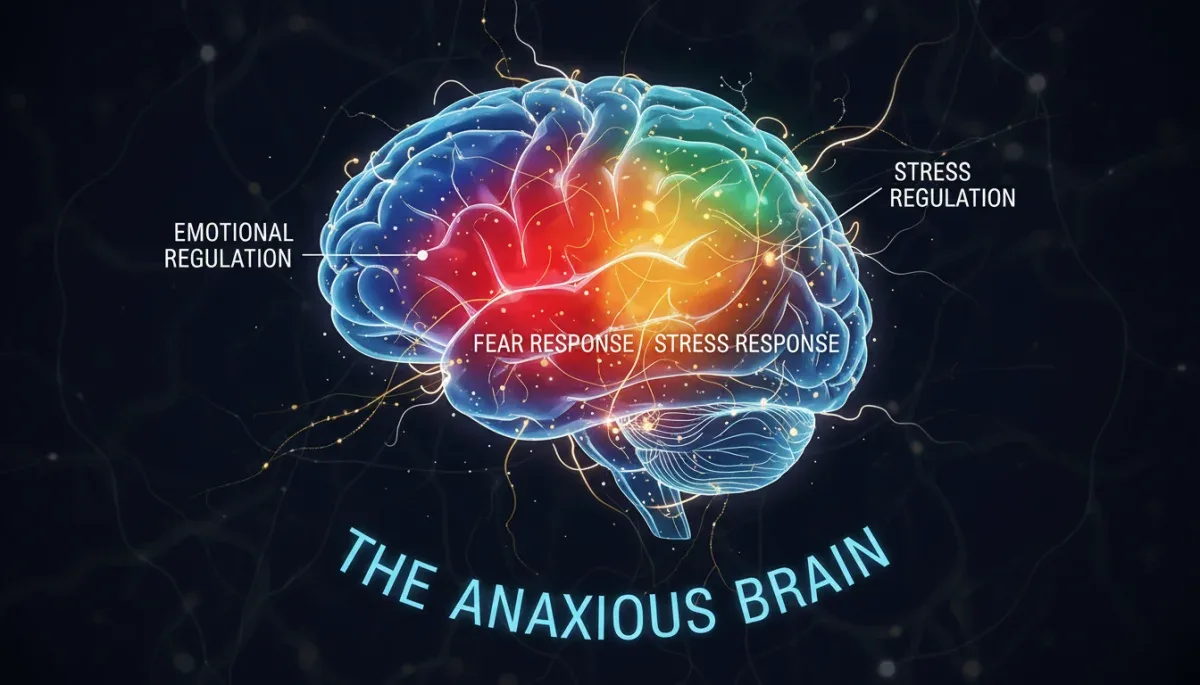
The diagnostic journey, while sometimes lengthy, is essential for tailoring the most effective intervention. Understanding the specific type of anxiety disorder allows for a targeted approach to treatment.
Therapeutic approaches: current treatment options
Treatment for anxiety disorders in 2026 is highly individualized, combining various therapeutic approaches to address the unique needs of each person. The goal is not just symptom reduction but also enhancing coping skills and overall quality of life.
Cognitive behavioral therapy (CBT)
CBT remains a cornerstone of anxiety treatment. It helps individuals identify and challenge negative thought patterns and behaviors that contribute to their anxiety. Through structured sessions, patients learn to reframe their thoughts and develop healthier coping mechanisms.
- Identifying cognitive distortions.
- Developing relaxation techniques.
- Gradual exposure to anxiety-provoking situations.
Medication management
Pharmacological interventions, such as antidepressants (SSRIs, SNRIs) and anti-anxiety medications (benzodiazepines), are often used in conjunction with therapy, especially for moderate to severe anxiety. These medications help balance brain chemistry, reducing the intensity of symptoms.
The choice of medication and dosage is carefully monitored by a psychiatrist, taking into account individual responses and potential side effects. Regular follow-ups are crucial to adjust treatment as needed.
Emerging treatments and innovations in 2026
The field of mental health is constantly evolving, and 2026 sees several promising new treatments and innovations for anxiety disorders. These advancements offer hope for individuals who may not have fully responded to traditional therapies.
Digital therapeutics and telehealth
The rise of digital therapeutics, including AI-powered apps and virtual reality (VR) programs, offers convenient and accessible ways to manage anxiety. Telehealth services have also expanded, providing remote access to therapy and psychiatric consultations, breaking down geographical barriers to care.
Neuromodulation techniques
For severe and treatment-resistant anxiety, neuromodulation techniques such as Transcranial Magnetic Stimulation (TMS) and vagus nerve stimulation (VNS) are gaining traction. These non-invasive or minimally invasive procedures aim to alter brain activity to alleviate anxiety symptoms.
These innovative approaches, while still under active research and refinement, represent a significant step forward in offering more options for those struggling with chronic anxiety. They underscore the commitment to finding more effective and personalized solutions.
Lifestyle adjustments and self-care for anxiety
Beyond clinical treatments, integrating lifestyle adjustments and self-care practices is vital for managing anxiety disorders and promoting long-term mental wellness. These strategies empower individuals to take an active role in their recovery.
Mindfulness and meditation practices
Mindfulness and meditation are powerful tools for cultivating present-moment awareness and reducing anxious thoughts. Regular practice can help individuals observe their thoughts without judgment, fostering a sense of calm and emotional regulation.
- Guided meditation apps and online resources.
- Mindfulness-based stress reduction (MBSR) programs.
- Deep breathing exercises for immediate relief.
Physical activity and nutrition
Engaging in regular physical activity, even moderate exercise, has profound benefits for anxiety reduction. Exercise releases endorphins, which have mood-boosting effects, and helps to reduce stress hormones. A balanced diet, rich in whole foods, also plays a crucial role in supporting brain health and emotional stability.
Prioritizing sleep hygiene, limiting caffeine and alcohol intake, and fostering strong social connections are additional self-care practices that significantly contribute to managing anxiety effectively. These holistic approaches complement clinical treatments, creating a robust framework for mental well-being.
Navigating support systems and resources
Building a strong support system and knowing where to access reliable resources are critical components of managing anxiety disorders. Individuals do not have to face their challenges alone; a network of support can provide comfort, understanding, and practical assistance.
Family, friends, and peer support groups
Open communication with family and friends can provide a vital emotional safety net. Educating loved ones about anxiety disorders can help them understand and offer more effective support. Peer support groups, whether online or in-person, connect individuals with shared experiences, fostering a sense of community and reducing feelings of isolation.
Professional and community resources
Accessing professional resources is paramount. This includes therapists, psychiatrists, and other mental health specialists. Community mental health centers, non-profit organizations, and online platforms offer a wealth of information, support programs, and directories for finding qualified providers. Many employers also provide Employee Assistance Programs (EAPs) that offer confidential counseling and referrals.
Staying informed about available resources in 2026, from national helplines to local support initiatives, ensures that individuals and their families can proactively seek and receive the comprehensive care needed for managing anxiety disorders effectively.
| Key Aspect | Brief Description |
|---|---|
| Symptoms | Physical (e.g., rapid heart rate), emotional (e.g., persistent worry), and behavioral (e.g., avoidance) signs. |
| Diagnosis | Clinical assessments, medical history review, and psychological evaluations using DSM-5 criteria. |
| Treatment Options | CBT, medication, digital therapeutics, neuromodulation, and lifestyle adjustments. |
| Support Systems | Family, friends, peer groups, and professional community resources. |
Frequently asked questions about anxiety disorders
What is the primary difference between normal anxiety and an anxiety disorder?▼Normal anxiety is a temporary response to stress, while an anxiety disorder involves persistent, excessive worry that significantly interferes with daily functioning and persists for an extended period, often six months or more.
Can anxiety disorders be cured completely?▼While a 'cure' in the traditional sense might not always apply, anxiety disorders are highly treatable. Many individuals achieve significant symptom reduction and learn effective coping strategies to lead fulfilling lives. Ongoing management is often key.
What role does lifestyle play in managing anxiety?▼Lifestyle factors like regular exercise, a balanced diet, adequate sleep, and mindfulness practices are crucial. They complement clinical treatments by enhancing mood, reducing stress, and building resilience against anxiety symptoms.
Are digital therapeutics effective for anxiety?▼Yes, digital therapeutics are increasingly recognized as effective tools. AI-powered apps and VR programs can provide accessible, engaging, and evidence-based interventions for managing anxiety symptoms, often as a supplement to traditional therapy.
How important is early diagnosis for anxiety disorders?▼Early diagnosis is critically important as it allows for timely intervention, preventing symptoms from escalating and becoming more entrenched. It significantly improves treatment outcomes and reduces the long-term impact of anxiety on an individual's life.
Conclusion
In conclusion, understanding anxiety disorders in 2026 involves recognizing their evolving nature, identifying symptoms accurately, and embracing a holistic approach to diagnosis and treatment. With continued advancements in therapy, medication, and digital health tools, coupled with increasing societal awareness, individuals in the US have more resources than ever to manage anxiety effectively. Prioritizing mental wellness through professional help, self-care, and strong support systems is paramount for fostering resilience and achieving a better quality of life.