Combating Loneliness: 5 Community Strategies for US Adults
Advertisements
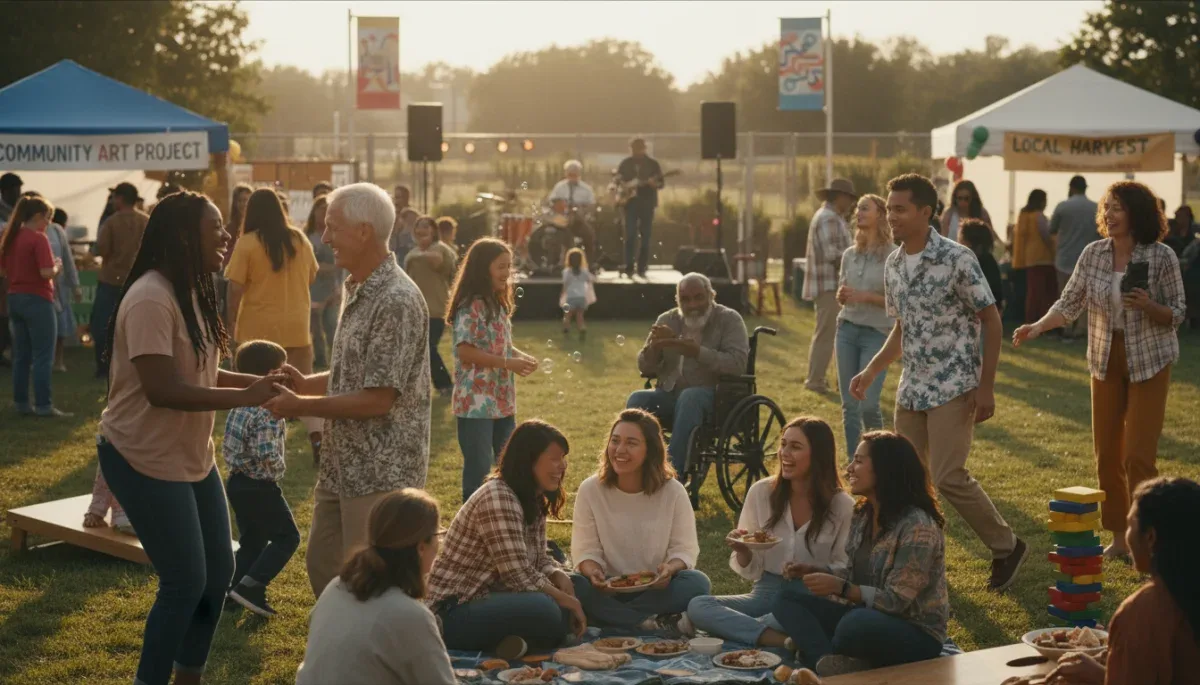
Combating loneliness in US adults by 2026 requires implementing five key community engagement strategies focused on fostering meaningful social connections and improving overall mental well-being.
In an increasingly interconnected yet often isolated world, understanding and addressing combating loneliness strategies has become a critical public health concern for US adults. This article delves into five actionable community engagement approaches designed to foster genuine connections and enhance mental wellness by 2026.
The Rising Tide of Loneliness in America
Loneliness is more than just a fleeting feeling; it's a persistent, distressing sense of social isolation that can have profound impacts on physical and mental health. Recent studies indicate that a significant portion of US adults report experiencing loneliness regularly, a trend exacerbated by factors like digital over-reliance and changing social structures.
Understanding the root causes is the first step toward effective intervention. The complexities of modern life, including demanding work schedules, geographical mobility, and the decline of traditional community hubs, contribute significantly to this widespread issue. It's not merely about being alone, but about the perceived lack of meaningful social relationships.
Societal Shifts and Their Impact
Over the past few decades, the fabric of American society has undergone substantial changes. The rise of individualized lifestyles and the reduction in civic participation have inadvertently created environments where social bonds are harder to forge and maintain. This shift necessitates innovative approaches to re-establish and strengthen community ties.
- Increased digital interaction replacing in-person contact.
- Decline in neighborhood-based social networks.
- Higher geographical mobility leading to fractured social circles.
- Busy lifestyles limiting time for social engagement.
The consequences of chronic loneliness extend beyond emotional distress, impacting physical health with risks comparable to smoking or obesity. Addressing this public health challenge requires a concerted effort to build resilient and supportive communities, moving beyond individual coping mechanisms to collective solutions.
Strategy 1: Revitalizing Local Community Centers and Hubs
Local community centers, libraries, and senior centers have historically served as vital gathering places, but their role needs to be revitalized and reimagined for 2026. These hubs can become vibrant ecosystems for connection, offering diverse programs that cater to various interests and age groups, thereby creating natural opportunities for social interaction.
The key to their success lies in creating welcoming, inclusive environments where everyone feels a sense of belonging. This involves not just offering activities, but actively promoting participation and facilitating introductions among attendees. Think beyond traditional programming to more innovative, interactive experiences.
Innovative Programming for Engagement
To attract a wider demographic and ensure sustained engagement, community centers should develop programs that are both relevant and appealing. This could include workshops on practical skills, intergenerational activities, or even community-led initiatives that empower residents to shape their local environment.
- Skill-sharing workshops (e.g., cooking, crafting, digital literacy).
- Intergenerational mentorship programs connecting youth and seniors.
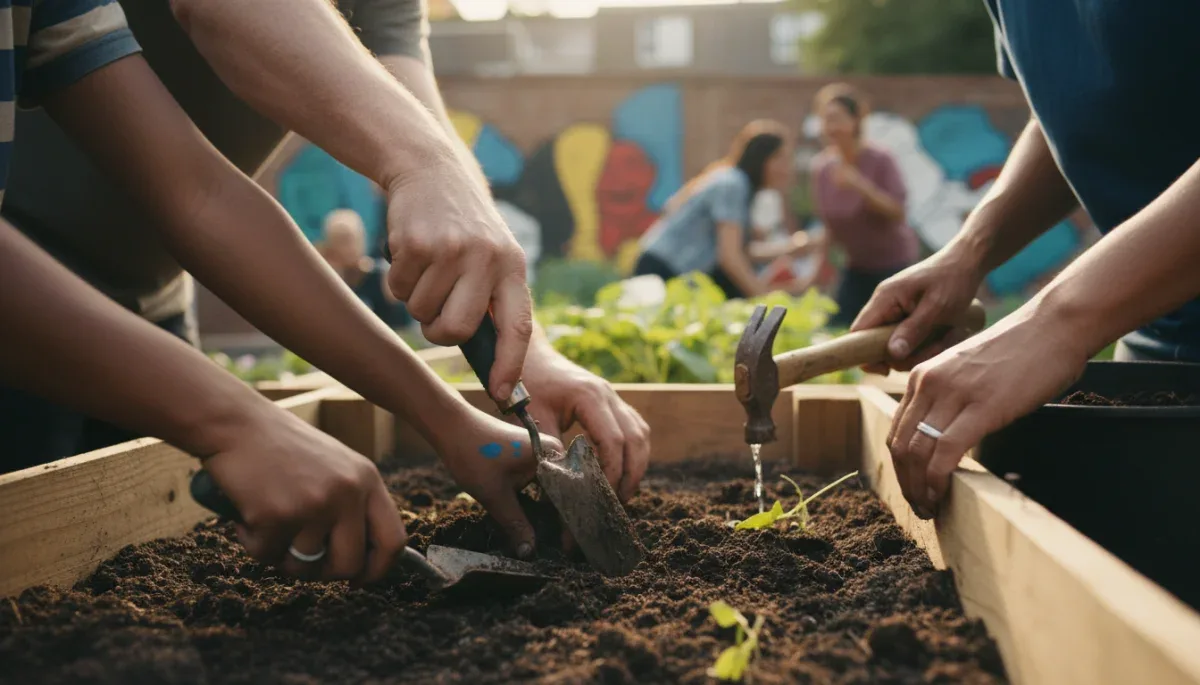
- Community gardens or urban farming projects.
- Local history clubs and walking tours.
By transforming these spaces into dynamic centers of activity, local communities can effectively combat loneliness by providing accessible, low-barrier opportunities for adults to meet, learn, and contribute. The focus should always be on fostering genuine human connection.
Strategy 2: Promoting Volunteerism and Civic Participation
Engaging in volunteer work offers a powerful antidote to loneliness, providing a sense of purpose, structure, and opportunities to connect with like-minded individuals. When adults contribute their time and skills to a cause they care about, they not only benefit the community but also build valuable social networks and enhance their own well-being.
For 2026, there needs to be a renewed emphasis on making volunteer opportunities more accessible and widely publicized. This includes creating flexible roles that accommodate varying schedules and skill sets, ensuring that everyone can find a way to contribute meaningfully.
Designing Accessible Volunteer Programs
Effective volunteer programs are designed with the potential volunteer in mind, minimizing barriers to participation. This involves clear communication about roles, providing necessary training, and fostering a supportive environment where volunteers feel valued and connected to the mission.
- Flexible scheduling for working adults.
- Virtual volunteer opportunities for remote engagement.
- Skill-based volunteering leveraging professional expertise.
- Group volunteering events for shared experiences.
By actively promoting and facilitating volunteerism, communities can empower adults to step out of isolation, find shared purpose, and build lasting relationships through collective action. This strategy not only addresses individual loneliness but also strengthens the overall social capital of a community.
Strategy 3: Leveraging Digital Platforms for Real-World Connections
While digital platforms are often blamed for increased isolation, they can also be powerful tools for fostering real-world connections when used strategically. The goal is to leverage online spaces not as ends in themselves, but as bridges to in-person interactions and community building. This requires intentional design and moderation.
In 2026, communities should focus on developing platforms that facilitate local group formation, event discovery, and interest-based networking, encouraging users to transition from online interactions to face-to-face meetups. It's about using technology to organize and amplify offline social engagement.
Bridging the Digital-Physical Divide
Successful strategies involve creating online communities that are specifically geared towards local activities and shared interests. This can include hyper-local social networks, event-sharing platforms, or forums where neighbors can connect and organize meetups based on common hobbies or needs.
- Local interest groups on social media platforms.
- Community event calendars and sharing apps.
- Online forums for neighborhood watch or mutual aid.
- Apps designed to connect people for specific activities (e.g., walking, book clubs).
By consciously designing digital tools to support and enhance offline community engagement, US adults can utilize technology to expand their social circles and discover new opportunities for connection, directly addressing loneliness through proactive strategies.
Strategy 4: Supporting Intergenerational Programs
Intergenerational programs, which bring together individuals from different age groups, offer immense potential for combating loneliness among US adults. These initiatives create unique opportunities for mutual learning, mentorship, and companionship, enriching the lives of both younger and older participants.
In 2026, fostering these connections will be crucial. Such programs can range from shared educational activities to mentorship roles, where older adults share their wisdom and experience, and younger generations offer fresh perspectives and digital literacy. The benefits are reciprocal, breaking down age-related social barriers.
Benefits of Cross-Generational Interaction
When different generations interact, stereotypes are often challenged, empathy grows, and a sense of collective identity is strengthened. For older adults, it can reduce feelings of isolation and provide a renewed sense of purpose. For younger adults, it can offer invaluable guidance and a broader support network.
- Mentorship opportunities for career and life guidance.
- Shared learning experiences (e.g., technology, arts, history).
- Storytelling initiatives preserving local history and personal narratives.
- Collaborative projects addressing community needs.
By intentionally creating spaces and programs where generations can interact authentically, communities can build stronger social fabrics, ensuring that adults of all ages feel valued, connected, and integral to the collective well-being, effectively addressing loneliness through shared experiences.
Strategy 5: Cultivating Inclusive Public Spaces and Events
The design and accessibility of public spaces play a significant role in fostering community engagement and, consequently, combating loneliness. Parks, plazas, community gardens, and public art installations can all serve as natural gathering points, encouraging spontaneous interactions and a sense of shared ownership.
For 2026, urban planners and community leaders should prioritize creating and maintaining public spaces that are not only aesthetically pleasing but also intentionally designed to be inclusive, safe, and conducive to social interaction. This involves considering factors like seating, accessibility, and diverse programming.
Designing for Connection
Inclusive public spaces are those that welcome everyone, regardless of age, ability, or socioeconomic status. They are designed to be comfortable, safe, and offer varied opportunities for both active and passive engagement, making them magnets for community life.
- Accessible seating arrangements encouraging conversation.
- Public art and cultural events attracting diverse groups.
- Community gardens and shared green spaces.
- Regularly scheduled free public events (e.g., concerts, markets).
By investing in and thoughtfully designing public spaces, communities can provide essential infrastructure for social connection. These areas become vital arenas where adults can encounter neighbors, participate in shared activities, and develop a stronger sense of belonging, directly contributing to strategies for combating loneliness.
| Strategy | Brief Description |
|---|---|
| Revitalizing Local Hubs | Transform community centers into vibrant places offering diverse, inclusive programs to foster connections. |
| Promoting Volunteerism | Encourage civic participation through accessible roles, providing purpose and social networks. |
| Leveraging Digital Platforms | Use online tools to facilitate local group formation and real-world meetups, bridging digital and physical. |
| Intergenerational Programs | Create opportunities for different age groups to interact, learn, and mentor each other, reducing isolation. |
Frequently Asked Questions About Combating Loneliness
What is the primary goal of community engagement in combating loneliness?▼The primary goal is to foster meaningful social connections and a sense of belonging among US adults. By creating opportunities for interaction and shared purpose, community engagement aims to alleviate feelings of isolation and enhance overall mental well-being for individuals.
How can local community centers be made more effective?▼Effectiveness can be boosted by offering diverse, inclusive, and innovative programs that appeal to various age groups and interests. Creating welcoming environments, facilitating introductions, and empowering residents to shape activities are also crucial for success.
Can digital platforms genuinely help reduce loneliness?▼Yes, when used strategically. Digital platforms can bridge online interactions to real-world connections by facilitating local group formation, event discovery, and interest-based networking, ultimately encouraging face-to-face meetups and community participation.
What are the benefits of intergenerational programs?▼Intergenerational programs offer mutual learning, mentorship, and companionship. They reduce isolation for older adults by providing purpose and connection, while younger generations gain valuable guidance and expand their support networks, breaking down age-related social barriers effectively.
Why are inclusive public spaces important for combating loneliness?▼Inclusive public spaces provide natural, accessible gathering points that encourage spontaneous interactions and a sense of shared ownership. Thoughtful design, safety, and diverse programming make these spaces magnets for community life, fostering belonging and reducing isolation.
Conclusion
The challenge of loneliness among US adults in 2026 is significant, but not insurmountable. By actively implementing these five community engagement strategies—revitalizing local hubs, promoting volunteerism, leveraging digital tools for real-world connections, fostering intergenerational programs, and cultivating inclusive public spaces—we can collectively build more connected, supportive, and mentally resilient communities. Addressing loneliness requires a holistic approach that moves beyond individual efforts to embrace the power of shared experiences and collective well-being, ensuring every adult feels valued and connected within their community.