Managing SAD: 2026 Winter Preparedness Guide for the US
Advertisements
Effectively managing seasonal affective disorder (SAD) in the US requires proactive strategies, including light therapy, lifestyle adjustments, and professional support, for better winter well-being.
As the days shorten and temperatures drop, many Americans begin to feel a shift beyond just the weather. If you find yourself dreading winter, experiencing low mood, or lacking energy, you might be wondering about managing seasonal affective disorder (SAD). This comprehensive guide is designed to help you prepare for winter 2026, offering actionable insights and strategies to navigate the colder months with greater resilience and well-being.
Understanding Seasonal Affective Disorder (SAD)
Seasonal Affective Disorder, commonly known as SAD, is a type of depression that recurs with the changing seasons. For most people, symptoms begin in the fall and continue into the winter months, sapping energy and making them feel moody. Less commonly, SAD causes depression in the spring or early summer. Understanding the nuances of SAD is the first step toward effective management.
What causes SAD?
While the exact cause of SAD isn't fully understood, several factors are believed to play a role. These often relate to the reduced exposure to sunlight during shorter days, which can disrupt the body's internal clock and affect brain chemistry.
- Disruption of circadian rhythm: The reduction in sunlight in fall and winter can disrupt your body's internal clock, leading to feelings of depression.
- Serotonin levels: A drop in serotonin, a brain chemical that affects mood, might play a role. Reduced sunlight can cause a drop in serotonin levels, which may trigger depression.
- Melatonin levels: The change in season can disrupt the balance of the body's level of melatonin, which plays a role in sleep patterns and mood.
Recognizing these underlying factors helps in tailoring effective treatment and coping mechanisms. It’s not just a case of "winter blues"; SAD is a diagnosable medical condition that warrants attention and care.
Common symptoms of winter-pattern SAD
The symptoms of SAD can vary from person to person, but there are commonalities, especially for the winter-pattern type. It’s important to distinguish these from general winter fatigue.
- Feeling depressed most of the day, nearly every day.
- Losing interest in activities you once enjoyed.
- Having low energy and feeling sluggish.
- Having problems with sleep, usually oversleeping.
- Experiencing carbohydrate cravings, overeating, and weight gain.
If these symptoms persist and significantly impact your daily life, it’s crucial to consider professional evaluation. Early identification and understanding of SAD are key to developing a robust preparedness plan for the upcoming winter seasons.
Proactive Strategies for Winter 2026 Preparedness
Preparing for winter 2026 when you know SAD is a possibility involves more than just getting your flu shot. It requires a holistic approach that integrates lifestyle changes, environmental adjustments, and mental health awareness. Starting these strategies before symptoms fully manifest can significantly mitigate their impact.
Embracing light therapy
Light therapy, also known as phototherapy, is a cornerstone in the treatment and prevention of SAD. It involves daily exposure to a special light box that mimics natural outdoor light.

The light box should emit at least 10,000 lux of light and filter out most of the harmful UV light. Typically, people sit a certain distance from the light box for about 20 to 60 minutes each morning. Consistency is key, and starting this routine in early fall can help prevent the onset of symptoms. Always consult with a healthcare professional before starting light therapy to ensure it's appropriate for your specific situation and to understand proper usage.
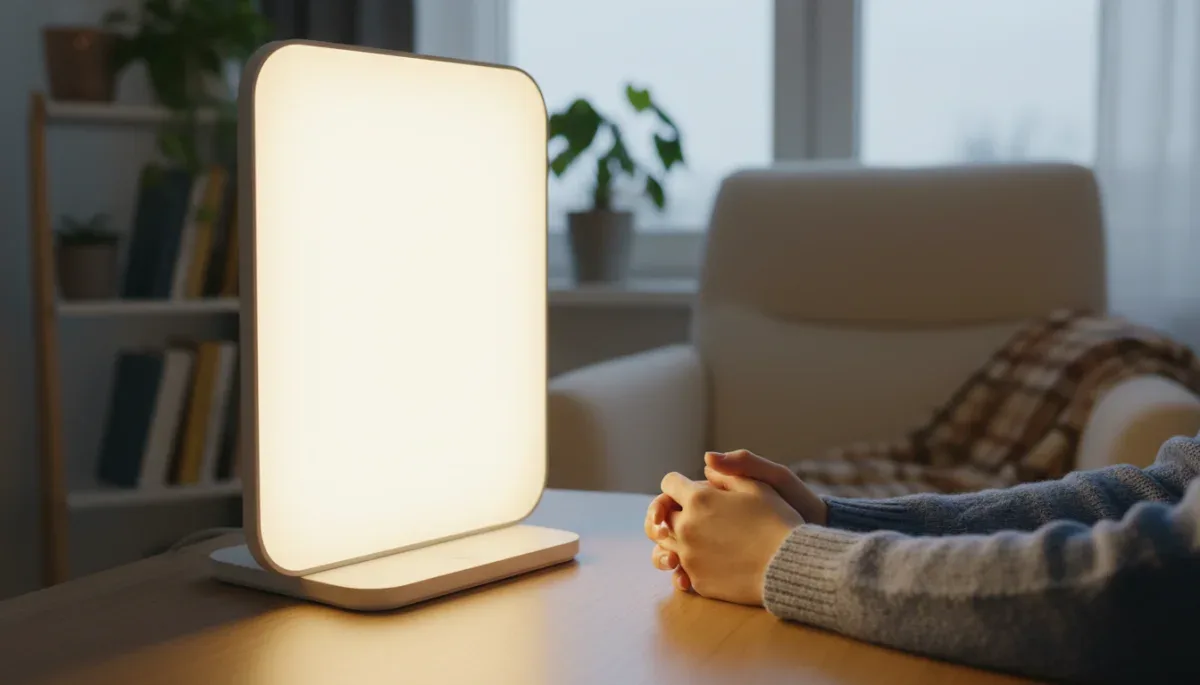
This simple yet effective method can help reset your circadian rhythm and improve mood by influencing serotonin and melatonin production. Integrating it into your morning routine can provide a vital boost during the darker months.
Optimizing your living environment
Your home environment plays a significant role in your mood and energy levels, especially during winter. Making conscious changes can create a more uplifting space.
- Maximize natural light: Keep curtains and blinds open during the day. Trim tree branches that block sunlight.
- Use bright, full-spectrum lighting: Supplement natural light with indoor lighting that mimics daylight.
- Incorporate bright colors: Add splashes of vibrant colors through decor, pillows, or throws to uplift your mood.
These environmental adjustments can subtly yet powerfully influence your mental state. A brighter, more inviting home can counteract the gloominess often associated with winter, making it easier to maintain a positive outlook.
Lifestyle Adjustments for Enhanced Well-being
Beyond specific therapies, everyday habits and lifestyle choices are powerful tools in managing SAD. These adjustments focus on strengthening your physical and mental resilience, creating a buffer against the seasonal shift.
Prioritizing physical activity
Regular exercise is a well-documented mood booster. Even during colder months, finding ways to stay active is crucial. Physical activity helps reduce stress, anxiety, and symptoms of depression.
Aim for at least 30 minutes of moderate-intensity exercise most days of the week. This could include brisk walking outdoors (especially on sunny days), indoor cycling, yoga, or joining a gym. The key is consistency and finding an activity you genuinely enjoy, making it easier to stick with throughout the winter. Outdoor exercise, when possible, offers the added benefit of natural light exposure, further aiding in SAD management.
Nutritional considerations and diet
What you eat can significantly impact your mood and energy. During winter, cravings for comfort foods high in carbohydrates can be strong, but a balanced diet remains paramount.
- Focus on whole foods: Prioritize fruits, vegetables, lean proteins, and whole grains.
- Omega-3 fatty acids: Incorporate foods rich in omega-3s, like fatty fish (salmon, mackerel), flaxseeds, and walnuts, which are linked to improved mood.
- Vitamin D: Since sunlight exposure is limited, ensure adequate vitamin D intake through fortified foods or supplements, under medical guidance.
A well-nourished body is better equipped to handle stress and maintain stable energy levels, both of which are vital when combating SAD. Avoid excessive sugar and processed foods, which can lead to energy crashes and mood swings.
The Role of Social Connection and Mental Health Support
Isolation can exacerbate symptoms of SAD. Maintaining strong social connections and seeking professional mental health support are critical components of a comprehensive management plan. You don't have to face SAD alone.
Nurturing social connections
Even when you feel like withdrawing, actively seeking social interaction can make a significant difference. Social engagement provides emotional support, reduces feelings of loneliness, and offers opportunities for positive experiences.
- Stay connected: Regularly schedule calls, video chats, or safe in-person visits with friends and family.
- Join groups: Participate in online or local clubs, classes, or volunteer activities that align with your interests.
- Plan social activities: Organize indoor gatherings or outdoor activities (weather permitting) to look forward to.
These connections serve as a protective factor, offering distraction, perspective, and a sense of belonging during challenging times. Make an effort to reach out, even when it feels difficult.
Seeking professional guidance
For many, lifestyle adjustments alone may not be enough. Professional mental health support can provide tailored strategies and treatments to effectively manage SAD.
Therapy, particularly cognitive-behavioral therapy (CBT), has shown effectiveness in treating SAD by helping individuals identify and change negative thought patterns and behaviors associated with the condition. Additionally, medication, such as antidepressants, may be prescribed in some cases, especially if symptoms are severe. A mental health professional can assess your situation, provide an accurate diagnosis, and recommend the most suitable course of action. Do not hesitate to seek help if you feel your symptoms are overwhelming or significantly impacting your quality of life.
Building a Personalized SAD Action Plan for 2026
A personalized action plan is your roadmap to navigating the winter months successfully. It combines all the strategies discussed into a cohesive, actionable framework tailored to your specific needs and circumstances. This proactive approach empowers you to take control rather than simply reacting to symptoms.
Assessing your past experiences
Reflect on previous winters. What triggered your symptoms? What strategies, if any, helped? Understanding your personal patterns is crucial for effective planning.
- Symptom diary: Keep a journal of your mood, energy levels, and daily activities as winter approaches. This can help identify early warning signs.
- Successful coping mechanisms: Note what has worked for you in the past, whether it was a specific exercise routine, diet change, or social activity.
- Triggers: Identify specific situations or environmental factors that tend to worsen your mood.
This self-assessment provides valuable insights that will inform the most effective components of your 2026 SAD action plan. It's about learning from your own unique experience.
Developing your daily and weekly routine
Structure and routine can provide stability and predictability, which are particularly helpful when dealing with SAD. A well-planned routine ensures you incorporate essential self-care practices consistently.
- Morning light exposure: Schedule your light therapy session or outdoor walk first thing in the morning.
- Regular exercise slots: Block out time for physical activity and treat it as a non-negotiable appointment.
- Social engagement: Plan regular social interactions to avoid isolation.
- Mindfulness and relaxation: Incorporate practices like meditation, deep breathing, or journaling to manage stress.
A structured routine helps create healthy habits and ensures that preventive measures are consistently applied. Be flexible enough to adjust your plan as needed, but strive for consistency.
Overcoming Challenges and Maintaining Resilience
Even with a well-thought-out plan, challenges can arise. It's important to anticipate these and develop strategies for maintaining resilience throughout the winter. SAD management is an ongoing process, not a one-time fix.
Recognizing and addressing setbacks
There will be days when you feel low, despite your best efforts. This is normal, and it's crucial not to let minor setbacks derail your entire plan.
- Practice self-compassion: Be kind to yourself. Acknowledge that SAD is a real condition, and some days will be harder than others.
- Re-evaluate your plan: If a strategy isn't working, don't be afraid to adjust it or seek professional advice for modifications.
- Lean on your support system: Reach out to trusted friends, family, or your therapist when you feel a dip in mood.
Setbacks are opportunities for learning and adjustment. They don't signify failure but rather an indication that your approach might need fine-tuning. Stay persistent and adaptable.
Building long-term resilience
Managing SAD isn't just about getting through one winter; it's about building long-term resilience that benefits your overall mental health year-round. The strategies you employ for SAD can enhance your well-being in all seasons.
Focus on developing healthy habits that extend beyond winter. Prioritize sleep, stress management, regular physical activity, and strong social connections as year-round pillars of your mental health. By consistently investing in these areas, you strengthen your capacity to cope with seasonal changes and other life stressors. This holistic approach to well-being ensures that you're not just surviving winter, but thriving through it and beyond.
| Key Strategy | Brief Description |
|---|---|
| Light Therapy | Daily exposure to a 10,000-lux light box to mimic natural sunlight and regulate mood. |
| Lifestyle Adjustments | Regular exercise, balanced diet, and optimizing home environment for more light. |
| Social Connection | Actively engaging with friends and family to combat isolation and foster support. |
| Professional Support | Seeking therapy (e.g., CBT) or medication from a mental health professional. |
Frequently Asked Questions About SAD
What is the primary cause of Seasonal Affective Disorder (SAD)?▼The primary cause of SAD is believed to be reduced exposure to natural sunlight during fall and winter. This lack of light can disrupt the body's circadian rhythm, lower serotonin levels, and alter melatonin production, all of which contribute to depressive symptoms. Genetics and individual brain chemistry also play roles.
Can diet really impact my SAD symptoms?▼Yes, diet can significantly impact SAD symptoms. A balanced diet rich in whole foods, omega-3 fatty acids, and vitamin D can support brain health and mood. Avoiding excessive sugar and processed foods helps prevent energy crashes and mood swings, contributing to more stable emotional well-being.
How long does it take for light therapy to work for SAD?▼Many individuals begin to notice improvements in their mood and energy levels within a few days to two weeks of consistent light therapy use. For optimal results, it's crucial to use the light box daily as recommended, typically for 20-60 minutes each morning, and to start treatment before symptoms become severe.
Is SAD the same as just feeling down in the winter?▼No, SAD is more than just feeling down. While many people experience "winter blues," SAD is a diagnosable form of depression with specific symptoms that significantly impair daily functioning. It requires clinical diagnosis and often benefits from structured treatment plans, unlike mild winter mood fluctuations.
When should I seek professional help for SAD?▼You should seek professional help if your symptoms are persistent, severe, interfere with your daily life, or if you experience thoughts of hopelessness or self-harm. A mental health professional can provide an accurate diagnosis, recommend appropriate treatments like therapy or medication, and help develop a personalized management plan.
Conclusion
Managing seasonal affective disorder requires a proactive, multi-faceted approach. As we look towards winter 2026 in the US, arming yourself with knowledge and implementing effective strategies—from light therapy and lifestyle adjustments to nurturing social connections and seeking professional support—can make a profound difference. By understanding SAD, preparing your environment, and building a personalized action plan, you can navigate the colder months with greater resilience, maintain your well-being, and even find joy in the season. Your mental health is a priority, and taking these steps is an investment in a brighter, more stable future, regardless of the weather outside.