Optimizing Brain Health: 5 Cognitive Boosters for 2026
Advertisements
Optimizing brain health involves integrating key lifestyle strategies and science-backed boosters that enhance memory, focus, and overall mental acuity.
Are you ready to unlock your brain's full potential? In an increasingly demanding world, strategies for optimizing brain health are more crucial than ever. This guide will explore five cognitive boosters designed to help you achieve peak performance in 2026 and beyond.
The Foundation of Cognitive Resilience: Lifestyle Integration
Before diving into specific boosters, it's essential to understand that true cognitive resilience is built upon a holistic lifestyle. Our daily habits, from what we eat to how we manage stress, profoundly impact brain function. This foundational approach ensures that any targeted cognitive enhancements are supported by a robust internal environment.
Integrating healthy habits isn't just about avoiding decline; it's about actively promoting neuroplasticity and maintaining a sharp, adaptable mind. Small, consistent changes can yield significant long-term benefits, creating a fertile ground for cognitive growth.
Prioritizing Sleep for Brain Restoration
Quality sleep is non-negotiable for optimal brain health. During sleep, your brain actively cleanses itself of metabolic waste products and consolidates memories. Chronic sleep deprivation can impair cognitive functions like attention, memory, and problem-solving.
- Aim for 7-9 hours of uninterrupted sleep each night.
- Establish a consistent sleep schedule, even on weekends.
- Create a relaxing bedtime routine to signal your body it's time to wind down.
- Optimize your sleep environment by making it dark, quiet, and cool.
By making sleep a priority, you are directly investing in your brain's ability to perform at its best. It's not merely rest; it's an active period of repair and rejuvenation for your most vital organ.
Cognitive Booster 1: Nutrient-Rich Diet for Brain Fuel
What you eat directly fuels your brain, influencing everything from mood to memory. A diet rich in antioxidants, omega-3 fatty acids, and essential vitamins and minerals provides the building blocks for healthy brain cells and neurotransmitters. Think of your brain as a high-performance engine that requires premium fuel.
Adopting a brain-healthy diet isn't about restrictive eating; it's about making conscious choices that support long-term cognitive vitality. The Mediterranean diet, for instance, has consistently been linked to better cognitive outcomes and a reduced risk of neurodegenerative diseases.
Key Brain-Boosting Foods
Incorporating specific foods into your daily regimen can provide targeted support for brain function. These foods are packed with compounds that protect brain cells and enhance communication between neurons.
- Fatty Fish: Salmon, mackerel, and sardines are rich in omega-3 fatty acids (DHA and EPA), crucial for brain structure and function.
- Berries: Blueberries, strawberries, and blackberries contain flavonoids that improve memory and slow cognitive decline.
- Leafy Greens: Spinach, kale, and collard greens provide vitamins K, lutein, folate, and beta-carotene, all linked to brain health.
- Nuts and Seeds: Walnuts, almonds, and flax seeds offer vitamin E and omega-3s, protecting against oxidative stress.
- Whole Grains: Oats, barley, and brown rice provide a steady supply of glucose, the brain's primary energy source.
Beyond these specific items, focus on a balanced intake of fruits, vegetables, lean proteins, and healthy fats. Limiting processed foods, excessive sugars, and unhealthy fats can also significantly reduce inflammation, which is detrimental to brain health.
Cognitive Booster 2: Regular Physical Activity for Neurogenesis
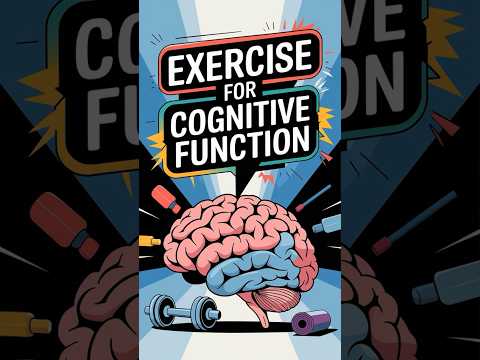
Exercise isn't just good for your body; it's phenomenal for your brain. Physical activity increases blood flow to the brain, delivering oxygen and nutrients vital for optimal function. More profoundly, it stimulates neurogenesis, the creation of new brain cells, particularly in areas associated with memory and learning.
Even moderate exercise can have a profound impact on cognitive performance. It helps reduce stress, improves sleep quality, and can even ward off age-related cognitive decline. The connection between physical movement and mental sharpness is undeniable, making it a cornerstone of any brain health strategy.
Types of Exercise for Brain Benefits
While any form of physical activity is beneficial, certain types of exercise offer specific advantages for cognitive function. The key is consistency and finding activities you genuinely enjoy to ensure long-term adherence.
- Aerobic Exercise: Activities like brisk walking, running, swimming, or cycling elevate heart rate and improve cardiovascular health, directly benefiting brain blood flow.
- Strength Training: Lifting weights or bodyweight exercises can help reduce inflammation and improve insulin sensitivity, both linked to better cognitive health.
- Mind-Body Practices: Yoga and Tai Chi combine physical movement with mindfulness, reducing stress and enhancing focus.
- Dance: Learning new dance routines challenges both physical coordination and cognitive processing, making it an excellent brain workout.
Aim for at least 150 minutes of moderate-intensity aerobic exercise or 75 minutes of vigorous-intensity exercise per week, combined with two days of strength training. Consistency is far more impactful than sporadic, intense bursts of activity.
Cognitive Booster 3: Mental Stimulation and Lifelong Learning
Just like muscles, your brain needs regular exercise to stay sharp. Engaging in mentally stimulating activities creates new neural pathways and strengthens existing ones, enhancing cognitive reserve. This concept suggests that a more active, engaged brain is better equipped to cope with age-related changes or even neurological challenges.
Lifelong learning is not just about formal education; it encompasses any activity that challenges your mind and forces you to think in new ways. This could range from learning a new language to mastering a musical instrument or even solving complex puzzles. The goal is to consistently push your cognitive boundaries.
Strategies for Cognitive Engagement
To keep your brain agile and adaptable, integrate a variety of mental challenges into your routine. The novelty of new tasks is particularly beneficial, as it forces your brain to work harder and adapt.
- Learn a New Skill: Whether it's coding, painting, or playing chess, acquiring new expertise strengthens neural connections.
- Read Widely: Engage with diverse genres and complex topics to stimulate critical thinking and expand vocabulary.
- Play Brain Games: Puzzles, crosswords, Sudoku, and strategic board games can enhance problem-solving and memory.
- Engage in Hobbies: Activities like gardening, photography, or creative writing can be mentally stimulating and enjoyable.
- Travel and Explore: New environments and experiences force your brain to adapt and process novel information.
The key is to find activities that are challenging but also enjoyable, ensuring that you maintain consistent engagement. A stimulated brain is a resilient brain, ready to tackle new challenges.
Cognitive Booster 4: Stress Management and Mindfulness Practices
Chronic stress is a silent enemy of brain health. Prolonged exposure to stress hormones like cortisol can damage brain cells, particularly in the hippocampus, an area crucial for memory and learning. Effective stress management is therefore a vital cognitive booster, protecting your brain from its most insidious threats.
Mindfulness practices, such as meditation and deep breathing, offer powerful tools for mitigating stress and enhancing mental clarity. These practices train your brain to stay present, reduce rumination, and improve emotional regulation, all of which contribute to better cognitive function.

Techniques for Calming the Mind
Integrating simple, consistent mindfulness techniques into your daily life can significantly reduce stress levels and improve brain resilience. These practices don't require hours of dedication; even a few minutes a day can make a difference.
- Daily Meditation: Start with 5-10 minutes of guided meditation, focusing on your breath and observing your thoughts without judgment.
- Deep Breathing Exercises: Practice diaphragmatic breathing to activate your parasympathetic nervous system, promoting relaxation.
- Mindful Movement: Engage in activities like yoga or Tai Chi, which combine gentle exercise with focused attention.
- Nature Immersion: Spend time outdoors, engaging your senses with the natural environment to reduce mental fatigue and stress.
- Journaling: Writing down your thoughts and feelings can be a powerful way to process emotions and reduce mental clutter.
Regular practice of these techniques can rewire your brain, making it more resilient to stress and enhancing your ability to focus and think clearly. A calm mind is a sharp mind, capable of greater cognitive feats.
Cognitive Booster 5: Social Engagement and Connection
Humans are inherently social creatures, and our brains thrive on interaction. Social engagement is a powerful cognitive booster, as it stimulates multiple brain regions involved in language, memory, empathy, and problem-solving. Isolation, conversely, has been linked to an increased risk of cognitive decline and depression.
Maintaining strong social ties provides emotional support, reduces stress, and offers opportunities for intellectual stimulation. Engaging in meaningful conversations, collaborating on projects, or simply sharing experiences with others keeps your brain active and connected to the world around you.
Fostering Healthy Social Connections
Actively cultivating and maintaining social connections is an investment in your brain's long-term health. Prioritize interactions that are positive, supportive, and mentally engaging.
- Join Clubs or Groups: Participate in activities that align with your interests, such as book clubs, hiking groups, or volunteer organizations.
- Stay Connected with Loved Ones: Regularly reach out to family and friends through calls, video chats, or in-person visits.
- Volunteer: Giving back to your community provides a sense of purpose and opportunities for new social interactions.
- Engage in Group Learning: Take a class or workshop with others, fostering both mental stimulation and social connection.
- Practice Active Listening: Truly engaging in conversations strengthens empathy and cognitive processing.
The richness of our social lives directly correlates with the richness of our cognitive function. Prioritizing meaningful connections is a simple yet profound way to keep your brain vibrant and resilient.
| Cognitive Booster | Brief Description |
|---|---|
| Nutrient-Rich Diet | Fuel your brain with omega-3s, antioxidants, and essential vitamins for optimal function and protection. |
| Regular Physical Activity | Enhance blood flow, neurogenesis, and reduce stress through consistent exercise. |
| Mental Stimulation | Challenge your mind with new skills and learning to build cognitive reserve and neural pathways. |
| Stress Management | Protect your brain from cortisol's damage through mindfulness and relaxation techniques. |
Frequently Asked Questions About Brain Health
How quickly can I see improvements from brain health boosters?▼Improvements vary by individual and consistency. While some benefits like better sleep or focus might be noticed within weeks, significant cognitive enhancements and long-term protective effects typically develop over several months of consistent practice. Patience and dedication are key for sustainable results.
Are there any specific supplements recommended for brain health?▼While a balanced diet is paramount, some individuals may benefit from supplements like omega-3 fatty acids, B vitamins, or vitamin D, especially if deficiencies exist. Always consult with a healthcare professional before starting any new supplement regimen to ensure it's appropriate for your specific needs.
Can these boosters help prevent neurodegenerative diseases?▼While no definitive cure exists for neurodegenerative diseases, adopting these brain health boosters can significantly reduce risk factors and promote cognitive resilience. They help maintain brain structure and function, potentially delaying onset or slowing progression by fostering a healthier brain environment.
How important is sleep for brain health compared to other factors?▼Sleep is incredibly important, often considered as foundational as diet and exercise. During sleep, the brain actively clears waste, consolidates memories, and repairs cells. Chronic sleep deprivation can undermine all other brain health efforts, making consistent, quality sleep a non-negotiable booster.
Is it ever too late to start optimizing brain health?▼It's never too late to start optimizing brain health. The brain possesses remarkable neuroplasticity, meaning it can form new connections and adapt throughout life. While starting early offers advantages, implementing these boosters at any age can lead to significant improvements in cognitive function and overall well-being.
Conclusion
Optimizing brain health is not a fleeting trend but a fundamental investment in your future well-being and peak performance. By integrating a nutrient-rich diet, consistent physical activity, continuous mental stimulation, effective stress management, and robust social connections, you equip your brain to thrive in 2026 and for many years to come. These five cognitive boosters, when embraced holistically, create a powerful synergy that enhances memory, focus, and overall mental acuity, paving the way for a sharper, more resilient you. Prioritize these strategies, and unlock your full cognitive potential.